1
Part A
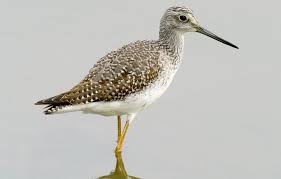
How does the biodiversity of shorebird species MOST LIKELY affect the stability of the ecosystem?
Part A
How does the biodiversity of shorebird species MOST LIKELY affect the stability of the ecosystem?
1
The Hoover Dam was built in 1936, blocking the Colorado River, one of the largest rivers in the USA. The dam was made to create energy and to control floods, but there were many unintended consequences on the environment.
Which of the following is a negative impact of the Hoover Dam on the ecosystem?
Overharvesting of shrimp in the Gulf of Mexico has led to a significant decline in shrimp populations because they are caught faster than they can reproduce. Shrimp serve as a food source for many fish, birds, and marine mammals in the region.
Which statement describes the most likely effect that shrimp overharvesting will have on this ecosystem?
A severe flood occurs in a grassland ecosystem, submerging the soil and washing away many plants.
Which description best explains how this would affect the ecosystem in that area?
Part A
How does the biodiversity of shorebird species MOST LIKELY affect the stability of the ecosystem?
A population of an invasive predatory snake species is rapidly increasing on a tropical island. The snake feeds on native birds, lizards, and small mammals. Because the native species did not evolve with this predator, several bird species become extinct within a few decades.
Which statement BEST describes the effect of a native species’ extinction on local ecosystem biodiversity and stability?
The Houston toad (Anaxyrus houstonensis) is a rare amphibian native to sandy soils and pine forests in central Texas. It relies on seasonal pools of water for breeding and is highly sensitive to changes in its habitat.
Which human activity would most likely decrease the ability of the Houston toad to survive?
A severe flood occurs in a grassland ecosystem, submerging the soil and washing away many plants.
Which description best explains how this would affect the ecosystem in that area?
Overharvesting of shrimp in the Gulf of Mexico has led to a significant decline in shrimp populations because they are caught faster than they can reproduce. Shrimp serve as a food source for many fish, birds, and marine mammals in the region.
Which statement describes the most likely effect that shrimp overharvesting will have on this ecosystem?
The invasive lionfish, a predator with no natural enemies in the Atlantic Ocean, has rapidly spread across coral reef ecosystems, where it consumes large amounts of the reef fish population.
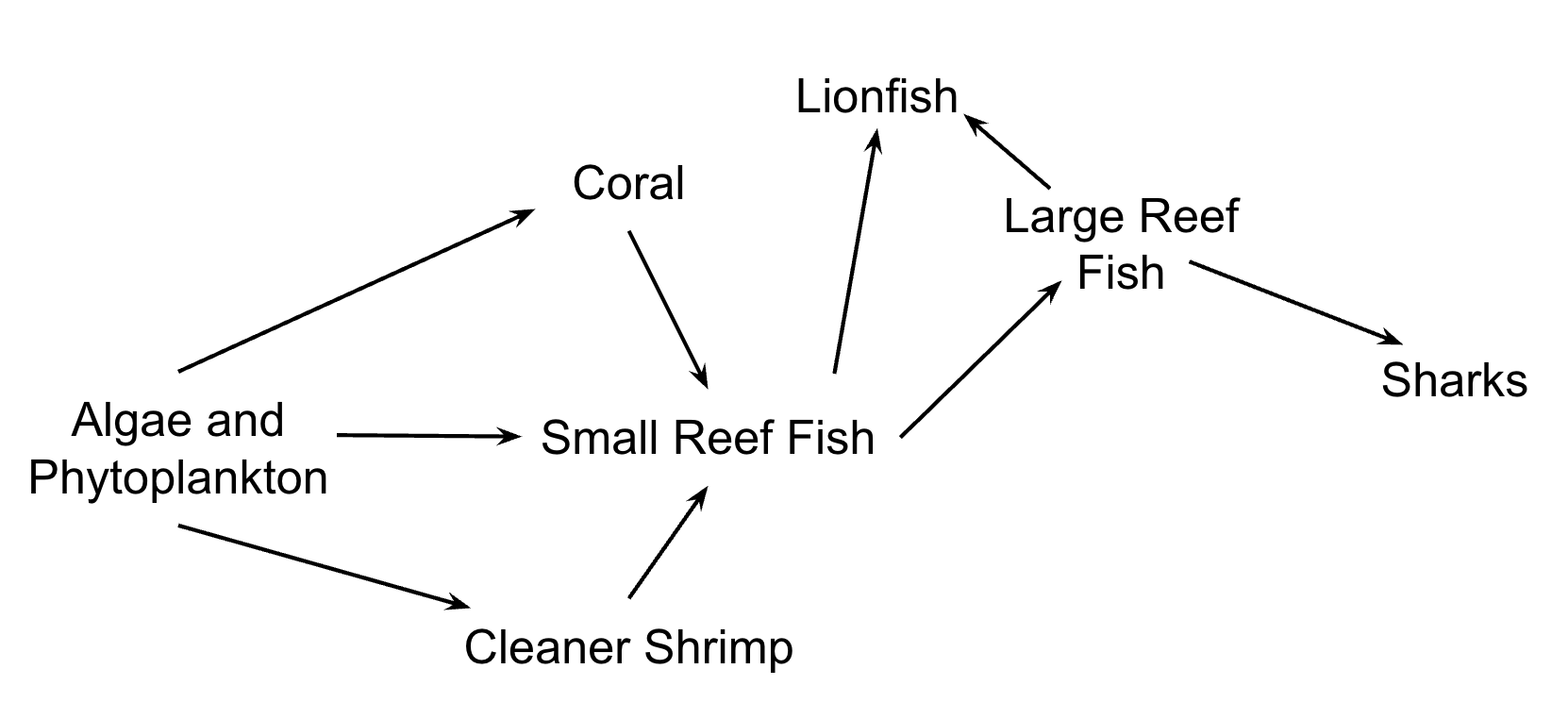
Based on the food web, how would an increase in the lionfish population most likely affect this ecosystem?
In a desert ecosystem, an extended heat wave causes many flowering plants to die. As a result, pollinators such as bees and butterflies decline, followed by a decrease in small reptiles and birds that feed on insects.
Mangrove forests are coastal ecosystems that provide habitat for shrimp, crabs, small fish, birds, and juvenile reef fish. Large predatory fish help control populations of smaller fish that feed on algae. In recent years, overfishing has greatly reduced the number of large predatory fish in mangrove areas.
Which consequence is MOST likely to occur in the mangrove ecosystem as a result of the decrease in large predatory fish?
The desert tortoise, Gopherus agassizii, is a slow-moving reptile that lives in burrows in desert ecosystems of the southwestern United States. It depends on native grasses and shrubs for food and shelter.
Which human activity would MOST likely decrease the ability of the desert tortoise to survive?
Part B
Which statement BEST supports the answer in Part A?