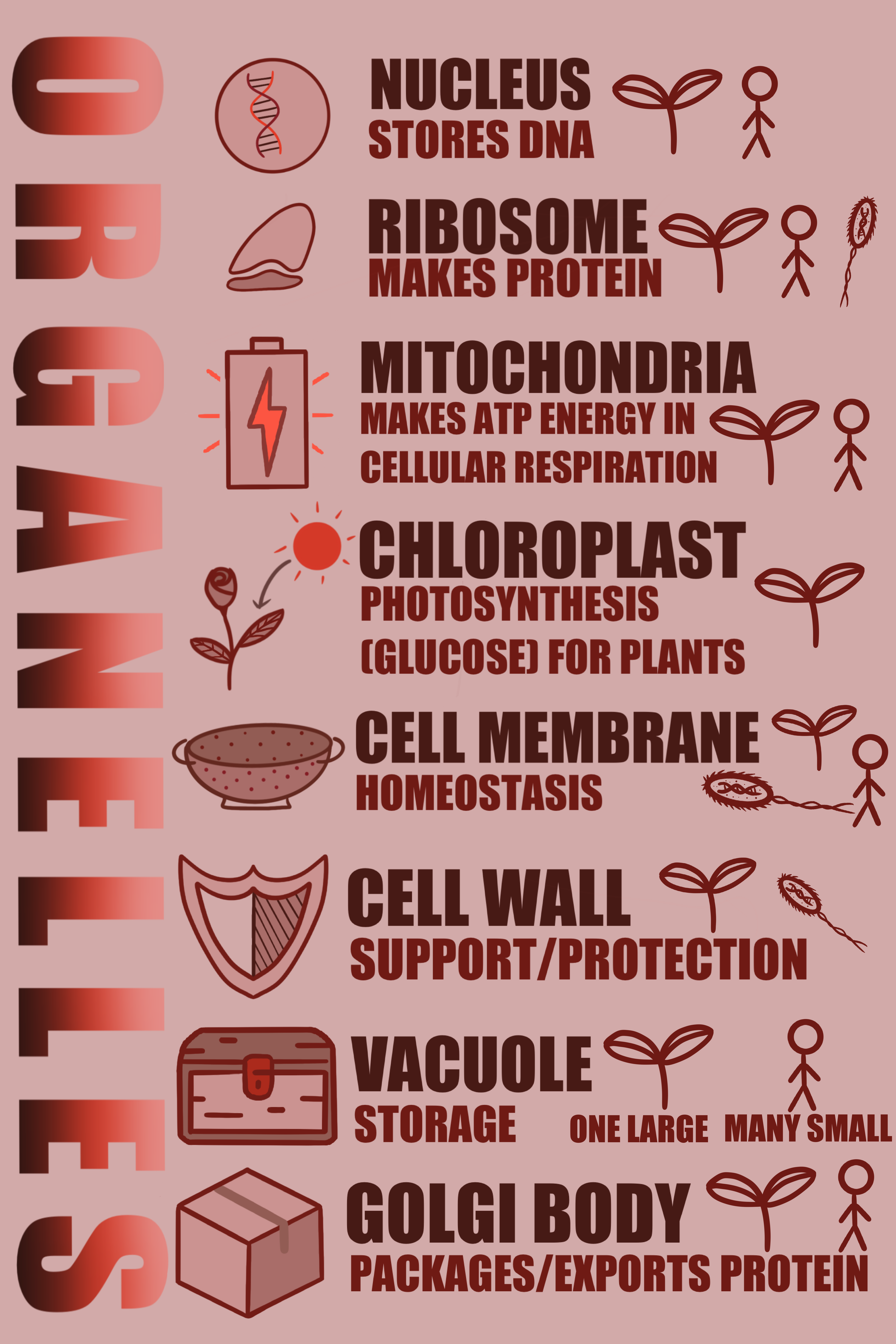
Due to a recent infection, the cells in your body need to synthesize (make) more enzymes to break down the bacteria that your immune system has been killing off.
Which cell organelle will make these new enzymes?
Sammy decided to eat chicken fettuccine alfredo for lunch. In about 30 minutes, his body will digest the carbohydrates in his meal.
Which organelle will convert the glucose in the pasta into energy?
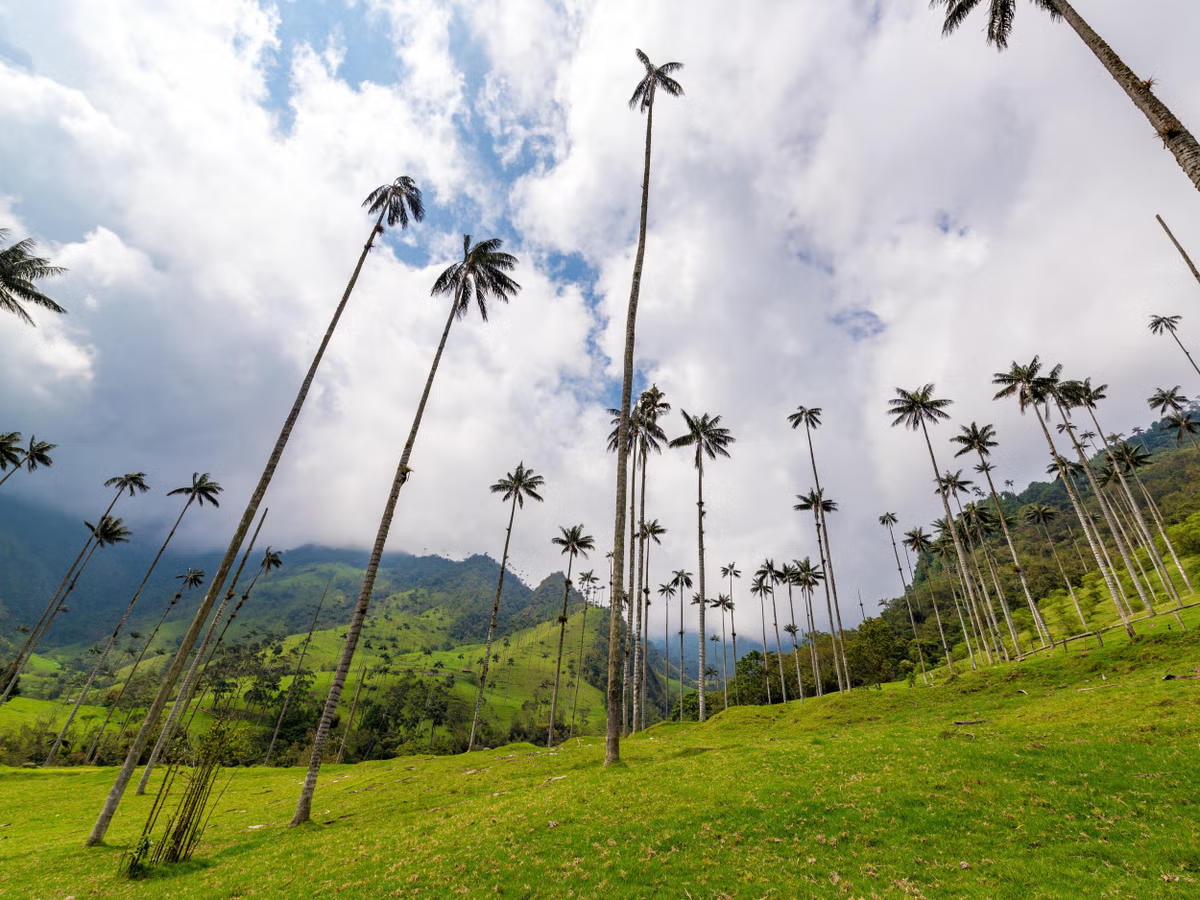
The wax palm tree, native to Colombia and Peru, can grow up to 200 feet tall.
The palm tree's cell walls are high in cellulose, which provides the structure that the trees need to grow tall.
What biomolecule makes up the cell wall?
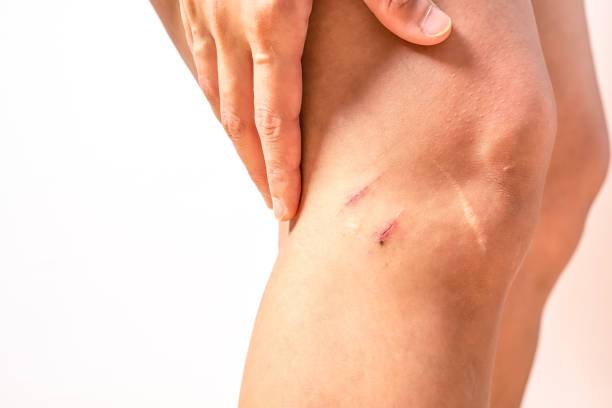
During a school pep rally, Zach tripped and scraped his knee. His body starts the process of making new skin cells to replace the damaged skin cells.
Which cell organelle synthesizes the proteins to form the new skin cells?
Water is the most abundant molecule inside of a cell, however too much water entering a cell can cause the cell to burst (pop).
Which cell organelle is responsible for controlling how molecules, such as water, enter and leave the cell?
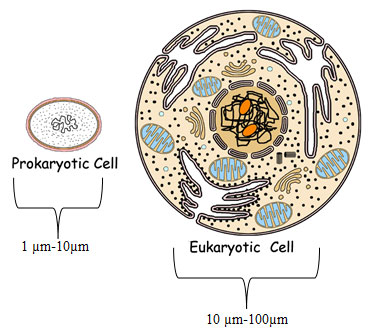
Eukaryotic cells are on average 10x larger than prokaryotic cells. Due to their larger size, eukaryotic cells are more complex and have many processes occurring within the cell.
Which cell organelle produces ATP energy to power these processes within the eukaryotic cell?
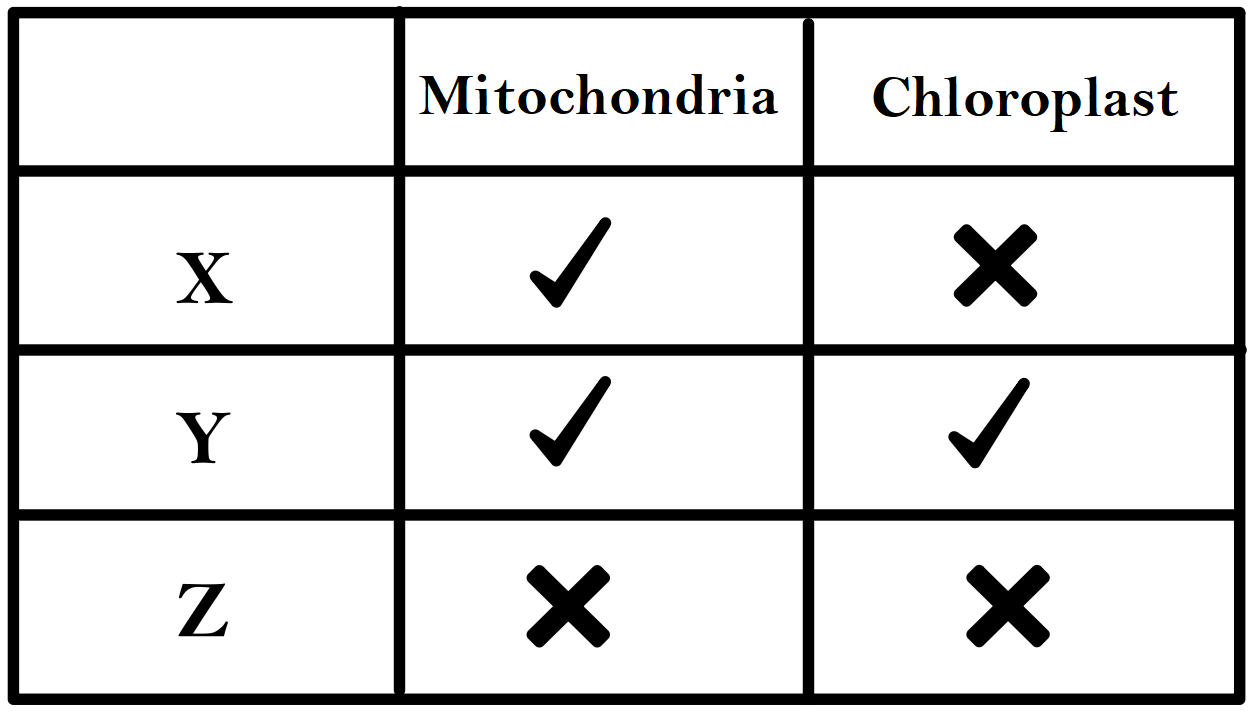
Structures found in a plant cell, but not an animal cell, include the following:
Which of the following is a plant cell?
Which of the following is an animal cell?
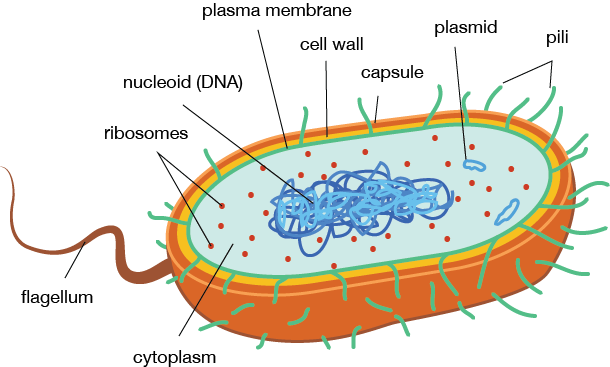
Which of the following is an prokaryotic cell?
Observe the diagram below and complete the sentence.
The cell above is an example of a . This is because the cell .
Plant and animal cells are both eukaryotic cells that have many organelles in common.
From the list below, select TWO organelles found in plant cells that are NOT found in animal cells.
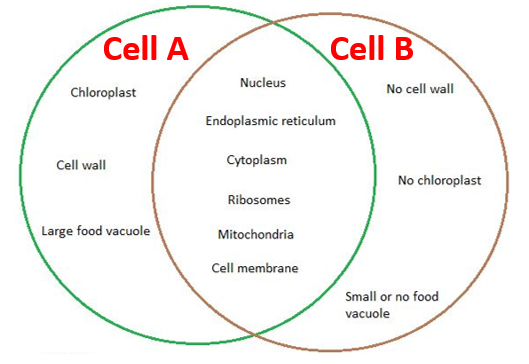
A student was taking notes during class on comparing cellular structures, however they forgot to put the cell labels on their Venn diagram! Can you help them figure out their missing cell labels?
From the information provided in the Venn diagram, Cell A should be labeled as a cell and Cell B should be labeled as a cell.
Decide whether each item below belongs to
Prokaryotes (1), Eukaryotes (2), or Both (4).
Prokaryotes Only | Eukaryotes Only | BOTH | |
|---|---|---|---|
Nucleus | |||
No Nucleus | |||
Ribosomes | |||
Cell Membrane | |||
DNA | |||
Cytoplasm | |||
Membrane Bound Organelles |
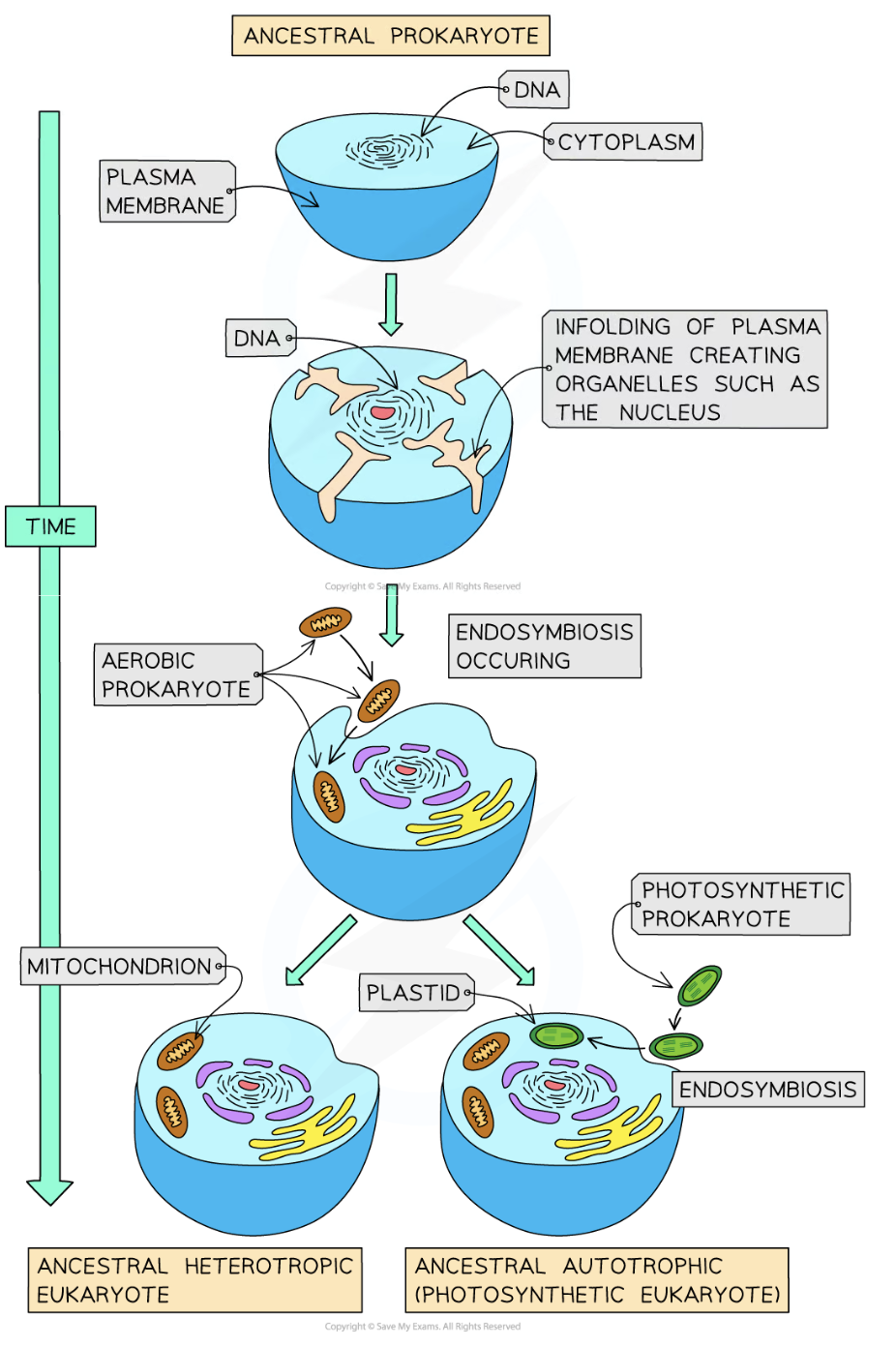
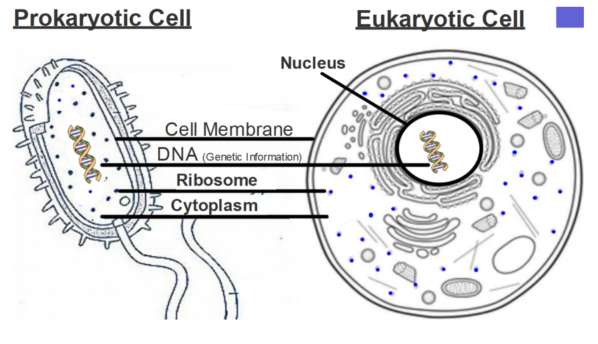
Based on the diagram, which organism evolved first?
Jordan is trying to determine what is making her sick. She goes to the doctor and they swab her throat. The doctor is able to see that the pathogen has DNA, ribosomes, a cell membrane, and is able to reproduce on its own.
Based on this, which pathogen is making Jordan sick?
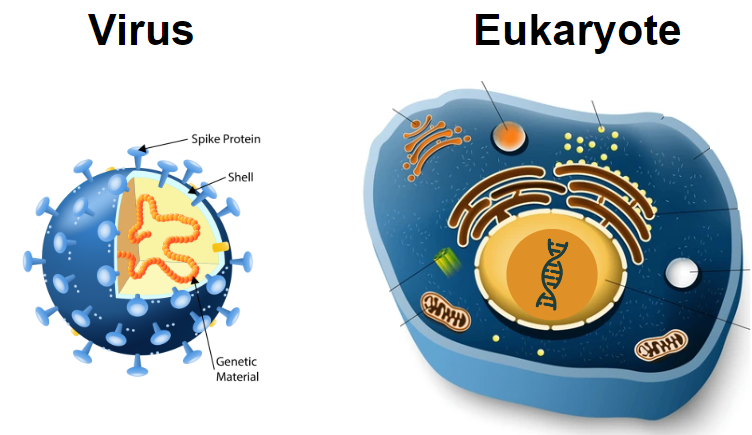
Complete the diagram using the vocabulary below:
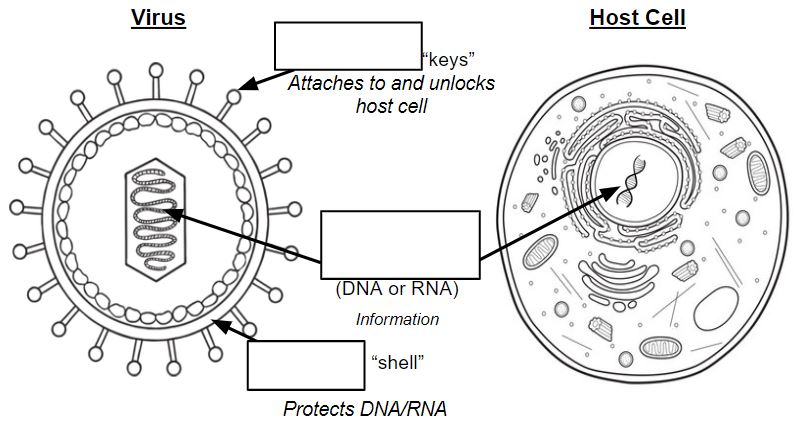
A virus...
Which statement is true of both viruses and cells?
What does a virus need from the host cell in order to reproduce?
Select TWO correct answers.
The difference between viruses and bacteria cells is that a virus while a bacteria .
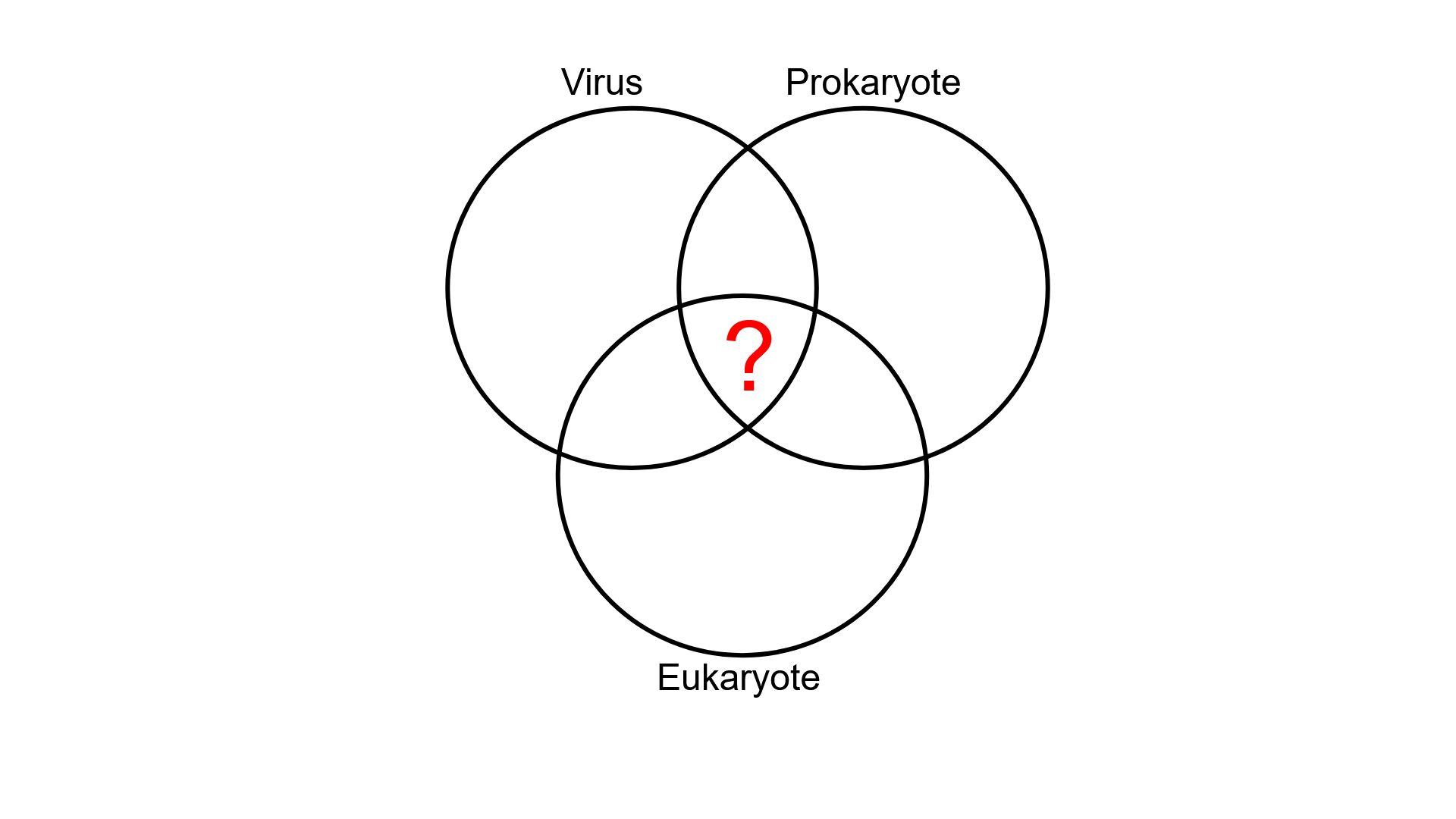
A student is making a Venn diagram comparing eukaryotic cells, prokaryotic cells, and viruses
What will be in the middle of the venn diagram?
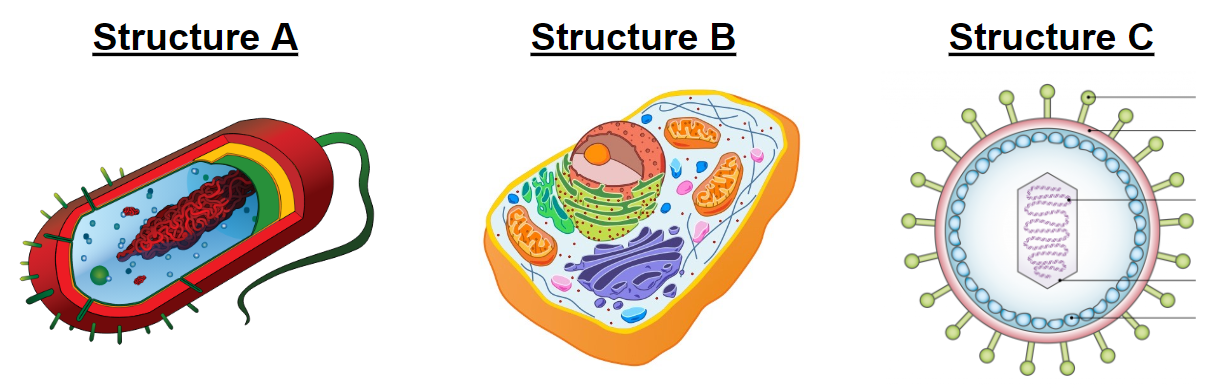
Use the diagram below to complete the sentences.
RESPOND TO ALL THREE PARTS.
Structure A is a because it has and .
Structure B is a because is has and .
Structure C is a because it has a and .
H1N1 flu is a highly contagious viral infection caused by the influenza A (H1N1) virus. It is transmitted rapidly though airborne droplets with infected particles. When exposed to the flu virus, people develop symptoms within days of exposure. The symptoms of H1N1 flu are listed below.
H1N1 Flu Symptoms
Acute respiratory illness
Fever
Cough
Sore throat
Body aches
Headaches
Chills and fatigue
Diarrhea and vomiting
What type of replication cycle does the H1N1 virus follow?
A person infected with the human immunodeficiency virus (HIV) may not have any symptoms for a period of time.
During this period, the virus affects the body by doing which of the following?
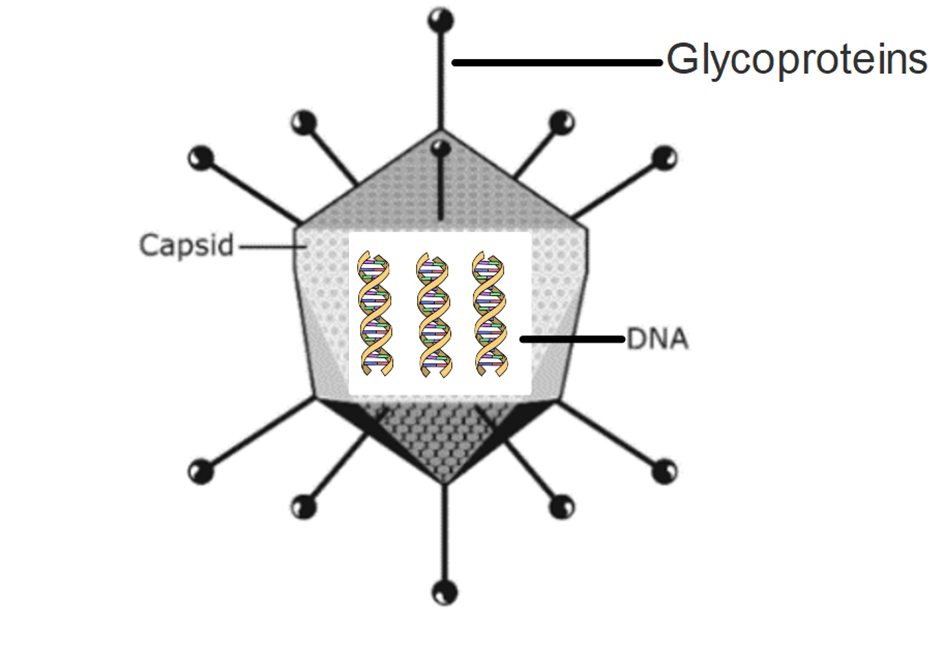
Viruses have a capsid ("protein shell") which protects the . This is similar to the of a eukaryotic cell.
Is it Lytic or Lysogenic?
(See hint!)
Lytic | Lysogenic | |
|---|---|---|
Symptoms occur within days of exposure to the virus. | ||
You get sick later, months to even years after exposure to the virus. | ||
Long incubation period | ||
Short incubation period |
The diagram below represents the two replication cycles of viruses. Use the diagram to complete the sentences. NOTE: a bacteriophage is a virus that infects bacteria.
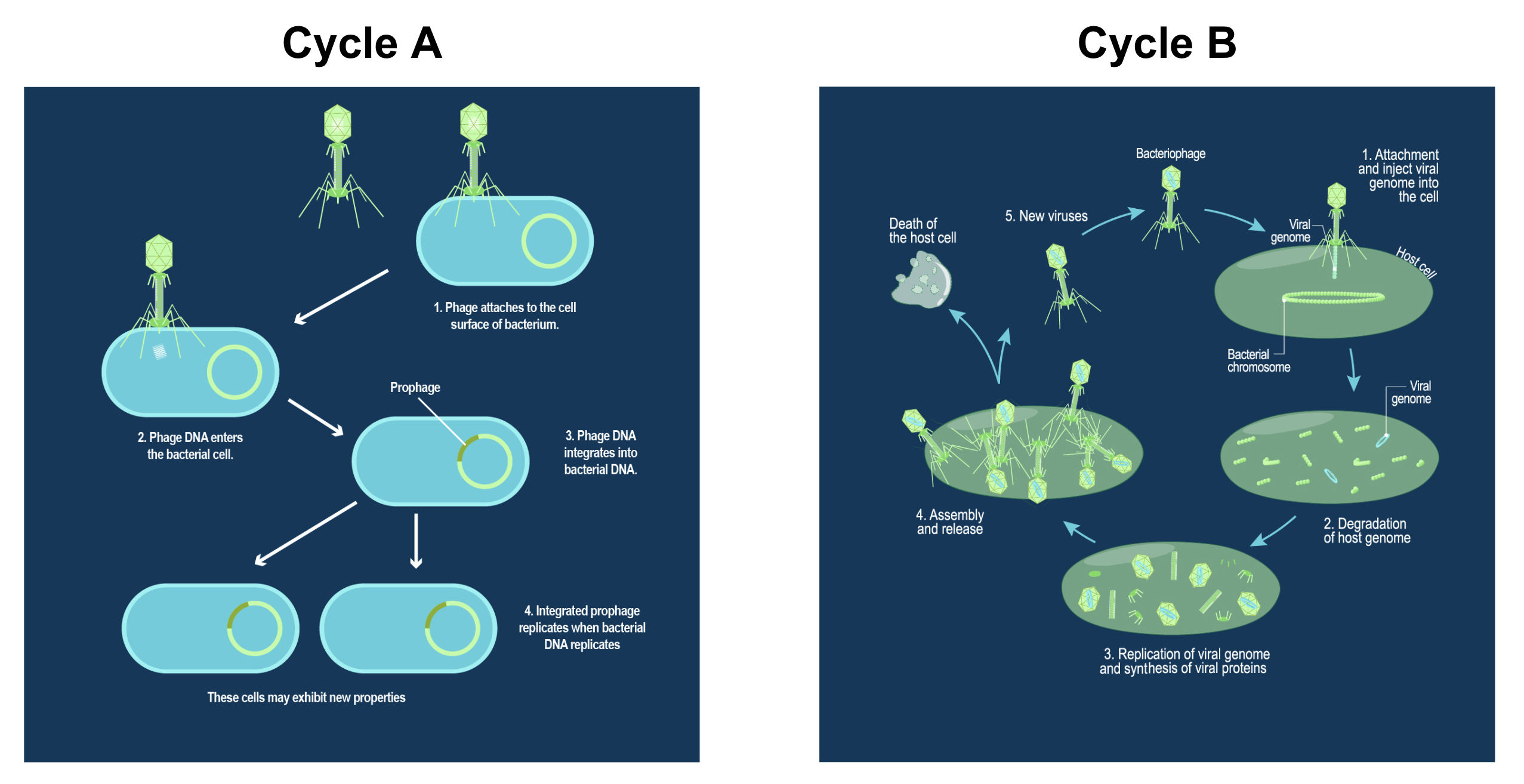
Cycle A represents the cycle because .
Cycle B represents the cycle because .
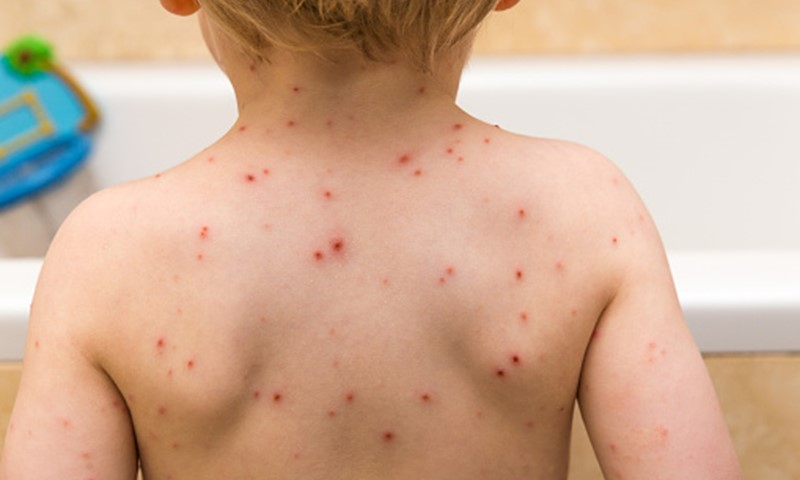
Varicella-zoster virus (VZV) is a unique virus that causes multiple illnesses in humans. After the first exposure to VZV, individuals develop itchy rashes and bumps within 14-16 days. This infection is commonly referred to as chicken pox.
The itchy rashes and bumps fade for most humans after 7-10 days. Which viral replication cycle does the varicella-zoster virus complete for this infection?
Varicella-zoster virus (VZV) is a unique virus that causes multiple illnesses in humans including chicken pox. Symptoms of chicken pox fade for most humans after 7-10 days, however the virus stays in their body for many more years without showing symptoms.
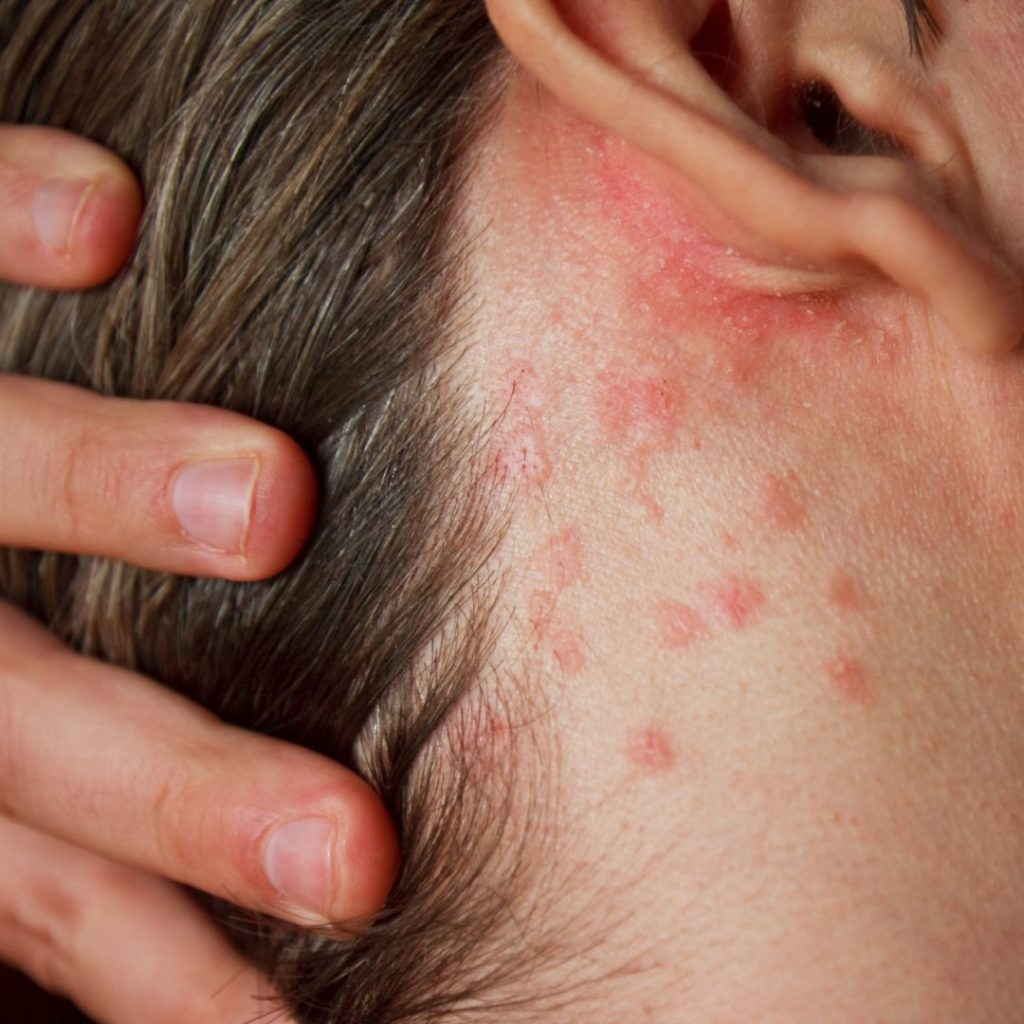
Individuals who have had chicken pox can develop shingles later in life which produce skin sensitivity, itchy patches, and red spots which may blister.
For most individuals who have had chicken pox, the symptoms of shingles do not develop for an average of 20-35 years later in their life.
Which viral replication cycle does the varicella-zoster virus complete for this infection?
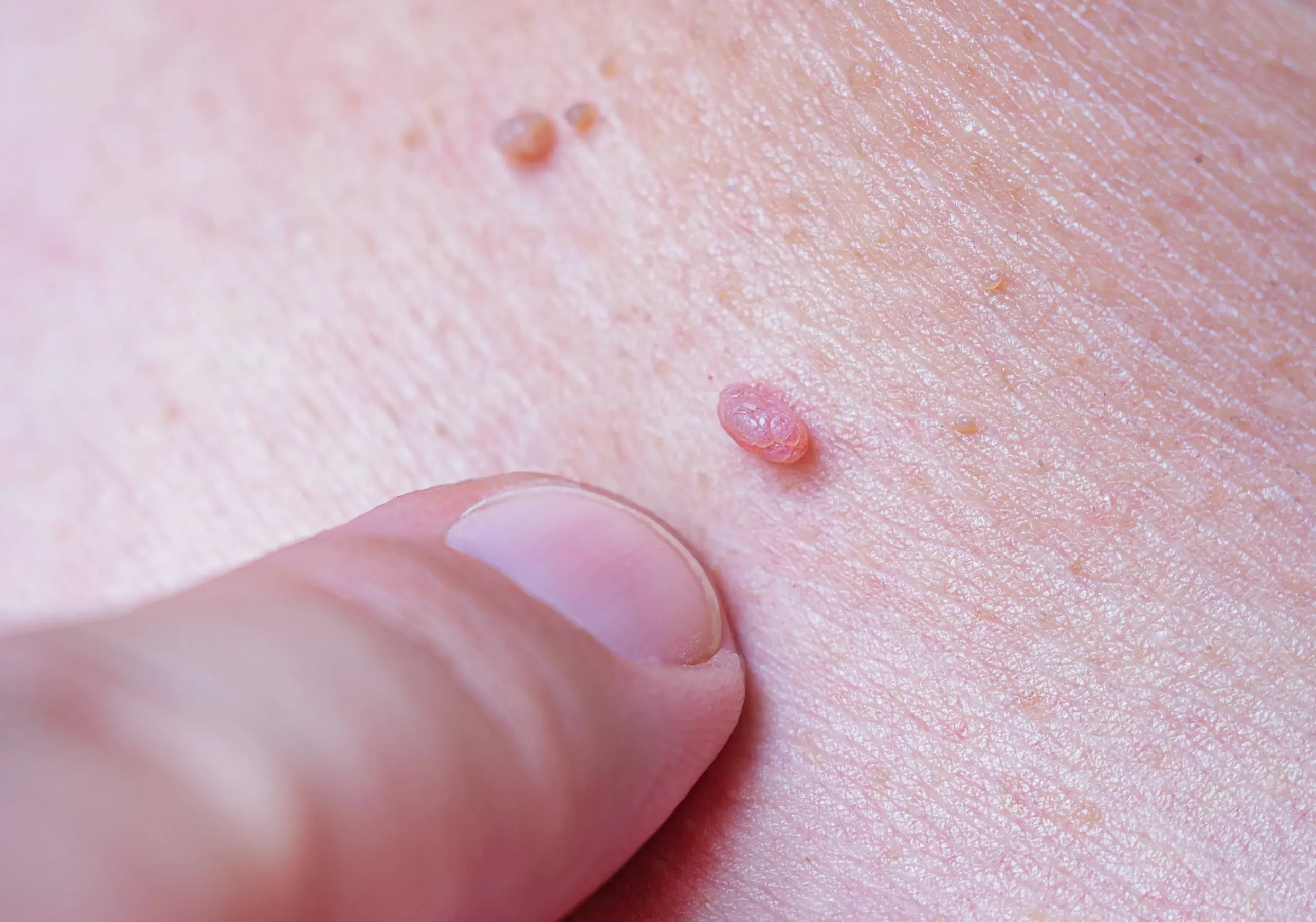
Human papilloma virus (HPV) is a virus most commonly spread through physical contact. It causes skin or mucous membrane growths (warts), and has also been found to cause cancer in humans. Most individuals do not show any symptoms, but will continue spreading the virus for their entire life. While there is no cure, the most common way to prevent contracting HPV is by getting three doses of the vaccine.
Once infected with HPV, an individual has the disease for life.
Which replication cycle does the virus follow?
Which statement is best supported by the diagram?
Which of the following best explains why humans can contract HPV, but your pet dog cannot?
HPV is the most commonly spread STI (sexually transmitted infection), with about 1 million new cases reported each year.
Which of the following best explains why someone HPV cannot pass on the virus if they sneeze or cough?