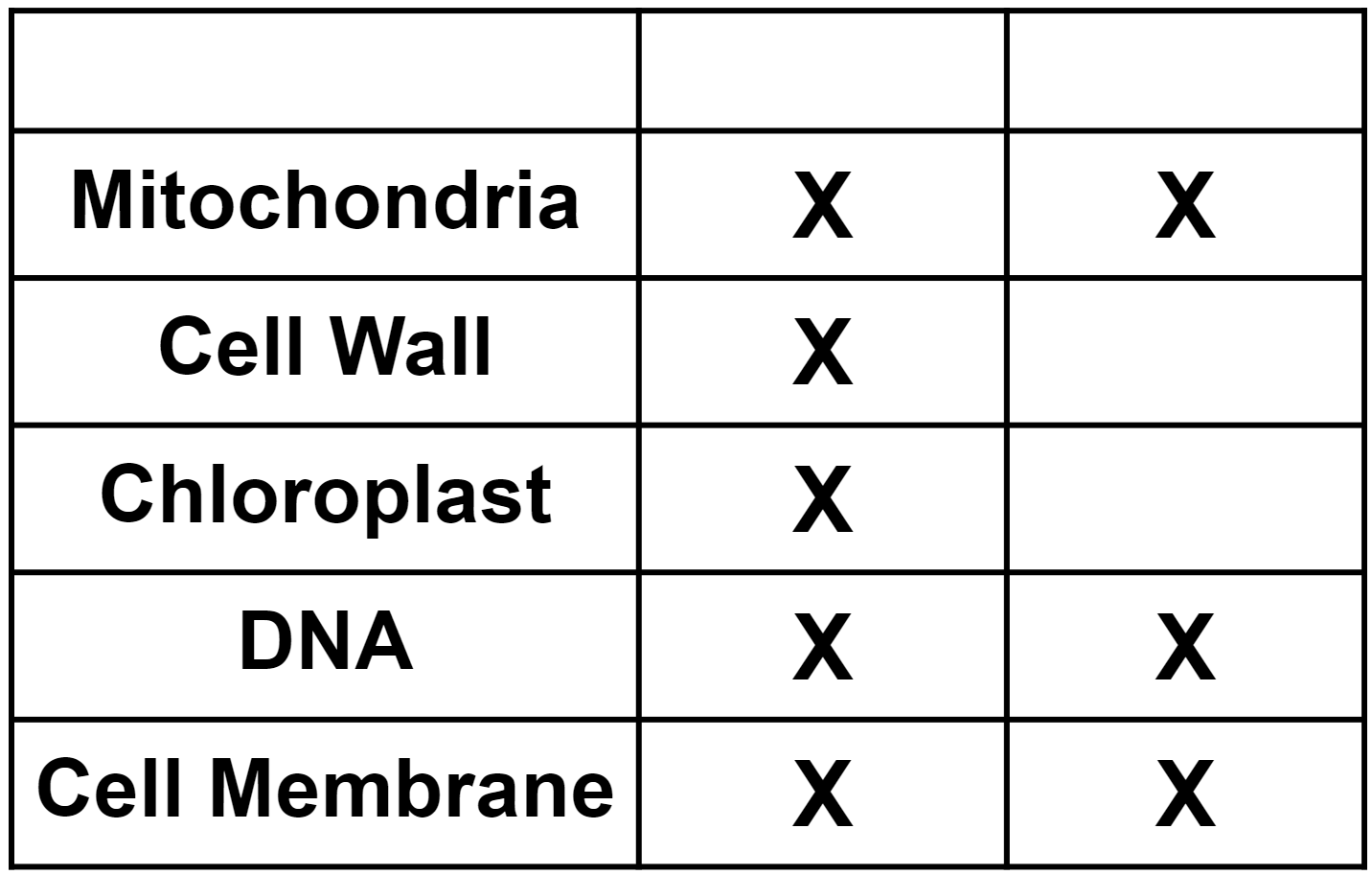
The table below indicates which structures are present in two cells. The X indicates structures that are present in each cell.
Identify the cells below based on their structures.
Andre svarmuligheder:
Animal Cell
Plant Cell
Prokaryote
Students created note cards comparing characteristics of eukaryotic and prokaryotic cells.
Which set of note cards most accurately compares these cells?
The table below indicates which structures are present in two cells. The X indicates structures that are present in each cell.
Identify the cells below based on their structures.
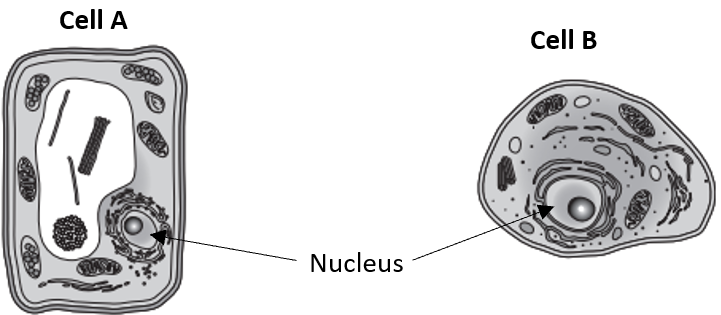
Below are two cells observed under a microscope.
Cell A and Cell B as their genetic material .
Determine if the following characteristics belong to a cell or virus.
Virus | Cell | |
|---|---|---|
Contains genetic material in nucleus | ||
Glycoproteins | ||
Cell Membrane | ||
Capsid | ||
Requires a host cell |
Which of these describes a difference between viruses and cells?
Viruses can be transmitted through air, water, food, insect bites, and direct skin contact. Once a virus gains entry to the body, it invades a in order to .
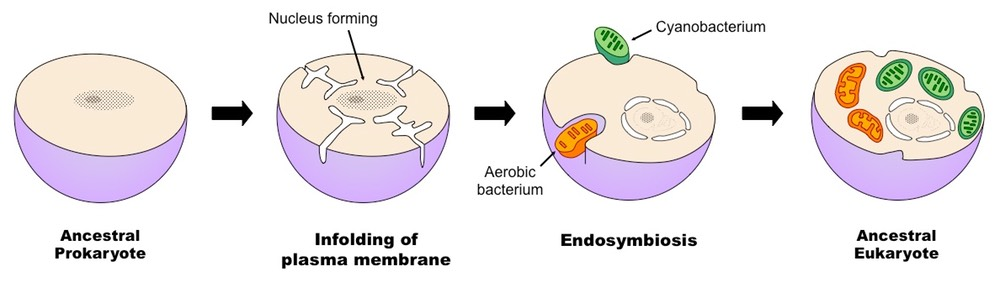
Observe the structures in the diagram below.
This diagram best supports which statement?
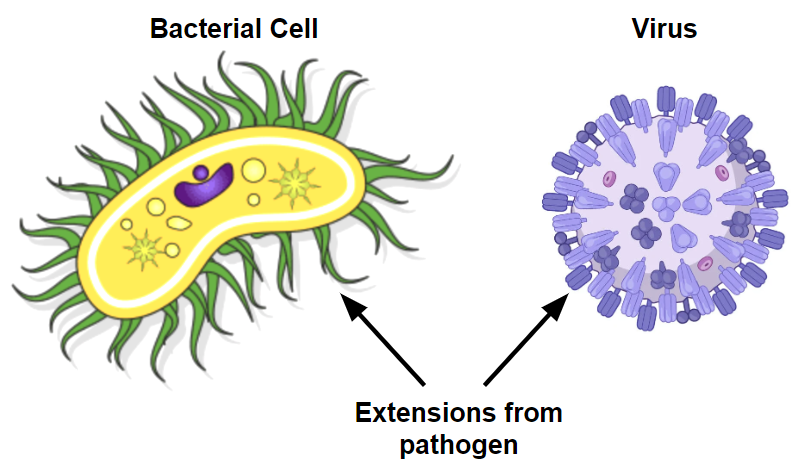
Pathogens such as bacteria and viruses have extensions as shown in the diagrams below.
In bacterial cells, these extensions are used for motion. What are the extensions from a pathogenic virus used for?
Avian influenza is a highly infectious virus that affects birds. Between April and July of 2024, the United States Department of Agriculture (USDA) and the Food and Drug Administration (FDA) reported a total of 18.37 million bird deaths and 0 human deaths.
Which of the following best explains why avian influenza affects birds but not humans?
The human immunodeficiency virus (HIV) is a virus that attacks the body's immune system, making it harder for the body to fight off infections and illnesses. Many people do not have symptoms in the first months of infection. As of August 2024, there are 40 million people living with HIV. One of the most common ways to contract HIV is through coming into contact with body fluids.
Which of the following best explains why someone cannot get HIV if they shake hands with someone with the infection?
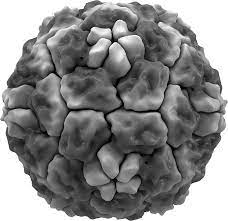
Rhinovirus is highly contagious and may be spread through human contact. This virus is well known as the common cold and causes infants and many children to have a sore throat, runny nose, coughs, and body aches.
Once an individual is exposed to rhinovirus, it takes less than 2 days for symptoms to begin and lasts between 7 to 10 days.
The rhinovirus virus replicates by the cycle because .
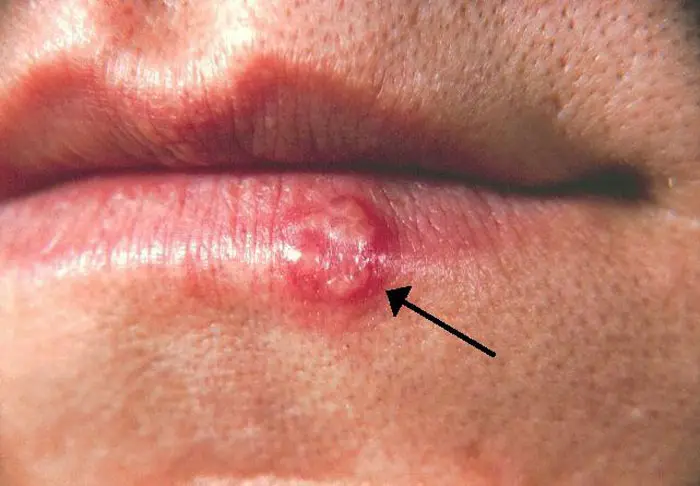
Herpes simplex virus (HSV) is virus that causes oral and genital herpes in humans. After HSV enters the human body, it to travels to the nervous system's sensory neurons and remains undetected for long periods of time. When symptoms do appear, they typically include blisters around the mouth and lips.
These blisters will go away after a period of time, but the individual will have flare up throughout their life. Which viral replication cycle does the herpes simplex virus complete for this infection?