Twa kɔ nsɛm atitiriw so
Log in
Sign up for FREE
arrow_back
Laabri

Wednesday (03/19) - Symbiosis Scenarios Practice

star
star
star
star
star
Last updated about 2 hours ago
10 Nsɛmmisa
Ɛhia
3
Ɛhia
3
Ɛhia
3
Ɛhia
3
Ɛhia
3
Ɛhia
1
Ɛhia
1
Ɛhia
1
Ɛhia
2
2
Asemmisa {{asɛmmisaAhyɛnsode}}
1.

Read the scenario below, then determine which type of ecological relationship is being described.

Wolf packs establish large territories where they hunt and raise their young. However, when resources such as prey (deer or elk) become scarce, wolf packs may clash over territory boundaries. Fights between rival packs can lead to injury on both sides, and the losing pack is forced to relocate to areas with fewer resources.

Organism 1 (Wolf Pack):

Ecological Relationship: Organism 2 (Algae):

Asemmisa {{asɛmmisaAhyɛnsode}}
3.

Read the scenario below, then determine which type of ecological relationship is being described.

Cattle egrets are birds that follow large grazing animals such as buffalo. As these animals move through fields or grasslands, they disturb insects hidden in the vegetation. The egrets take advantage of this by quickly catching and eating the exposed insects. The buffalo are not affected by the egrets since they do not take anything from them or alter their behavior.

Organism 1 (Cattle Egret):

Ecological Relationship: Organism 2 (Seal):

Asemmisa {{asɛmmisaAhyɛnsode}}
5.

Read the scenario below, then determine which type of ecological relationship is being described.

Horsehair worms target grasshoppers. When a grasshopper swallows horsehair worm larvae while drinking infected water, the worm larvae hatch and start absorbing nutrients directly from the grasshopper's internal fluids. As the worm matures and grows larger, it manipulates the grasshopper's nervous system. Under the horsehair worm's control, the grasshopper jumps into a body of water, releasing the fully grown worm.

Organism 1 (Grasshopper):

Ecological Relationship:

Asemmisa {{asɛmmisaAhyɛnsode}}
7.

Hermit crabs do not have hard protective shells of their own, so they rely on empty snail shells for protection. When a snail dies, its shell remains intact, and a hermit crab moves in to use it as shelter.
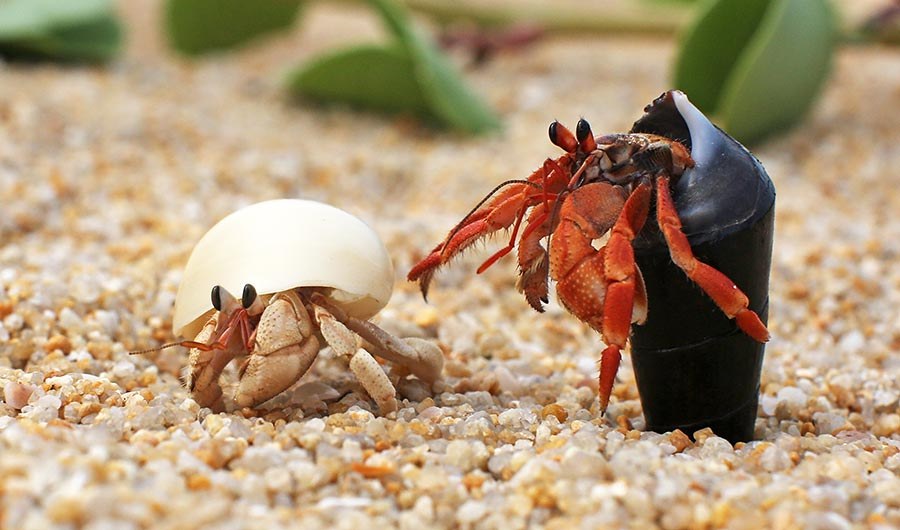
Which ecological relationship is being described in this example?
Asemmisa {{asɛmmisaAhyɛnsode}}
8.

Certain species of coral form a symbiotic relationship with microscopic algae called zooxanthellae, which live inside their tissues. The algae produce oxygen and provide corals with energy through photosynthesis, while the corals offer the algae protection and access to sunlight. This relationship is essential for building coral reefs.

Which ecological relationship is being described in this example? How do you know?

You MUST include the scientific term in your response.

Asemmisa {{asɛmmisaAhyɛnsode}}
9.

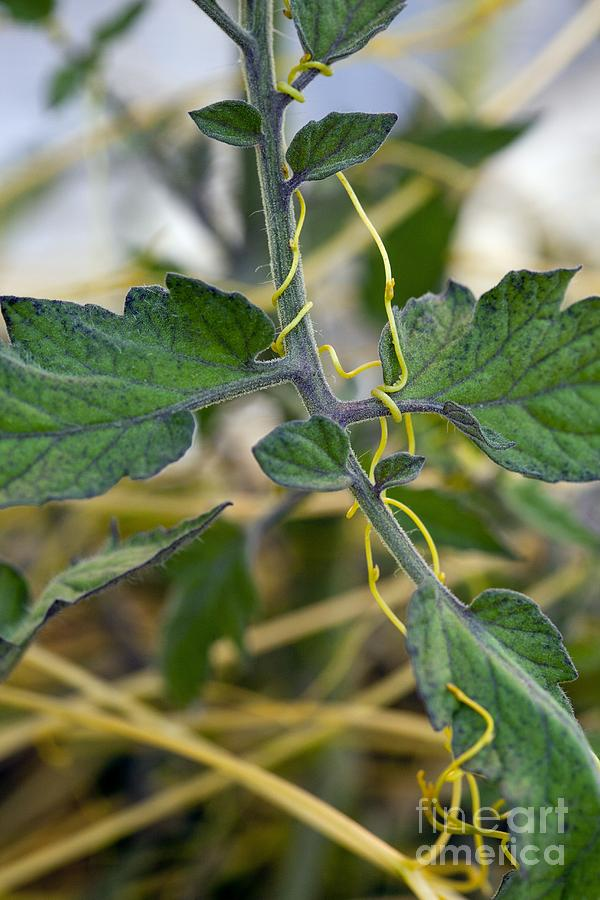
Dodder is a vine that wraps around host plants such as tomatoes. Unlike most plants, dodder does not have chlorophyll and cannot perform photosynthesis.

Instead, it penetrates the host plant’s stems to extract water and nutrients.

Over time, dodder weakens the host, reducing its ability to grow and reproduce.

The ecological relationship being described is an example of .

Asemmisa {{asɛmmisaAhyɛnsode}}
10.

The following question is worth 2 points. You must respond to BOTH parts to receive full credit.

Relationship 1

Mistletoe is a plant that attaches itself to apple tree branches. It uses specialized roots to tap into the tree’s vascular system, extracting water and nutrients needed for survival. Over time, mistletoe can weaken trees by draining their resources, making them more vulnerable to disease, drought, and other stressors.

Relationship 2

Mycorrhizal fungi form have a symbiotic relationship with pine tree roots. The fungi extend their hyphae (thread-like structures) into the soil, increasing the plant's access to water and essential nutrients. In return, the tree provides the fungi with sugars produced through photosynthesis. This exchange enhances the tree's growth and survival, especially in nutrient-poor soils, while the fungi gain a reliable food source.

(1) What is the main difference between the ecological relationships described in the two examples? (2) Include the scientific term used to define each of the relationships.