Beavers are often called "ecosystem engineers" because of their ability to modify landscapes by building dams. In a forested valley, a population of beavers has created a series of wetlands by slowing the flow of a river. These wetlands provide habitat for frogs, fish, insects, and birds. However, a nearby human settlement removes the beavers to prevent flooding, causing their dams to break down.
Which of the following is a negative impact of the beavers’ removal on the ecosystem?
The whooping crane (Grus americana) is an endangered bird species that migrates to the Texas Gulf Coast each winter. It depends on coastal wetlands and estuaries for food, including blue crabs and small fish.
Which human activity would most likely decrease the ability of whooping cranes to survive?
The Green Peach Aphid is a highly invasive insect that causes decreased growth, shriveled leaves, and the death of various tissues in peach trees. They also spread various plant viruses which can spread to other plants and vital crops. To control an outbreak of invasive aphids, a farmer releases two species of non-native ladybugs in addition to a species of native ladybugs into his field.
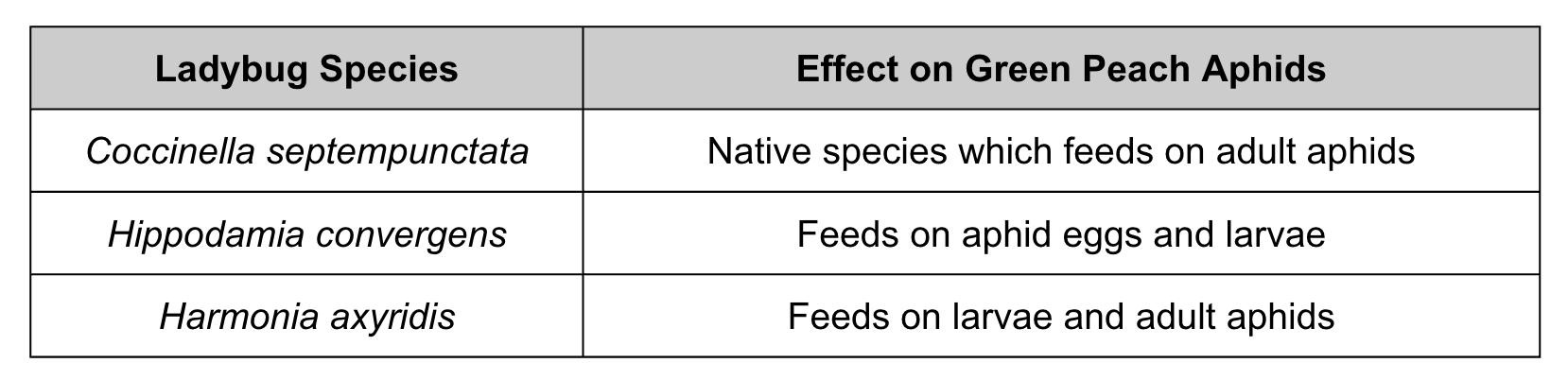
Which of the following is a potential unintended negative consequence of releasing these three species of ladybugs into the environment?
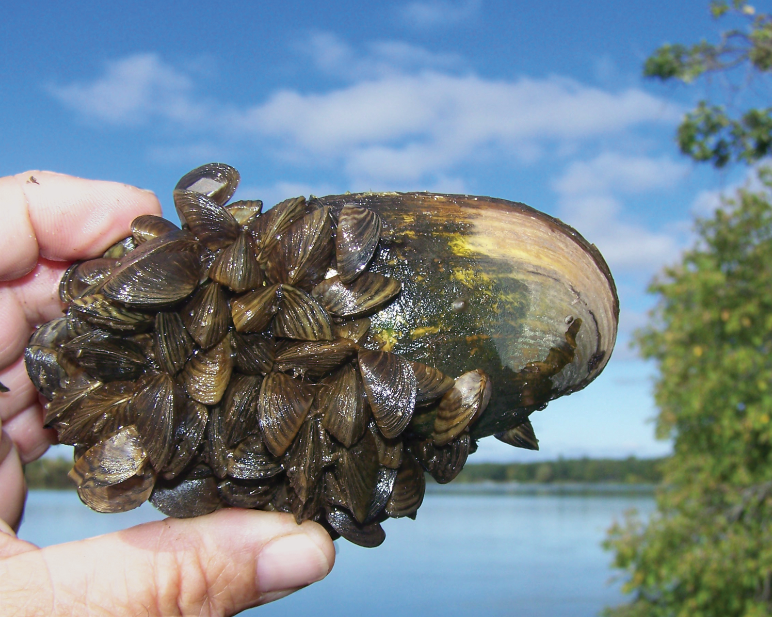
PART A
Which statement BEST describes how zebra mussels affect a Texas aquatic ecosystem?
In tropical oceans, sharks are apex predators that regulate fish populations. They keep prey species from overpopulating and depleting important resources. Due to overfishing, many shark populations have dropped by more than 70% in recent decades. In one coral reef ecosystem, where sharks have nearly disappeared, scientists have observed an explosion of smaller predatory fish, such as groupers, which hunt herbivorous fish that feed on algae.
What is the most likely consequence of this change?
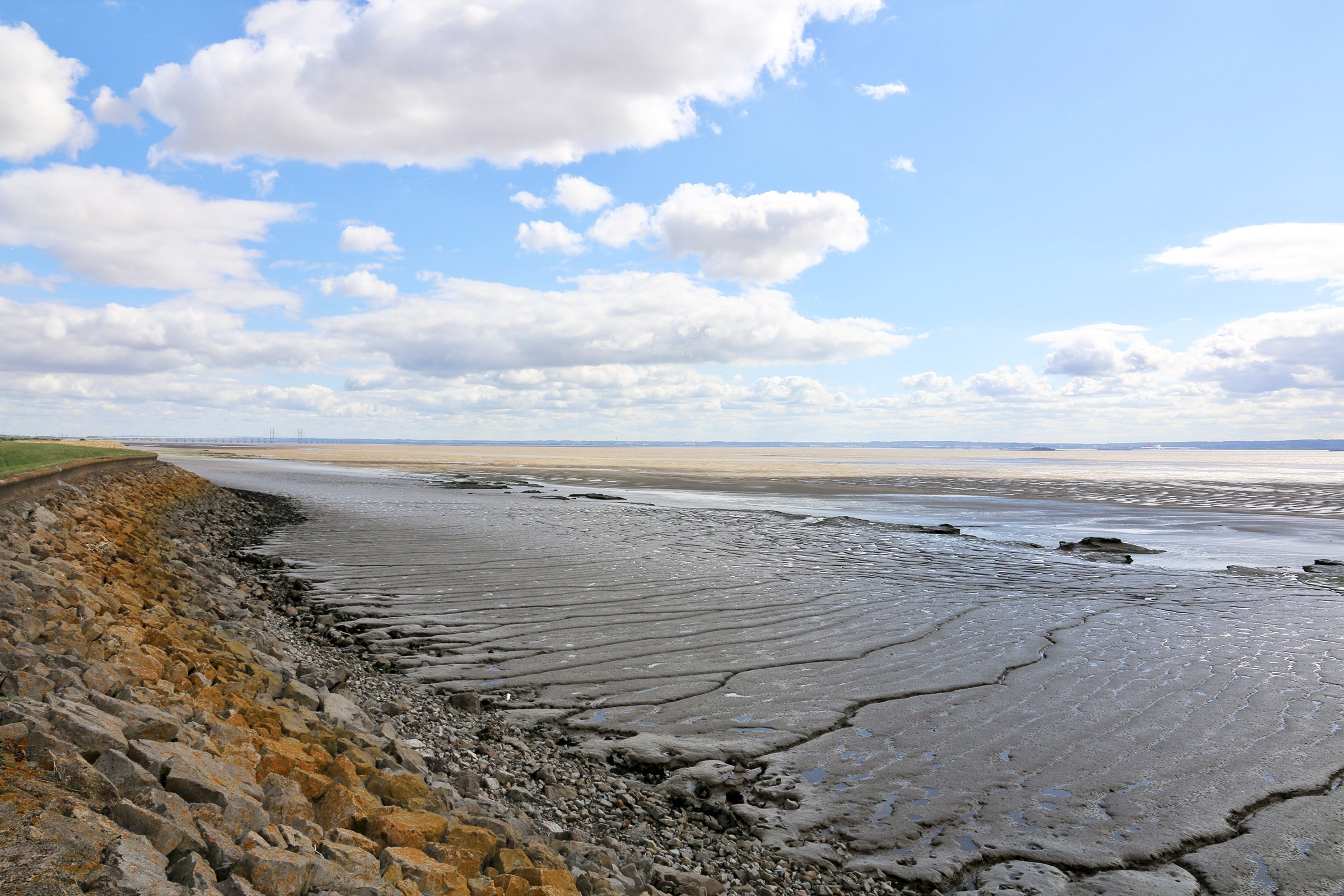
Plastic waste from a nearby city has led to a blockage in a river, causing water levels in a wetland to drop significantly. This has exposed large areas of mudflats, reducing aquatic plant populations from lack of water.
Which description best explains how plastic pollution from humans could affect the wetland ecosystem?
The jaguar is a top predator in South American rainforests, controlling populations of herbivores like capybaras and deer. In some areas, deforestation has led to a decline in jaguar populations. Without jaguars, the herbivore populations have grown unchecked.
How might this affect the ecosystem?
In Florida’s freshwater wetlands, alligators dig deep "gator holes" that retain water during dry seasons (long periods of time where there is very little rain). This provides a habitat for fish, amphibians, and birds. However, trophy hunting has reduced alligator populations in some areas.
How does this human activity likely affect the wetland ecosystem?
PART A
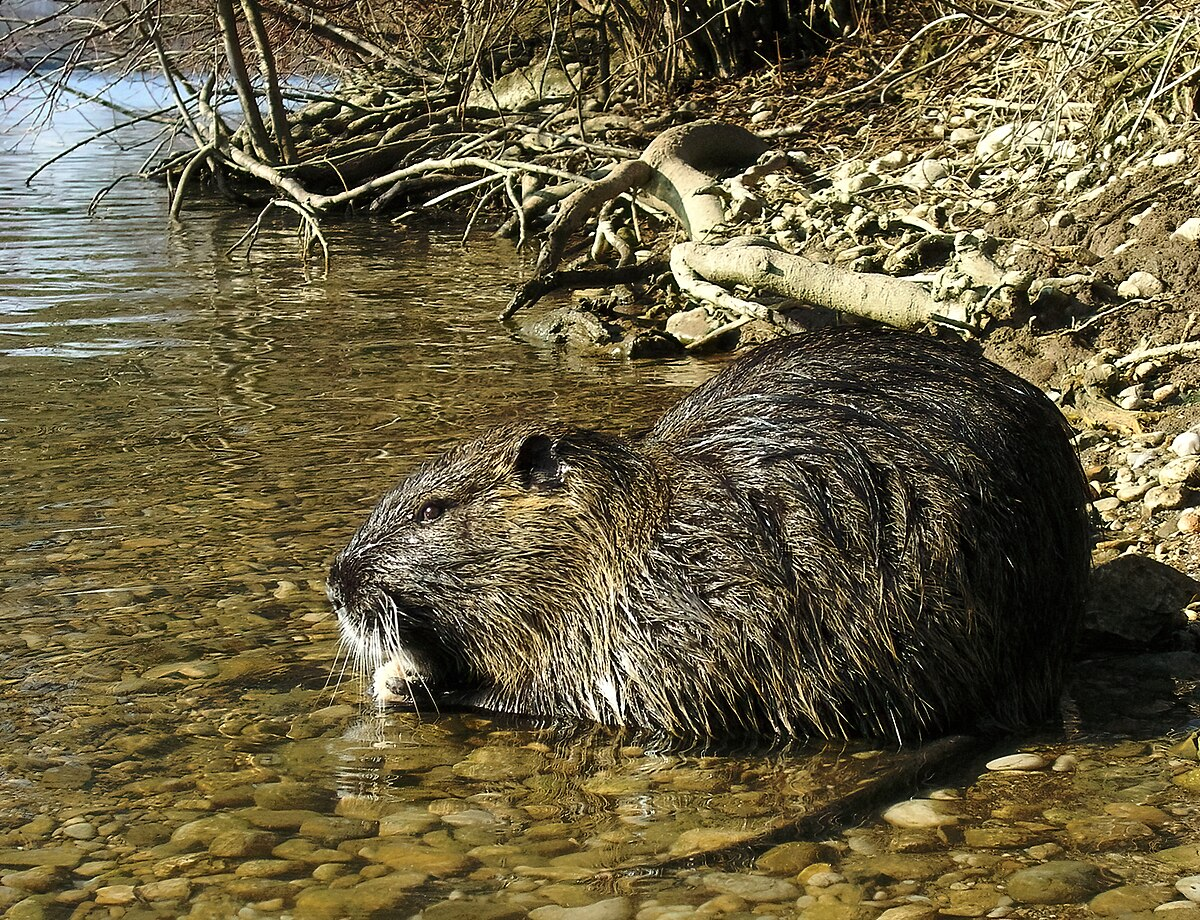
How do nutria negatively impact Texas wetland ecosystems?
The Houston toad (Anaxyrus houstonensis) is a rare amphibian native to sandy soils and pine forests in central Texas. It relies on seasonal pools of water for breeding and is highly sensitive to changes in its habitat.
Which human activity would most likely decrease the ability of the Houston toad to survive?
A severe flood occurs in a grassland ecosystem, submerging the soil and washing away many plants.
Which description best explains how this would affect the ecosystem in that area?
Overharvesting of shrimp in the Gulf of Mexico has led to a significant decline in shrimp populations because they are caught faster than they can reproduce. Shrimp serve as a food source for many fish, birds, and marine mammals in the region.
Which statement describes the most likely effect that shrimp overharvesting will have on this ecosystem?
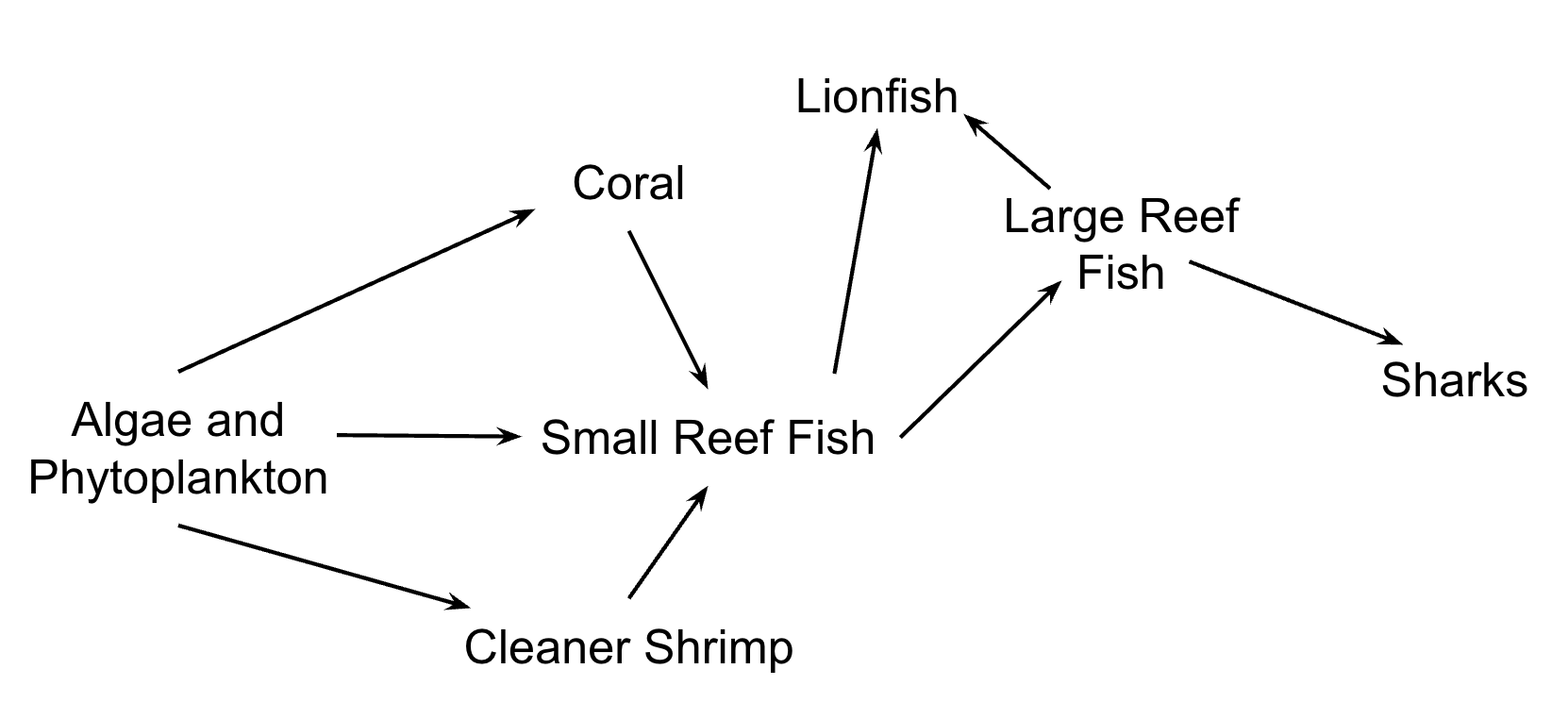
The invasive lionfish, a predator with no natural enemies in the Atlantic Ocean, has rapidly spread across coral reef ecosystems, where it consumes large amounts of the reef fish population.

Based on the food web, how would an increase in the lionfish population most likely affect this ecosystem?
PART B
What evidence supports the answer to Part A?
PART B
What evidence supports the answer to Part A?