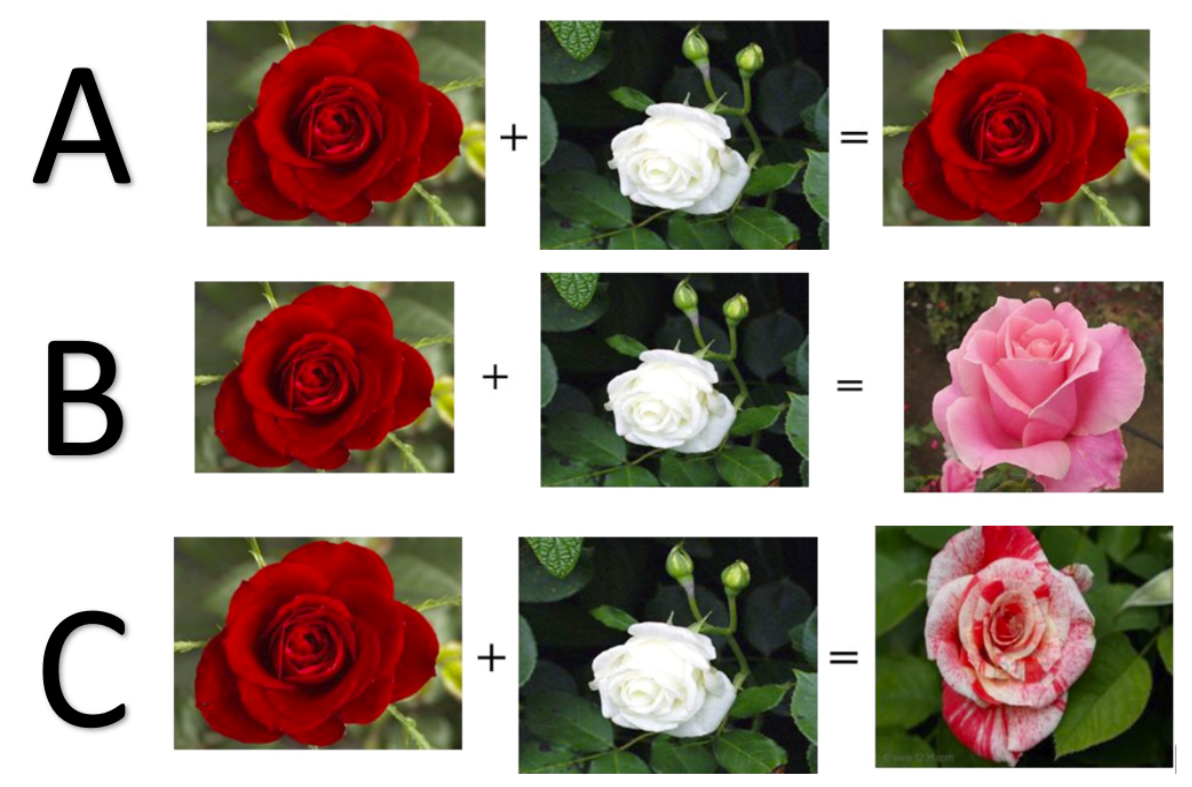
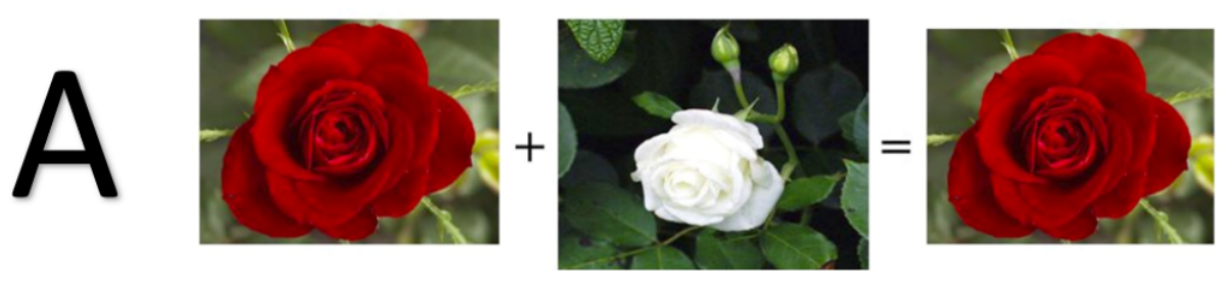
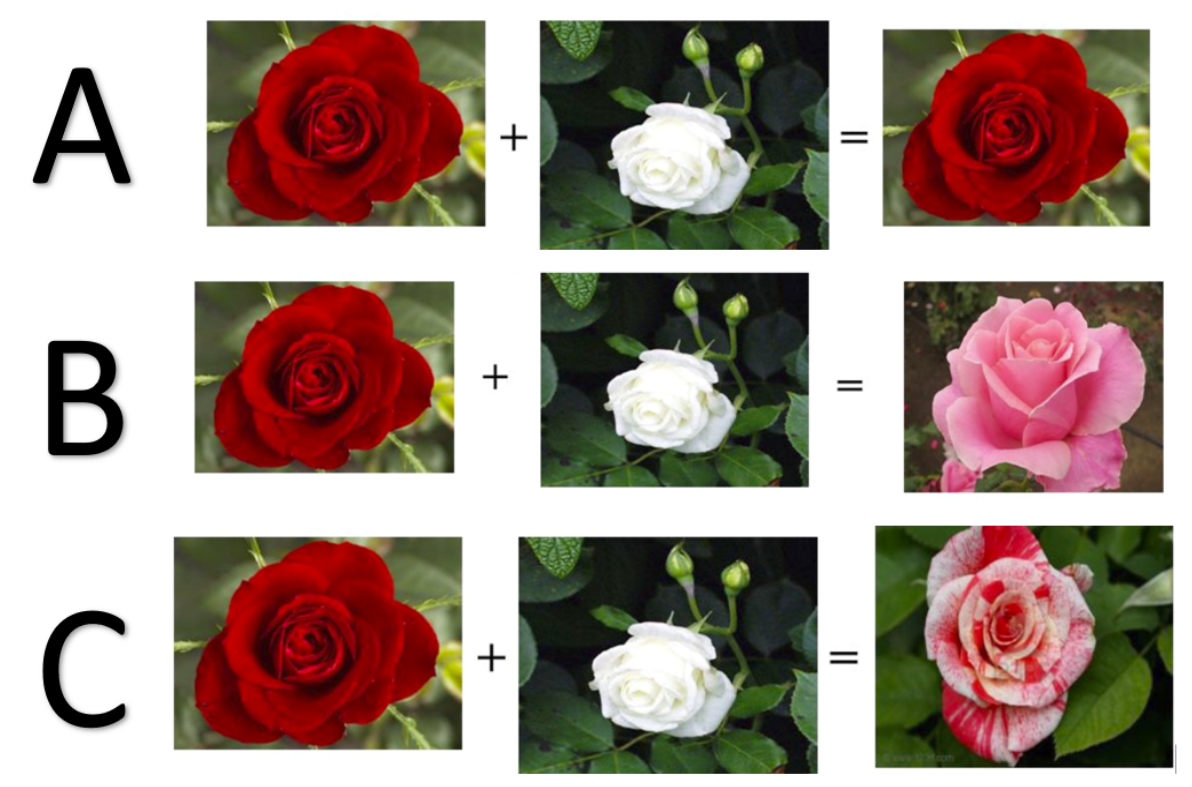
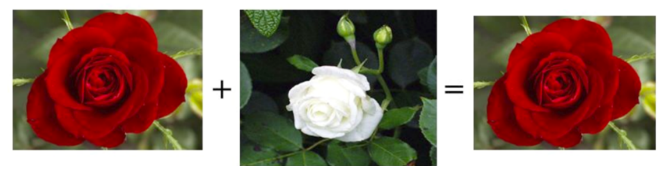
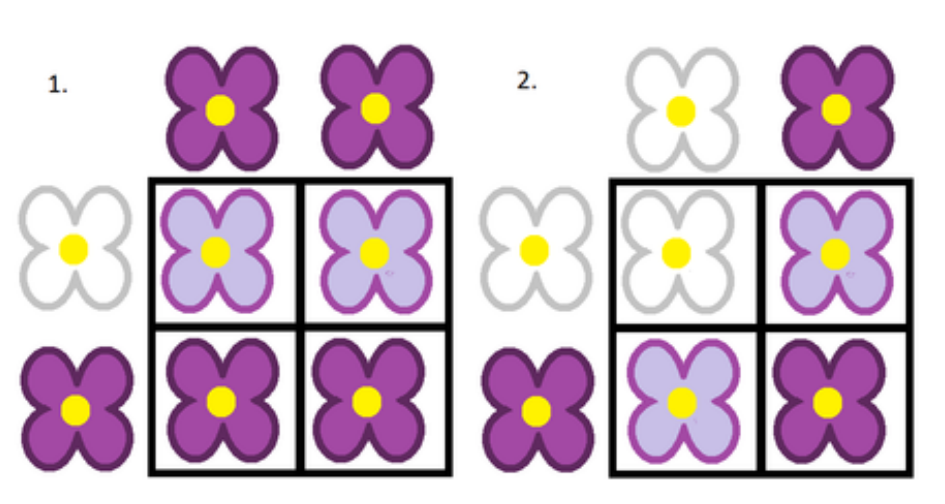
In EXAMPLE A, a red flower (RR) and a white flower (rr) make a red flower (Rr). Which color, red or white, is dominant and how do you know?
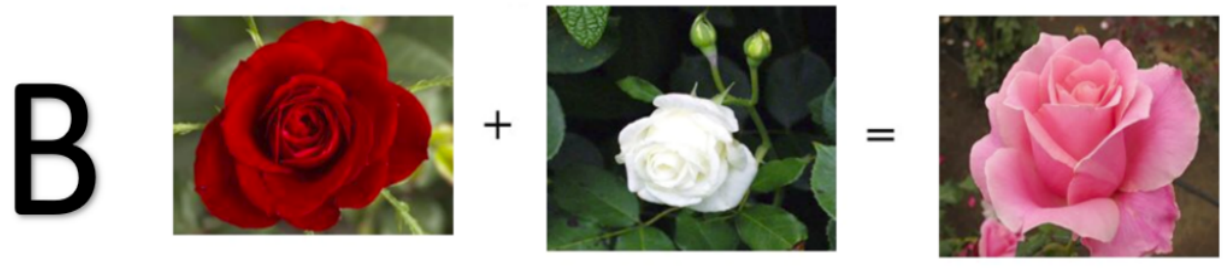
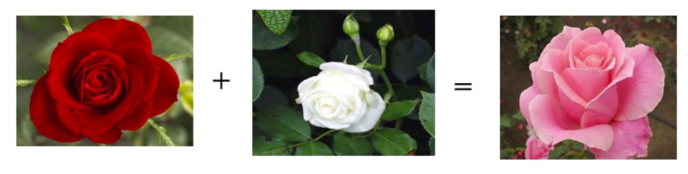
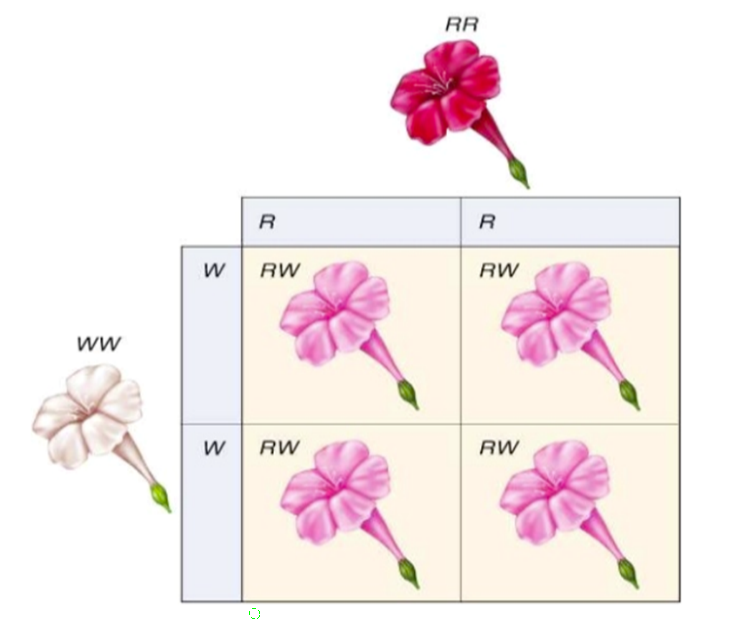
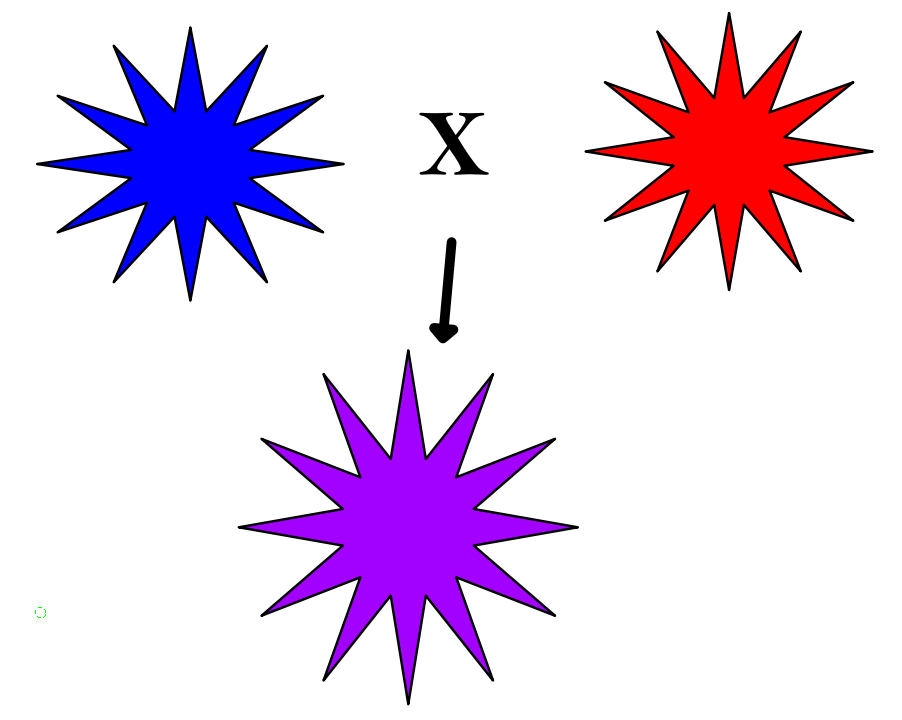
In EXAMPLE B, a red flower and a white flower make a pink flower. Which color, red or white, is dominant and how do you know?
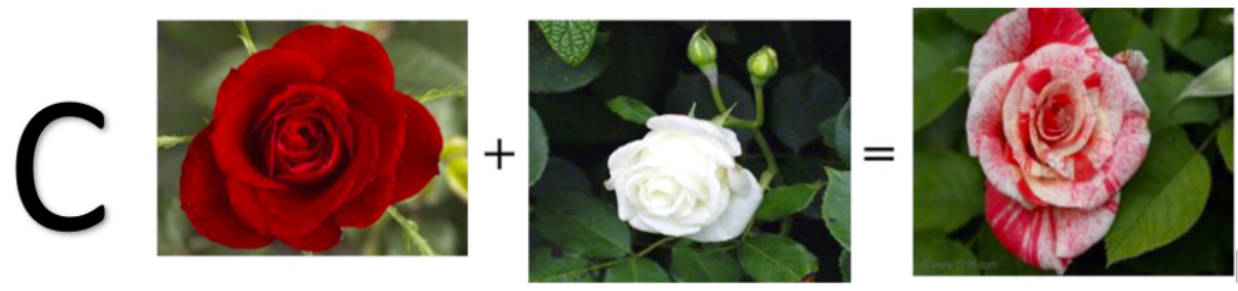
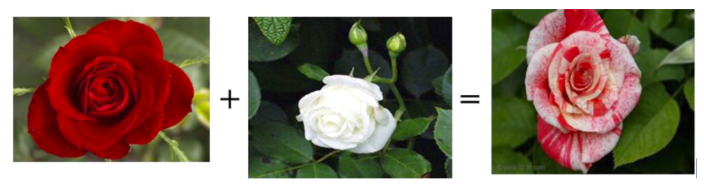
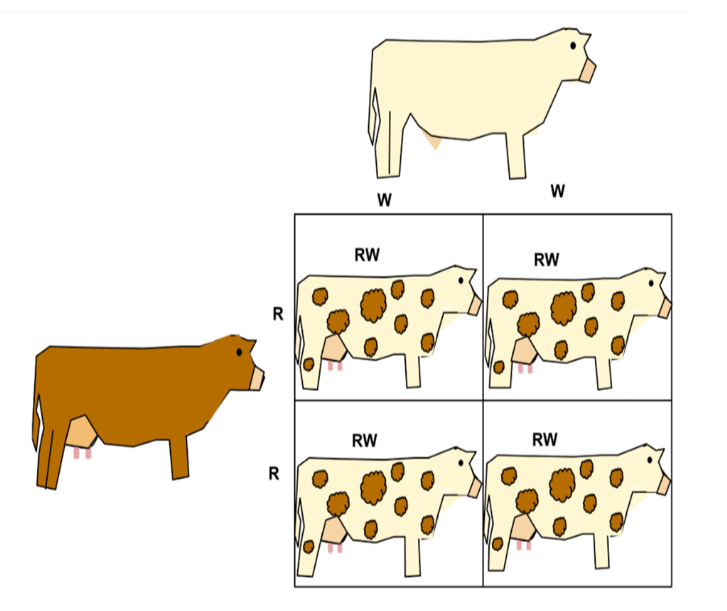
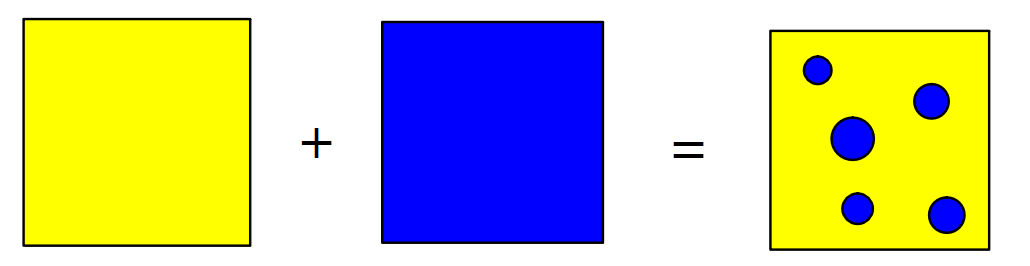
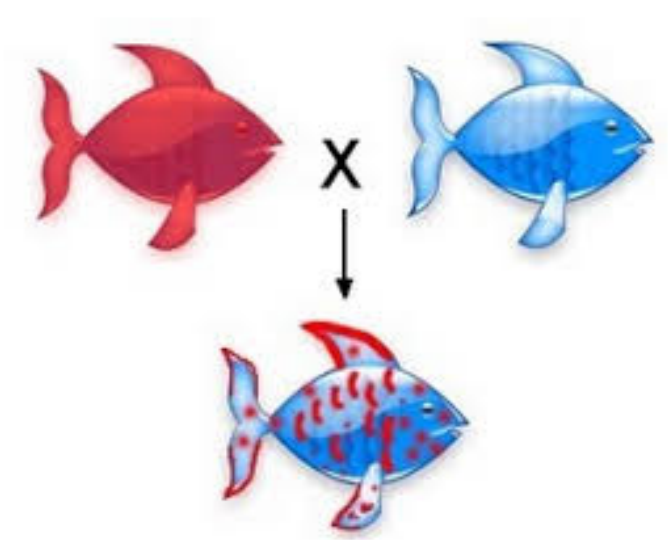
In EXAMPLE C, a red flower and a white flower make a red and white spotted flower. Which color, red or white, is dominant and how do you know?
Based on the pictures, which of the examples follow the normal rules of dominant and recessive genes and why?
Match each item with the correct pattern of inheritance.
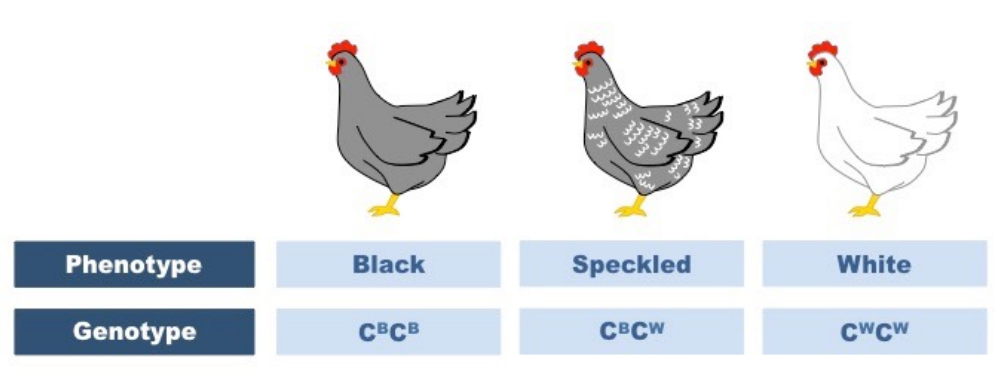
When both alleles are equally dominant and create a spotted or striped phenotype when an organism is HETEROZYGOUS.
When one allele is dominant and completely masks the effect of the other allele (recessive) when an organism is HETEROZYGOUS.
When neither allele
is completely dominant and MIX to create a new phenotype when an organism is HETEROZYGOUS.
Complete Dominance (3 items)
Incomplete Dominance (3 items)
Co-Dominance (3 items)
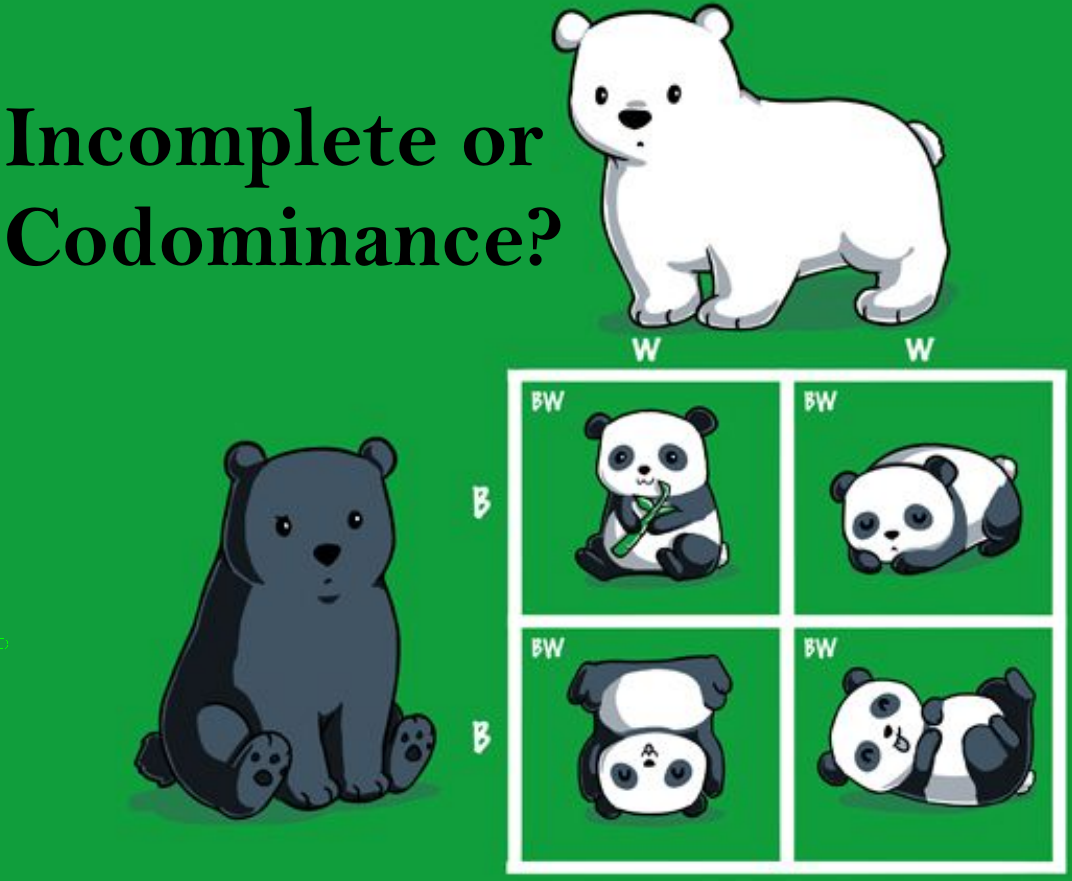
Incomplete or Co-Dominance?