Below is a table that shows the organelles present in various cells.
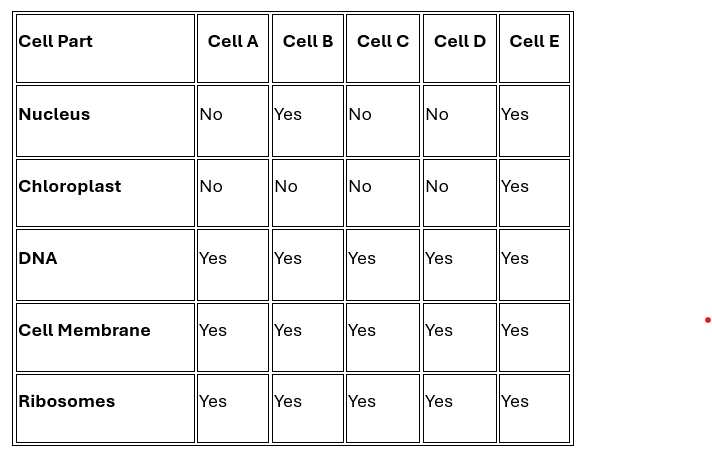
Which cells above are prokaryotes?
Below is a table that shows the organelles present in various cells.
Which cells above are prokaryotes?
Below is a table that shows the organelles present in various cells.
Which cells above are prokaryotes?
Below is a table that shows the organelles present in various cells.
Which cells above are eukaryotes?
Below is a table that shows the organelles present in various cells.
Which cells above are plant cells?
Which of the following are present in all cells (Both Prokaryotes and Eukaryotes) Select 3
Sort the statements and being true for mitochondria, true for chloroplasts, or true for both mitochondria and chloroplasts
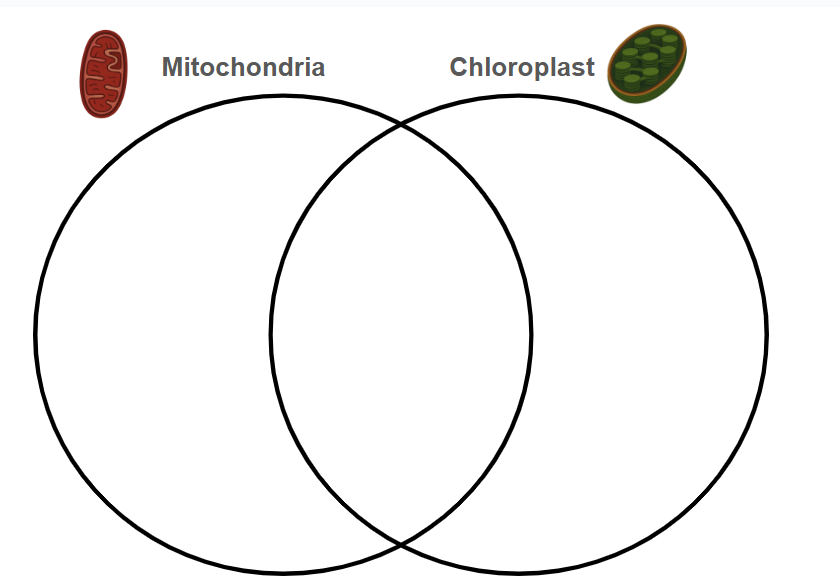
Breaks down carbohydrates to release energy
Involves carbohydrates
Uses suns energy to make carbohydrates
Sort the statements and being true for mitochondria, true for chloroplasts, or true for both mitochondria and chloroplasts
Site of photosynthesis
Animal cells have these
Plant Cells have these
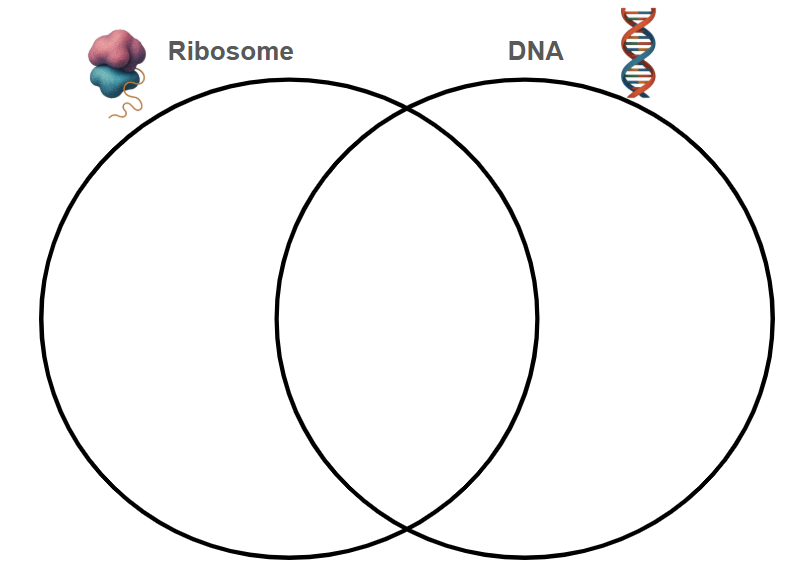
Involved in protein synthesis
Information for making proteins
Actually make the proteins
Match the organelle to its correct function.
| Draggable item | arrow_right_alt | Corresponding Item |
|---|---|---|
Mitochondria | arrow_right_alt | Contains chlorophyll, a green pigment that traps energy from sunlight and gives plants their green color. |
Nucleus | arrow_right_alt | Organelle responsible for breaking down food to release energy… Found in both plant and animal cells! |
Chloroplast | arrow_right_alt | The sites of protein synthesis (synthesis means to make). Joining together amino acids to build proteins. |
Ribosomes | arrow_right_alt | Organelle that manages or controls all the cell functions in a eukaryotic cell. Stores genetic material/DNA. |
Place the words in the appropriate column(s) to indicate whether the following organelles are found in plant cells, animal cells, or both!
DNA
Nucleus
Ribosome
Cell Membrane
Mitochondria
Chloroplast
Cell Wall
Plant Cell Only
(2 items)
Plants and Animal Cells
(5 items)
explains how larger prokaryotes engulfed smaller prokaryotes to form membrane bound organelles, while explains how membrane infoldings gave rise to membrane bound organelles
Sort the membrane bound organelles based off or their origins.
Mitochondria
Nucleus
Golgi Body
Endoplasmic Reticulum
Chloroplast
Vacuole
Made by membrane infoldings (4 total)
Made by endosymbiosis (2 total)
The diagram shows a prokaryote, chloroplast, and a mitochondrion with labeled parts. The relative sizes of the organelles and the prokaryotic cell in the drawing are accurate.

Explain the endosymbiotic theory and identify two ways the diagrams support this theory.