Twa kɔ nsɛm atitiriw so
Log in
Sign up for FREE
arrow_back
Laabri

Copy of DNU Monday (03/02) - Evolution Quiz Review (use for remediation?) (5/2/2026)

star
star
star
star
star
Last updated about 3 hours ago
24 Nsɛmmisa
Ɛhia
1
B.C.7A
Ɛhia
1
B.C.7A
1
Ɛhia
1
Ɛhia
1
B.C.7A
1
1
Ɛhia
1
Ɛhia
1
Ɛhia
1
1
Ɛhia
1
Ɛhia
1
1
1
1
Ɛhia
1
1
Ɛhia
1
1
Asemmisa {{asɛmmisaAhyɛnsode}}
1.

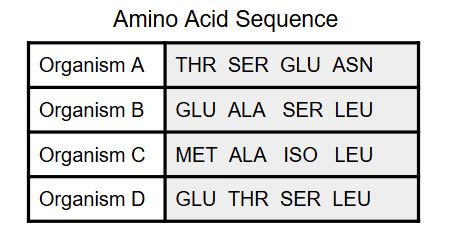
Scientists can determine relatedness among organisms by comparing partial amino acid sequences. The table (below) shows four partial amino acid sequences from four different organisms.

Which organism is the LEAST related to the other three organisms?

Select your answer on the diagram below:
Asemmisa {{asɛmmisaAhyɛnsode}}
2.

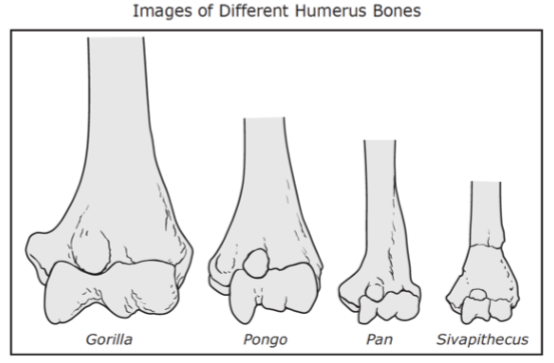
The image below shows part of the humerus bone (arm bone) in different genera of primates.

Which statement is best supported by the observable structures of the different humerus bones?

Asemmisa {{asɛmmisaAhyɛnsode}}
3.

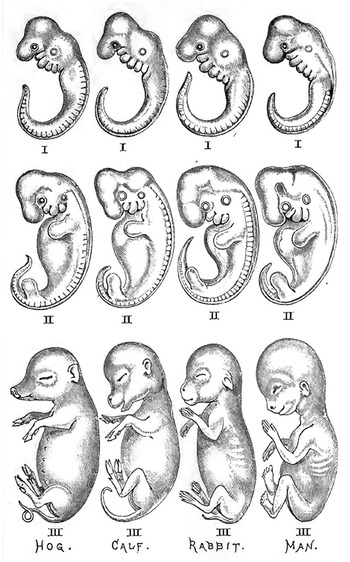
Which of the following best explains the significance of the embryological similarities observed in the developing embryos of a hog, calf, rabbit, and human as shown in the image?

Asemmisa {{asɛmmisaAhyɛnsode}}
4.

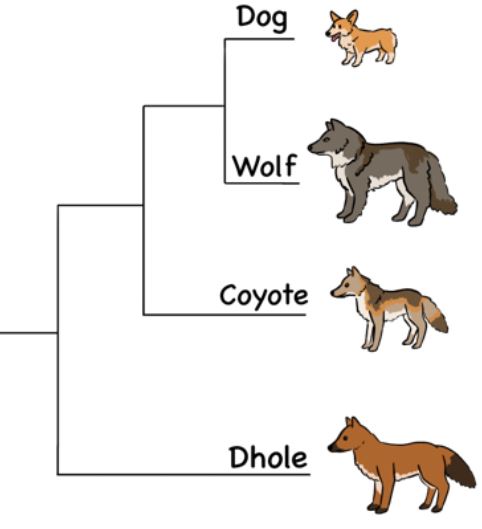
On the diagram below, select the common ancestor for the Dog and Coyote:

Asemmisa {{asɛmmisaAhyɛnsode}}
5.

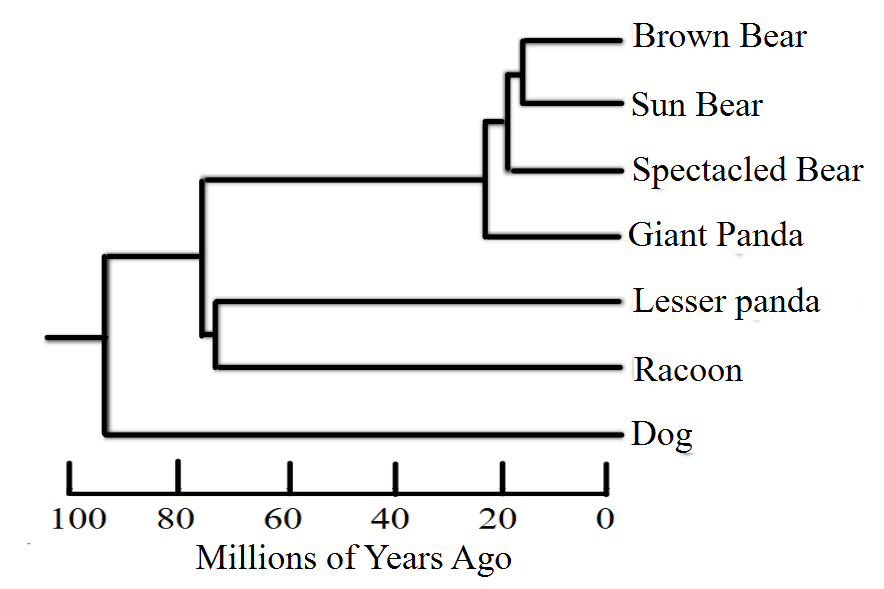
An analysis of DNA and RNA sequences can be used to classify organisms. A dendrogram, such as the one shown below, is based on molecular data. It can be used to represent evolutionary relationships within a group of organisms that are hypothesized to have descended from a common ancestor.

Which statement is best supported by the information in this dendrogram?

Asemmisa {{asɛmmisaAhyɛnsode}}
6.

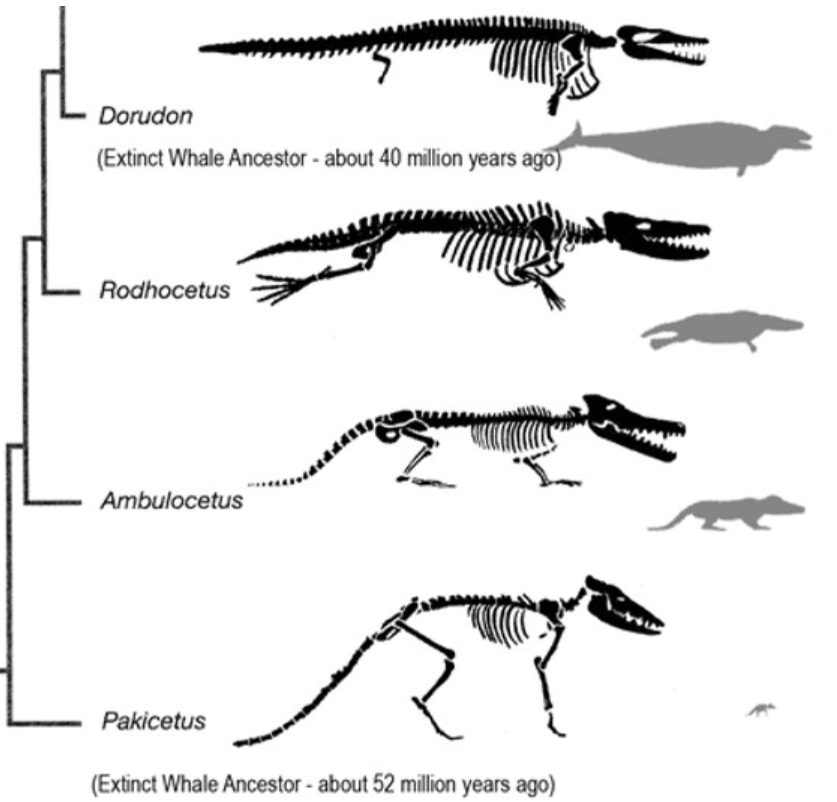
Which of the following observations provides the best evidence that Pakicetus is an ancestor of Rodhocetus in the evolutionary transition toward modern whales?

Asemmisa {{asɛmmisaAhyɛnsode}}
7.

The tailbone gets its name from what it used to be. It’s a remnant of the tail we used to have. Humans evolved not to have tails a long time ago. The coccyx is a vestigial piece of your body — part of our anatomy that isn’t necessary for us to survive, like evolutionary leftovers from our past.

Which of the following statements best explains the presence of the coccyx (tailbone) as a vestigial structure in humans?

Asemmisa {{asɛmmisaAhyɛnsode}}
8.

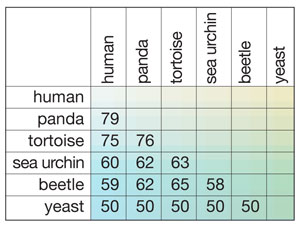
Below are the actual results of the similarities of the protein sequences of the cytochrome b gene (a gene involved in intracellular energy use) from six different species.

Which conclusion about the relatedness is supported by this data?

Asemmisa {{asɛmmisaAhyɛnsode}}
9.

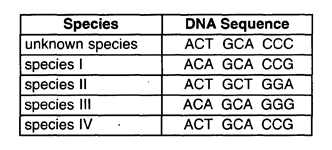
The diagram below shows the relationship between the DNA sequences of 4 species and an unknown species.

Which species is closely related to the unknown species?

Asemmisa {{asɛmmisaAhyɛnsode}}
10.

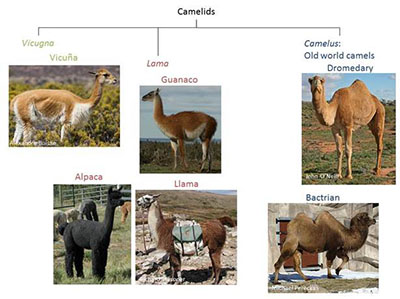
Camelids, including llamas, alpacas, and camels, have unique two-toed feet with soft pads and toenails, rather than hooves, which are well-suited for various terrains, especially soft or rocky ground.

The fact that these mammals have two-toes feet with soft pads and toenails provides evidence that they...

Asemmisa {{asɛmmisaAhyɛnsode}}
11.

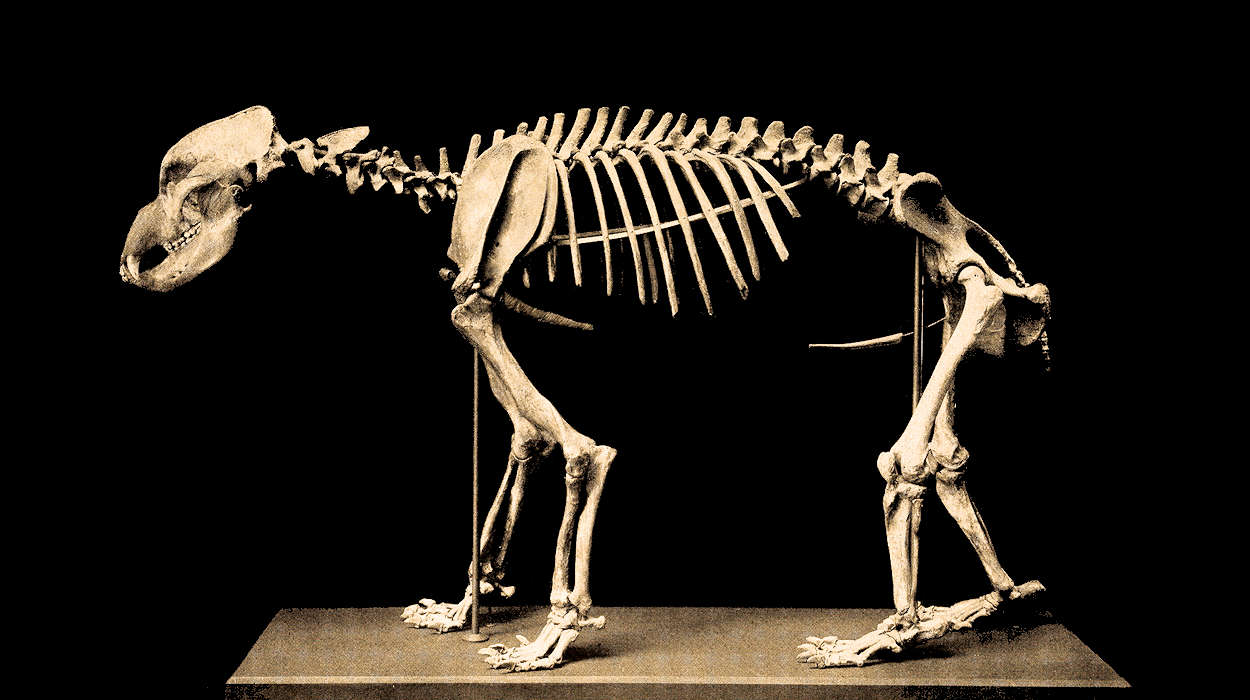
In 2015, paleontologists uncovered a fossilized jawbone of an ancient bear species. Scientist proposed that modern bears evolved from a common ancestor with prehistoric bear species.

Which type of evidence would best support the idea that modern bears and prehistoric bears share a common evolutionary ancestor?

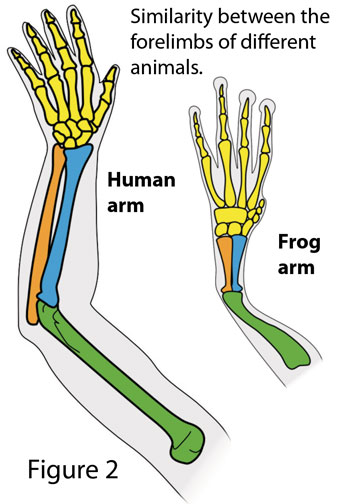
The diagram below shows the structure of a human arm and a frog arm.

Ɛhia
1
Asemmisa {{asɛmmisaAhyɛnsode}}
12.

These structures are known as .

Asemmisa {{asɛmmisaAhyɛnsode}}
13.

A paleontologist was examining a fossil record of lungfish. They noted only few changes to the structures and bones of the fish over the recorded 200 million years.

1) Describe the change:

3) Describe the environment:

Asemmisa {{asɛmmisaAhyɛnsode}}
15.

In the fossil record, which observation would most strongly support the theory of punctuated equilibrium?

Asemmisa {{asɛmmisaAhyɛnsode}}
16.

Which of the following best describes the difference between gradualism and punctuated equilibrium in terms of evolution?

Asemmisa {{asɛmmisaAhyɛnsode}}
17.

Which of the following best explains how punctuated equilibrium contributes to patterns of biodiversity in the fossil record?

Asemmisa {{asɛmmisaAhyɛnsode}}
18.

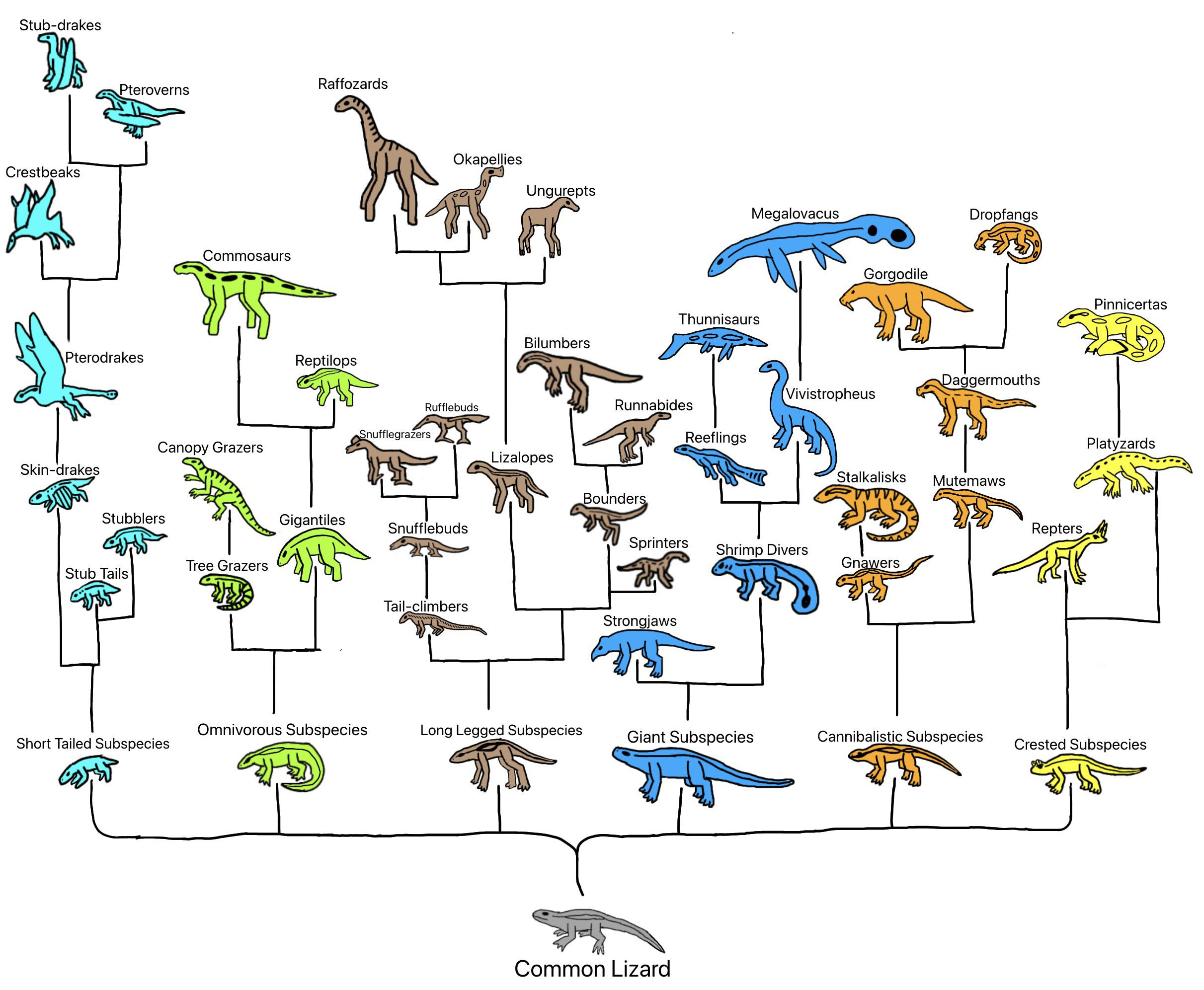
The image below shows recent species originating (starting from) a common ancestor, the common lizard.

Which statement most closely describes how the common lizard has evolved in so many different ways?

Asemmisa {{asɛmmisaAhyɛnsode}}
19.

Which condition is most likely to lead to evolutionary patterns consistent with punctuated equilibrium?

The Pace of Evolution

Ɛhia
1
Asemmisa {{asɛmmisaAhyɛnsode}}
20.

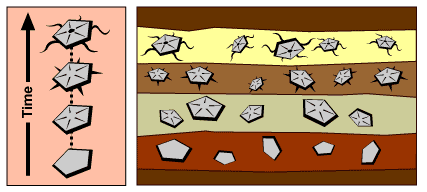
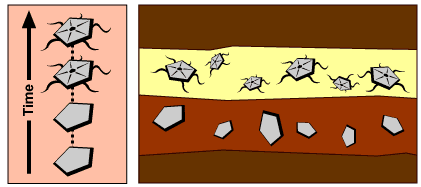
This represents the concept of .

1
Asemmisa {{asɛmmisaAhyɛnsode}}
21.

What role do fossils play in supporting the theory of gradualism?

1
Asemmisa {{asɛmmisaAhyɛnsode}}
22.

This represents the concept of .

Asemmisa {{asɛmmisaAhyɛnsode}}
23.

Scientists have studied the evolutionary timeline of horses. One of the earliest known horse ancestors, Eohippus, lived about 55 million years ago and was roughly the size of a small dog, standing about 30–60 cm (1–2 ft) tall.

Over millions of years, horse species evolved to become larger, with modern horses (Equus ferus caballus) standing up to 1.8 m (5.9 ft) tall. Despite this change in size, scientists have noted that the overall body structure of horses—such as their four-legged stance and hoofed feet—has remained relatively consistent for millions of years.

Which of the following conclusions is supported by this information?

Asemmisa {{asɛmmisaAhyɛnsode}}
24.

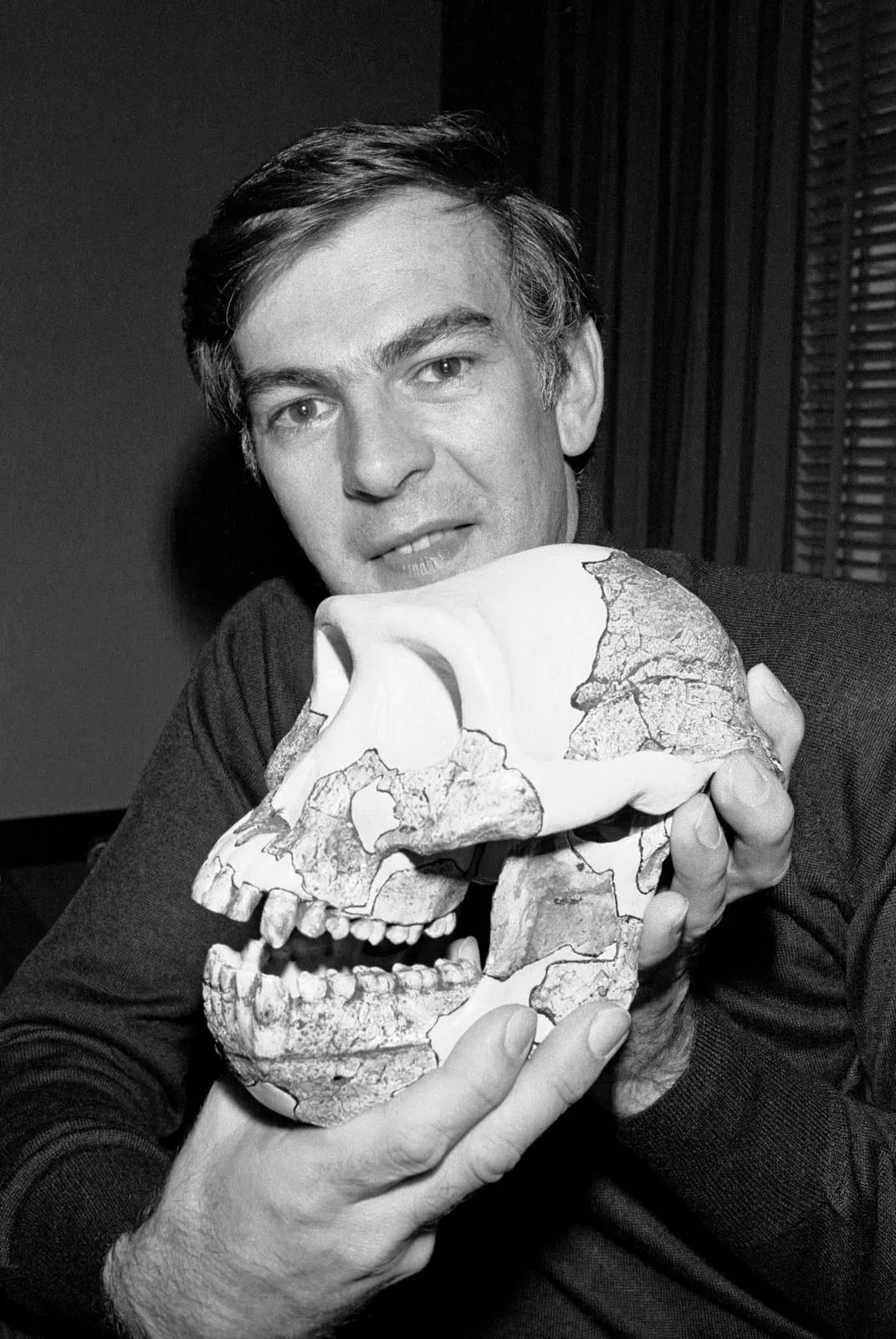
Many fossil discoveries have been made in the past century. In 1974, Donald Johanson discovered Lucy and in 1975, his team found a collection of teeth dated to be about 3.2 million years old.

As he further dug at the site, he noticed that there were gaps in the fossils, which suggested that gradual changes were missing. The sudden bursts of rapid evolutionary changes led to the formation of new species.

Which theory best describes these gaps in the fossil record followed by rapid evolutionary changes?