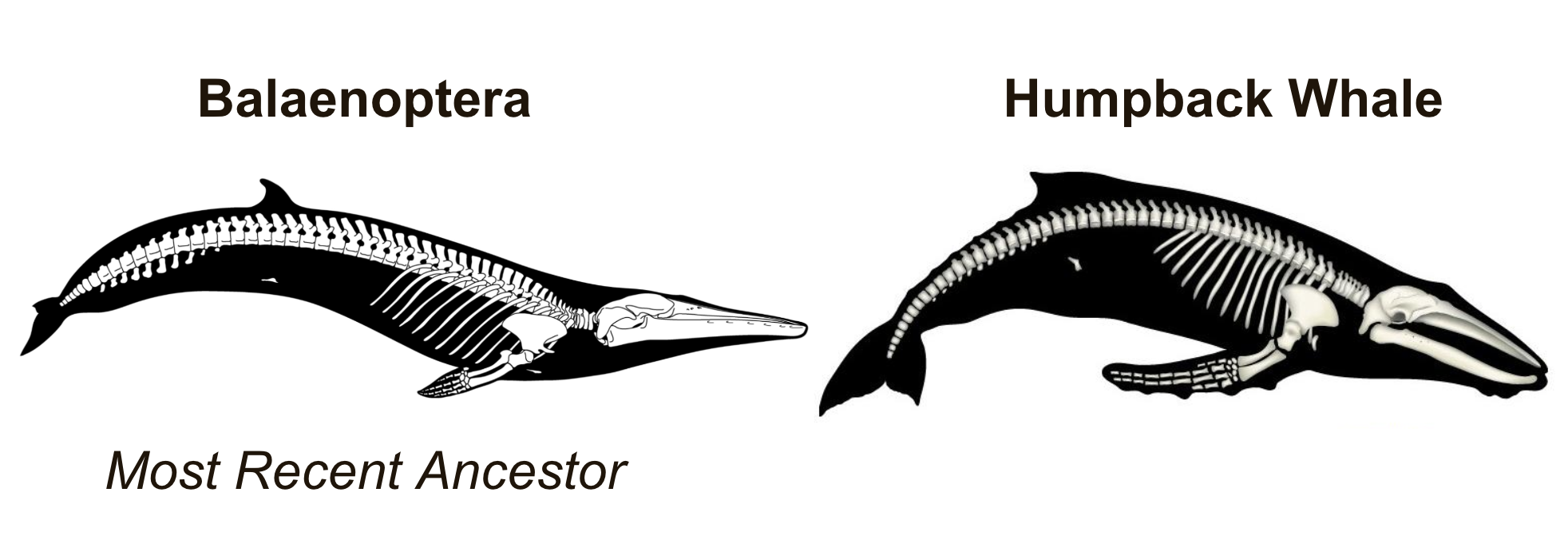
Organize the fossils based on how you think whales evolved to go from land to the sea.
Organize the fossils based on how you think whales evolved to go from land to the sea.
What are you researching in this virtual lab?
Is a whale more related to a shark or to a dog? Use the slideshow presentation above to determine which characteristics are more similar to the shark versus the dog.
Shark | Dog | |
|---|---|---|
Movement | ||
Oxygen | ||
Birth | ||
Forelimbs | ||
Hair |
Is a whale more related to a shark or to a dog? Explain your answer using evidence from the slideshow presentation.
Organize the fossils based on how you think whales evolved to go from land to the sea.
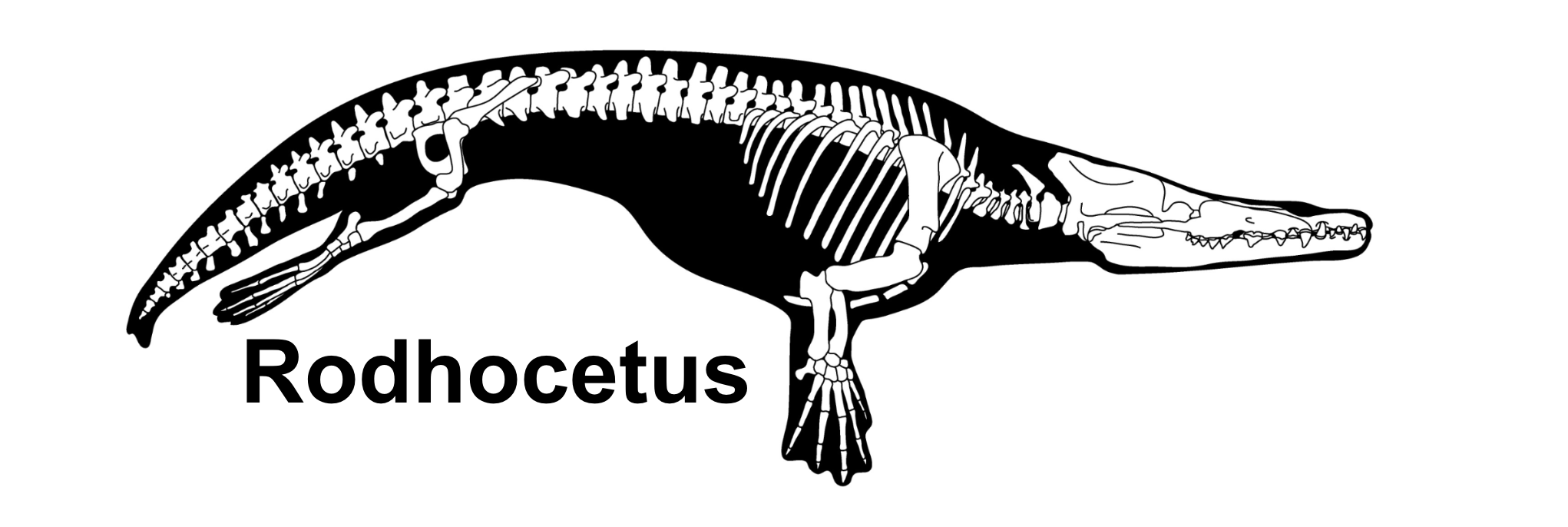
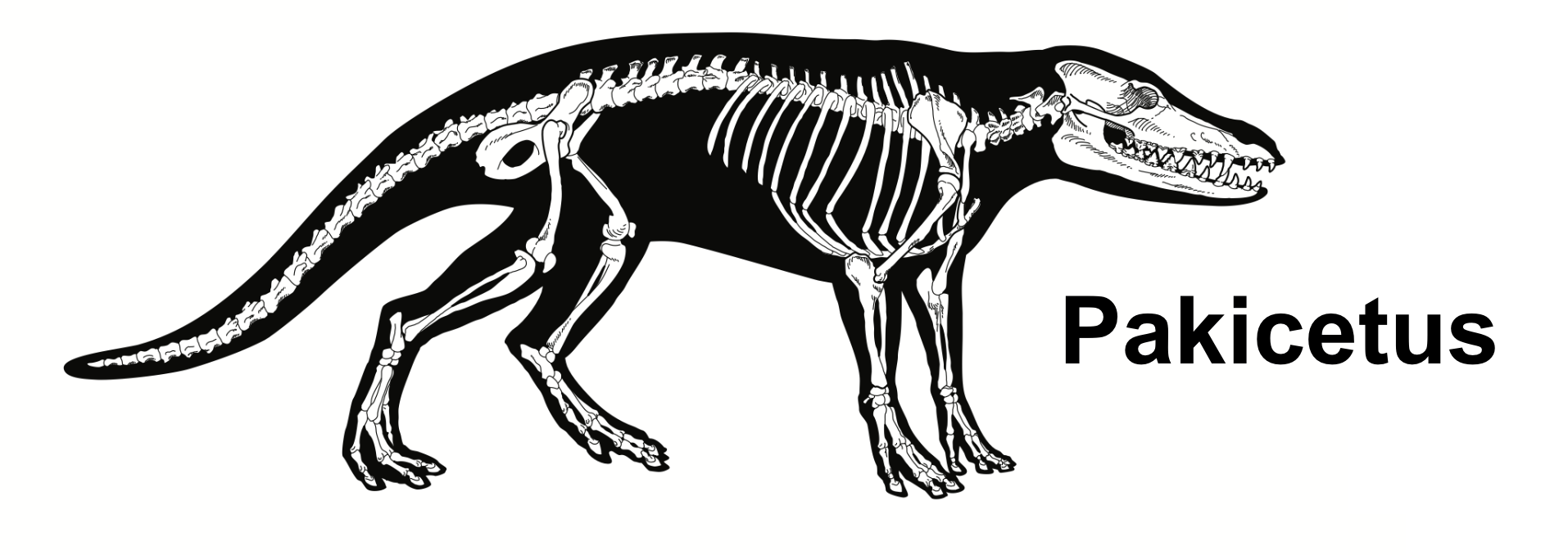
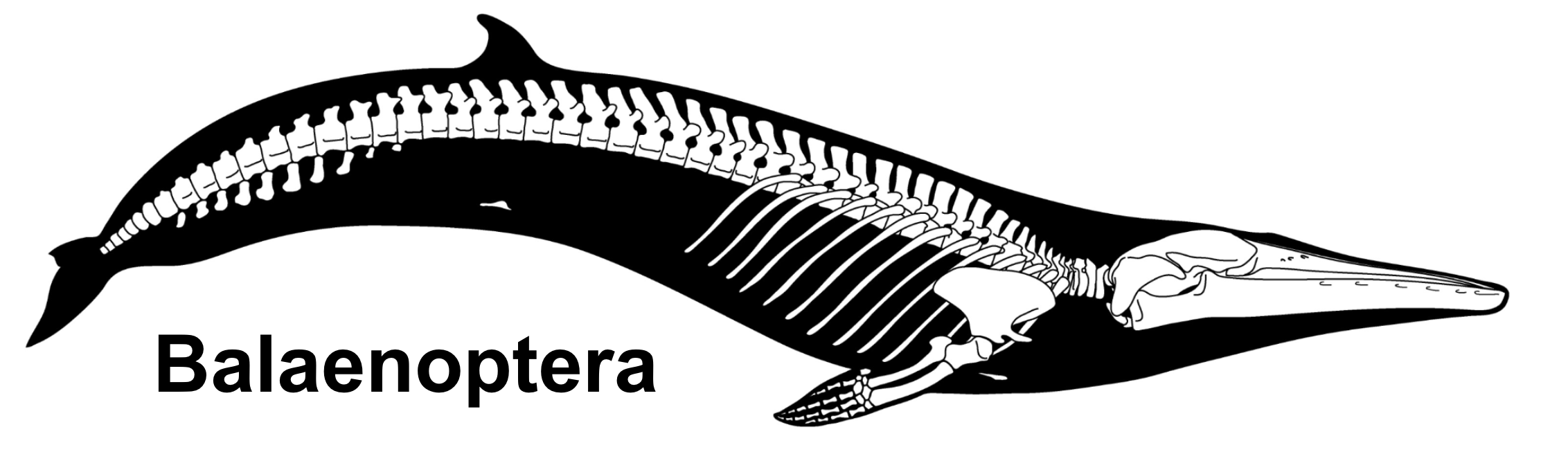
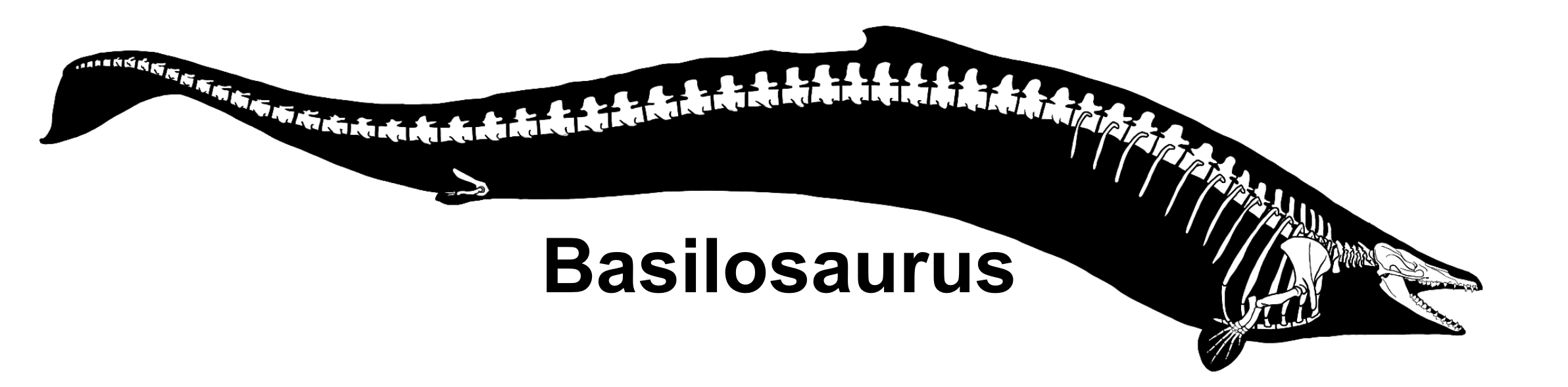
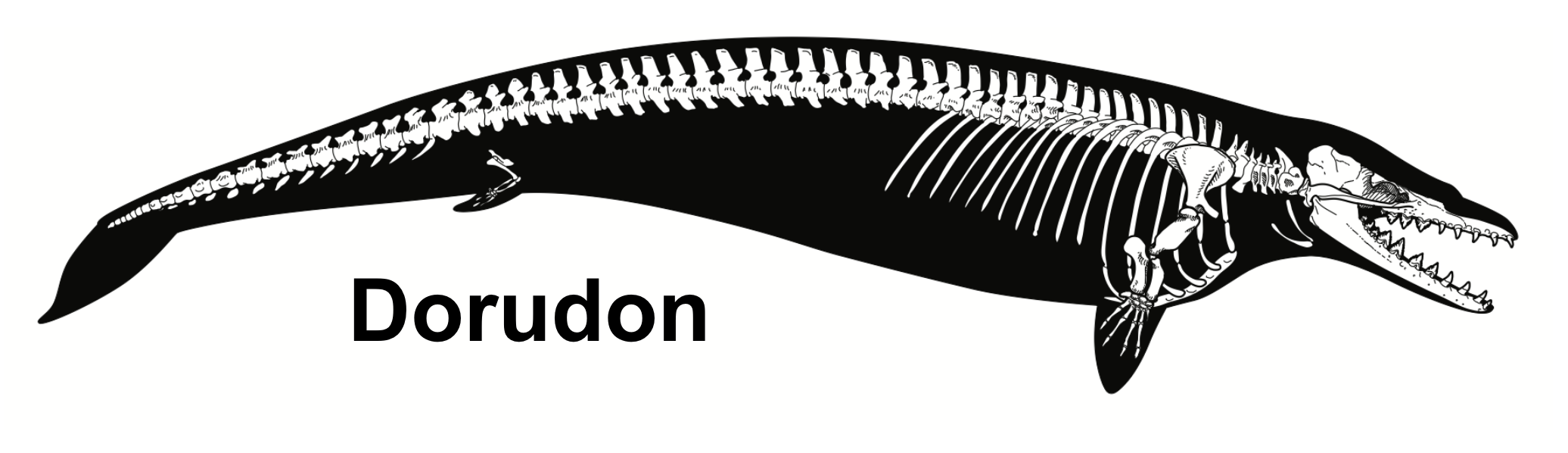
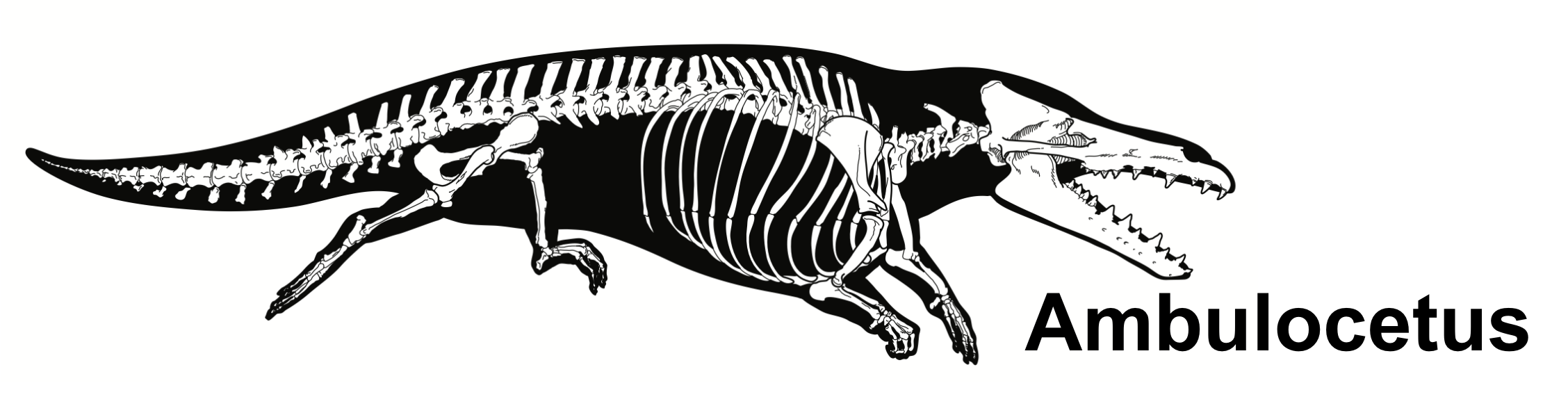
Looking at the most recent ancestor, what body structures do they have in common with the modern-day whale?
Looking at the most oldest ancestor, what body structures are different from the modern-day whale?
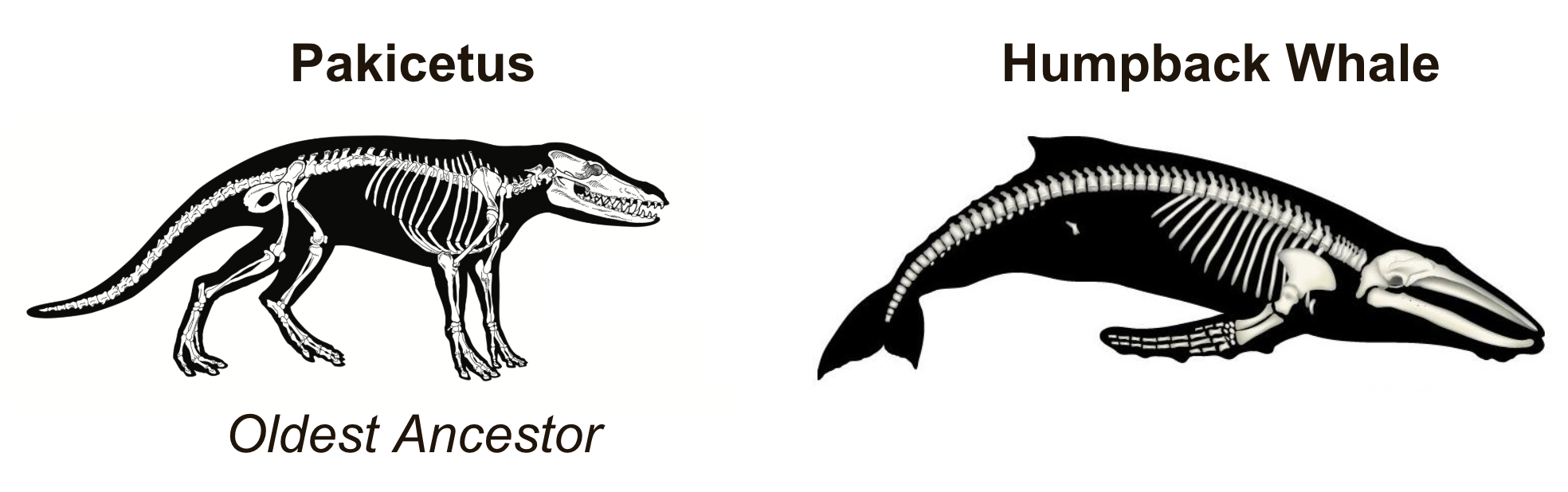
How do you think the environment changed over time to result in these different body structures?
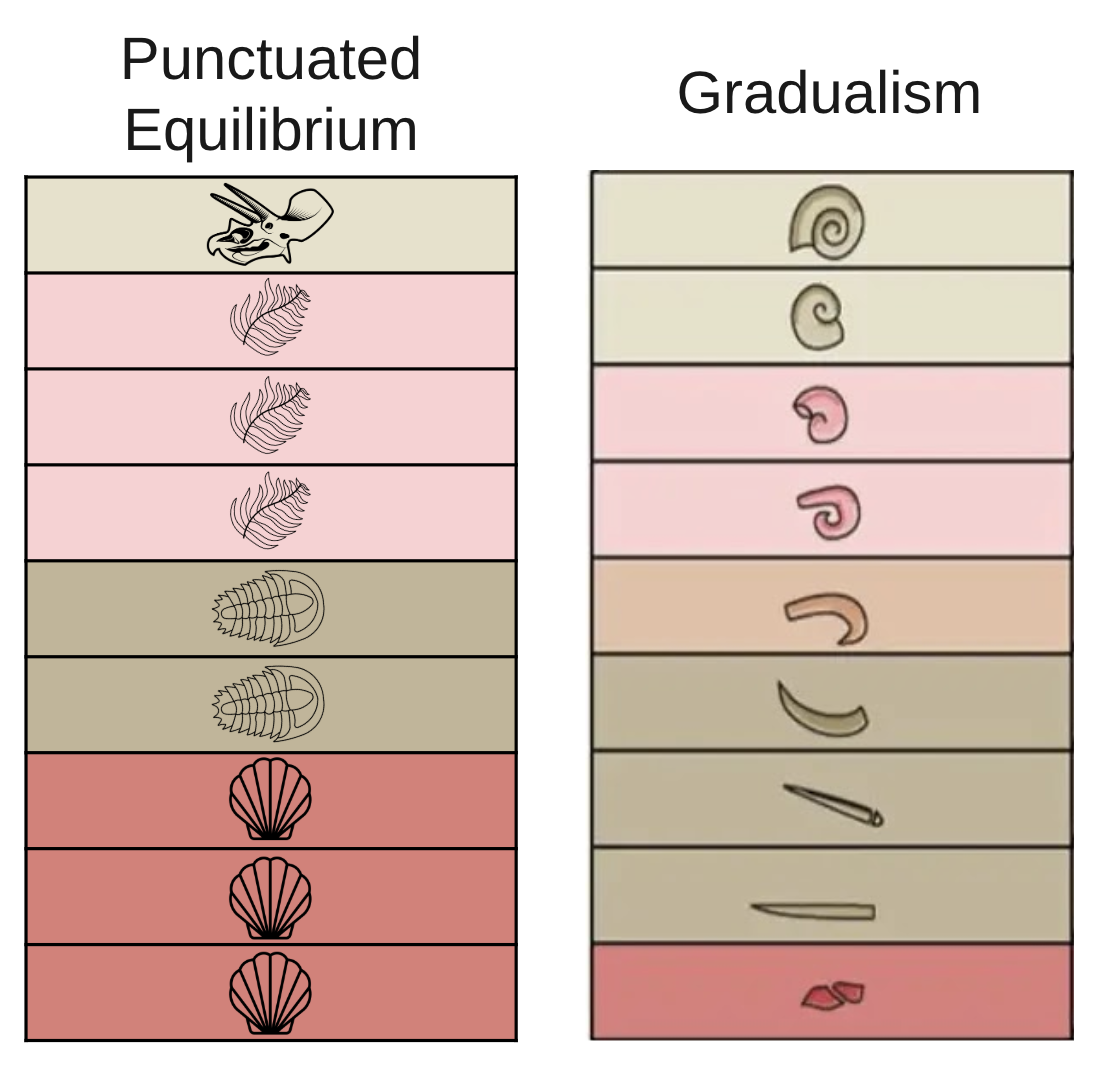
Based on the diagram above, which model best describes the pattern of evolution observed in whales? How do you know?
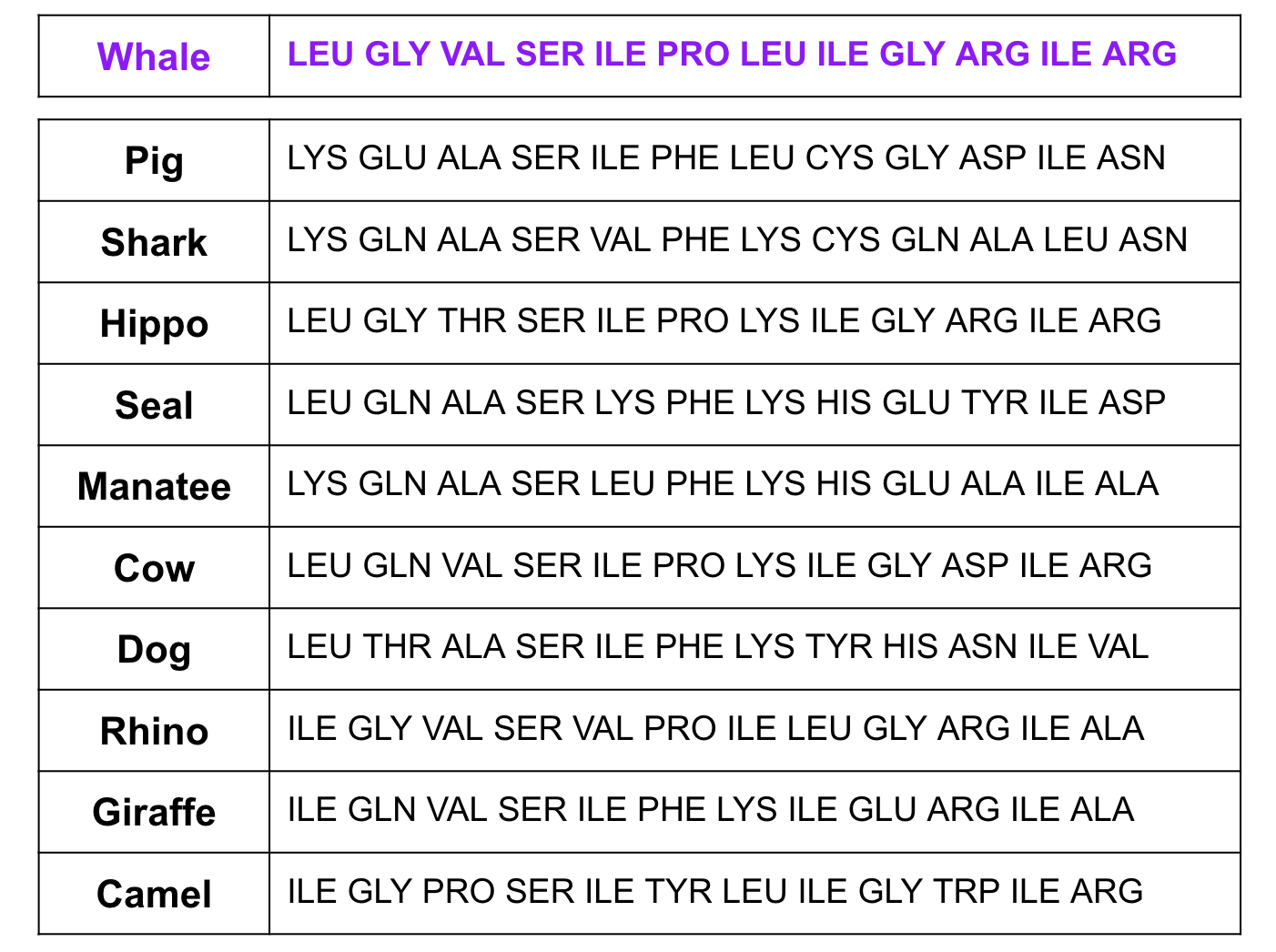
Beta Casein is a protein component in milk. Since all mammals produce milk for their young, scientists can use the gene for Beta Casein to compare similarities in its amino acid sequence across multiple species.

Of the species above, which do you think is the most related to the Humpback Whale? Explain your reasoning.
Compare the Humpback Whale Amino Acid sequence for Beta Casein with the other organisms at your table by counting the number of amino acid similarities in this section of DNA.
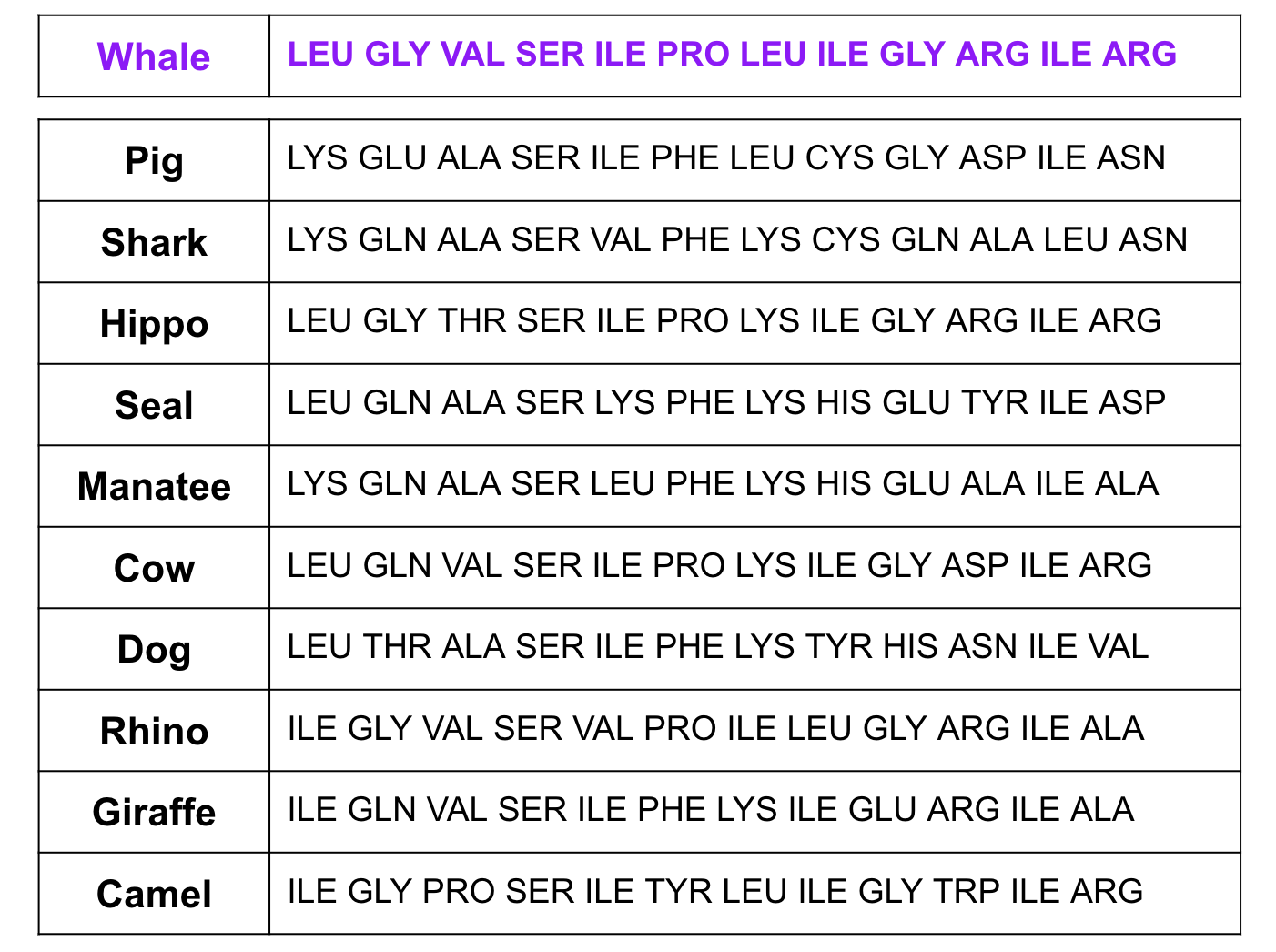
Of the species in the table, which is the most distant living relative to the Humpback Whale? How do you know?
Compare the Humpback Whale Amino Acid sequence for Beta Casein with the other organisms at your table by counting the number of amino acid similarities in this section of DNA.
Of the species in the table, which is the closest living relative to the Humpback Whale? How do you know?
Did whales evolve from land mammals or sea animals? Answer in complete sentences using at least TWO pieces of evidence from section 2, section 3, or section 4.
What is the closest living relative to a whale? What features do they have in common? Answer in complete sentences using at least TWO pieces of evidence from section 2, section 3, or section 4.
Do you think whales are more similar to mammals or to fish? Explain your reasoning.
How many amino acids are there in common between the humpback whale and the pig?
How many amino acids are there in common between the humpback whale and the shark?
How many amino acids are there in common between the humpback whale and the hippo?
How many amino acids are there in common between the humpback whale and the seal?
How many amino acids are there in common between the humpback whale and the camel?
How many amino acids are there in common between the humpback whale and the manatee?