How does transcription and translation result in the expression of genes?
E. coli has three gene that each code for different enzymes that break down lactose. Scientists conducted investigations about the production of these enzymes using samples of E. coli. Their results are shown in the table.
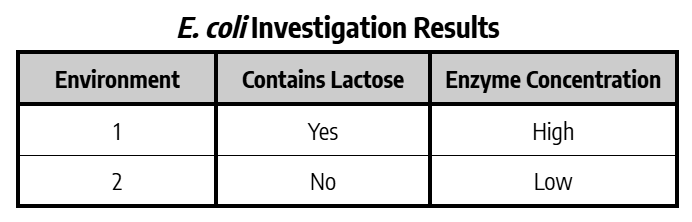
Which conclusion about the production of enzymes can be determined by analyzing the scientists results

Snowshoe hares can be found living in the Rocky Mountains of New Mexico. During the summer months, when there is no snow on the ground, the snowshoe hare’s coat color is typically brown.
During the winter months, when the mountains are covered in snow, the snowshoe hare’s coat is typically white. Which statement describes the genetic basis for the seasonal changes in coat color?
CRISPR-Cas9 is a genetic modification technique that edits parts of the genome of an organism. Using this technique scientists can add, remove, or modify sections of the DNA sequence.
How can scientists use this technique to control gene expression?
The arctic fox inhabits northern areas of North America. The same arctic fox is shown in the drawing at different times of the year.
What causes this change in fur color?
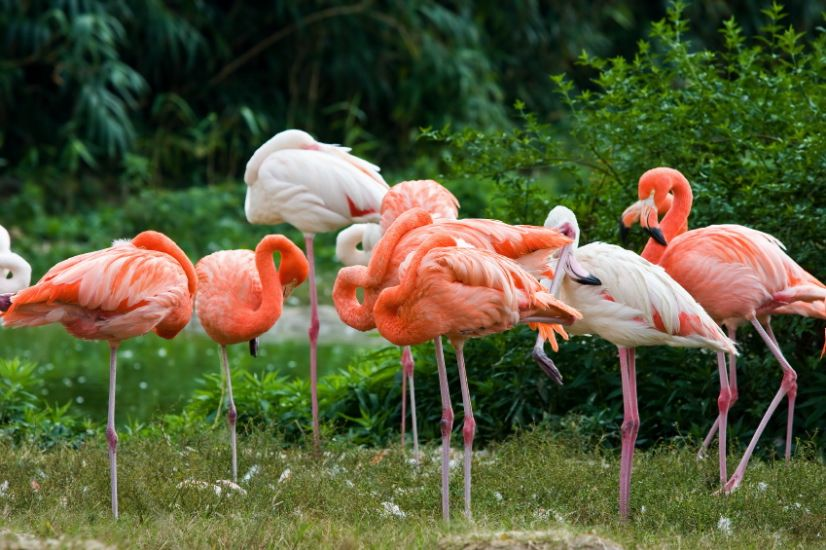
Environmental factors, such as temperature, diet, or light, can cause cells to activate different genes at different times. For example, flamingos have pink feathers whenever they eat shrimp because they produce proteins called carotenoids. However, they turn pale white if they do not eat enough shrimp.
Which of these best explains the effect of environmental factors on gene expression?
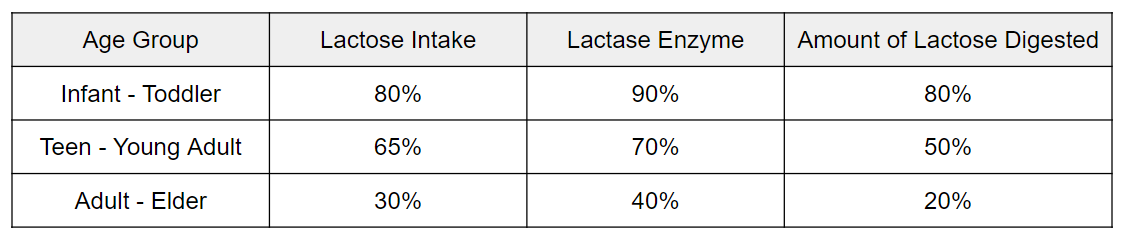
Lactose intolerance is a condition common in adults that makes it more difficult to digest lactose, the sugar found in dairy products. The data table below shows the amount of lactose digested at various age groups.
Based on the information in the table, why is lactose intolerance more common in adults than infants?
pGLO is a gene found in jellyfish that codes for green fluorescent protein (GFP). When GFP is produced, jellyfish will glow under UV light.
Scientists observed a colony of E. coli (bacteria) under UV light and noticed they do not glow. However, once the pGLO gene was introduced to the bacteria, they started to glow.
Which of these best explains why E. coli did not glow before, but started to glow once the pGLO gene was inserted into their DNA?
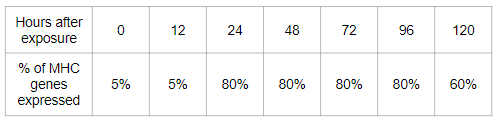
Major Histocompatibility Complex (MHC) genes are expressed in immune cells when the cells are exposed to specific pathogens, allowing the body to recognize infected cells. Approximately 24 hours after exposure to the pathogen, MHC gene expression is at its peak.
The table below shows the levels of MHC genes expressed each hour after exposure.
Student 1: Expression of MHC genes increases after exposure to the pathogen.
Student 2: Expression of MHC genes is consistent.
One student has made a correct claim. Identify which student has made the correct claim AND explain why their claim is best supported by the evidence from the table.
Was there anything else you should've added to your index card?
Any questions you were unsure about and wished you had added notes on?