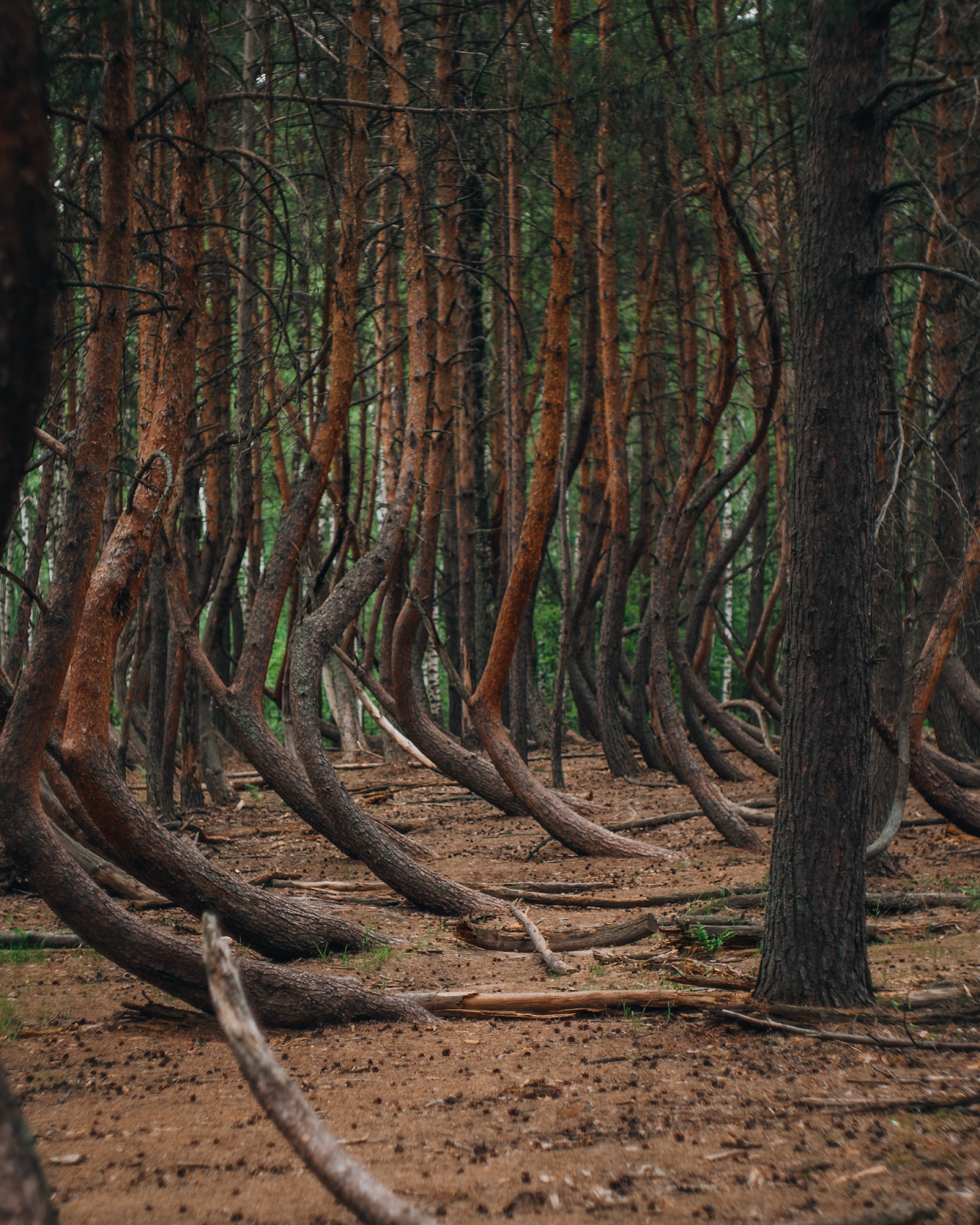
Why do you think some trees grow curved like this?
Why do you think some trees grow curved like this?
What do plants need to take in from the environment to survive? (Select 4)
Why do you think some trees grow curved like this?
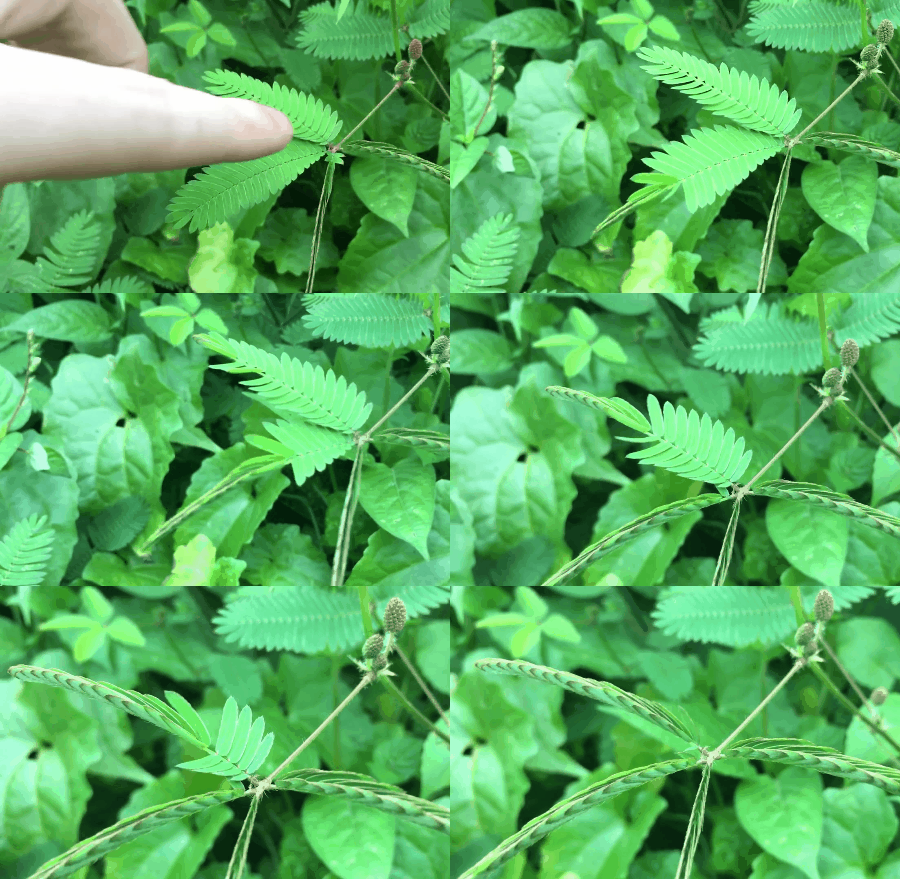
What do you think this plant is responding to?
What part of the plant do you think this is, and what is it doing?
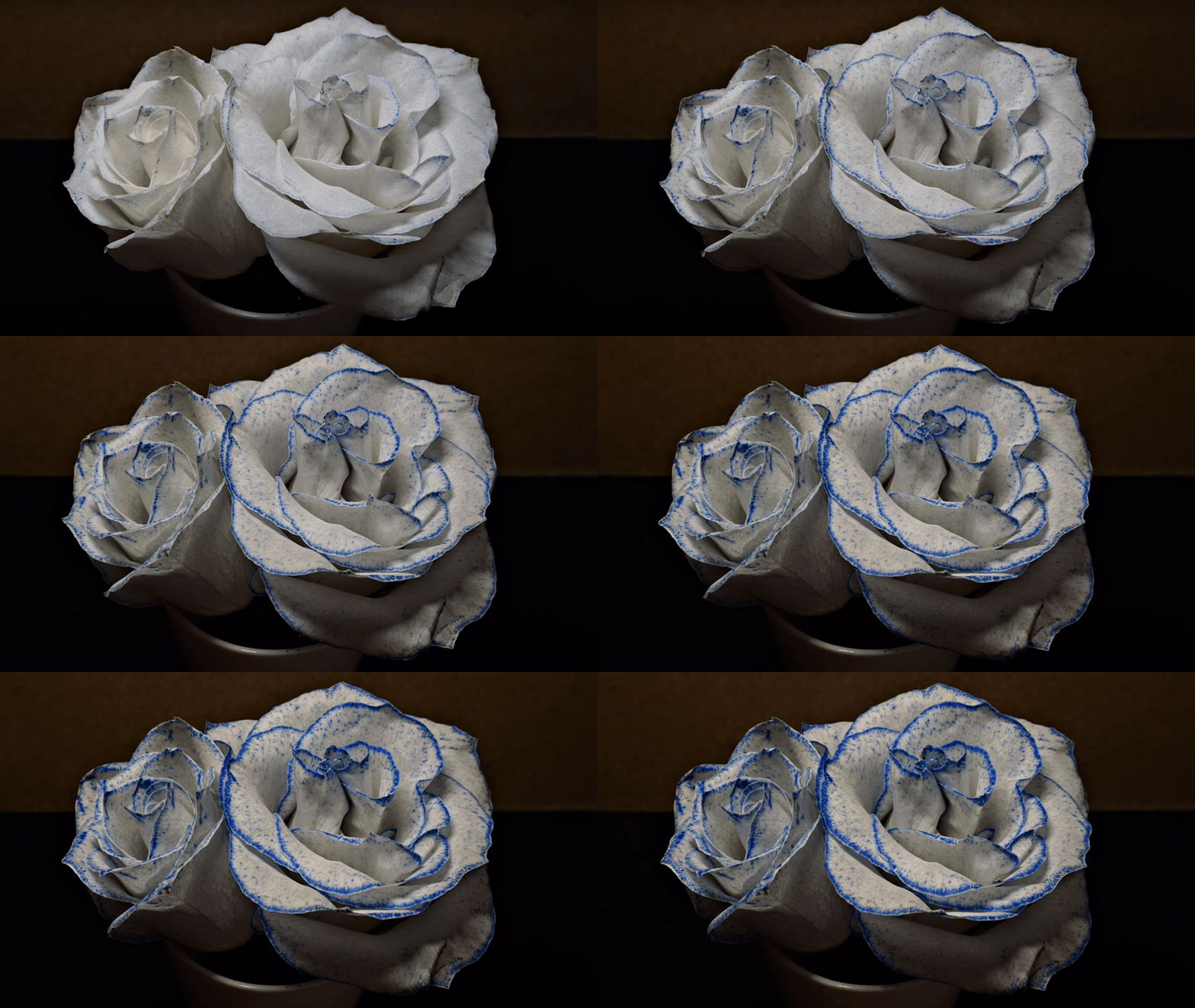
What do you think causes this flower to turn blue?
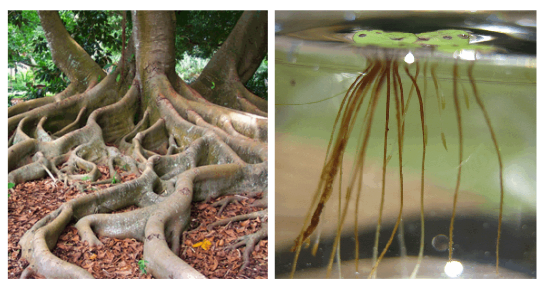
Which part(s) of a plant makes up the Root System?
Which part(s) of a plant makes up the Shoot System?
Match the key word on the left to the plant part on the right.
| Draggable emne | arrow_right_alt | Korresponderende emne |
|---|---|---|
"Transport" | arrow_right_alt | Leaves |
"Absorption" | arrow_right_alt | Stem |
"Photosynthesis" | arrow_right_alt | Roots |
Which of the following best describes the function of the ROOTS?
Match each item to the correct Root System.
Description: One long core root surrounded by smaller root hairs.
Description: Roots that branch out into many smaller roots to cover a larger surface area.
Benefit: Excellent way to store food and tends to be very drought resistant.
Benefit: Helps with water and nutrient absorption closer to the surface of the soil.
Fibrous Roots (2 items)
Tap Root (2 items)
Which of the following best describes the function of the STEM?
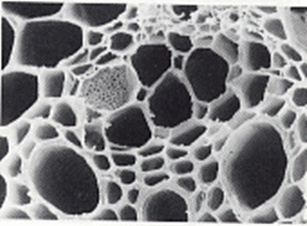
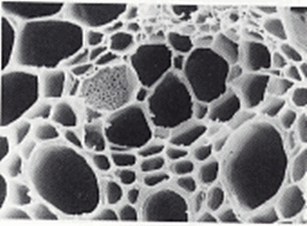
How are the xylem and phloem similar to human blood vessels?
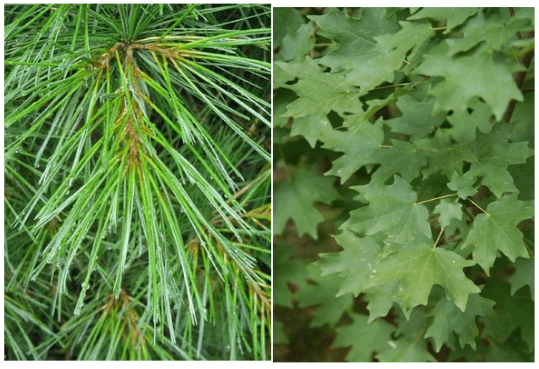
Which of the following best describes the function of the LEAVES?
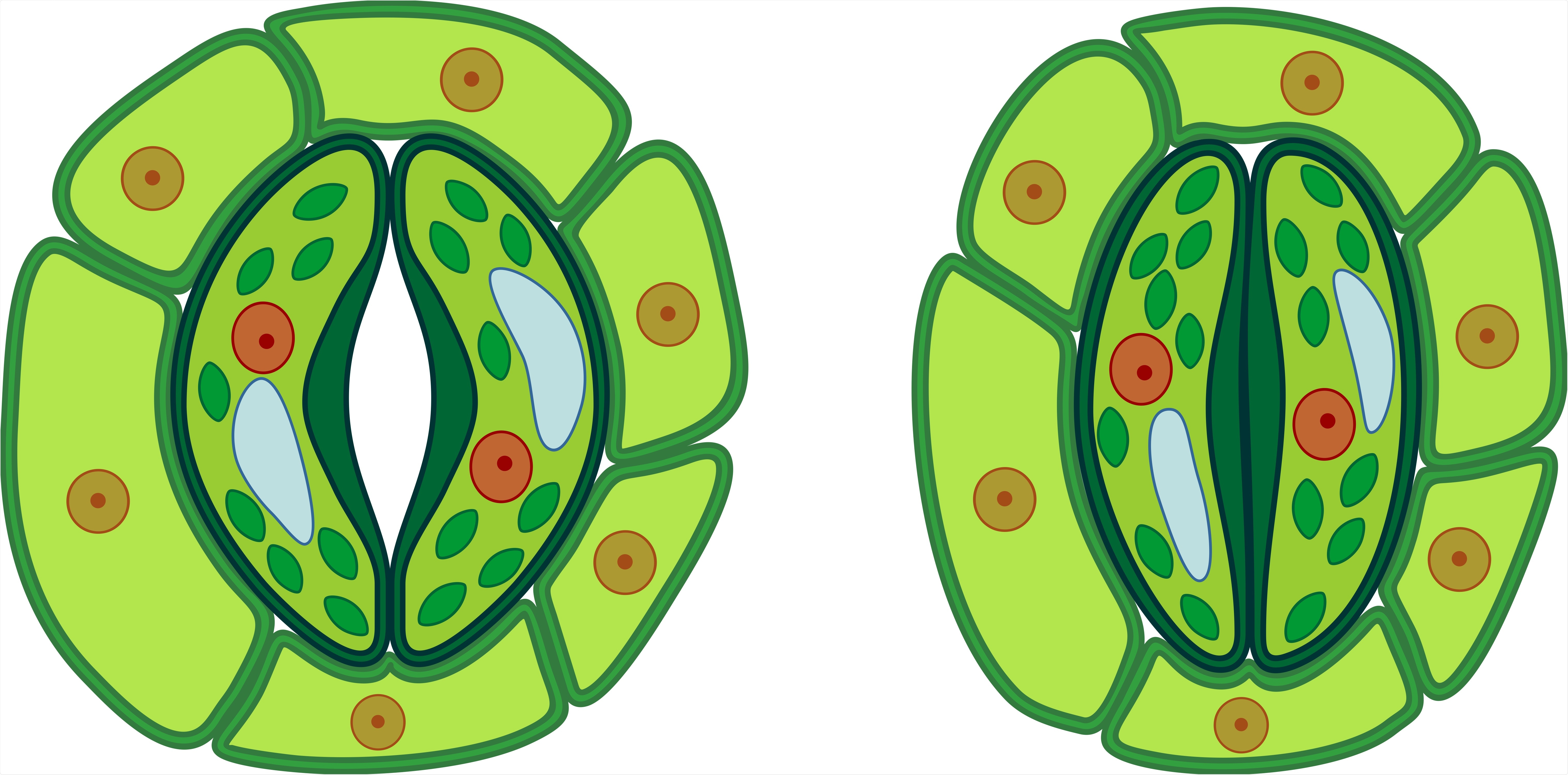
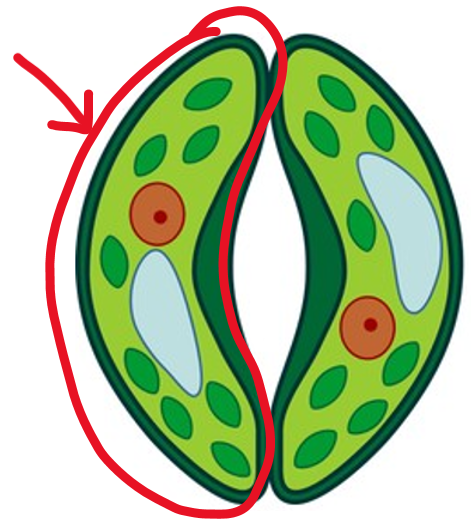
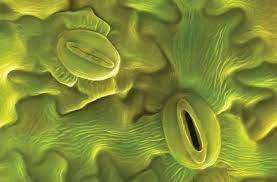
What is the function of the Guard Cells?
Match each vocabulary term to its picture and description.
| Draggable emne | arrow_right_alt | Korresponderende emne |
|---|---|---|
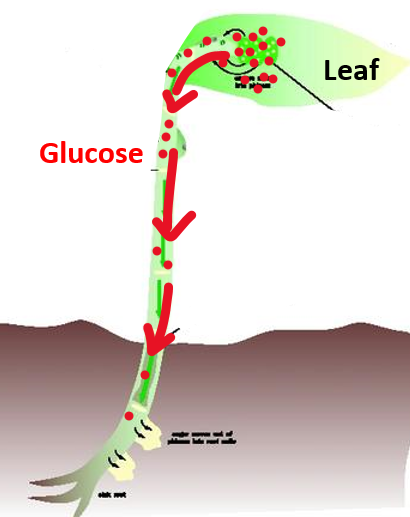
Guard Cells | arrow_right_alt | Type of vascular tissue that transports glucose (C6H12O6) throughout the plant. |
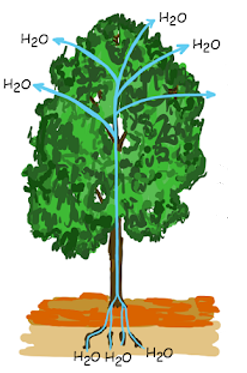
Phloem | arrow_right_alt | Type of vascular tissue that transports water (H2O) throughout the plant. |
Stomata | arrow_right_alt | Regulates gas exchange and prevents water loss by opening and closing the stomata. |
Xylem | arrow_right_alt | Carbon dioxide (CO2) enters and oxygen (O2) exits the leaf. |
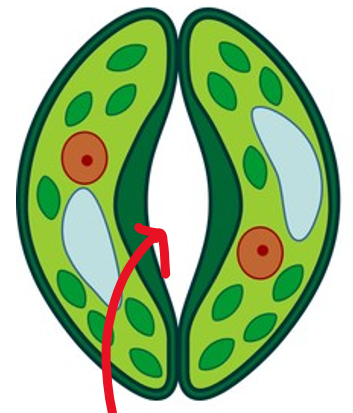
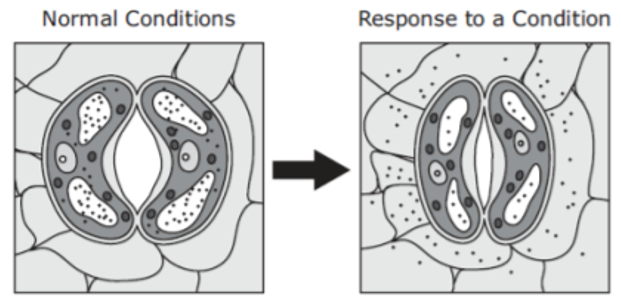
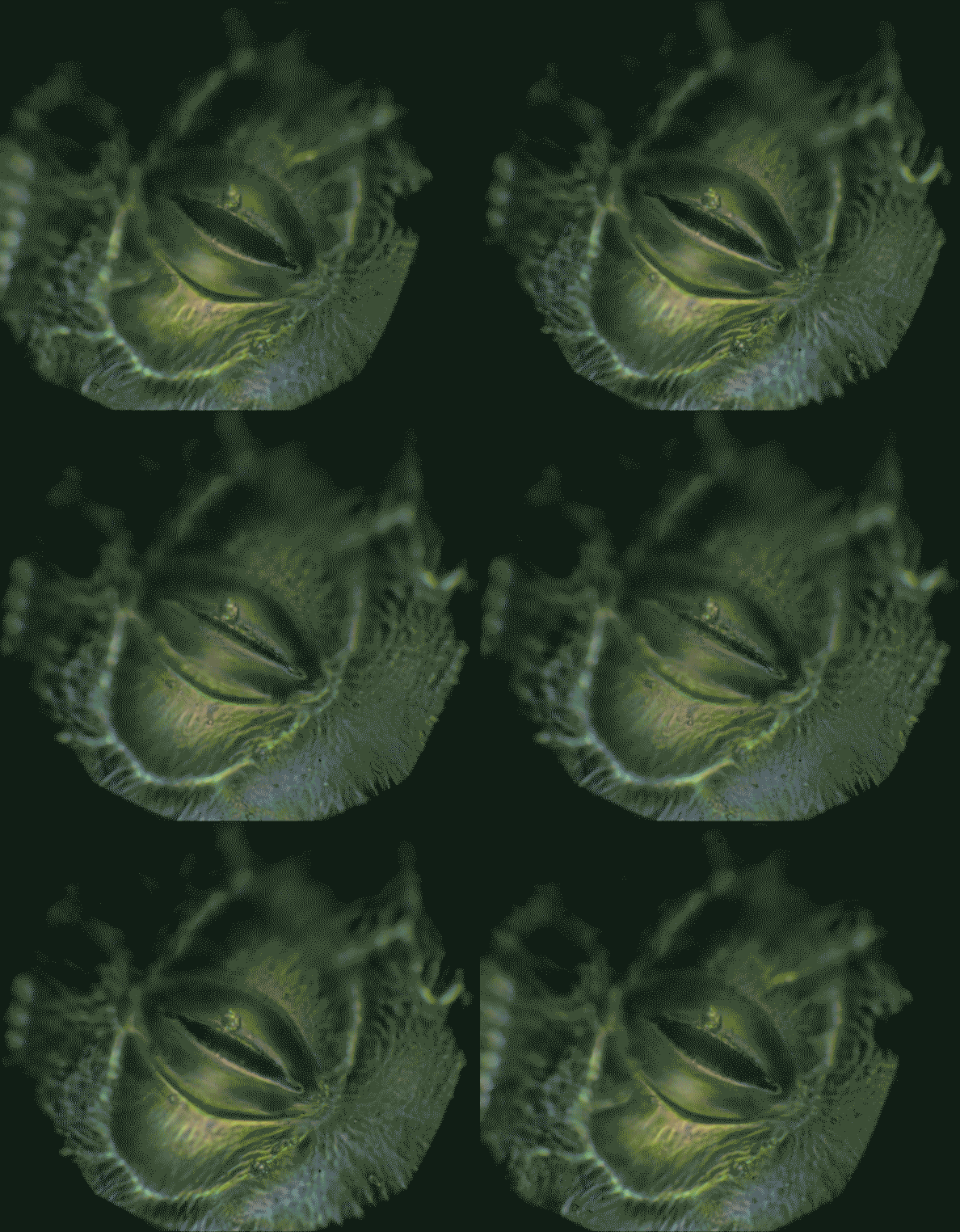
Structures represented in the illustration below are found in the lower epidermis of a plant leaf. The illustration to the left shows normal conditions, while the illustration to the right shows the response to a certain environmental condition.
The response represented in the illustration would most likely be caused by...
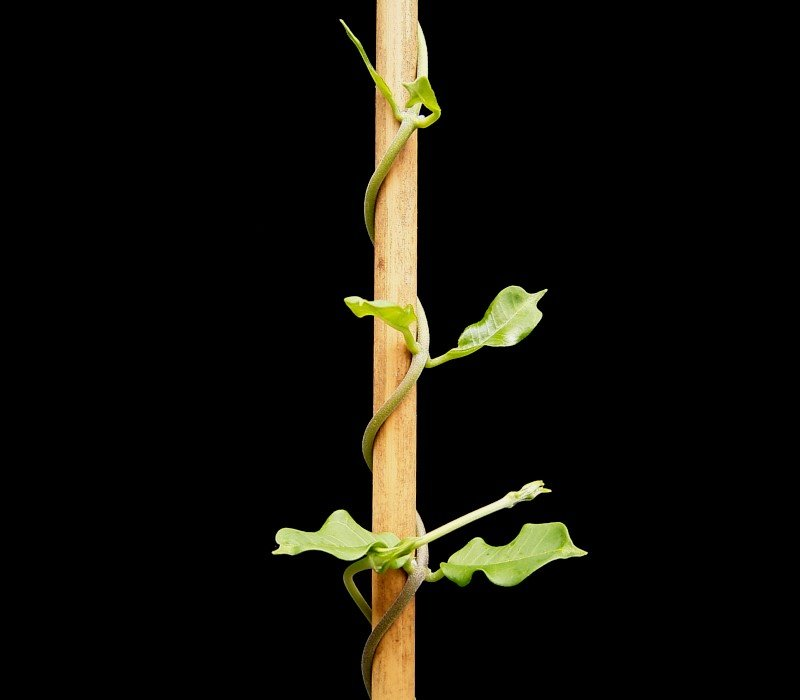
Plants such as sweet peas, ivy, and honeysuckles use other plants or wooden supports to "climb" upward instead of using energy to grow strong stems.
This is an example of because .
Which of the following makes up the vascular system of a plant?
Which of the following parts of a plant are responsible for gas exchange?
Where does gas exchange occur in plants?
How do the leaves of a plant receive the WATER (H2O) that they need in order to do photosynthesis?
How do the leaves of a plant receive the CARBON DIOXIDE (CO2) that they need in order to do photosynthesis?
Many plants close their stomata during droughts (long periods of time with no rain) and will also close their stomata during the heat of the day.
Why would the guard cells want to close the stomata?
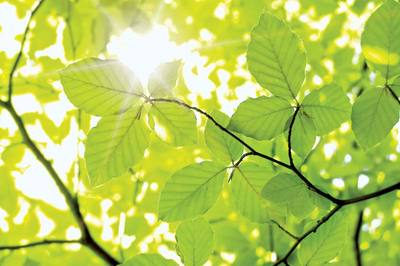
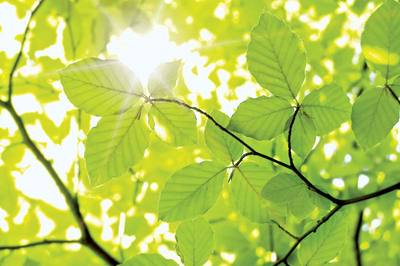
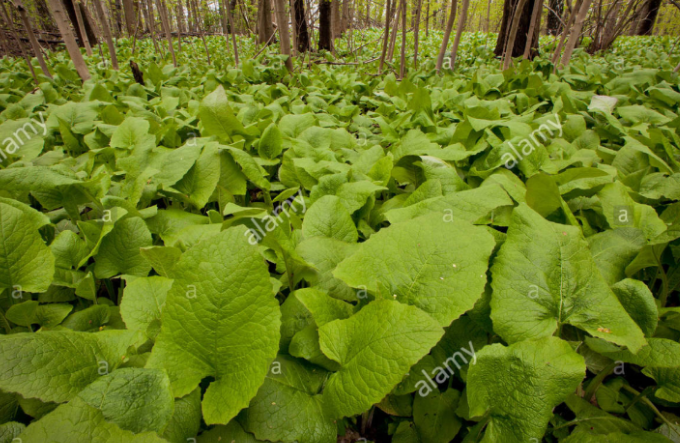
Why would a plant need broad, wide leaves on forest floors?
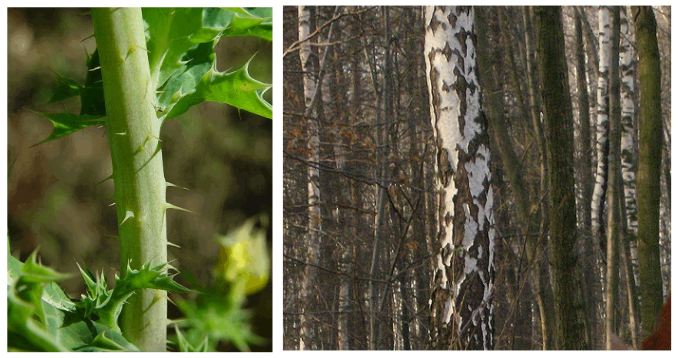
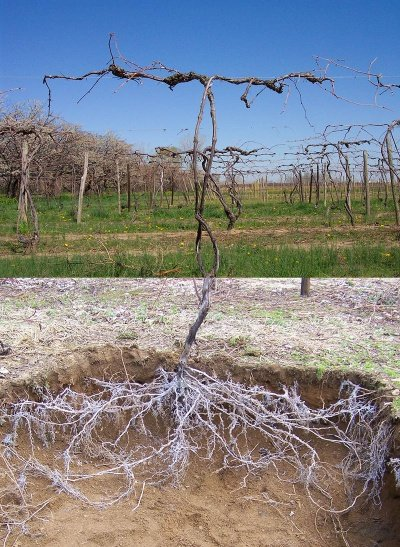
Would do grapes need a deep, fibrous root system?
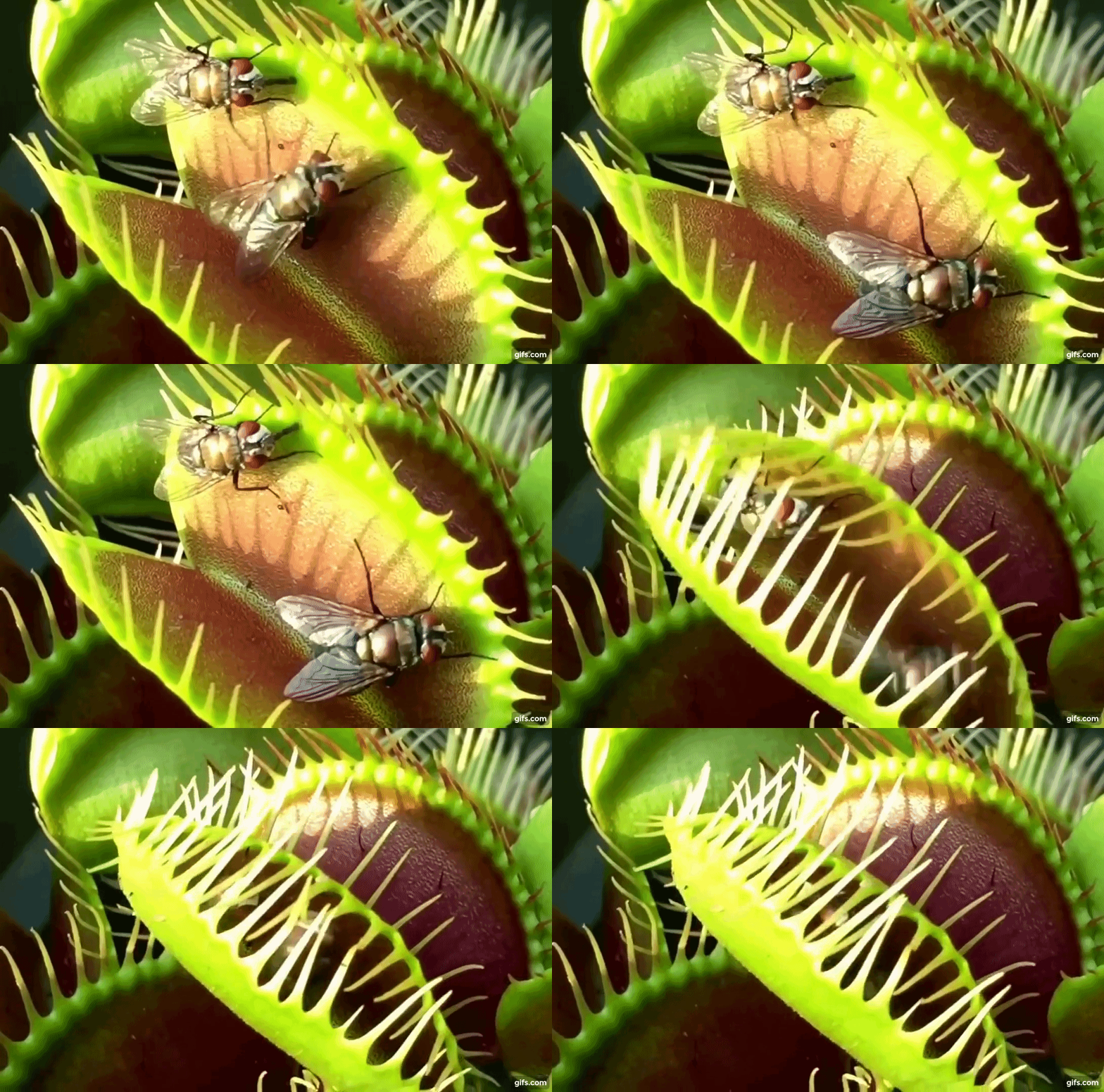
Why do carnivorous plants need to consume animals?
| Draggable emne | arrow_right_alt | Korresponderende emne |
|---|---|---|
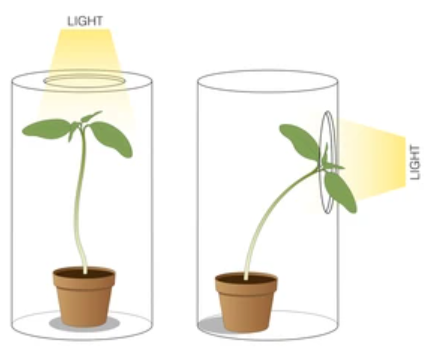
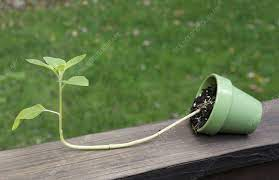
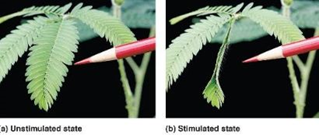
Gravitropism (Geotropism) | arrow_right_alt | The orientation of a plant in response to light. |
Thigmotropism | arrow_right_alt | The orientation of a plant in response to gravity. |
Phototropism | arrow_right_alt | The orientation of a plant in response to touch. |
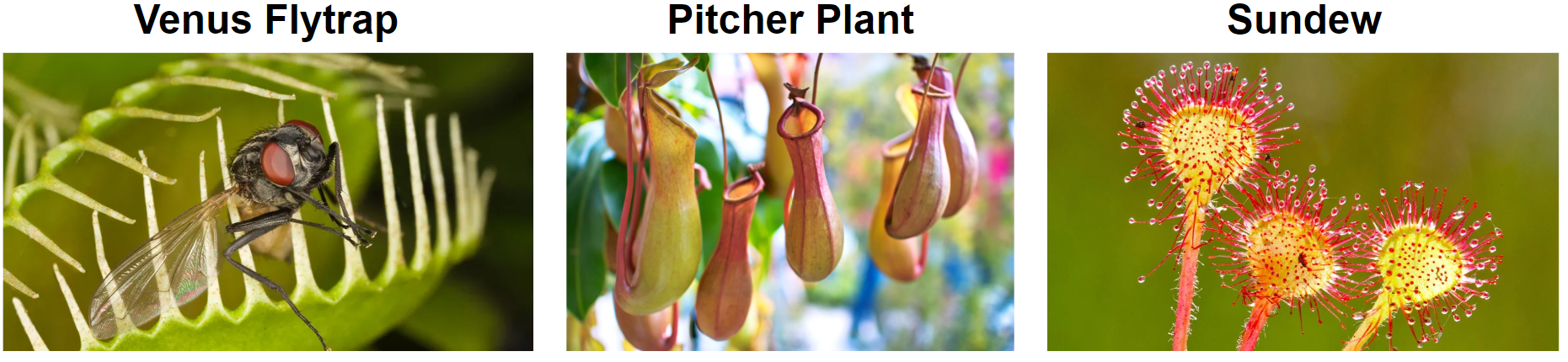
A variety of carnivorous plants exist including the Venus Flytrap, Pitcher Plant, and Sundews as seen below. These plants typically grow in areas with poor soil nutrients. Each of these carnivorous plants trap insect to consume (eat).
The Venus flytrap clamps down when it feels an insect inside of the trap. Pitcher plants drown insects with in their sweet smelling nectar and close the "lid" so the insect cannot escape. The Sundew produces sticky adhesive "dew drops" that insect become stuck to. Once they are stuck, the sundew wraps around the insect to extract nutrients.
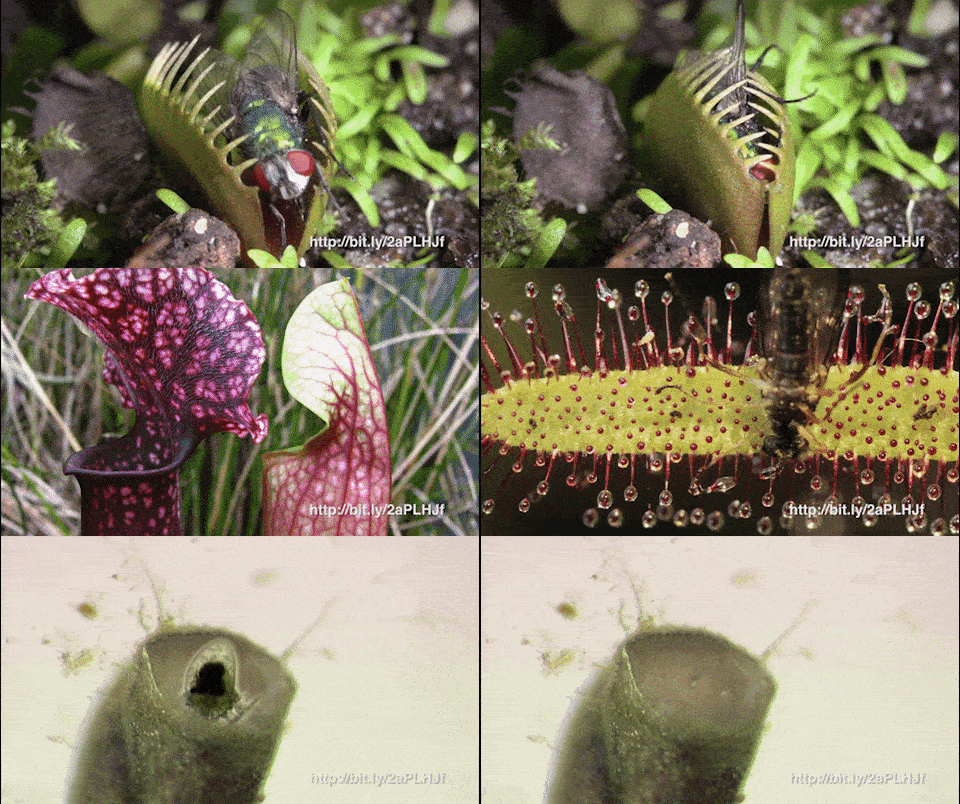
Why are some plants carnivorous?
How do these carnivorous plants move?
Select TWO answers from the options provided (one of each color).
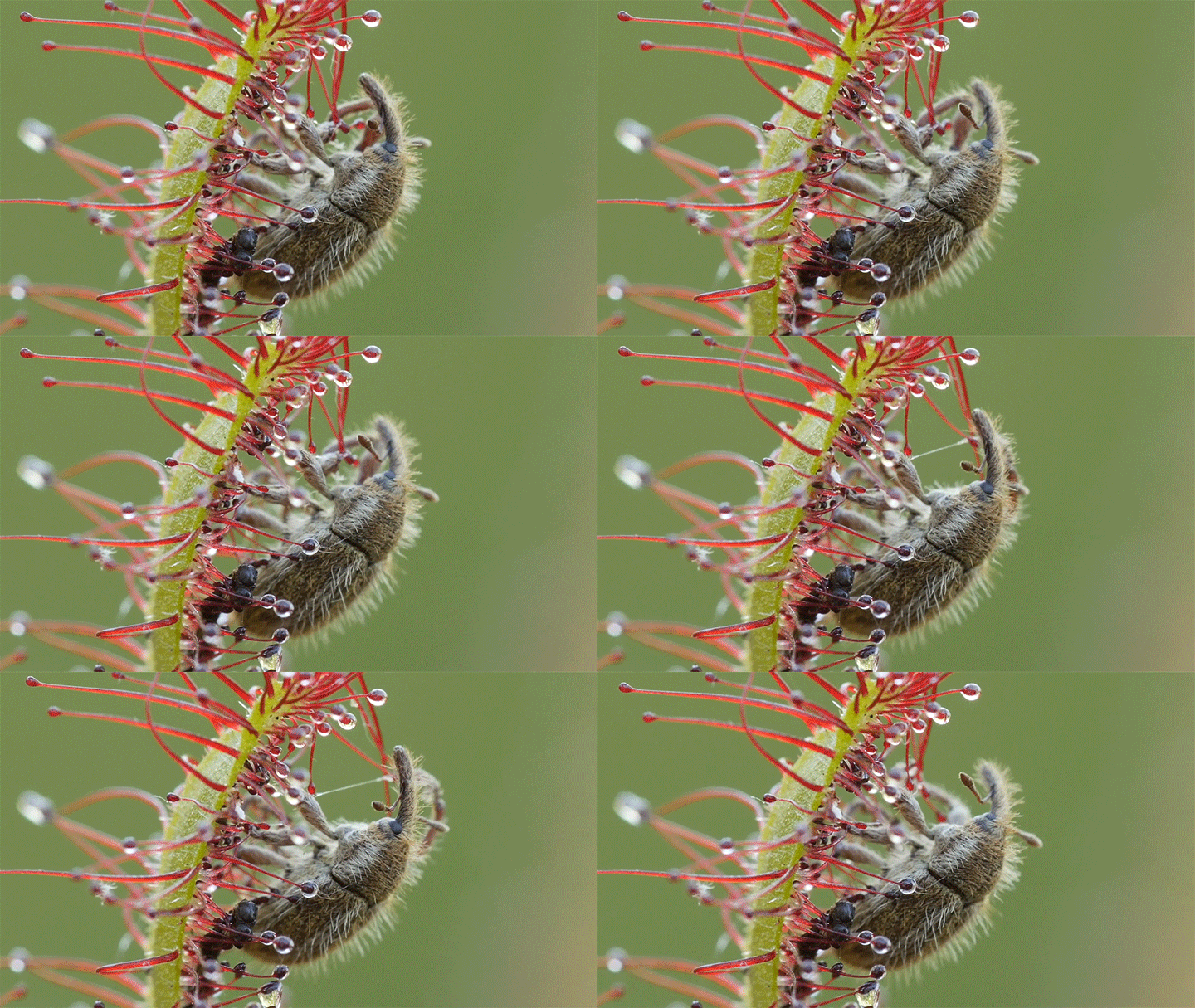
This is an example of...
Why would plants like Drosera capensis need to eat insects?