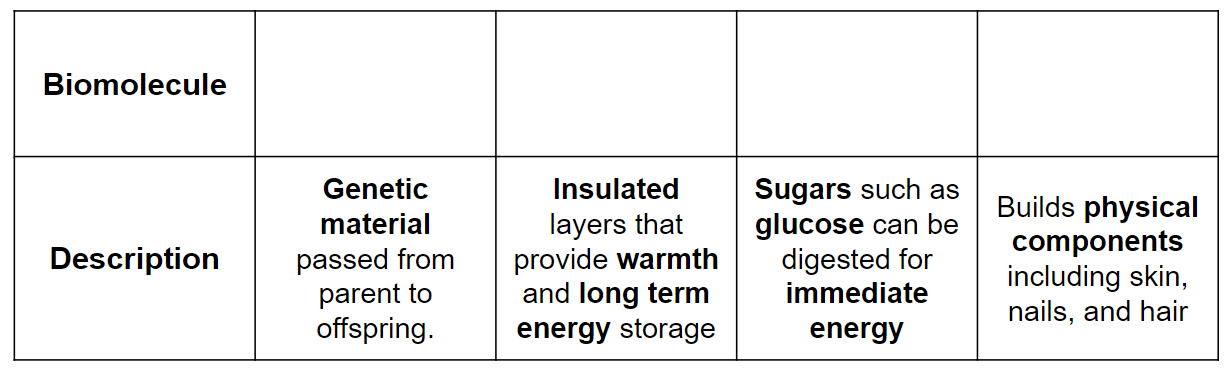
Place the biomolecule with the correct description in the table below.
Mmuae Afoforo a Wobɛpaw:
Proteins
Carbohydrates
Nucleic Acids
Lipids
Match each of the four biomolecules with its function (job) in your body...
| Draggable item | arrow_right_alt | Corresponding Item |
|---|---|---|
Proteins | arrow_right_alt | Provides your cells with the instructions they need to make their proteins. |
Lipids | arrow_right_alt | Cells in your body metabolize (break down) this for a quick source of energy. |
Nucleic Acids | arrow_right_alt | Used for long-term energy storage and insulation (keeps you warm). |
Carbohydrates | arrow_right_alt | Builds your physical traits (Hair, skin, nails, muscles, etc.). Enzymes are this biomolecule. |
For each of the 4 biomolecules, determine whether they provide energy for your body or they are used to build things for your body.
(HINT: 2 provide energy and 2 are used to build things for your body!)
Proteins
Lipids
Nucleic Acids
Carbohydrates
Provides energy for your body.
(2 items)
Used to build things for your body.
(2 items)
Determine if each statement applies to Carbohydrates, Lipids, or Both.
Provides Insulation
Ex: Cellulose (provides structure)
Ex: Starch (found in potatoes)
Cell Membrane
Provides Energy for Cell
Carbohydrates (2 items)
Lipids (2 items)
Both (1 item)
Place the biomolecule with the correct description in the table below.
Proteins
Carbohydrates
Nucleic Acids
Lipids
You are feeling tired in the morning and need a quick boost of energy before you come to school. You should eat something with many to have a quick source of energy.
Individuals who follow the ketogenic diet eventually experience Ketosis, where their body burns fat instead of sugar.
Which biomolecule is being metabolized (broken down for energy)?
Angel and Francis are about to play a round of Doubles in Tennis and need to be at their peak to beat Stratford (ugh, gross). Which food should they eat before their match to maximize (increase) their total energy?
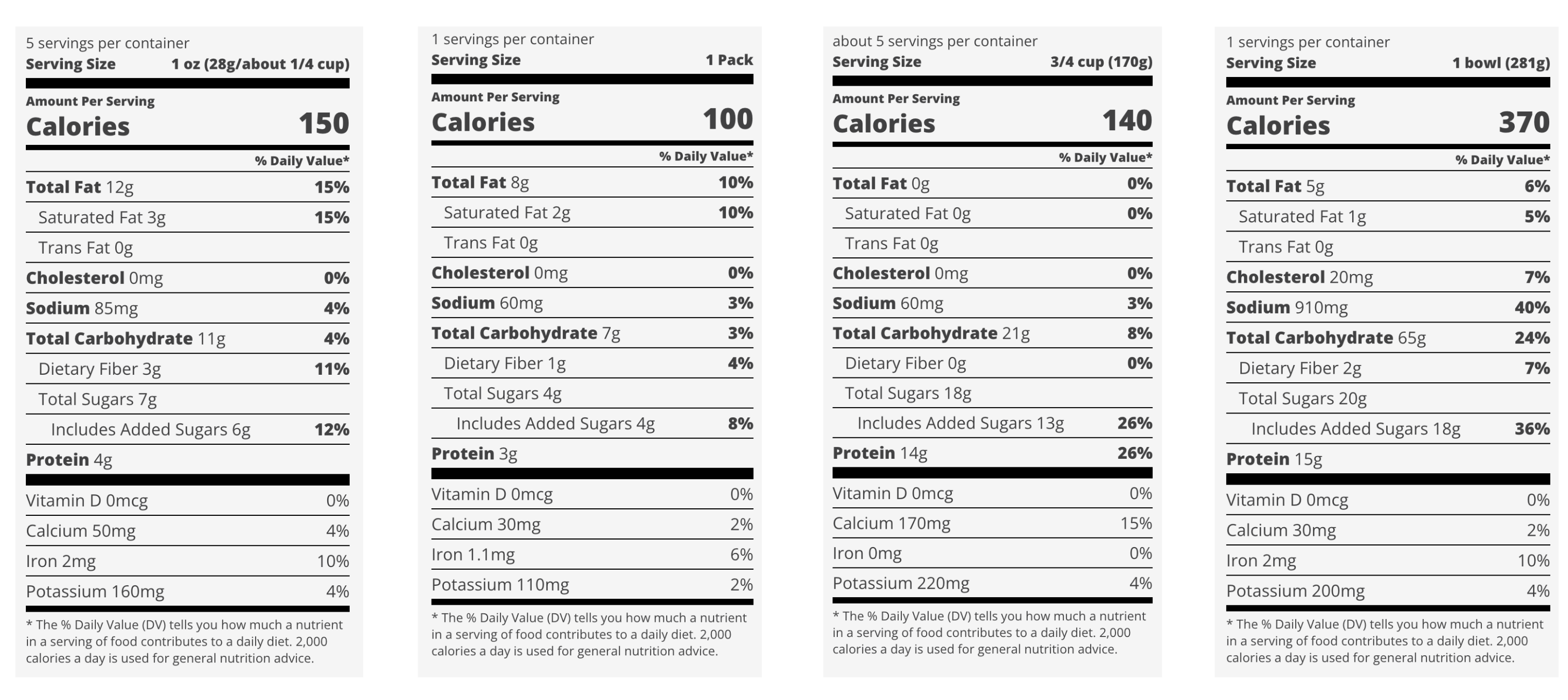
Various carbohydrates and their uses are listed below.
Determine whether each carbohydrate is used for energy or for structural support.
Cellulose (makes up plant cells walls)
Chitin (makes cell walls of fungi)
Glycogen (modified form of glucose and is stored in liver cells until needed)
Starch (stored in plant seeds for food)
Carbohydrates used for Energy (2 items)
Carbohydrates used for Structural Support (2 items)
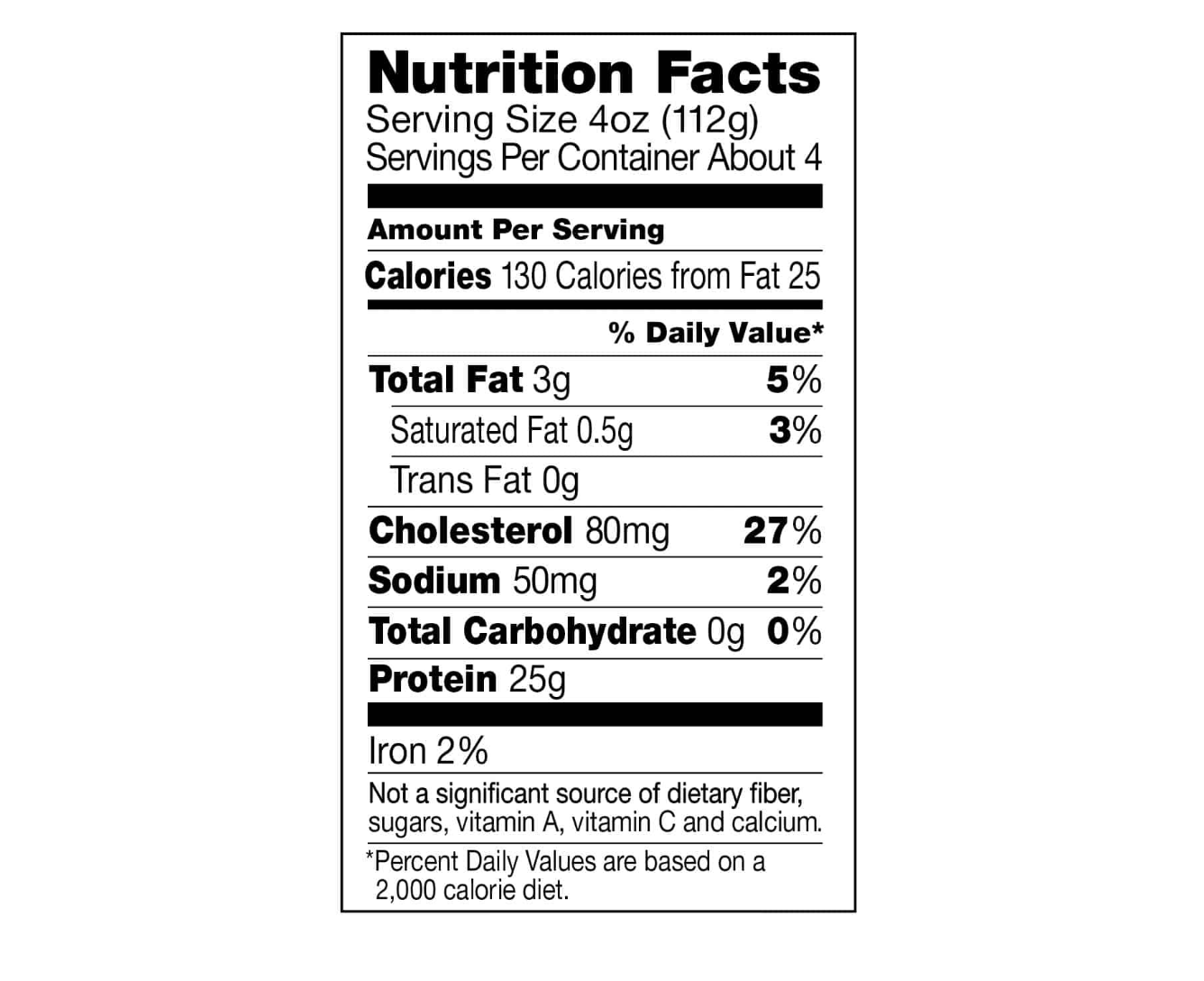
Maximus has been going to the gym and wants to increase his muscle mass. Which portion of the label should provide him with information relevant to gaining muscle mass?
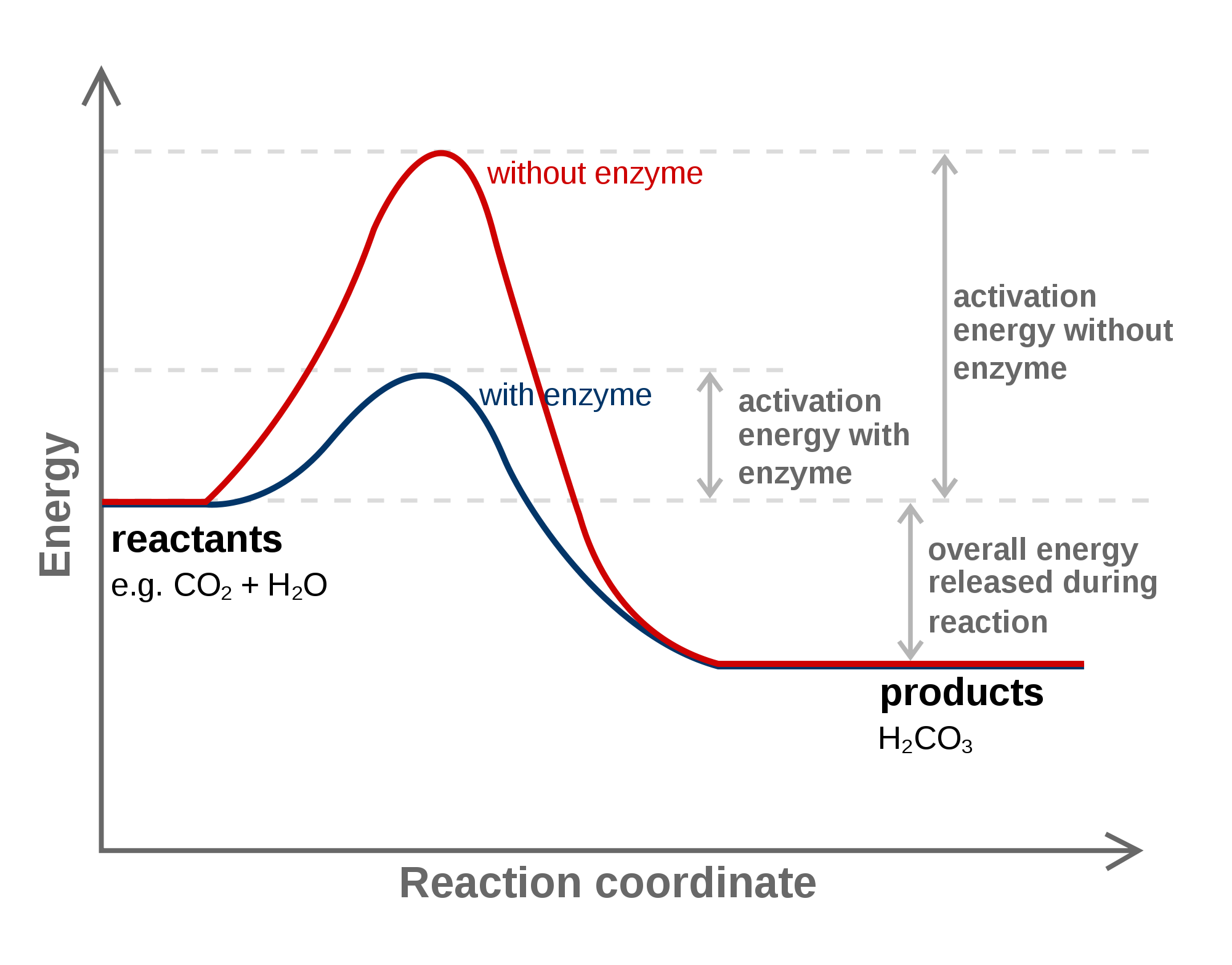
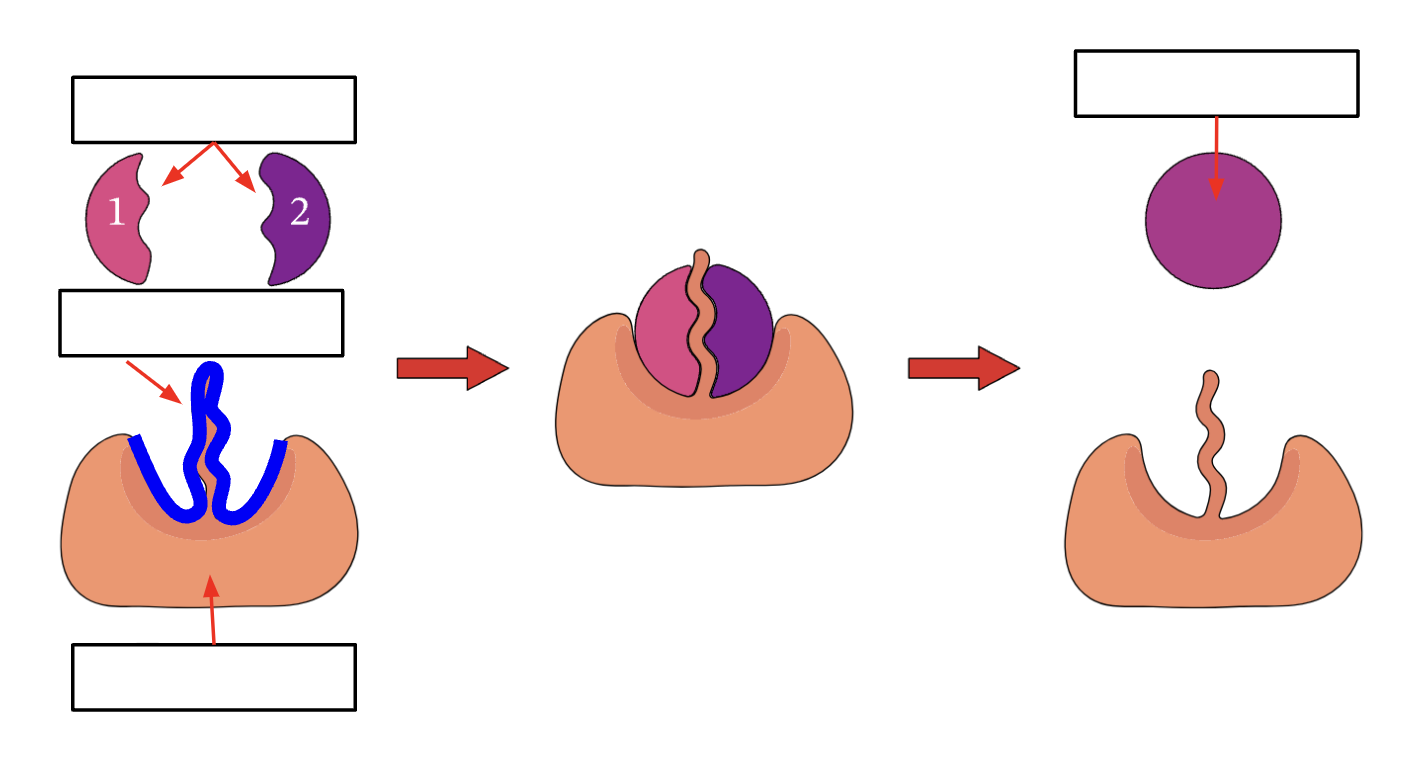
Label the diagram below.
What is the purpose of an enzyme?
The red line represents the reaction an enzyme, and the energy needed is .
The blue line represents the reaction an enzyme, and the energy needed is .
Enzymes catalyze (speed up) reactions by the .
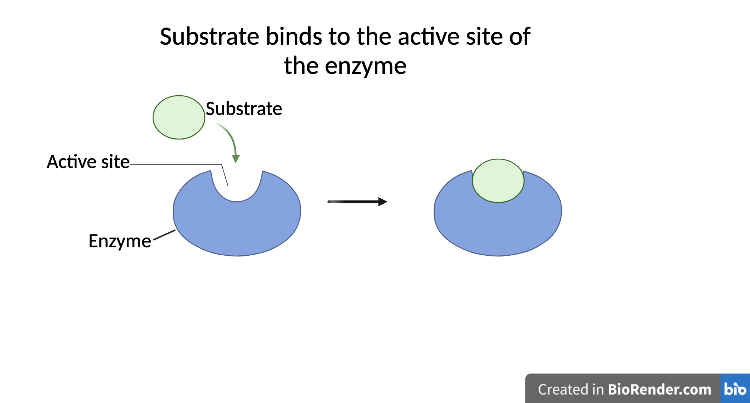
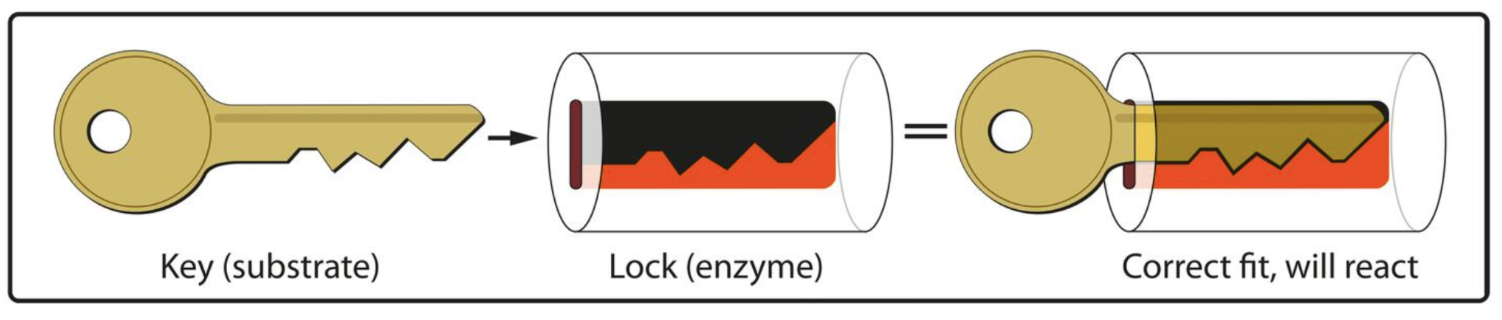
In order for a substrate to bind with an enzyme and catalyze a reaction, they need:
The animation below shows a molecule called an inhibitor acting on an enzyme.
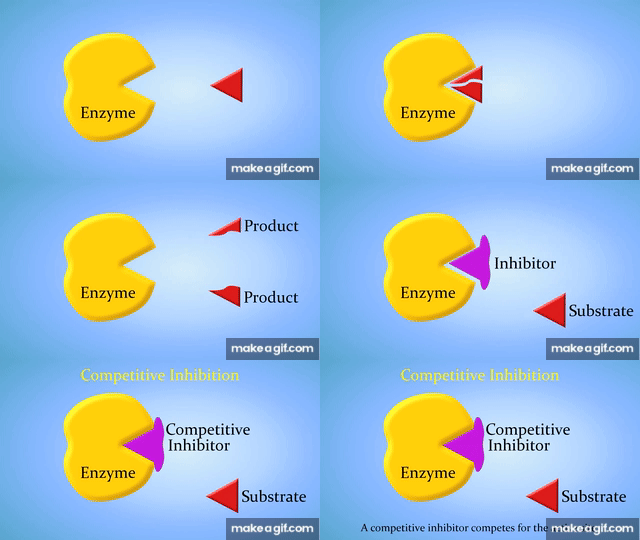
Can the enzyme still catalyze the reaction as normal? Use the drop downs to complete the sentence.
The enzyme catalyze the reaction because .
Complete the sentence below.
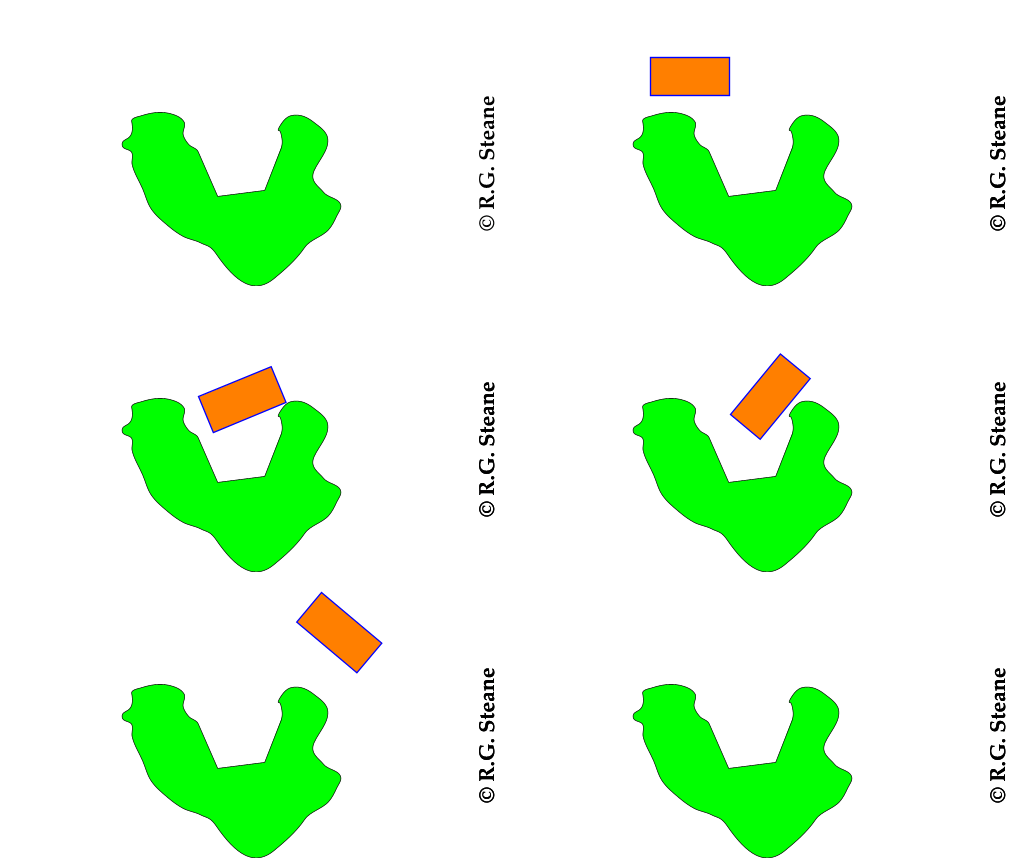
A change in can cause the enzyme to change shape and denature, so it .
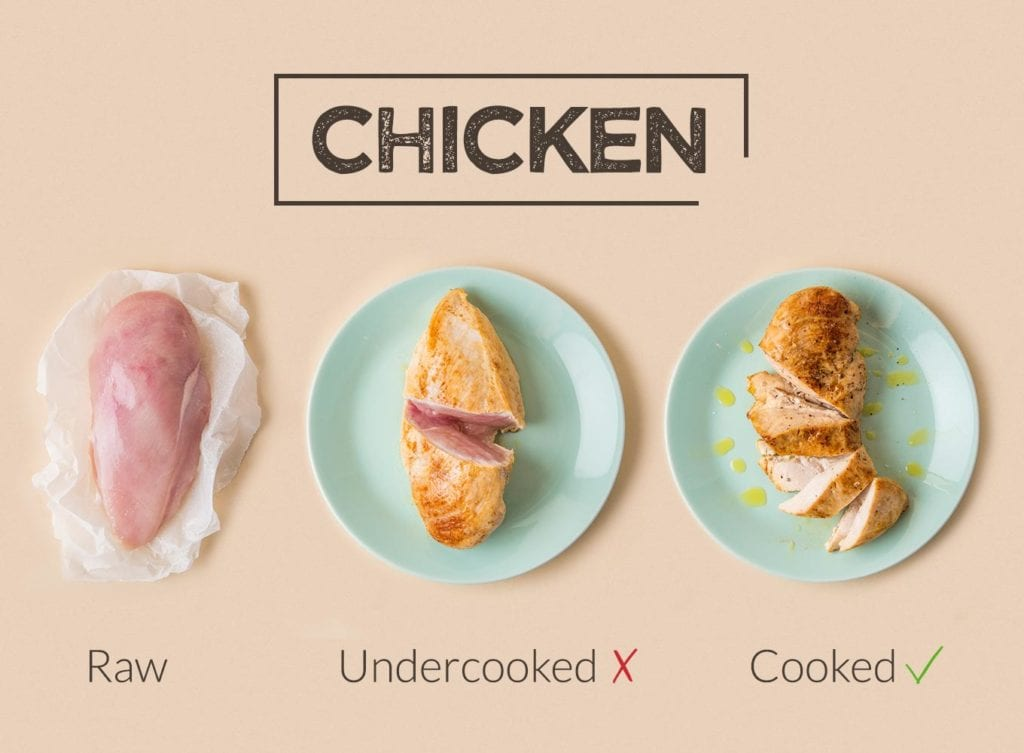
When people eat undercooked chicken, they are at risk for contracting salmonella poisoning, a disease caused by the Salmonella bacteria. Symptoms include diarrhea, fever, stomach cramps, nausea, vomiting, chills, headache, and blood in stool. The CDC advises cooking chicken to the proper internal temperature to kill the bacteria inside of the food and avoid getting sick.
Why does heating your chicken to the proper temperature kill the Salmonella bacteria?
Catecholase is an enzyme found in fruits such as apples, bananas, and avocados. When exposed to oxygen in the air, catecholase breaks down catechol and results in brown spots forming on the surface of fruits.
In an experiment, avocado was added into a test tube by itself, with water, and with lemon juice. The results of the experiment are shown below.
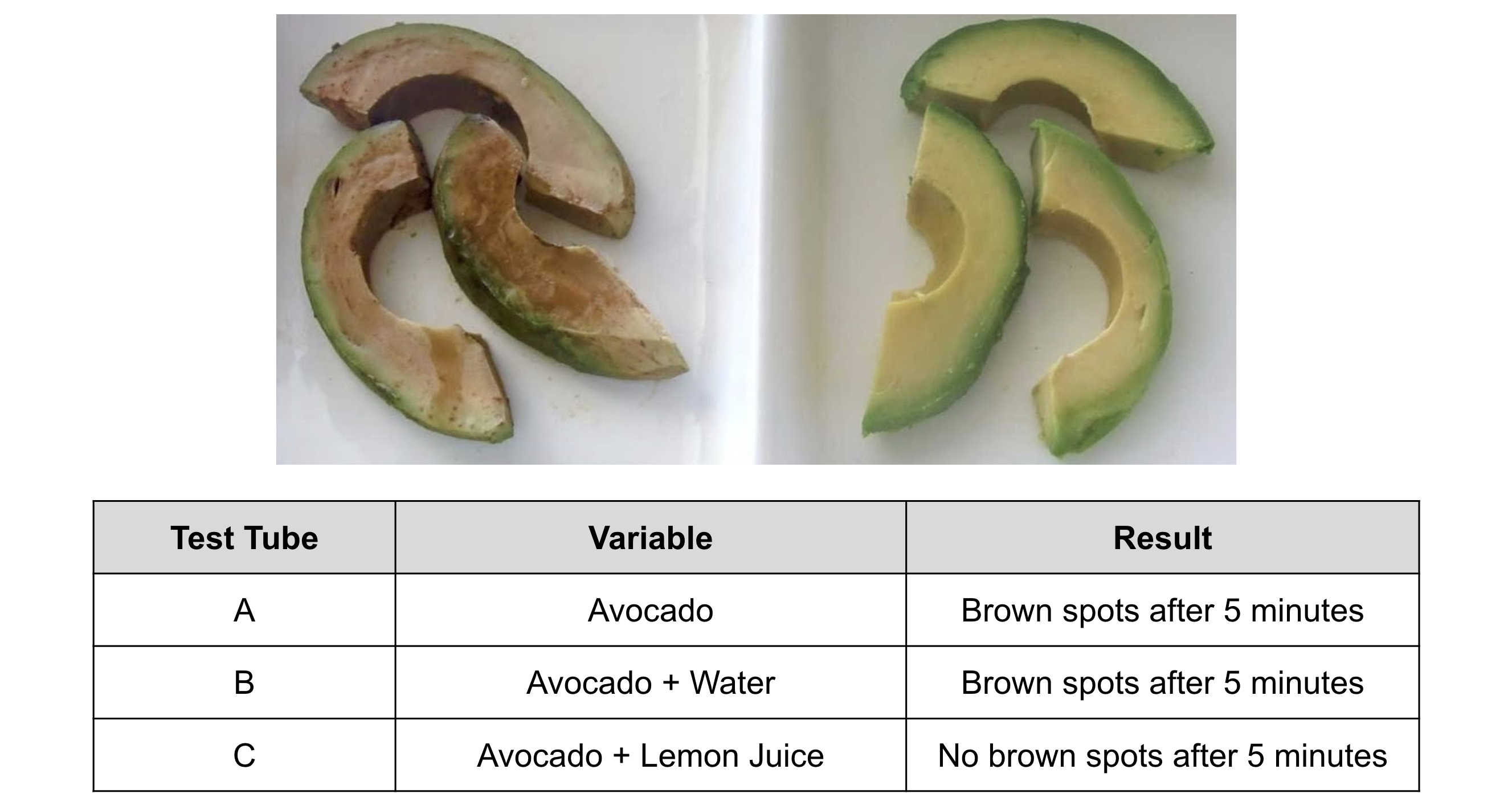
Test Tube C did not show any brown spots because the lemon juice , resulting in .
Which of the following foods would you recommend to someone trying to start the ketogenic diet?
Remember, the ketogenic diet is low in carbohydrates and high in lipids (fats)!