Twa kɔ nsɛm atitiriw so
Log in
Sign up for FREE
arrow_back
Laabri

Copy of Tuesday (02/10) - Natural Selection Notes and Practice (2026) (5/2/2026)

star
star
star
star
star
Last updated about 2 hours ago
20 Nsɛmmisa
Warm Up
Ɛhia
1
B.C.7E
1
Peppered Moth Simulation Activity
1
1
Ɛhia
1
Natural Selection Practice and Exit Ticket
1
1
1
1
1
Ɛhia
1
1
1
1
1
1
1
1
1
Ɛhia
1
Asemmisa {{asɛmmisaAhyɛnsode}}
1.

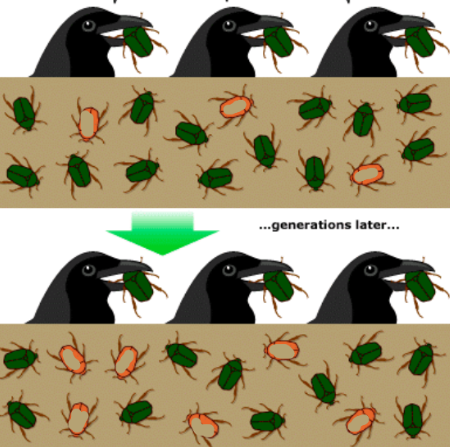
The diagram shows light- and dark-colored beetles that live on a tree.
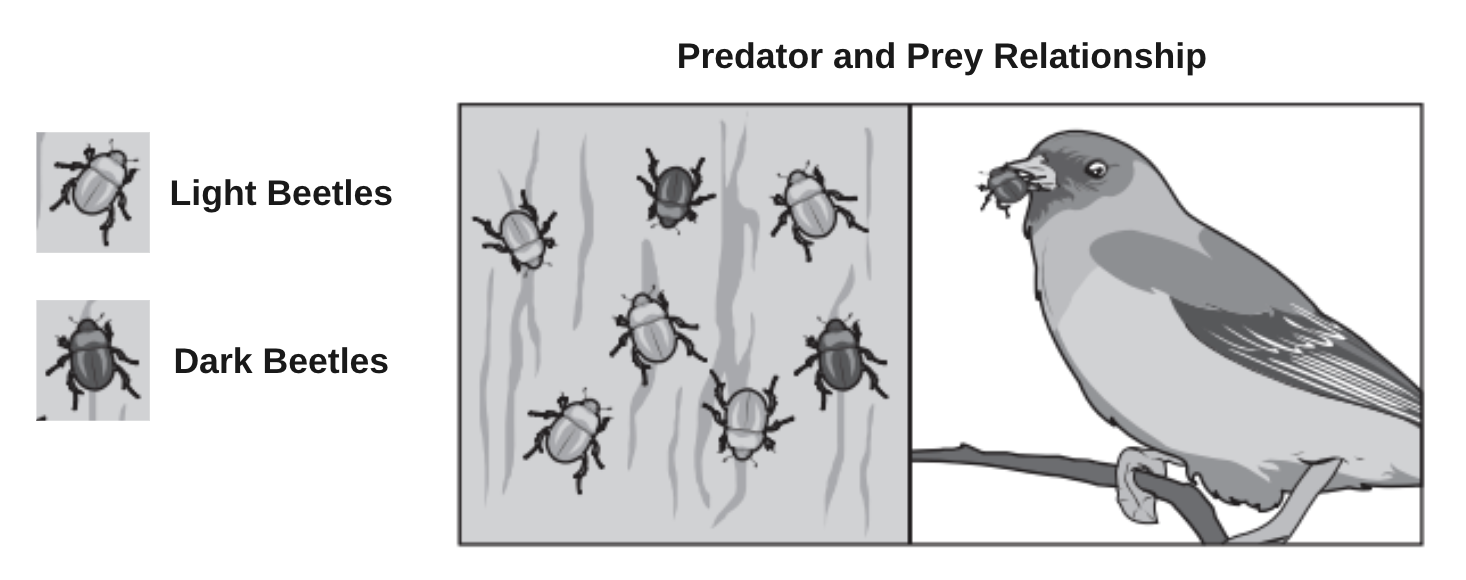
Which result is most likely to occur to the beetle population due to predation over time?

Asemmisa {{asɛmmisaAhyɛnsode}}
2.

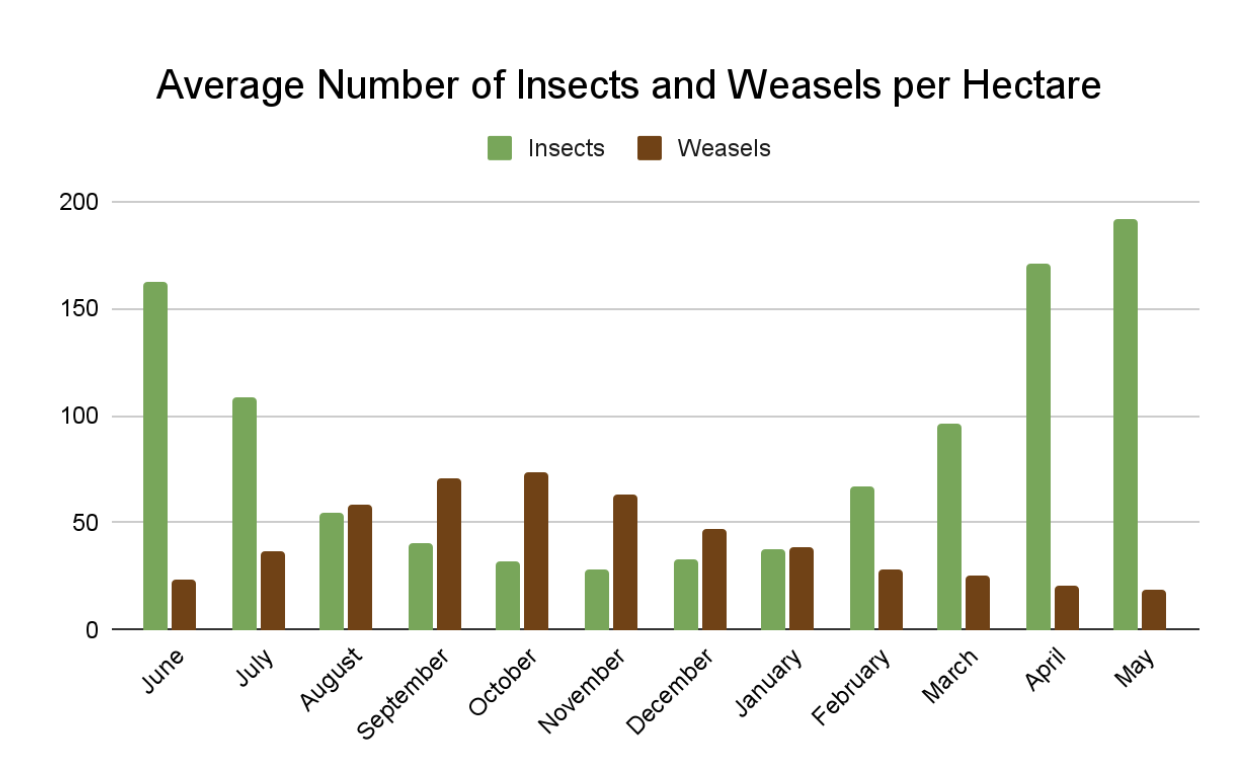
A zoologist recorded the following information regarding breeding habits of the Kiwi bird:

The Great Spotted Kiwi can only lay a single egg once per year. While the female Kiwi reproductive cycle lasts from July through February, breeding season (when Kiwis lay their egg) is typically in January. The male kiwi then incubates the egg until it hatches in April or May.

Based on the information in the charts, what is the most likely explanation for the Great Spotted Kiwi to lay their eggs in January instead of any other month?

Asemmisa {{asɛmmisaAhyɛnsode}}
3.

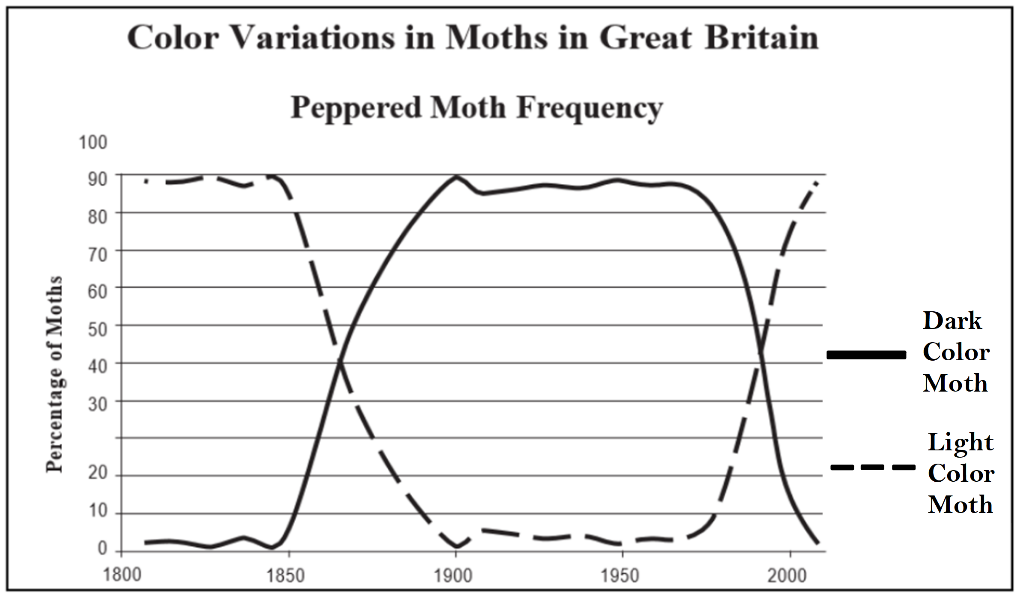
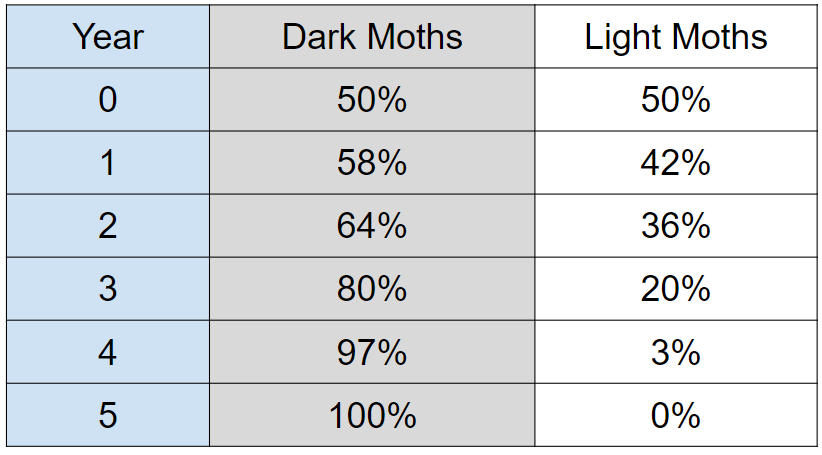
Use the graph below to answer the following questions. The solid line represents the dark colored moth frequency. The dashed line represents the light colored moth frequency.

The change in the percentage of the light-colored moths between 1950 and 2000 .

The moth color that was more fit between 1950 and 2000 was the . Between 1900 and 1950, the moth color that was more common then was the , and the change in the percentage of dark-colored moths during the same period of time .

Asemmisa {{asɛmmisaAhyɛnsode}}
5.

If these moths belong to the same species, what determines which ones survived?

Asemmisa {{asɛmmisaAhyɛnsode}}
6.

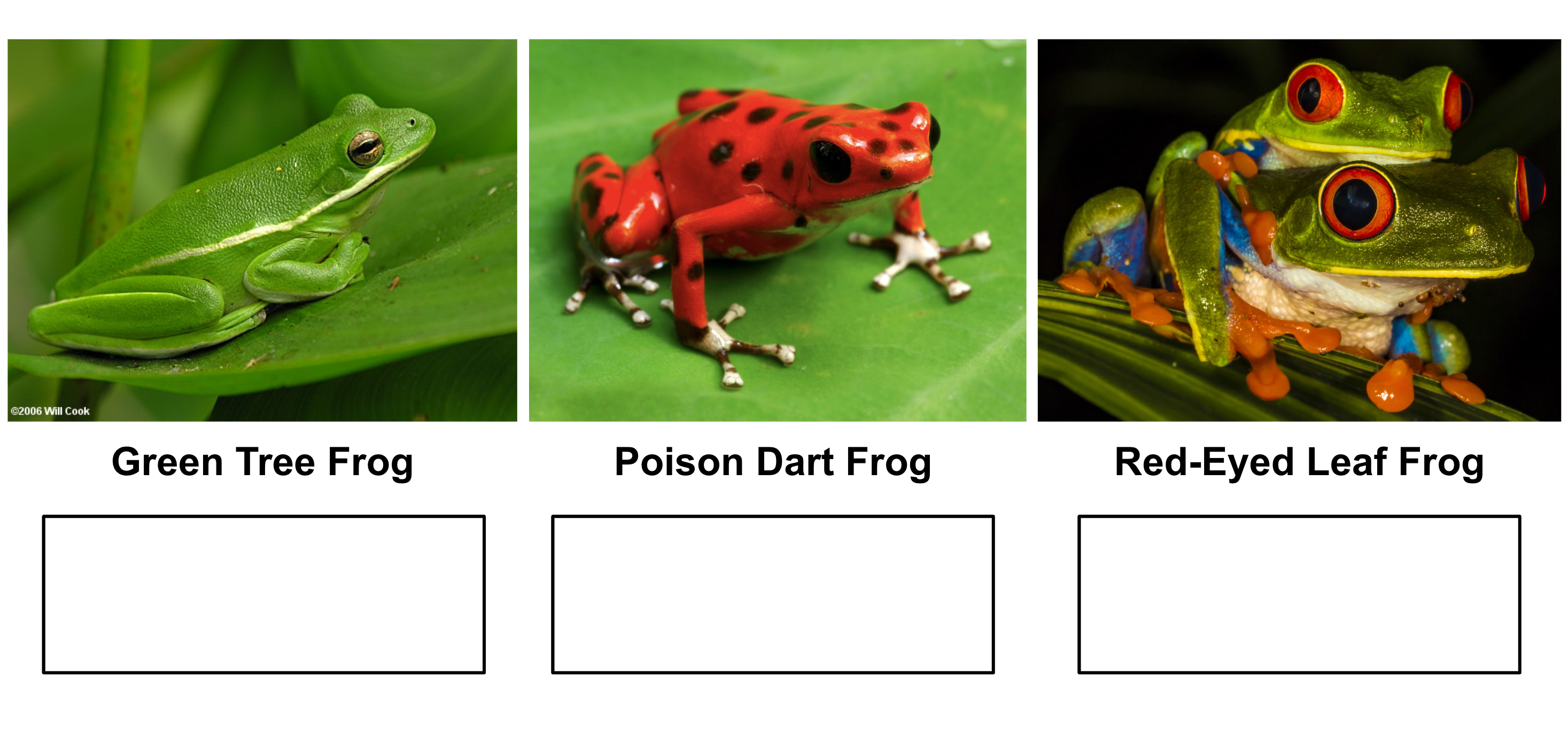
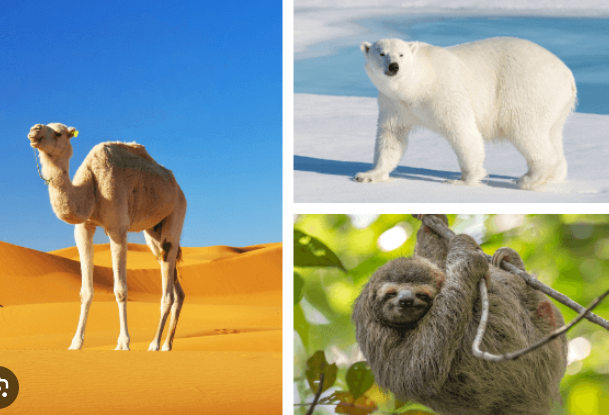
How do different animals use color as an adaptation?

Mmuae Afoforo a Wobɛpaw:
Warning/protection against predators
Camouflage
Attracting a mate
Asemmisa {{asɛmmisaAhyɛnsode}}
7.

Sample STAAR question - Let's Annotate! Show your work and select your answer.

Asemmisa {{asɛmmisaAhyɛnsode}}
8.

Match the 5 Principles of Natural Selection

Draggable itemarrow_right_altCorresponding Item

Struggle for survival

arrow_right_alt

Differences in traits within the species

The fittest will survive

arrow_right_alt

Producing many offspring, Increasing the chance that at least a few will survive

Adaptation

arrow_right_alt

Organisms must compete for limited resources

Variation in species

arrow_right_alt

Only those who survive can pass on traits (reproduce)

Evolution

arrow_right_alt

The environment determines which organisms survive

Over-reproduction

arrow_right_alt

A gradual change in heritable traits, over time

Nature chooses

arrow_right_alt

A good trait in a population that increases the chances of survival

Asemmisa {{asɛmmisaAhyɛnsode}}
9.

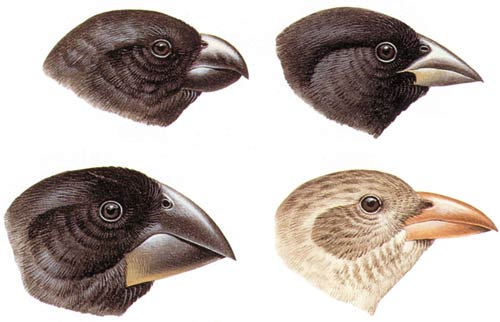
Adaptations can be:

Asemmisa {{asɛmmisaAhyɛnsode}}
10.

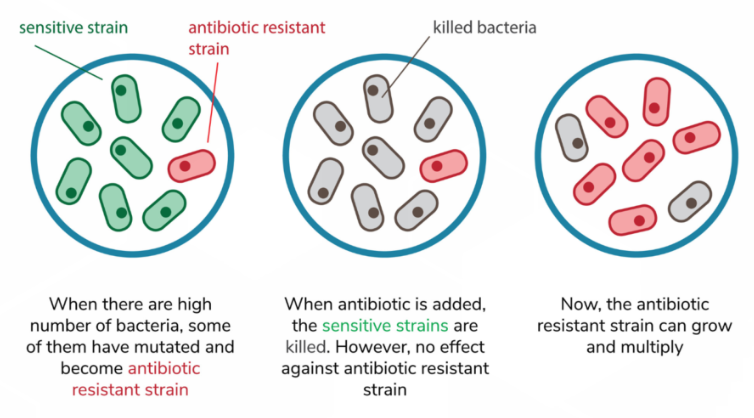
Antibiotic resistance can develop as a result of mutations in bacteria. Antibiotic resistant bacteria can survive despite being treated with medications. From the perspective of the bacteria antibiotic resistance is a/an for their environment

Asemmisa {{asɛmmisaAhyɛnsode}}
11.

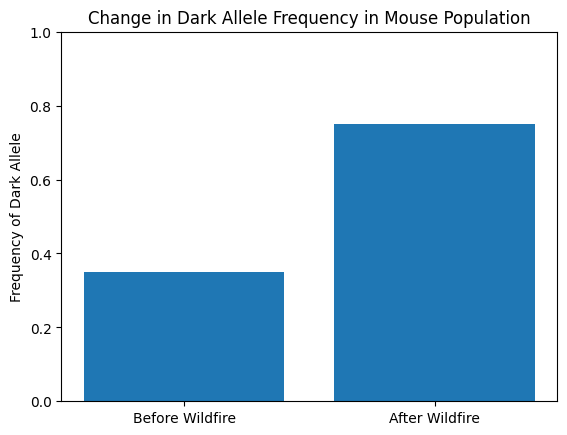
The bar graph shows the frequency of the dark-fur allele in a population of field mice before and after a wildfire. After the wildfire, the habitat consisted mostly of dark soil and rocks.

Which factor BEST explains the change shown in the graph?

Asemmisa {{asɛmmisaAhyɛnsode}}
12.

Which environment best suits this adaptation?

Draggable itemarrow_right_altCorresponding Item

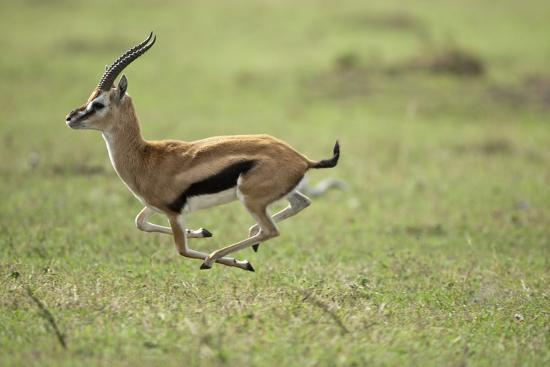
Being able to run at high speeds

arrow_right_alt

An area where food is hard to find

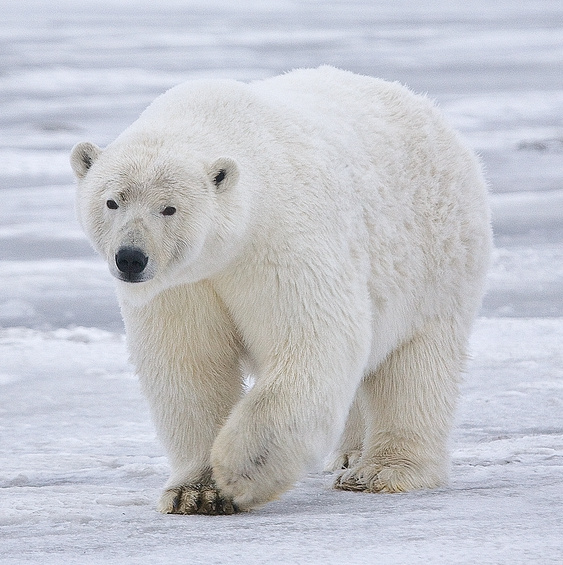
Having very thick fur

arrow_right_alt

An area where predators are fast

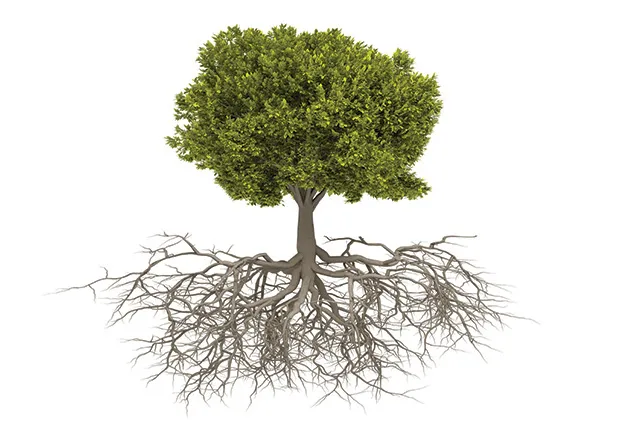
Having deep roots

arrow_right_alt

An area with cold temperature

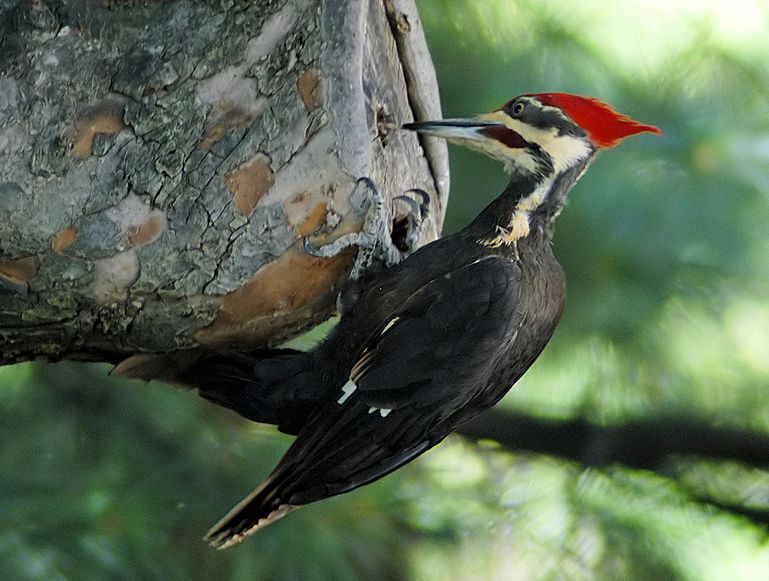
Small pointy beaks to reach inside trunks

arrow_right_alt

An area where water is hard to find

Asemmisa {{asɛmmisaAhyɛnsode}}
13.

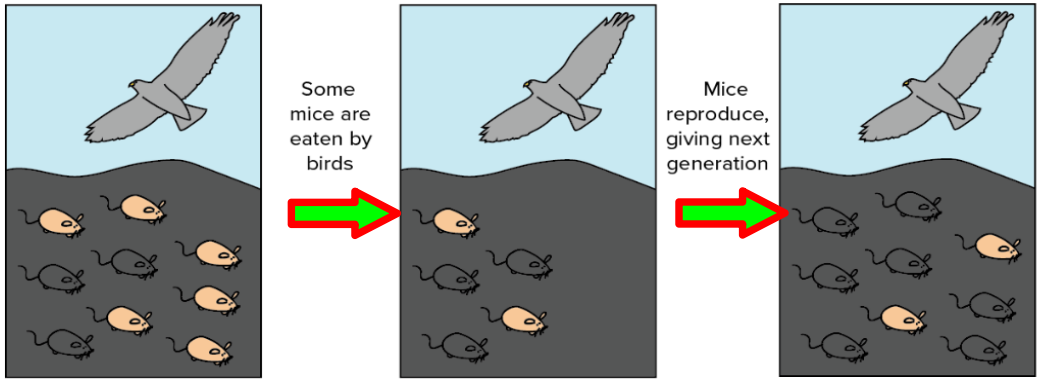
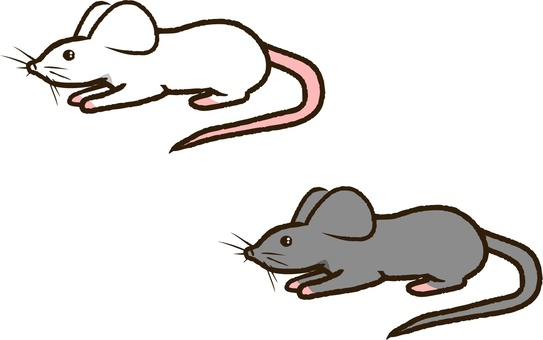
In this scenario, the light mouse population is .

The .

The adaptation (good trait) in this scenario is has the higher fitness because .

Asemmisa {{asɛmmisaAhyɛnsode}}
15.

There must be

Asemmisa {{asɛmmisaAhyɛnsode}}
16.

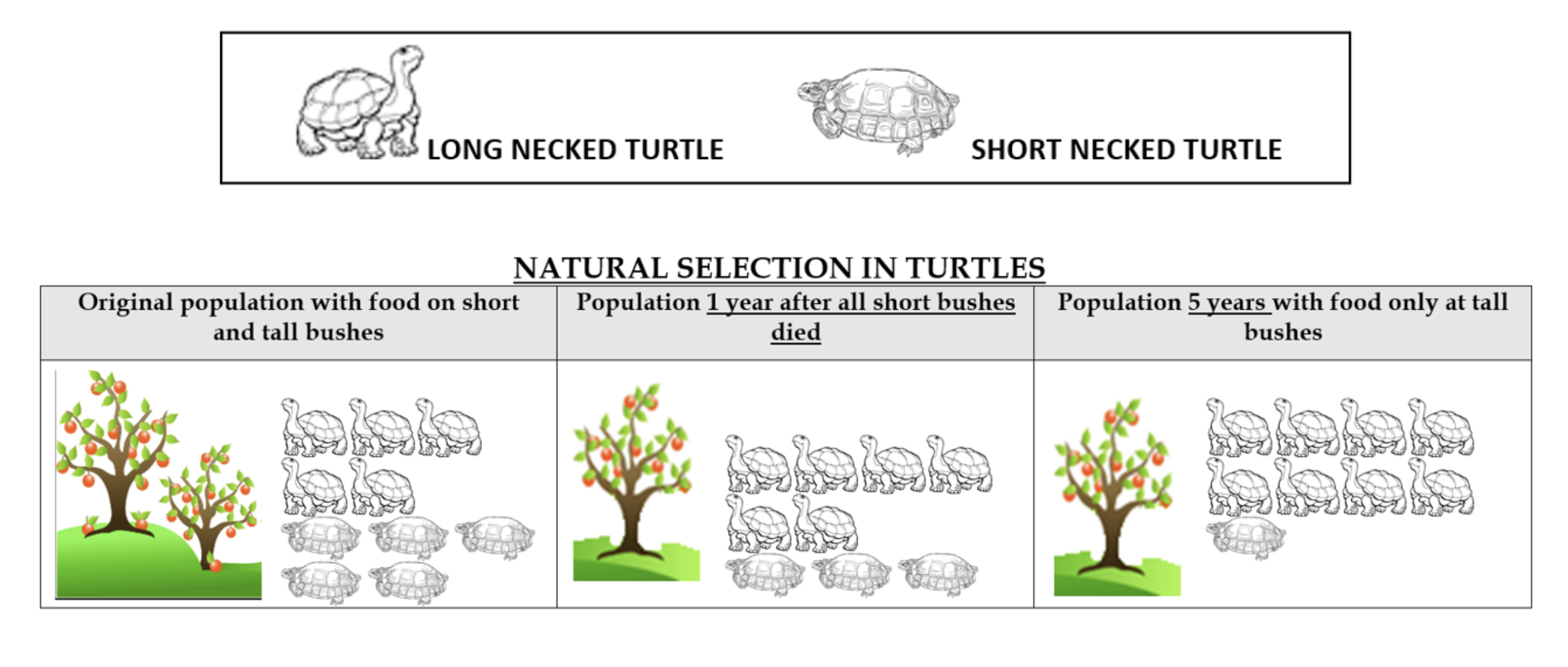
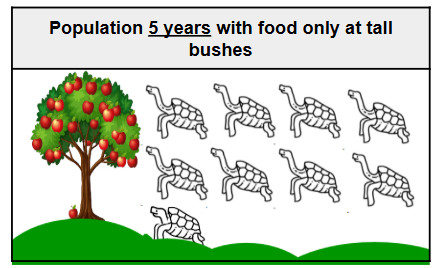
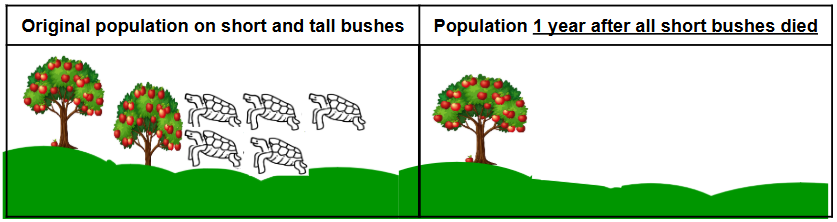
A population of turtles that has both short necks and long necks lives in an area where food is found only at tall bushes.

The variation in this example is.

What would happen to the turtle population if they were ALL short necked?

Asemmisa {{asɛmmisaAhyɛnsode}}
18.

Natural selection is based on all of the following EXCEPT..

Asemmisa {{asɛmmisaAhyɛnsode}}
19.

Some organisms have traits that improve their ability to survive and reproduce. If the traits also help their offspring survive and reproduce, then which of the following will most likely increase?

Asemmisa {{asɛmmisaAhyɛnsode}}
20.

Write a short answer response to the question below, and provide reasoning for your answer.

If you had dark mice and white mice that lived in an area that was covered in snow, which population would INCREASE over time and why?

STEM: The ___________ mice would ________________ in an area that was covered by snow because ___________.