Spring til hovedindhold
Log ind
Sign up for FREE
arrow_back
Bibliotek

Tuesday (02/18) - Blood Typing Crime Scene Lab

star
star
star
star
star
Sidst opdateret 20 days ago
30 Spørgsmål
Blood Typing Background
Crime Scene Analysis
1
1
1
1
1
1
2
1
1
1

The ABO/Rh Blood System

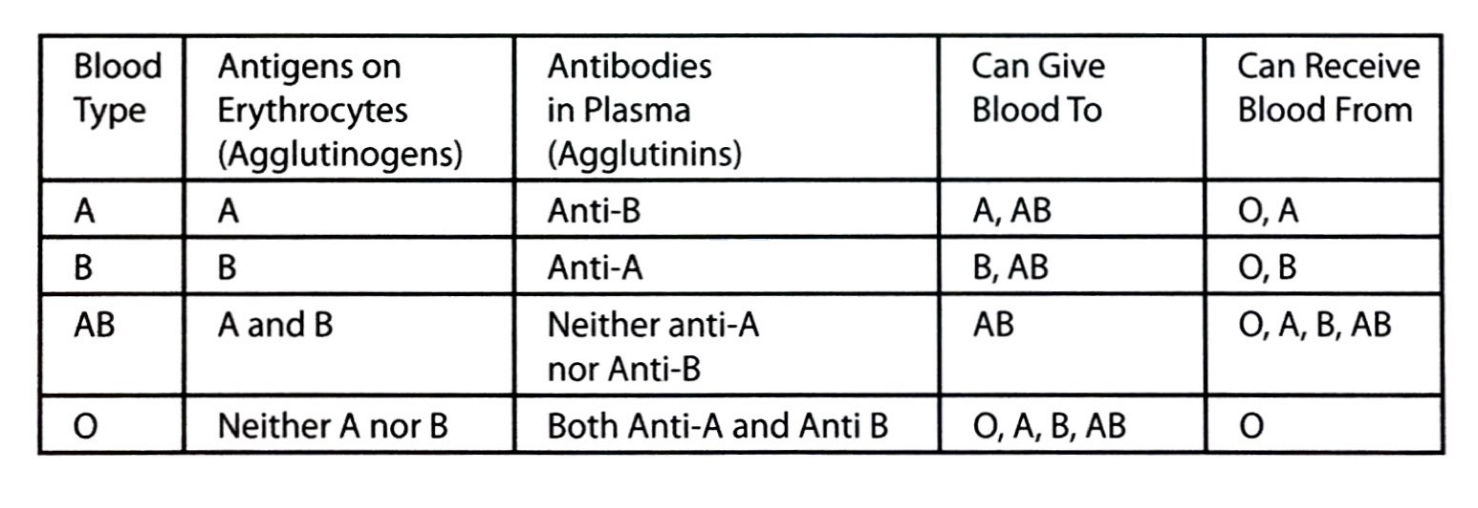
In the early 1900s, a scientist named Karl Landsteiner discovered that there are four main blood types in humans. These blood types are determined by special markers called antigens on the surface of red blood cells. The two main antigens are called A and B.

After birth, the body starts making antibodies—proteins that attack foreign substances—against the antigens that are not present on a person’s own red blood cells. For example:

  • A person with Type A blood has A antigens and makes anti-B antibodies.

  • A person with Type B blood has B antigens and makes anti-A antibodies.

  • A person with Type AB blood has both A and B antigens and does not make anti-A or anti-B antibodies.

  • A person with Type O blood has no A or B antigens and makes both anti-A and anti-B antibodies.

The blood type is determined by the antigens, not the antibodies a person has.

In the U.S., the most common blood type is O (45%), followed by A (39%), B (12%), and the rarest type is AB (4%).

Later, in 1940, Landsteiner and another scientist, Wiener, discovered another set of antigens called Rh factors. These antigens were first found in Rhesus monkeys, which is why they are called Rh factors. A person who has these antigens is Rh+ (positive), while someone who does not have them is Rh- (negative).

Unlike the A and B antibodies, the body does not naturally have Rh antibodies. However, they can be made if an Rh- person is exposed to Rh+ blood, such as during a blood transfusion or when an Rh- mother is pregnant with an Rh+ baby.
1
1
1
1

Testing for Blood Type

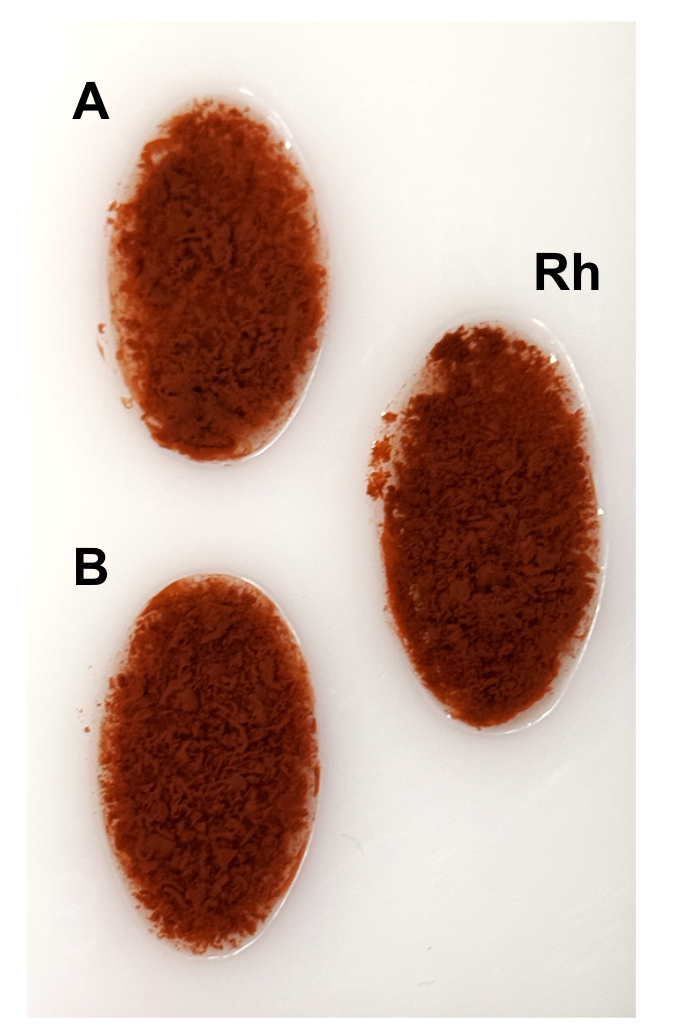
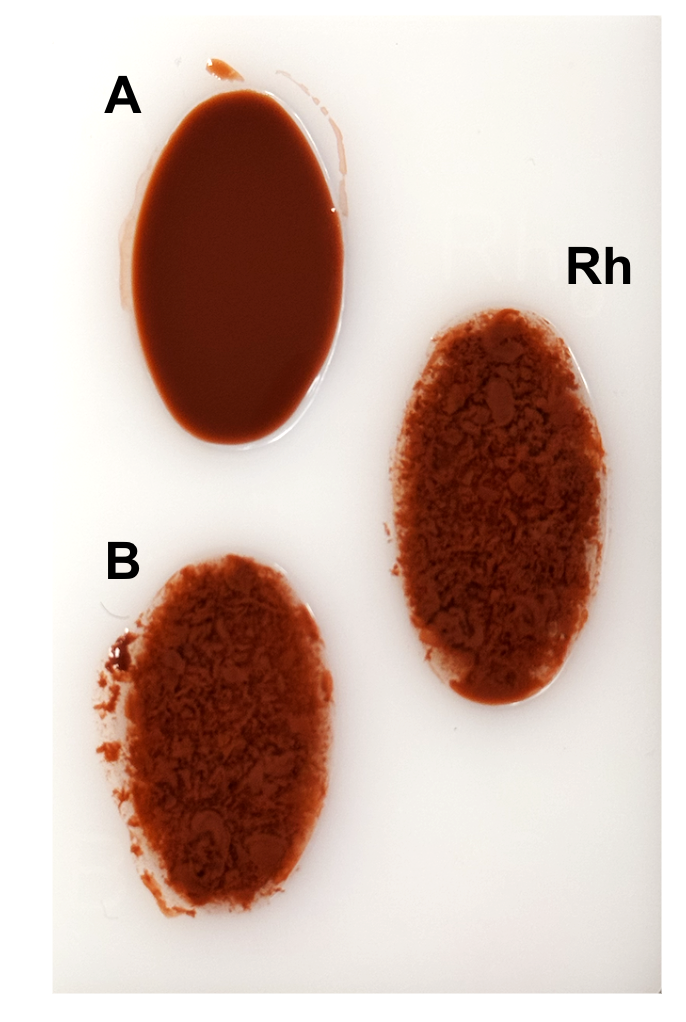
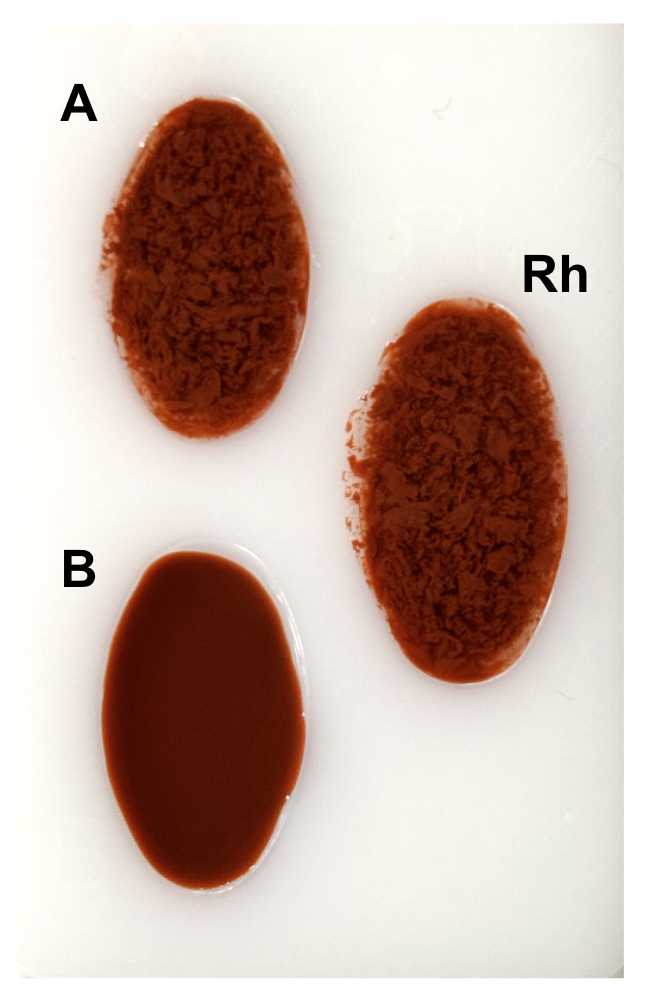
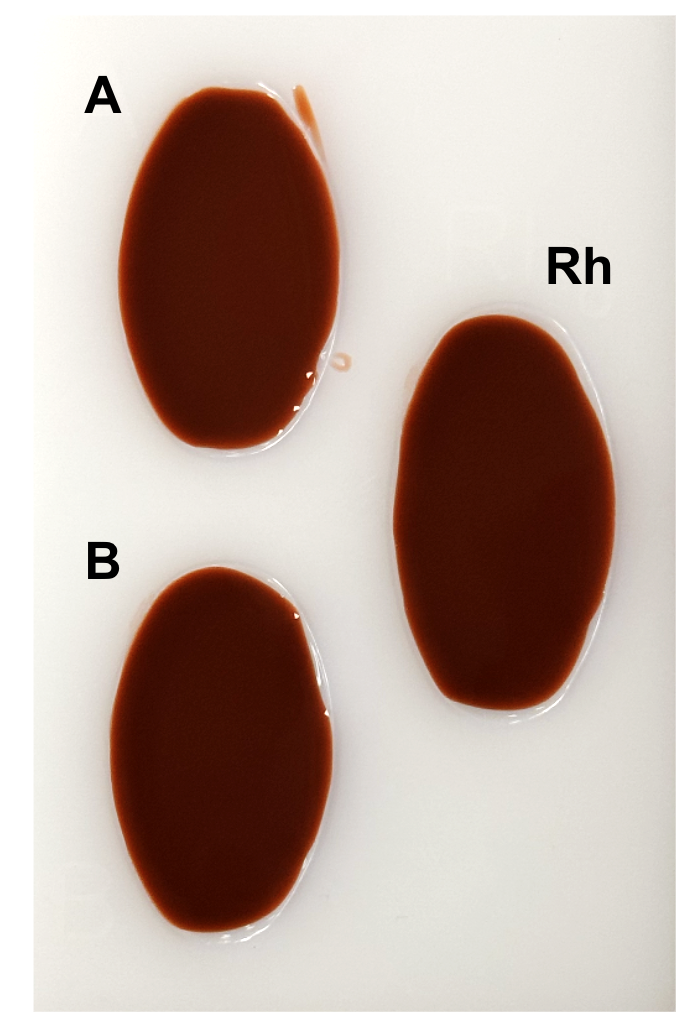
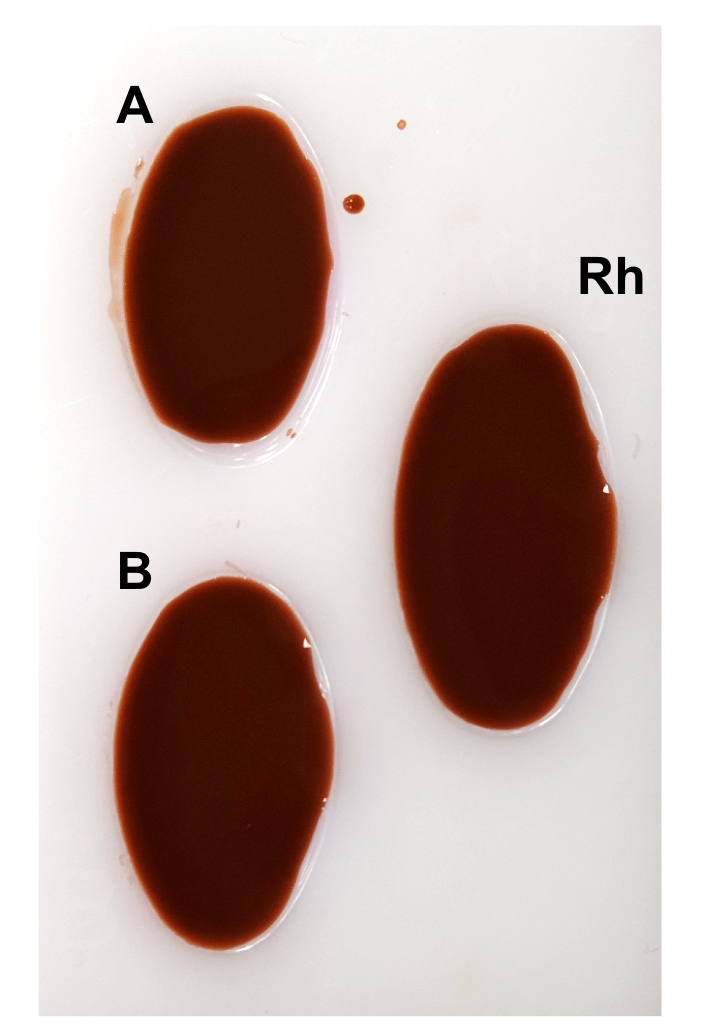
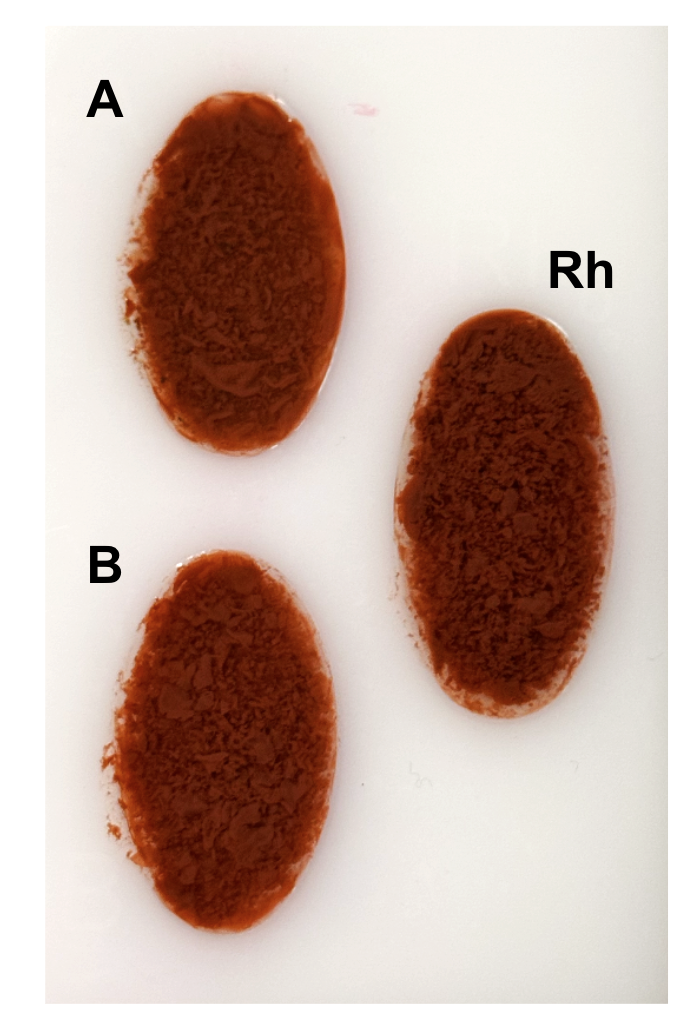
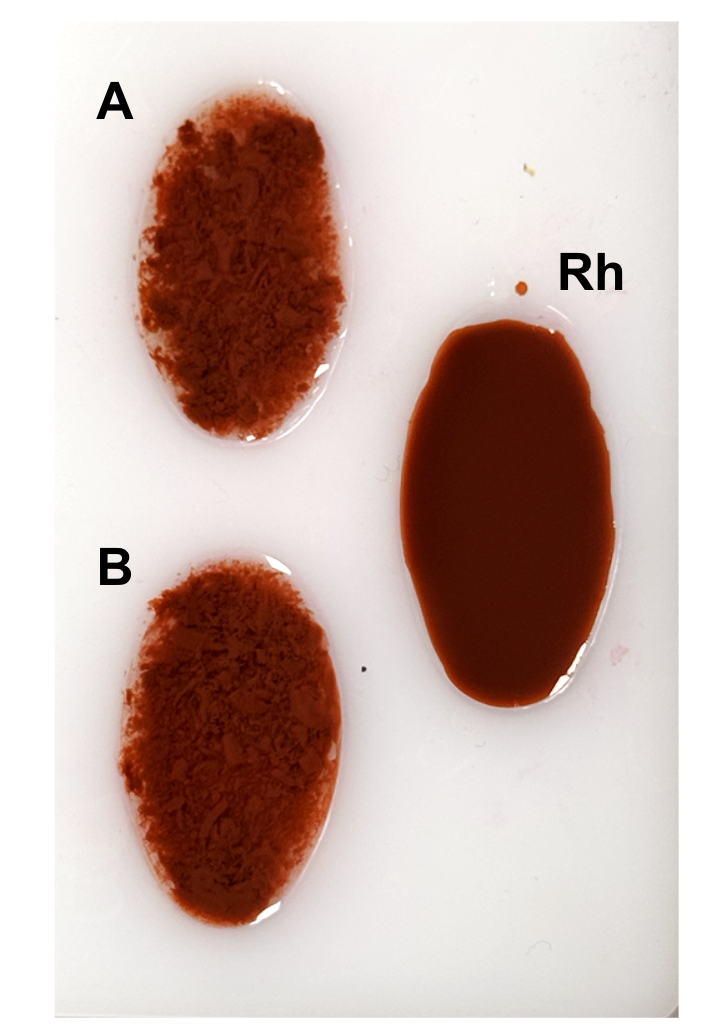
A simple test can be used to figure out a person’s blood type. This test involves mixing a blood sample with three different antibodies: anti-A, anti-B, and anti-Rh.

  • If the blood clumps (agglutinates) only with anti-A, the blood type is A because the antibody reacted with A antigens.

  • If the blood clumps only with anti-B, the blood type is B because the antibody reacted with B antigens.

  • If the blood clumps with both anti-A and anti-B, the blood type is AB because both A and B antigens are present.

  • If the blood does not clump at all, the blood type is O because there are no A or B antigens for the antibodies to react with.

To check for the Rh factor, the blood sample is mixed with anti-Rh antibodies:

  • If clumping happens, the blood is Rh+ (positive).

  • If no clumping happens, the blood is Rh- (negative).

This test helps doctors safely match blood for transfusions and determine blood type for medical purposes.

1
1
1
1
1

The Importance of Blood Typing

People can only receive blood from certain blood types. If the wrong blood type is given in a transfusion, serious problems can happen. The body’s immune system will see the wrong blood type as a threat and attack it.

For example, if a person with Type B blood receives Type A blood, their immune system will react. The anti-A antibodies in their blood will attack the Type A red blood cells. This causes the cells to clump together (agglutinate) and break apart, releasing hemoglobin into the bloodstream. If too much is released, it can be dangerous.

Blood Type and Inheritance A person’s blood type is inherited from their parents. Because of this, blood type can be used in legal cases, such as when there is a question about a child’s father (paternity testing). If the blood types of the mother, child, and the alleged father do not match in a way that makes sense genetically, the man can be ruled out as the father.

Blood Type in Crime Investigations Blood typing is also important in solving crimes. If blood is found at a crime scene, investigators can test it to determine its ABO blood type. This can help rule out suspects or provide evidence if a suspect’s blood type matches the blood found at the scene. While blood type alone cannot prove someone is guilty, it is an important clue in an investigation.

1
Spørgsmål 10
10.

Why is it dangerous to receive the wrong blood type in a transfusion?

1
1
1

From Detective Marcus Wise:

There is a case that I have been working on that needs immediate attention. We are currently investigating the murder of Mr. Lenny Smith. He was stabbed on the right side of his abdomen, and we found a utility knife with blood on it at the scene of the crime. We have also collected several other blood samples found at the crime scene.

We currently have 4 suspects in custody, but we may be able to narrow our suspect list to only one main perpetrator if we can identify the blood types found at the crime scene.

Spørgsmål 14
14.

Use the data table below to keep track of your blood type testing results. Remember, agglutination (clumping) indicates a positive result.

Suspect #1

4
Spørgsmål 15
15.

Anti-A Antibody Results:

Anti-Rh Antibody Results:

Suspect #2

4
Spørgsmål 16
16.

Anti-A Antibody Results:

Anti-Rh Antibody Results:

Suspect #3

4
Spørgsmål 17
17.

Anti-A Antibody Results:

Anti-Rh Antibody Results:

Suspect #4

4
Spørgsmål 18
18.

Anti-A Antibody Results:

Anti-Rh Antibody Results:

Victim

4
Spørgsmål 19
19.

Anti-A Antibody Results:

Anti-Rh Antibody Results:

Utility Knife

4
Spørgsmål 20
20.

Anti-A Antibody Results:

Anti-Rh Antibody Results:

Blood Stain from Crime Scene

4
Spørgsmål 21
21.

Anti-A Antibody Results:

Anti-Rh Antibody Results:

Spørgsmål 22
22.

Based on the blood type testing results, whose blood is on the utility knife?

Spørgsmål 23
23.

Based on the blood type testing results, whose blood is on the stain found at the crime scene?

Spørgsmål 24
24.

Using the information from your blood type analysis, what ABO antigens are present on the murderer's red blood cells?

Spørgsmål 25
25.

What ABO antibodies are found in the murderer's blood plasma?

Spørgsmål 26
26.

If the victim was alive and he needed a blood transfusion, what blood type could he receive?

(Select all that apply)

Spørgsmål 27
27.

What individuals could safely receive blood from the victim?

Spørgsmål 28
28.

You are a defense attorney representing the accused murderer. Your client's blood type matches the blood type found at the crime scene. Explain to the jury why this information alone is not enough to convict your client.

Spørgsmål 29
29.

As the client's attorney, you have also been provided with photos from the crime scene. You notice that in one of the photos, an officer has a bandage wrapped around his hand. How could you use this evidence to your advantage?

Spørgsmål 30
30.

Many times, a suspect might attempt to clean the crime scene to remove DNA evidence. To help with the investigation, a forensic specialist will use a substance called luminol.

What is luminol, and how does it aid investigators at a crime scene? (you will need to research this on Google)

Spørgsmål 1
1.

What determines a person’s blood type?

Spørgsmål 2
2.

Which blood type has both A and B antigens but no antibodies?

Spørgsmål 3
3.

Why is blood type O considered the universal donor?

Spørgsmål 4
4.

If someone is Rh+, this means...

Spørgsmål 5
5.

What does a blood typing test look for?

Spørgsmål 6
6.

If a blood sample clumps when mixed with anti-A antibodies but not with anti-B or anti-Rh antibodies, what is the person’s blood type?

Spørgsmål 7
7.

What happens if a person’s blood does not clump with anti-A or anti-B antibodies?

Spørgsmål 8
8.

How can you tell if someone is Rh positive (Rh+)?

Spørgsmål 9
9.

Why is blood typing important in medicine?

Spørgsmål 11
11.

What happens if a person with Type B blood receives Type A blood?

Spørgsmål 12
12.

How can blood type be useful in paternity cases?

Spørgsmål 13
13.

How is blood typing used in criminal investigations?