Match each of the four biomolecules with its function (job) in your body...
| Draggable item | arrow_right_alt | Corresponding Item |
|---|---|---|
Lipids | arrow_right_alt | Cells in your body metabolize (break down) this for a quick source of energy. |
Proteins | arrow_right_alt | Used for long-term energy storage and insulation (keeps you warm). |
Nucleic Acids | arrow_right_alt | The building blocks of our physical traits |
Carbohydrates | arrow_right_alt | Provides your cells with the instructions they need to make their proteins. |
Which statements best compare a function of proteins and lipids in a human cell?
Identify each statement about enzymes below as being true or false.
True | False | |
|---|---|---|
Enzymes are a special type of protein. | ||
Enzyme have active sites that are specific in shape. | ||
Enzymes can be denatured by temperature or pH. | ||
Enzymes that are denatured can work optimally. |
Enzymes can be found throughout the body including areas such as the brain, stomach, liver, and kidneys. Pepsin and Trypsin are two of the digestive enzymes that break down protein. A group of students studied the pH requirements of these two enzymes. The graph below shows the results.
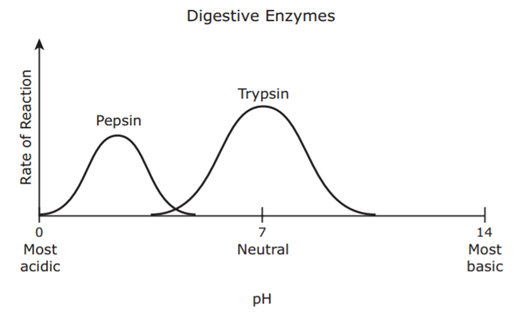
Based on the information in the graph, PEPSIN would likely be found in the of the human body to aide in digestion because it is found at a pH of
When people drink unpasteurized milk, they are at risk of contracting listeriosis, an illness caused by the Listeria bacteria. Symptoms can include fever, muscle aches, nausea, diarrhea, and in severe cases, infection of the nervous system. Health agencies recommend pasteurizing milk to kill harmful bacteria and prevent illness

Why is pasteurization an effective method for preventing listeriosis?
The table below shows the characteristics of both viruses and cells.
Which statements correctly compare viruses and cells?
Select TWO correct answers.
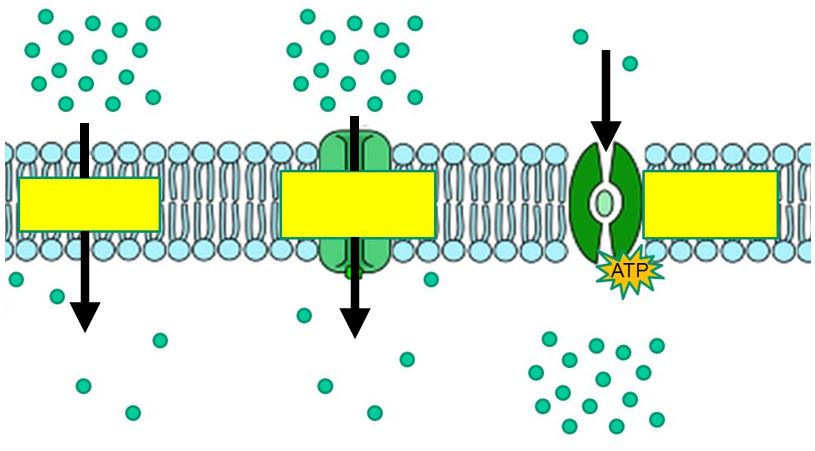
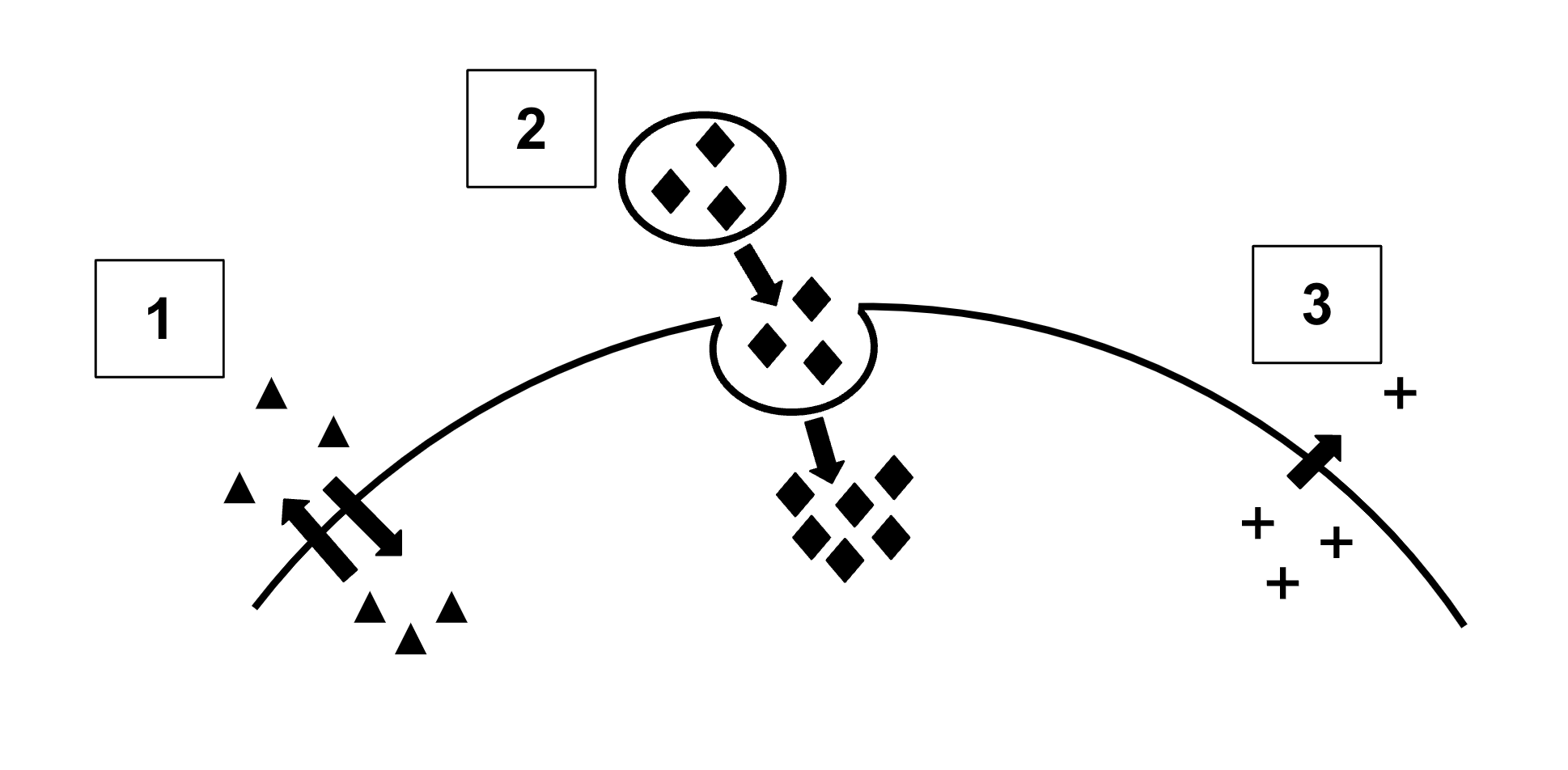
The diagram below depicts THREE examples of Cell Transport. Label each of the THREE examples below.
Move ONE correct answer to each box. Not all answer choices will be used.
Diffusion
Exocytosis
Protein Pump
Facilitated Diffusion
Select ALL that are true about enzymes. (3 Answers)
Which of the following statements correctly describe enzymes?

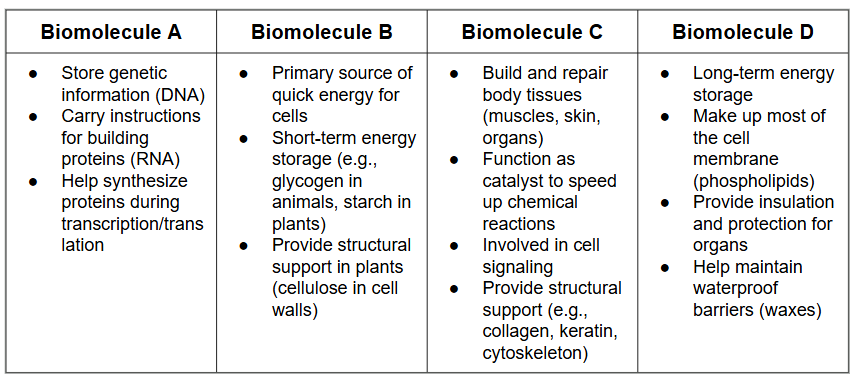
Identify the following biomolecules -
Biomolecule A is
Biomolecule B is
Biomolecule C is
Biomolecule D is
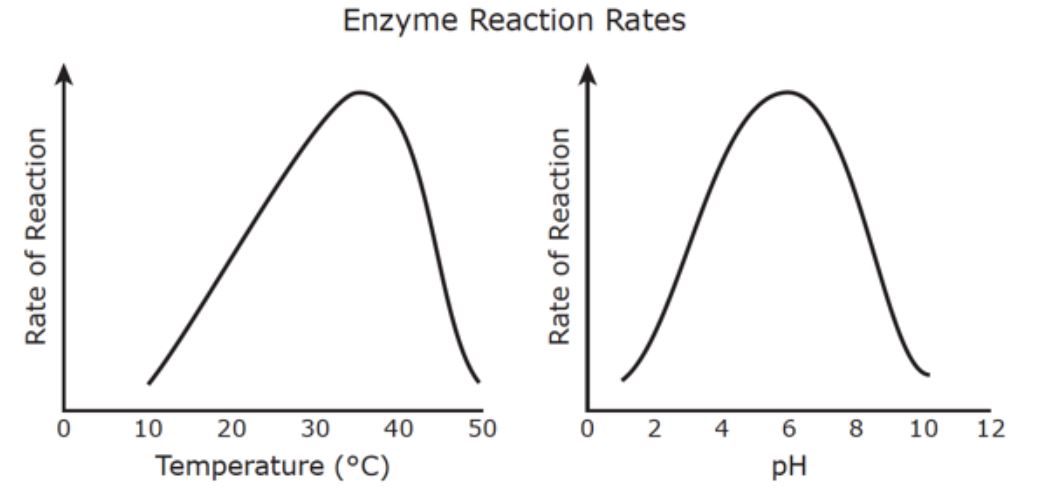
The graphs show the reaction rate for an enzyme across a range of temperatures and pH.
Based on these data, this enzyme functions best at what temperature and pH?
(2018)

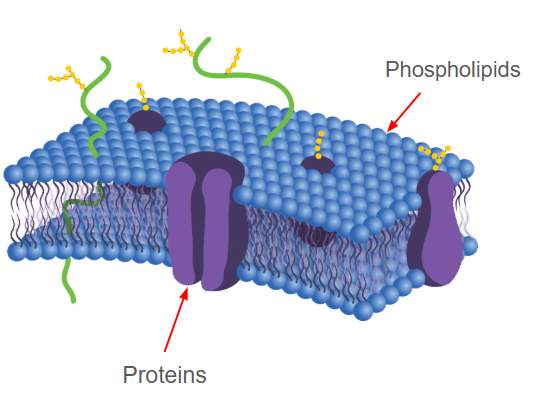
A model of the cell membrane shows that it contains both phospholipids and proteins. What are the roles of these components?
Cells and viruses are very different in structure, but they share some of the same types of biomolecules. Which statement best describes a biomolecule that is found in both living cells and viruses?
The diagram represents the movement of three different substances across a cell membrane.

The movement of molecules in 1 is and it reach equilibrium/homeostasis.
The movement of molecules in 2 is and it reach equilibrium/homeostasis.
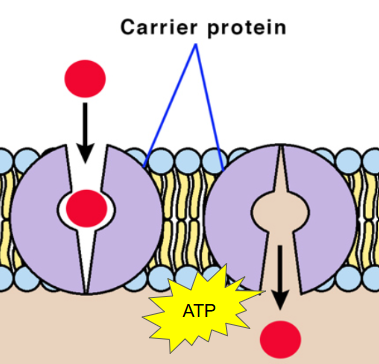
The sodium-potassium pump is a protein in the cell membrane of animal cells. It uses energy to move potassium ions into the cell and push sodium ions out.

What type of cell transport is represented by this diagram?
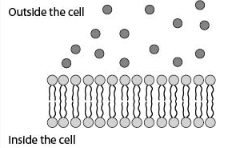
The illustration displays molecules outside of the semipermeable cell membrane.
Which image best represents the diffusion of material after reaching homeostasis?
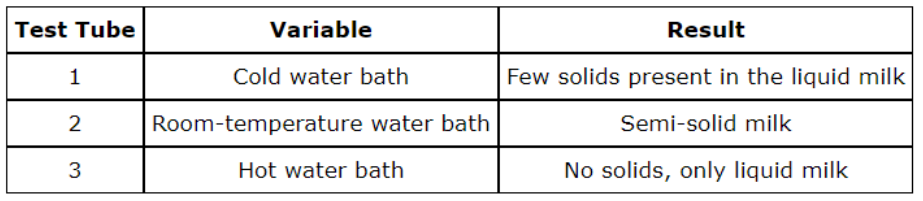
Rennin is an enzyme that catalyzes a reaction that solidifies milk. Rennin was added to three different test tubes with milk. Each test tube was placed in a water bath for ten minutes. The data collected during the experiment are shown.
Which statement best explains the result of test tube 3?
Antibiotics can stop bacterial infections but do not work against viral infections like the flu or COVID-19. Which explanation best describes why antibiotics are effective on bacteria but not on viruses?
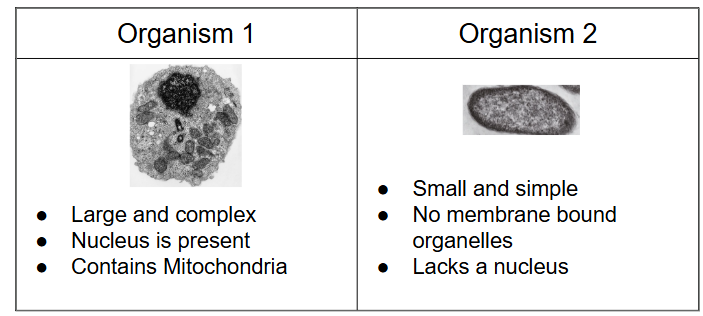
A student observed two organisms under a microscope. After the lab investigation the student wrote down their investigations in a table format.

Based on the student's observations, the student should classify organism 1 as a , and organism 2 as a .
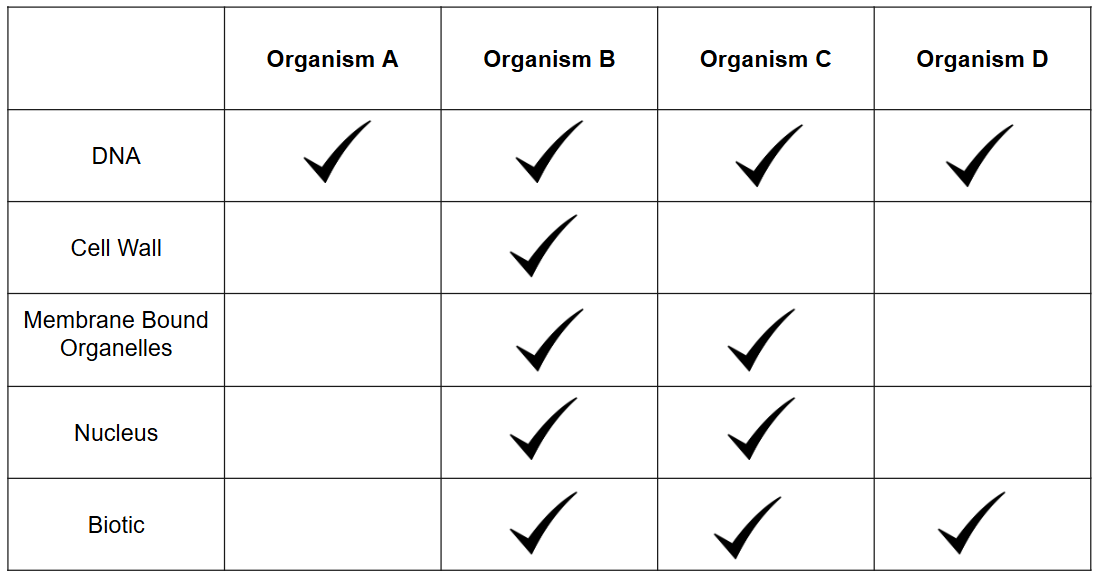
The table below shows characteristics of four organisms.

What terms best classifies the organisms and what evidence supports your answer?
Organism A is a(n) because .
Organism B is a(n) because .
Organism C is a(n) because .
Organism D is a(n) because .
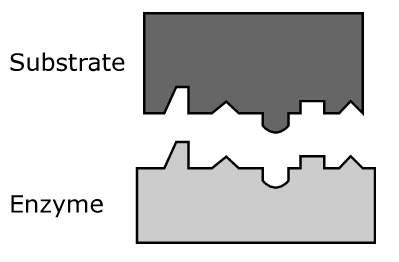
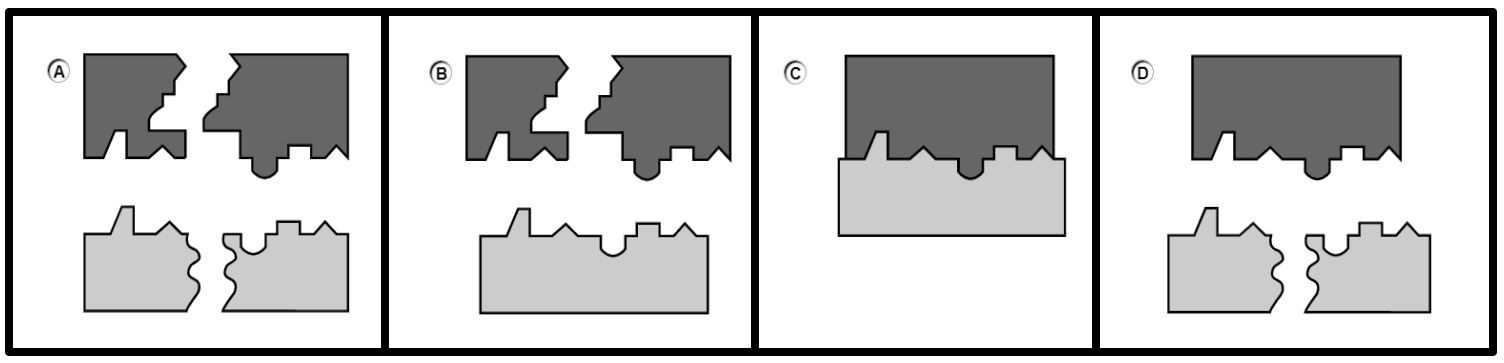
A model of an enzyme and its corresponding substrate is shown.
Which model best represents the molecules at the end of the reaction?