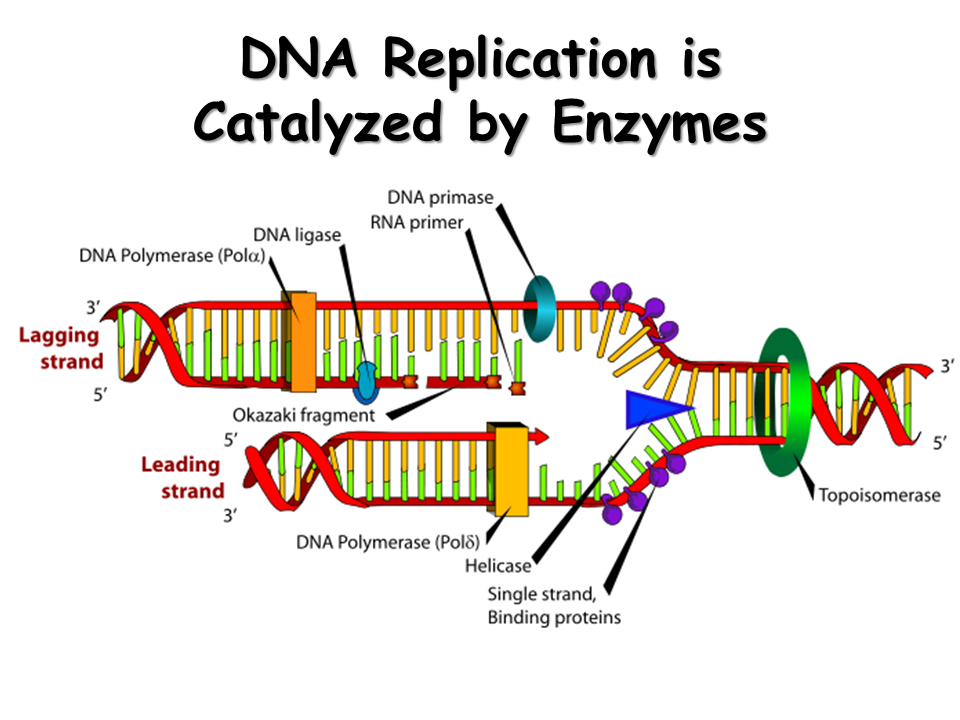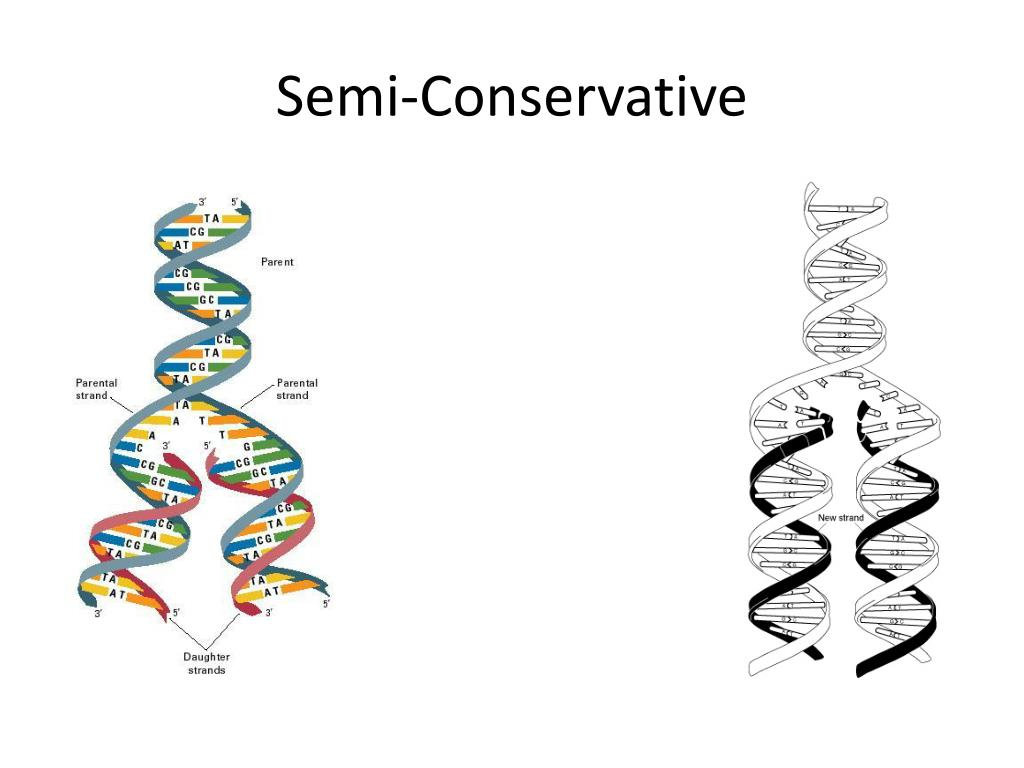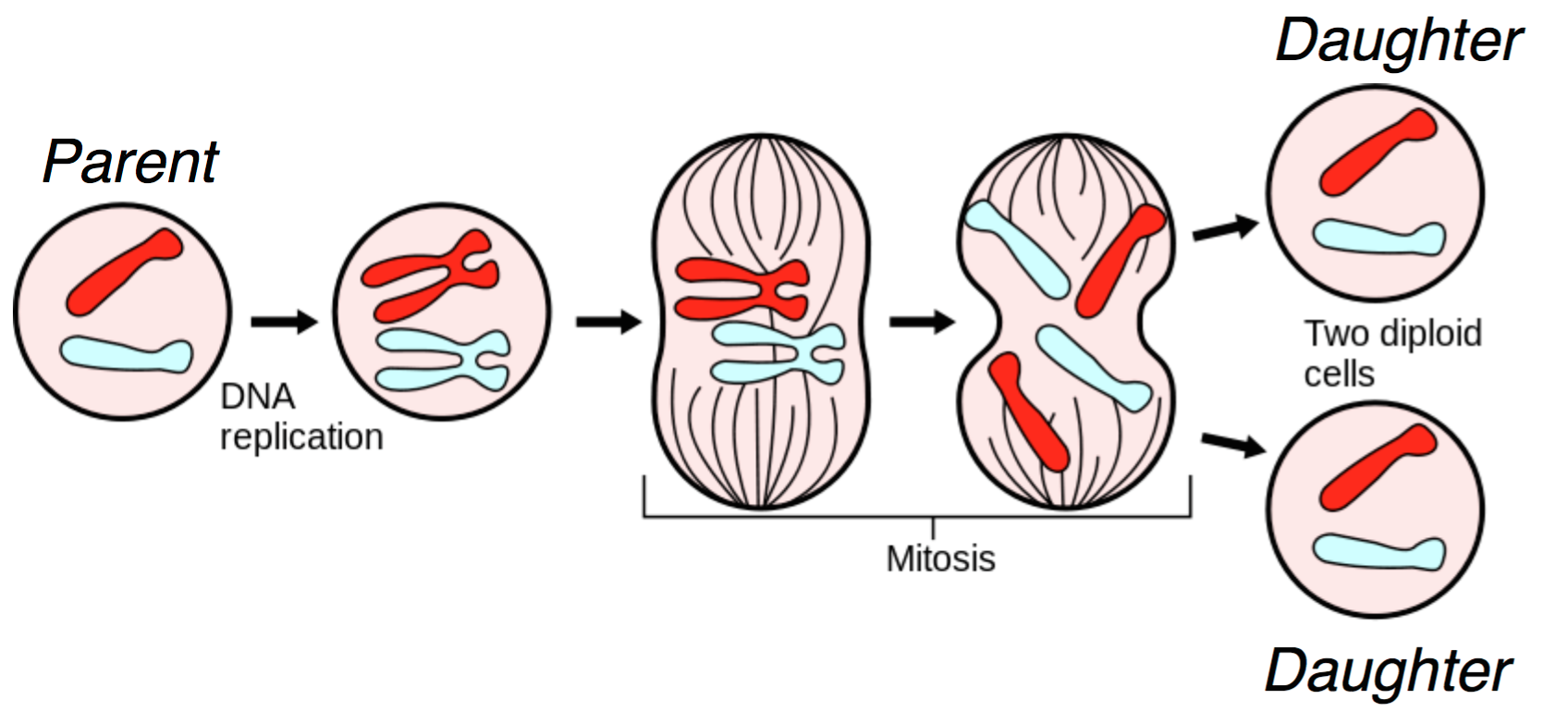
DNA replication is like making a copy of a recipe so that every cell in your body can have the instructions it needs to work properly. It happens during a part of the cell cycle called the S phase. The cell cycle is a series of stages that a cell goes through to grow and divide. First, the cell grows and gets ready to make copies of itself. Then, during DNA replication, it carefully makes an exact copy of its DNA. Finally, the cell divides into two new cells, each with its own set of DNA. This process is essential for growth, healing, and replacing old cells.
Why is it important for DNA Replication to occur before cell division?
DNA replication is like making a copy of a recipe so that every cell in your body can have the instructions it needs to work properly. It happens during a part of the cell cycle called the S phase. The cell cycle is a series of stages that a cell goes through to grow and divide. First, the cell grows and gets ready to make copies of itself. Then, during DNA replication, it carefully makes an exact copy of its DNA. Finally, the cell divides into two new cells, each with its own set of DNA. This process is essential for growth, healing, and replacing old cells.
Why is it important for DNA Replication to occur before cell division?