Copy of 2.2 Macromolecules Mastery Check (7/30/2025)
star
star
star
star
star
Last updated about 3 hours ago
8 Nsɛmmisa
1
1
Ɛhia
1
Ɛhia
1
1
Ɛhia
1
1
Ɛhia
1
Asemmisa {{asɛmmisaAhyɛnsode}}
1.
Which macromolecule primarily composes the membrane's fluid mosaic model?
Asemmisa {{asɛmmisaAhyɛnsode}}
2.
The diagram below represents a process that occurs in organisms. Which statements indicate what A and B in the boxes could represent?
Asemmisa {{asɛmmisaAhyɛnsode}}
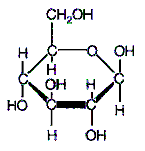
3.
Which major macromolecule is being respresented in this image?
Asemmisa {{asɛmmisaAhyɛnsode}}
4.
The element _____ is found in all of the organic compounds.
Asemmisa {{asɛmmisaAhyɛnsode}}
5.
Carbohydrates are a type of biological macromolecules required to carry out life functions. Which of the following statements regarding carbohydrates is true?
Asemmisa {{asɛmmisaAhyɛnsode}}
6.
Which elements make up the macromolecules below?
Draggable item
arrow_right_alt
Corresponding Item
C H O N
arrow_right_alt
carbohydrates and lipids
C H O
arrow_right_alt
proteins
Asemmisa {{asɛmmisaAhyɛnsode}}
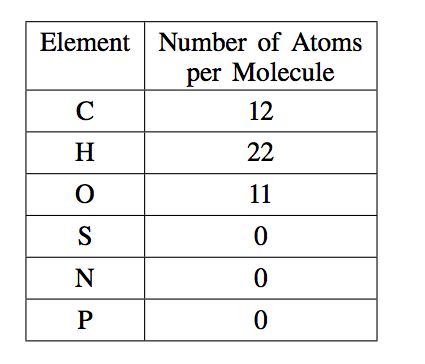
7.
A biochemist was given a sample of an unknown organic compound and asked to determine the class of organic compounds to which it belonged. The chart shown represents the result of the biochemist's analysis of the sample. Based on these results, to which class of organic compounds did this sample belong?
Asemmisa {{asɛmmisaAhyɛnsode}}
8.
Cellulose, starch, and glycogen are all types of carbohydrates but serve different purposes. Cellulose is found in plant cell walls and gives plants their structure; humans can’t digest it, so it helps with digestion as fiber. Starch is how plants store energy, and we get energy from it when we eat foods like potatoes and bread because our bodies break it down into glucose. Glycogen is how animals, including humans, store energy in the liver and muscles; it’s our quick energy reserve that we use when we need an energy boost.
Plants store excess carbohydrates as and animals store excess carbohydrates as .