Twa kɔ nsɛm atitiriw so
Log in
Sign up for FREE
arrow_back
Laabri

SPEAR: Practice EOC Qs

star
star
star
star
star
Last updated about 3 hours ago
14 Nsɛmmisa
Hyɛ no nsow a efi ɔkyerɛwfo no hɔ:

Directions: Work together, use your notes, and use your ONE ATTEMPT wisely 😄

Directions: Work together, use your notes, and use your ONE ATTEMPT wisely 😄

Ɛhia
1
Ɛhia
1
6
Ɛhia
1
Ɛhia
1
Ɛhia
1
Ɛhia
1
Ɛhia
1
Ɛhia
1
Ɛhia
1
Ɛhia
1
Ɛhia
1
Ɛhia
1
Ɛhia
1
Asemmisa {{asɛmmisaAhyɛnsode}}
1.

Prokaryote

Eukaryote

Both

Cell wall

Cell membrane

Nucleoid

Nucleus

Ribosomes

Mitochondria

Cytoplasm

Asemmisa {{asɛmmisaAhyɛnsode}}
2.

Cells can have two kinds of endoplasmic reticulum (ER): smooth ER, which has no ribosomes, and rough ER, which has ribosomes embedded in its membrane. Which of the following would be the most likely direct result if the rough endoplasmic reticulum in the cell of an organism lost all of its ribosomes?

Asemmisa {{asɛmmisaAhyɛnsode}}
3.

Match each job (function) to the cell organelle (structure) that is responsible.
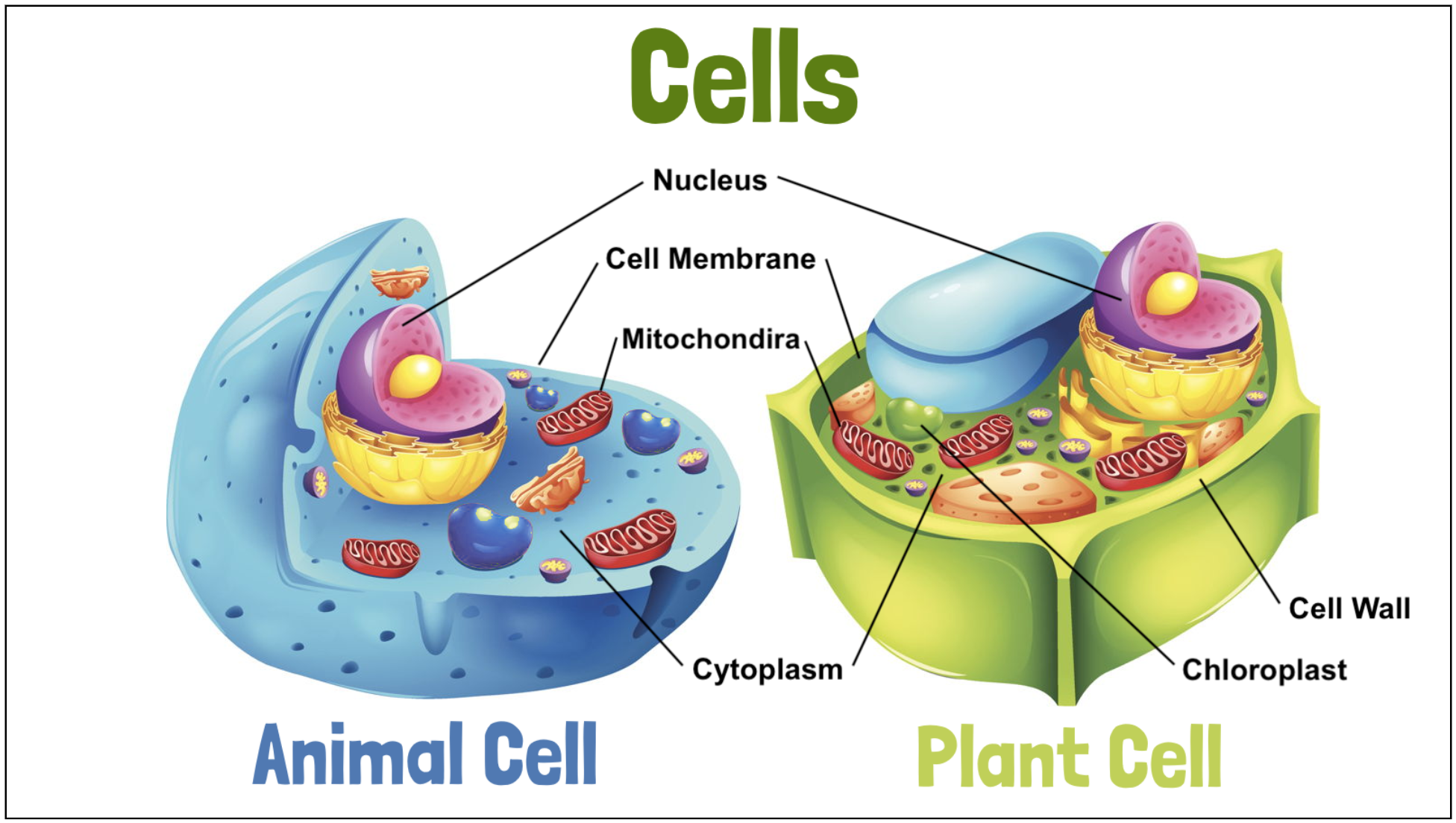
Draggable itemarrow_right_altCorresponding Item

Turns oxygen & food into ENERGY through cellular respiration

arrow_right_alt

Cell membrane

Uses carbon dioxide & water to make FOOD (glucose) through photosynthesis

arrow_right_alt

Nucleus

The jelly-like fluid that fills the cell and keeps the organelles in place

arrow_right_alt

Mitochondria

A sturdy outer layer that gives the cell its shape and structure

arrow_right_alt

Chloroplast

Holds the cells together and protects it from its environment

arrow_right_alt

Cell wall

Uses DNA instructions to tell the parts of the cell what to do and when

arrow_right_alt

Cytoplasm

Asemmisa {{asɛmmisaAhyɛnsode}}
4.

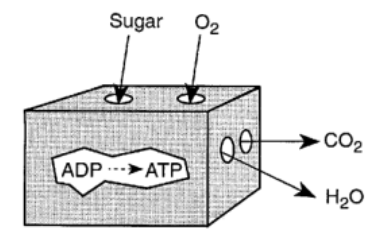
The diagram shown represents some events that take place in a plant cell. In which organelle would these events most likely occur?

Asemmisa {{asɛmmisaAhyɛnsode}}
5.

Asemmisa {{asɛmmisaAhyɛnsode}}
6.

Asemmisa {{asɛmmisaAhyɛnsode}}
7.

A lab technician needs to determine whether cells in a test tube are prokaryotic or eukaryotic. The technician has several dyes she could use to stain the cells. Four of the dyes are described in the table above. Which dye could the technician use to determine whether the cells are prokaryotic or eukaryotic?

Asemmisa {{asɛmmisaAhyɛnsode}}
8.

Cells may have different shapes and different amounts of organelles, depending on their function. Which features do plant cells have that animal cells lack?

Asemmisa {{asɛmmisaAhyɛnsode}}
9.

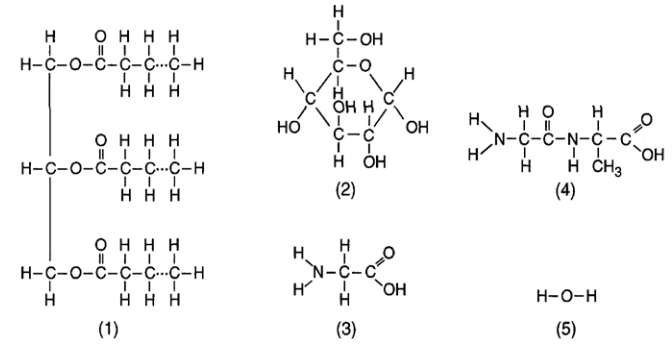
Which of the chemical models shown above is an example of a carbohydrate?

Asemmisa {{asɛmmisaAhyɛnsode}}
10.

Ovalbumin is a protein found in eggs. Which of the following best describes the molecular structure of ovalbumin?

Asemmisa {{asɛmmisaAhyɛnsode}}
11.

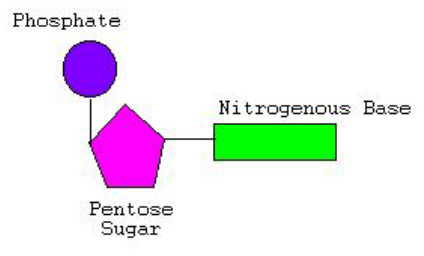
What is the function of the macromolecule subunit shown above?

Asemmisa {{asɛmmisaAhyɛnsode}}
12.

As food travels through the digestive system, it is exposed to a variety of pH levels. The stomach has a pH of 2 due to the presence of hydrochloric acid (HCl), and the small intestine has a pH ranging from 7 to 9. HCl converts pepsinogen into pepsin, an enzyme that digests proteins in the stomach. Which of the following most likely happens to pepsin as it enters the small intestine?

Asemmisa {{asɛmmisaAhyɛnsode}}
13.

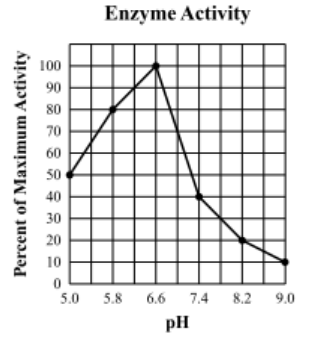
The graph below shows how the activity of an enzyme changes over a range of pH values. Which of the following conclusions can be drawn from this graph?

Asemmisa {{asɛmmisaAhyɛnsode}}
14.

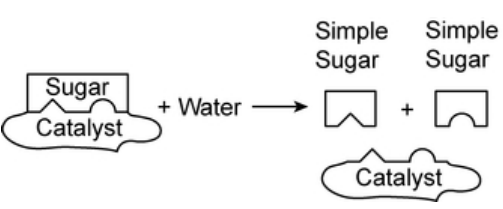
The diagram above illustrates a biochemical process that occurs in organisms. What is another name for the substance labeled "catalyst"?