The cell shown above is a
#20 is the
#21 is the
#19 is the
Mmuae Afoforo a Wobɛpaw:
mitochondria
animal cell
ribosomes
plant cell
lysosome
nucleus
golgi apparatus
Match each cell part with the correct description of its function.
| Draggable item | arrow_right_alt | Corresponding Item |
|---|---|---|
Lysosome | arrow_right_alt | Covered in ribosomes, and therefore involved in the production of proteins |
Ribosome | arrow_right_alt | Site of lipid and carbohydrate synthesis |
Golgi Body/Apparatus | arrow_right_alt | Site of protein synthesis |
Smooth Endoplasmic Reticulum | arrow_right_alt | Organelle containing enzymes that help break down (hydrolyze) large organic molecules |
Rough Endoplasmic Reticulum | arrow_right_alt | Stack of flat membrane enclosures that contain enzymes for processing, sorting, and delivering proteins |
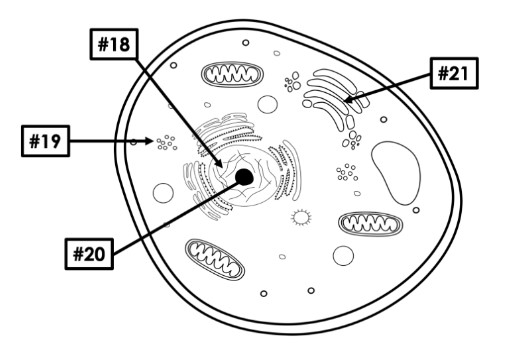
The cell shown above is a
#20 is the
#21 is the
#19 is the
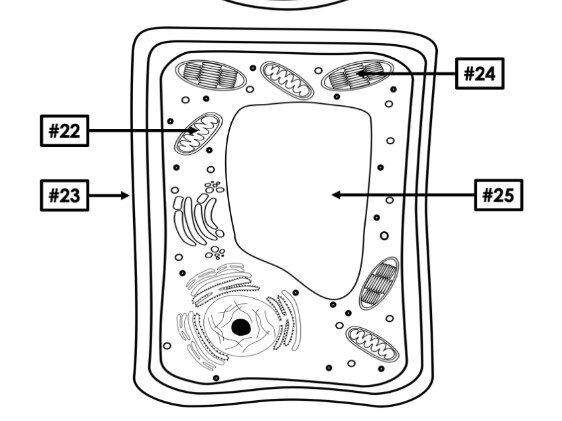
The cell shown above is a
#25 is the
#23 is the
#22 is the .
#24 is the which converts light to glucose (energy) via photosynthesis. This organelle makes leaves look green because the green color is .
What would likely happen if the lysosomes in a cell were damaged?
What is the role of the Golgi apparatus in a cell?
Role of the Central Vacuole in Plant Cells:
In plant cells, the central vacuole stores water, nutrients, and waste products. It maintains turgor pressure, which helps keep the plant cell firm and supports the plant's structure. It also helps with waste disposal and storage.
Role of Vacuoles in Animal Cells:
In animal cells, vacuoles are smaller and temporary. They store nutrients, help with transport, and manage waste, though lysosomes do most of the waste breakdown.
In summary, the central vacuole in plant cells is larger and more important for maintaining cell shape and structure, while animal cells have smaller vacuoles with less critical roles.
Scenario:
Imagine a plant cell where the central vacuole is damaged and unable to store water properly.
Question:
What would likely happen to the plant cell in this scenario?
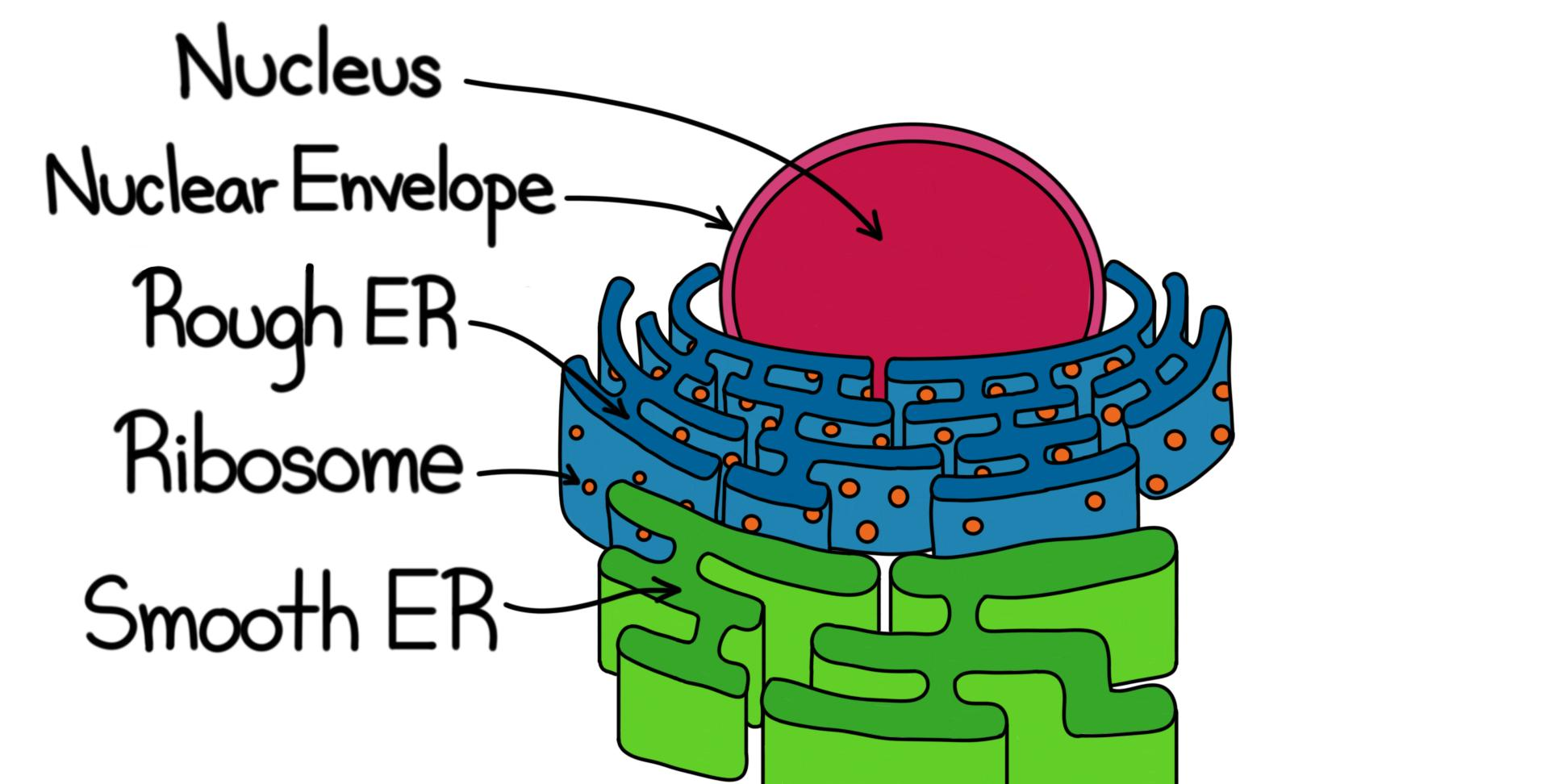
If the endoplasmic reticulum in a cell becomes impaired, what is likely to occur?
What makes the rough endoplasmic reticulum (RER) unique from the smooth endoplasmic reticulum (SER)?
Explanation of the role of chloroplasts:
Chloroplasts are specialized organelles found in plant cells that are responsible for photosynthesis. They contain chlorophyll, a green pigment that captures sunlight. Using sunlight, chloroplasts convert carbon dioxide and water into glucose (a form of sugar) and oxygen. This process provides energy for the plant to grow and carry out other vital functions. Chloroplasts are critical for the plant's ability to make its own food, a process that is essential for its survival and growth.
Scenario:
Imagine a plant where the chloroplasts are no longer functioning, and the plant can no longer perform photosynthesis effectively.
Question:
What would likely happen to the plant if its chloroplasts stopped working?
Apoptosis is a fancy term for "programmed cell death." It’s a way for cells to self-destruct in a controlled manner when they're no longer needed or when they're damaged beyond repair. This is important because it helps get rid of cells that could be harmful or that could lead to diseases if they’re left alone. Inside the lysosomes, there are powerful enzymes that can digest various substances—like old cell parts, waste, and even bacteria or viruses that the cell might have engulfed. When a cell undergoes apoptosis, the lysosomes play a big role. They help to break down and clean up the remnants of the cell that’s dying, making sure that the pieces are safely handled and don’t cause trouble.
What role do lysosomes play in cell apoptosis?
Which two organelles has its own DNA and helps support the endosymbiotic theory?