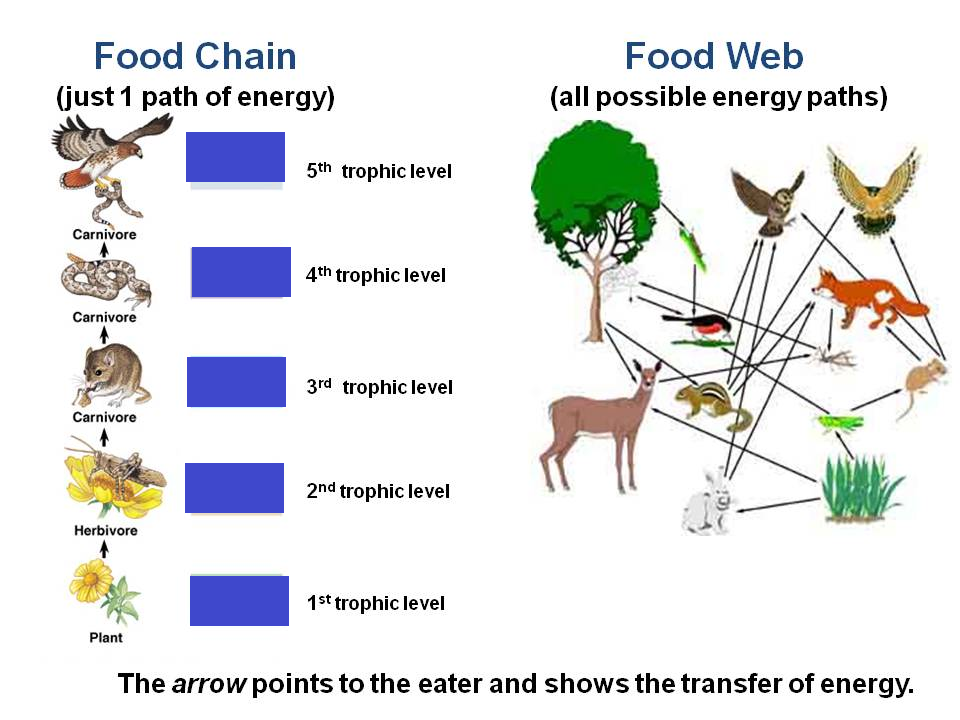
Label each level of the Food Chain below.
Mmuae Afoforo a Wobɛpaw:
secondary consumer
tertiary consumer
primary consumer
quaternary consumer
primary producer
Trophic Levels
| Draggable item | arrow_right_alt | Corresponding Item |
|---|---|---|
teriary consumers | arrow_right_alt | plants and algae |
quaternary consumers | arrow_right_alt | herbivores |
primary consumers | arrow_right_alt | carnivores |
seconeary consumers | arrow_right_alt | predators |
producers | arrow_right_alt | top predators (apex predators) |
Select all that is true for Energy.
Label each level of the Food Chain below.
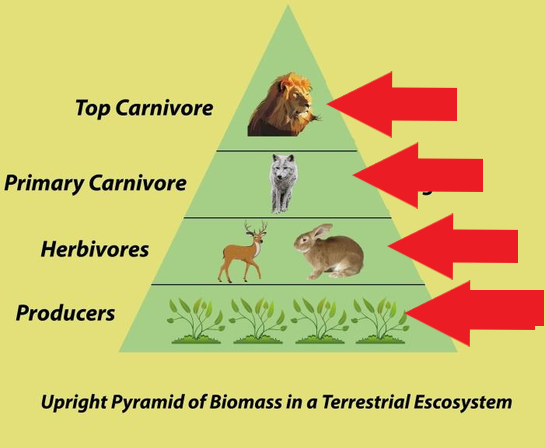
Label each section of the food web below with the correct biomass according to a terrestrial ecosystem.
Label the following iteams as either abiotic or biotic
Whale
Water
Fish
Sand
Snail
Soil
Plant
Sunlight
Biotic
Abiotic
Match the following characteristics of life with their best description and/or example.
| Draggable item | arrow_right_alt | Corresponding Item |
|---|---|---|
Reproduce | arrow_right_alt | Cells --> Tissue --> Organ --> Organ System --> Organism |
Organization of Levels | arrow_right_alt | Organisms can either be unicellular or multicellular. |
Composed of cells | arrow_right_alt | Changes in species over generations |
Evolution | arrow_right_alt | Creating offspring through asexual or sexual reproduction. |
Match the following characteristics of life with their best description and/or example.
| Draggable item | arrow_right_alt | Corresponding Item |
|---|---|---|
Grow and Develop | arrow_right_alt | The human body sweats to maintain temperature. |
Maintain homeostasis | arrow_right_alt | Sunflowers bend towards the sun (stimuli) |
Respond to a stimulus | arrow_right_alt | Autotrophs create their own energy, while heterotrophs gain energy from consuming prey. |
Obtain and use energy | arrow_right_alt | The common housefly starts out in a larva stage. |
Label the following iteams as either abiotic or biotic
all living things
plants
temperature
rainfall
wind
Biotic
Abiotic
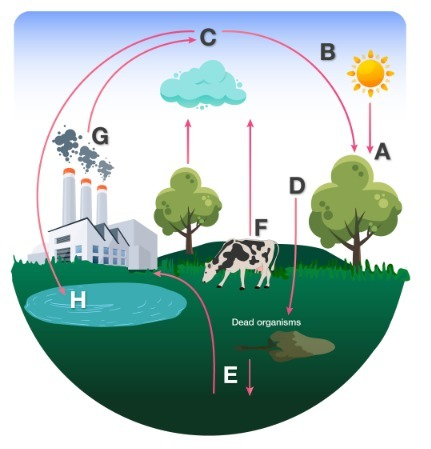
Complete the carbon cycle.
Match the characteristics to the correct type of succession.
Primary Succession | Secondary Succession | |
|---|---|---|
no soil present | ||
soil already exists | ||
starts with pioneer species like lichen | ||
occurs after volcanic eruption or on glaciers | ||
organisms can already be present | ||
occurs after hurricane or wildfire | ||
most common type |
Symbiotic Relationships
| Draggable item | arrow_right_alt | Corresponding Item |
|---|---|---|
mutualism | arrow_right_alt | only the bacteria will benefit; human host is not harmed |
parasitism | arrow_right_alt | both the bacteria and the human host will benefit |
Commensalism | arrow_right_alt | only the bacteria benefits; the human host is harmed |
Symbiotic Relationships
| Draggable item | arrow_right_alt | Corresponding Item |
|---|---|---|
parasitism | arrow_right_alt | A squirrel benefits from the oak tree shelter and food, the oak tree does not benefit. |
Commensalism | arrow_right_alt | In exchange for the benefit of the goby’s eyesight, the shrimp digs and shares its burrow with the goby, and they dwell together in safety. |
mutualism | arrow_right_alt | Tapeworms are flatworms that are found attached to the insides of the intestines of animals such as cows, pigs, etc.. They feed on the host’s partly digested food, depriving it of the nutrients |
Levels of Ecological Organization
| Draggable item | arrow_right_alt | Corresponding Item |
|---|---|---|
ecosystem | arrow_right_alt | individual member of a secies |
biome | arrow_right_alt | all members of one species |
organism | arrow_right_alt | all the organisms living in an area |
biosphere | arrow_right_alt | all the organisms + nonliving things in an area |
community | arrow_right_alt | a generic type of ecosystem that can be found in multiple locations throughout the world |
population | arrow_right_alt | the entire livable portion of planet Earth |
Levels of Ecological Organization
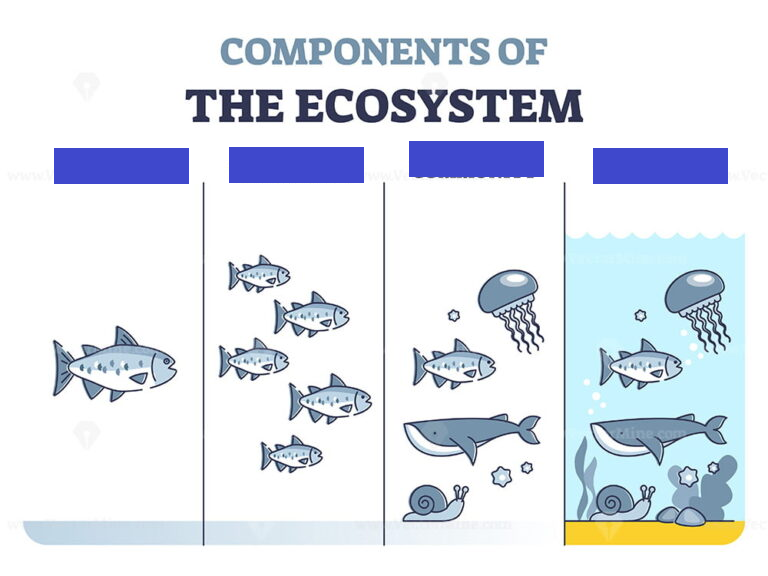
A "niche" is the resources that are used by an organism. Examples of a niche include:
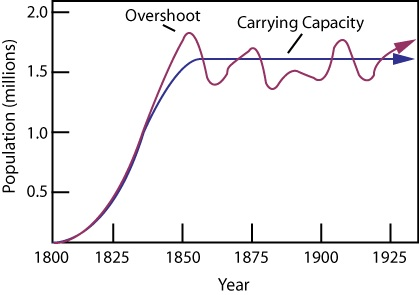
What is the estimated carrying capacity for this population?
What happens to the population that exceeds the carrying capacity?
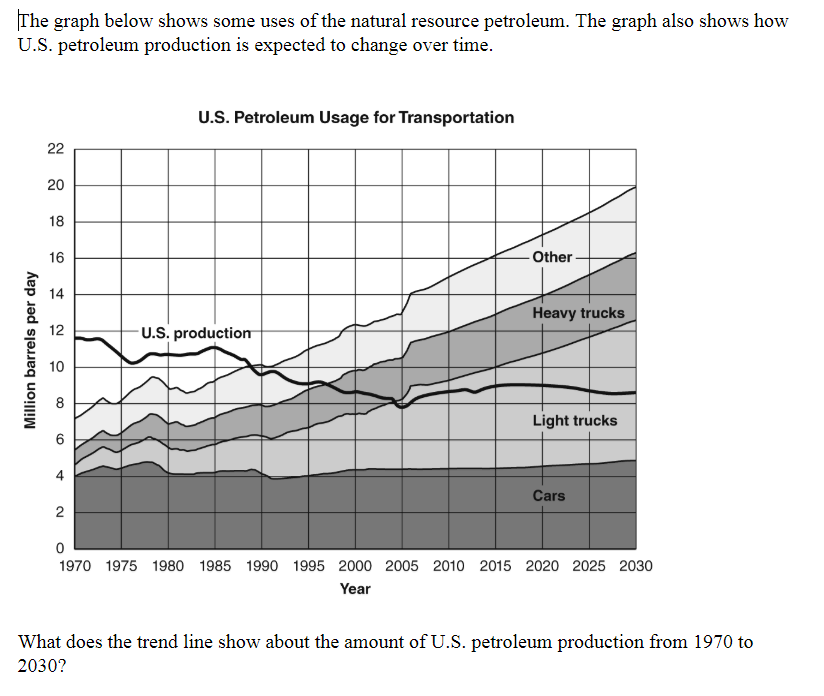
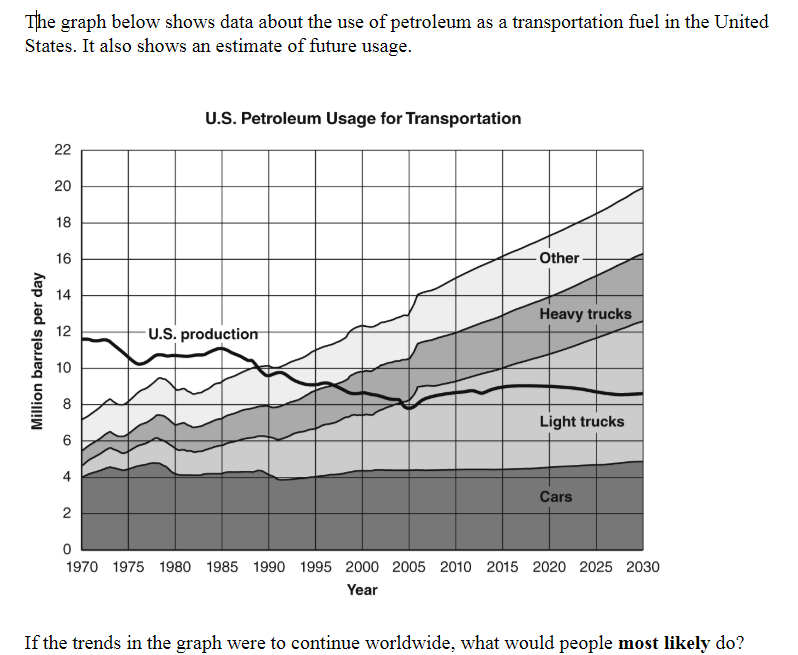
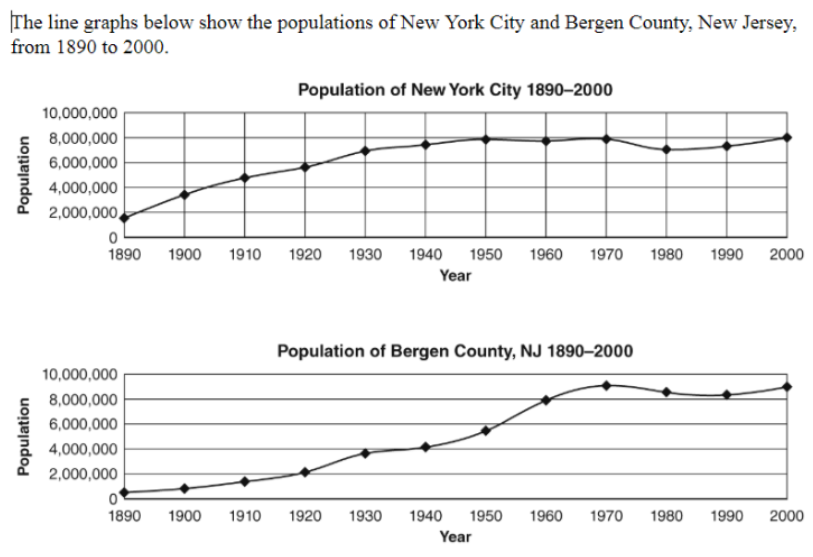
In 2000, about how much larger was the population in Bergen County compared to New York City?
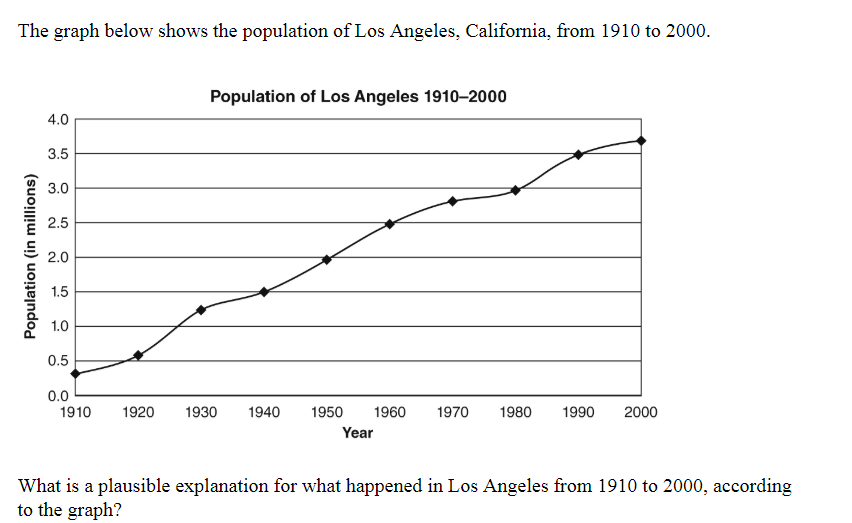
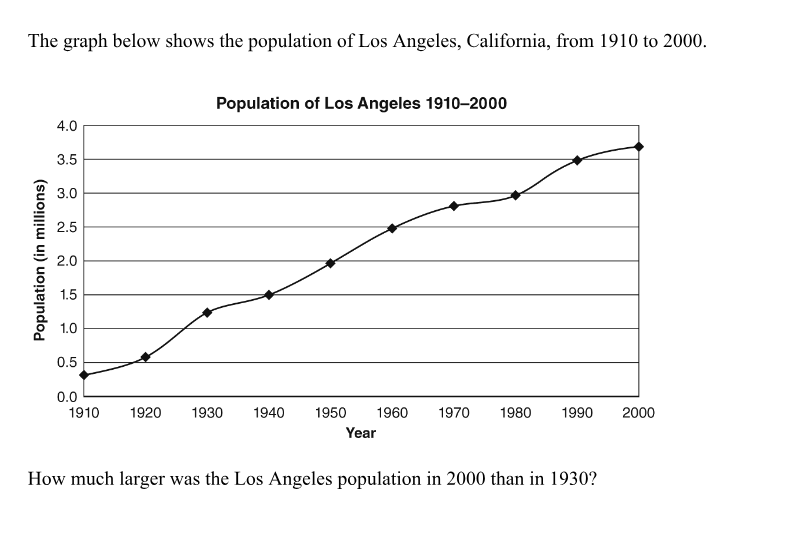
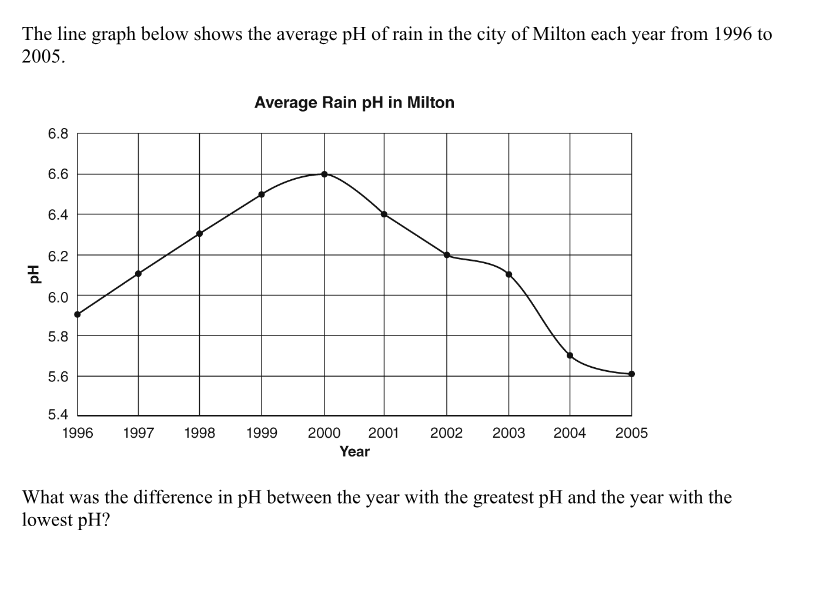
The line graph below shows the average amount of dissolved nutrients in a body of water each year from 1998-2003.
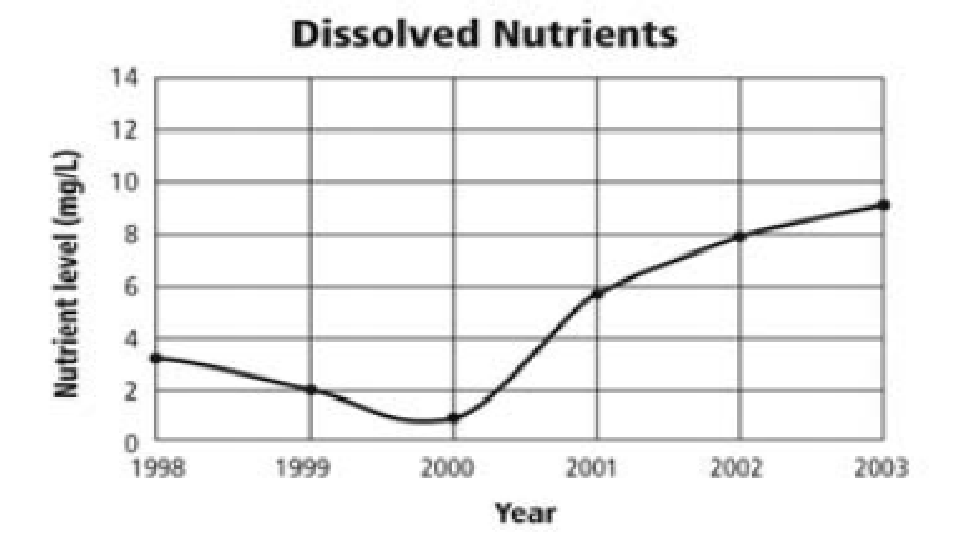
Which human activity most likely affected this body of water between 2000 and 2003?
Determine if each human action has a negative or positive impact to our ecosystems.
Plant more trees after wood has been selected.
Move species to a new habitat.
Use hydroelectric power plants (instead of fossil fuels)
Use more fossil fuels.
Develop more efficient renewable resources
Conserve Energy by lowering thermostate during the winter.
Negative Human Impact
Positive Human Impact