Twa kɔ nsɛm atitiriw so
Log in
Sign up for FREE
arrow_back
Laabri

8.7 Human Impact Lesson

star
star
star
star
star
Last updated about 3 hours ago
17 Nsɛmmisa
Hyɛ no nsow a efi ɔkyerɛwfo no hɔ:
1
1
1
1
1
1
1
1
1
1
Ɛhia
1
Ɛhia
1
Ɛhia
1
Ɛhia
1
Ɛhia
1
Ɛhia
1
Ɛhia
1

Powerpoint link for Fill-in-the-blank Notes: Ecology unit PPT 2022 flattened.pptx (starts on slide 59)

https://youtu.be/TZk6vcmLcKw?si=sFbXQyCppO025nMB???

Powerpoint link for Fill-in-the-blank Notes: Ecology unit PPT 2022 flattened.pptx (starts on slide 59)

https://youtu.be/TZk6vcmLcKw?si=sFbXQyCppO025nMB???

Asemmisa {{asɛmmisaAhyɛnsode}}
1.

Most deforestation occurs for agricultural purposes as farmers cut and burn forests to grow crops. On a local scale, animals living in the forested area will either die or be forced from their habitat. On a larger scale, many plant and animal species may become extinct. What is another global effect of deforestation?

Asemmisa {{asɛmmisaAhyɛnsode}}
2.

A lake that has been affected by acid rain may have an altered pH level. Although the pH may be lower than normal, the lake may still appear blue and clear. Which of the following best explains why this may occur?

*pH is a measure of how acidic/basic a solution is.

*alkalinity = the opposite of acidic

Asemmisa {{asɛmmisaAhyɛnsode}}
3.

Human activities affect the quality and supply of natural resources for future generations. Since the Industrial Revolution, the use of fossil fuels has greatly increased industrial productivity, but it has also caused environmental issues. Which of the following is least likely to be caused by the burning of fossil fuels?

Asemmisa {{asɛmmisaAhyɛnsode}}
4.

Monoculture is the agricultural practice of producing a single crop over a large area. In the 1980s, scientists discovered and produced a monoculture of cotton that was eventually planted throughout the southern states. What could be one possible side effect of the monoculture cotton?

Asemmisa {{asɛmmisaAhyɛnsode}}
5.

Which of these is NOT a fossil fuel?

Asemmisa {{asɛmmisaAhyɛnsode}}
6.

Which gas is released when fossil fuels are burned and is a major contributor to climate change and global warming?

Asemmisa {{asɛmmisaAhyɛnsode}}
7.

What happens when an ecosystem becomes less diverse?

Asemmisa {{asɛmmisaAhyɛnsode}}
8.

Which factor has been the main cause of many species becoming endagered or extinct?

Asemmisa {{asɛmmisaAhyɛnsode}}
9.

Which statement best summarizes the effect of human population growth on other species?

Asemmisa {{asɛmmisaAhyɛnsode}}
10.

Why is responsible waste management an important issue?

Asemmisa {{asɛmmisaAhyɛnsode}}
11.

The Marianas flying fox is a species of bat found in the Pacific islands that plays an important role in pollination and seed dispersal.
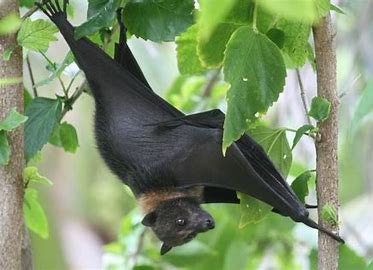
Hunting and habitat destruction have contributed to a drastic decline in their population. If this continues, what would be a consequence of the extinction of the Marianas flying fox?
Asemmisa {{asɛmmisaAhyɛnsode}}
12.

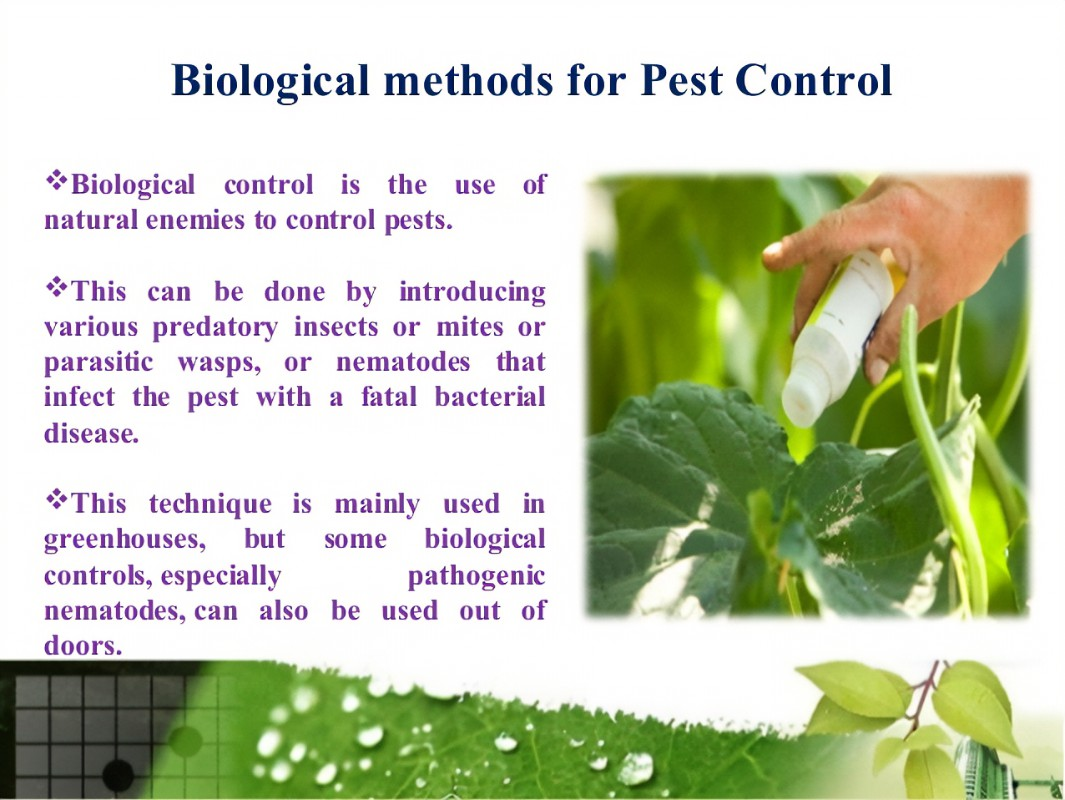
Some farmers have begun using biological pest controls to manage their crops.

Which of the following is an example of using biological pest controls to contribute to sustainability?

Asemmisa {{asɛmmisaAhyɛnsode}}
13.

When an island or coastline is deforested, what happens to the coral reefs in the ocean surrounding the island or coastline?

Asemmisa {{asɛmmisaAhyɛnsode}}
14.

The National Environmental Policy Act (NEPA) was established in 1970, as a result of the growing sustainability movement. NEPA requires all executive federal agencies to perform environmental assessments and environmental impact statements. In 1970, we also celebrated the very first “Earth Day” which took place on April 22nd. In the same year, the U.S. government created the Environmental Protection Agency (EPA) and passed the Clean Air Act. The EPA was formed by executive order to drive environmental research and education, as well as enforcing environmental standards and laws.

Which of the following best describes the main focus of sustainability in the modern world?

Asemmisa {{asɛmmisaAhyɛnsode}}
15.

If a scientist discovers a new synthetic chemical that appears to have many potential uses, why must society be extremely cautious after the new chemical is manufactured?

Asemmisa {{asɛmmisaAhyɛnsode}}
16.

Decomposing plants and other organisms, buried beneath layers of sediment and rock, have taken millennia to become the carbon-rich deposits we now call fossil fuels. These non-renewable fuels, which include coal, oil, and natural gas, supply about 80 percent of the world’s energy. They provide electricity, heat, and transportation, while also feeding the processes that make a huge range of products, from steel to plastics.

When fossil fuels are burned, they release carbon dioxide and other greenhouse gases, which in turn trap heat in our atmosphere, making them the primary contributors to global warming and climate change.

Fossil fuels such as coal, oil, and natural gas supply much of the world's energy. However, these fuels have a tremendous negative effect on the environment. Which of the following would be the best strategy to alleviate this problem?

Asemmisa {{asɛmmisaAhyɛnsode}}
17.

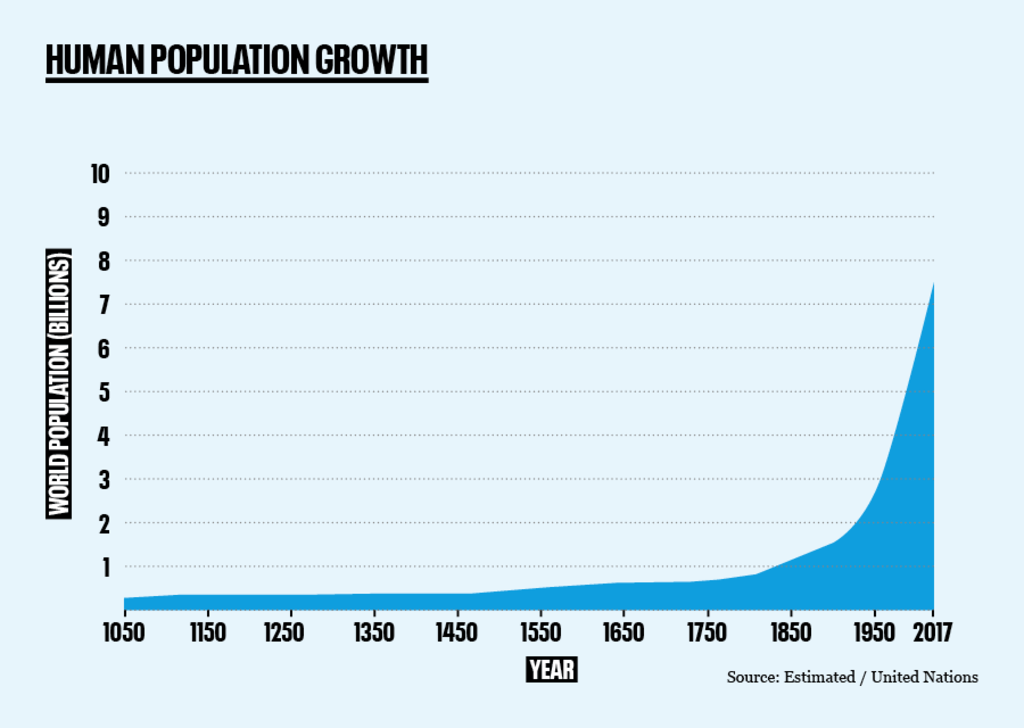
What is the main factor contributing to the increased human population?