Asemmisa {{asɛmmisaAhyɛnsode}}
1.
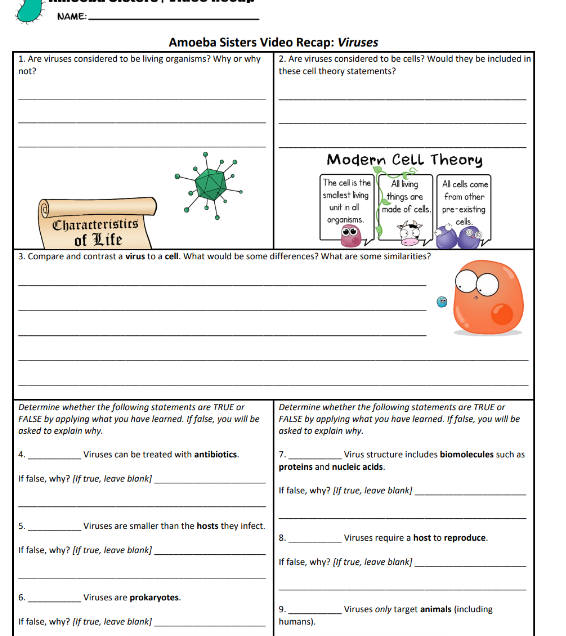
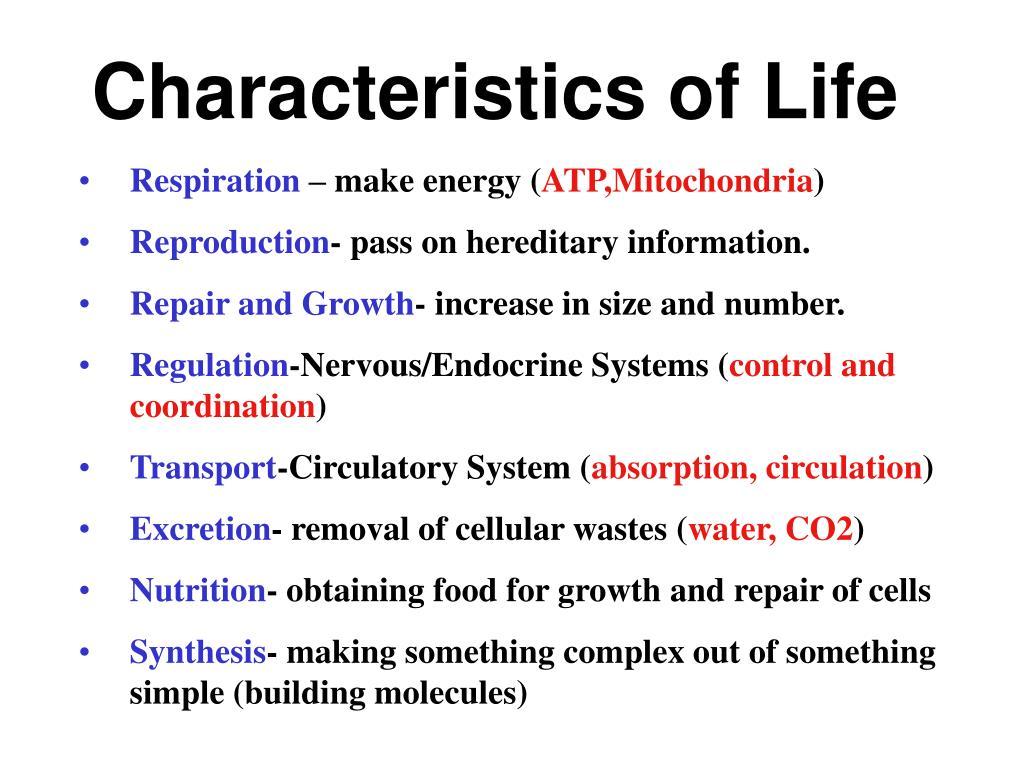
Provide two characteristics of life that viruses exhibit.
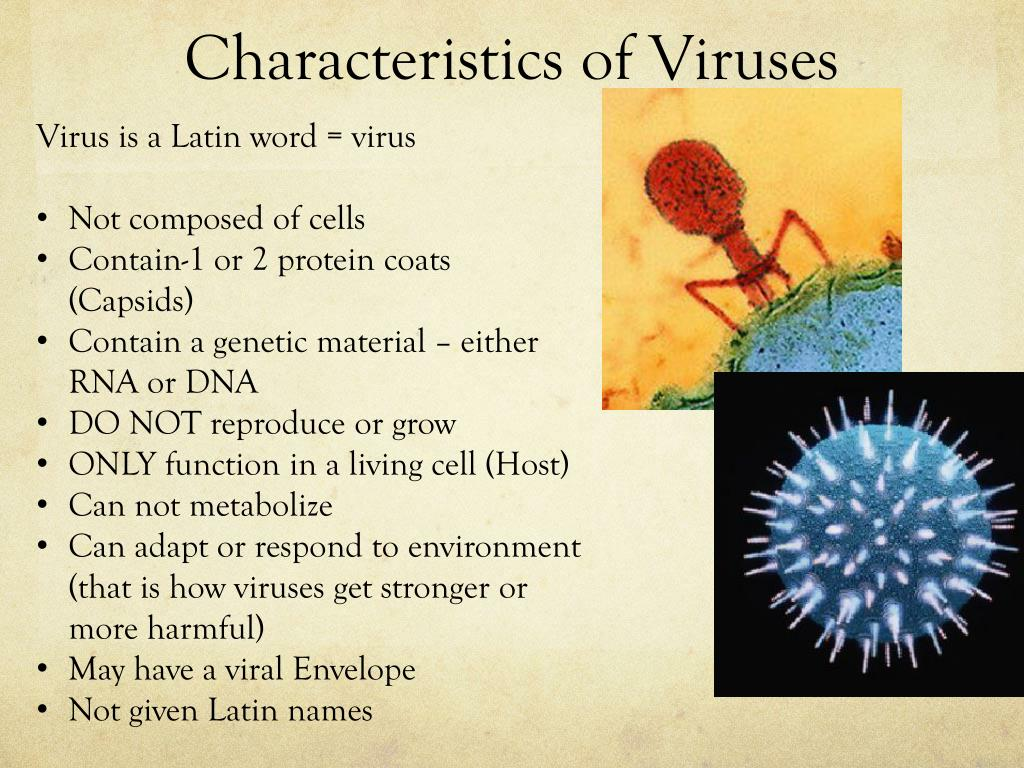
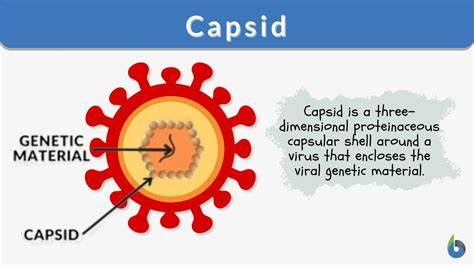
Viruses are made up of a capsid that protects the
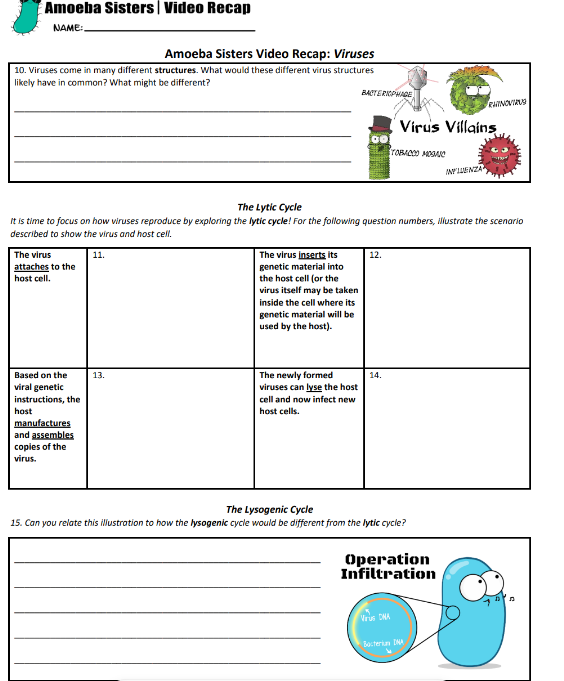
The lytic and lysogenic cycles are two ways that viruses reproduce inside host cells, and they work quite differently:
### Lytic Cycle:
1. **Infection**: The virus attaches to a cell and injects its genetic material.
2. **Copying**: The virus uses the cell's machinery to make many copies of itself.
3. **Assembly**: New virus particles are put together inside the cell.
4. **Bursting**: The cell bursts open, releasing all the new viruses to infect other cells.
This cycle happens quickly and kills the host cell.
### Lysogenic Cycle:
1. **Infection**: The virus attaches to a cell and injects its genetic material.
2. **Hiding**: Instead of making new viruses right away, the virus mixes its genetic material with the host's DNA and stays hidden.
3. **Sleeping**: The virus can stay inactive for a long time while the cell divides and makes new cells with the viral DNA.
4. **Waking Up**: Later, certain triggers can make the virus become active, and it will switch to the lytic cycle to make new viruses.
In short, the lytic cycle is fast and destroys the cell, while the lysogenic cycle lets the virus hide and wait before becoming active.
Lytic Cycle | Lysogenic Cycle | |
|---|---|---|
The virus uses the host to make tons and tons of copies within the cell | ||
The virus is hidden in the cell (dormant) | ||
As the cell divides, the virus is copied each time | ||
The cell lyses (explodes) | ||
Virus is "actively reproducing" |
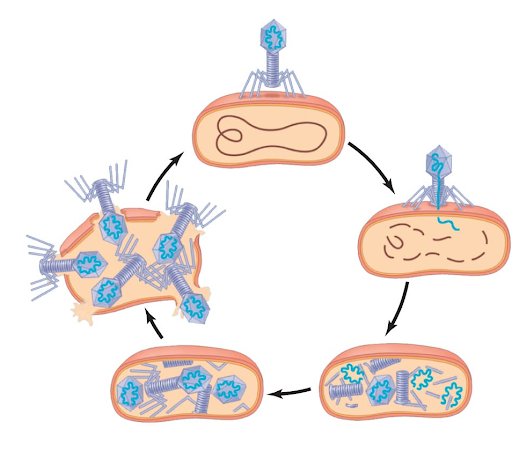
Drag and drop the name of each stage of the lytic cycle in the correct position.
You can use antibiotics to get rid or or kill viruses.
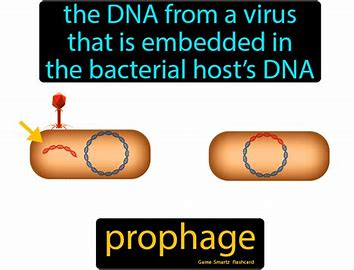
What is a prophage?
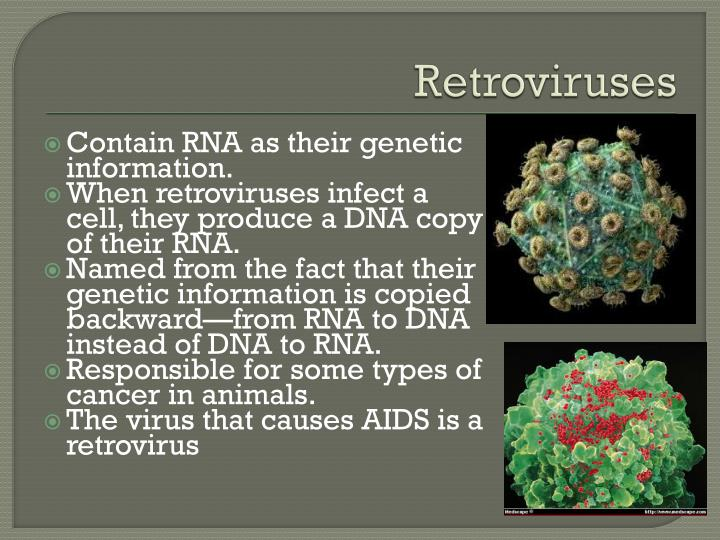
Retroviruses have as their genetic information rather than .
Most important question.... Are viruses alive?