Twa kɔ nsɛm atitiriw so
Log in
Sign up for FREE
arrow_back
Laabri

Unit three remediation (evolution)

star
star
star
star
star
Last updated about 3 hours ago
38 Nsɛmmisa
1
1
1
1
1
1
1
1
1
1
1
1
1
1
1
1
1
1
1
1
1
1
1
1
1
1
SB6d
1
1
1
1
Question 1
00:34
keyboard_arrow_down
1
Asemmisa {{asɛmmisaAhyɛnsode}}
1.

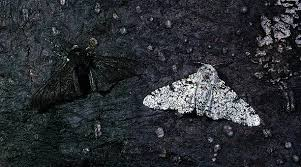
What is the example that the video references to describe "variation in population"?

Question 2
02:09
keyboard_arrow_down
1
Questions 3 & 4
06:38
keyboard_arrow_down
1
Asemmisa {{asɛmmisaAhyɛnsode}}
3.

What is the primary mechanism by which bacteria develop resistance to antibiotics?

1
Question 5
09:25
keyboard_arrow_down
1
Asemmisa {{asɛmmisaAhyɛnsode}}
5.

Which type of natural selection favors individuals at one extreme of a trait distribution?

Asemmisa {{asɛmmisaAhyɛnsode}}
6.

In which type of selection are individuals with average traits favored, while extreme traits are selected against?

Question 7
01:53
keyboard_arrow_down
1
Asemmisa {{asɛmmisaAhyɛnsode}}
7.

Which of the following statements accurately describes the difference between divergent and convergent evolution?

Question 8
01:10
keyboard_arrow_down
1
Asemmisa {{asɛmmisaAhyɛnsode}}
8.

What is coevolution?

Question 9
04:17
keyboard_arrow_down
1
Asemmisa {{asɛmmisaAhyɛnsode}}
9.

Which size population is more vulnerable to genetic drift?

Asemmisa {{asɛmmisaAhyɛnsode}}
10.

Which of the following best describes the process of natural selection in the context of antibiotic resistance?

Asemmisa {{asɛmmisaAhyɛnsode}}
11.

Which factors can contribute to genetic variation over time?

Asemmisa {{asɛmmisaAhyɛnsode}}
12.

What type of evidence helps to support the theory of evolution?

Asemmisa {{asɛmmisaAhyɛnsode}}
13.

The change in populations over time.

Asemmisa {{asɛmmisaAhyɛnsode}}
14.

A mechanism for change in populations where an organism with a favorable trait survives, reproduces, and pass the favorable phenotype to the next generation. Organisms without the favorable phenotype are less likley to survive and reproduce.

Asemmisa {{asɛmmisaAhyɛnsode}}
15.

Body parts that do not have a commom evolutionary origin but are similar in function

Asemmisa {{asɛmmisaAhyɛnsode}}
16.

Evolution occurs in......

Asemmisa {{asɛmmisaAhyɛnsode}}
17.

What is the term for a feature that allows an organism to survive better in its enviroment?

Asemmisa {{asɛmmisaAhyɛnsode}}
18.

The remnant of an organ that had a function in an early ancestor is known as a(n)

Asemmisa {{asɛmmisaAhyɛnsode}}
19.

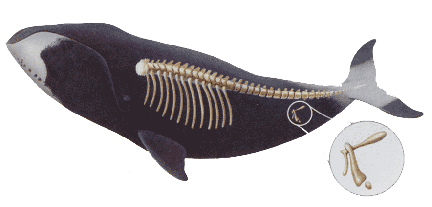
The hind leg bones in whales provide fascinating insight into their evolutionary history. Whales are descendants of land-dwelling mammals that lived around 50 million years ago. These ancestors, such as the early cetaceans like Pakicetus, were amphibious and had limbs adapted for life on land.

As these mammals adapted to life in water, their bodies underwent significant changes. Over millions of years, the hind limbs gradually became less useful for locomotion in water and started to shrink. The bones that used to help whales walk on land are still found in modern whales, but they're much smaller and less developed now.

The hind leg bones in a whale are examples of
Asemmisa {{asɛmmisaAhyɛnsode}}
20.

When the DNA of an organism is altered it is referred to as...

Asemmisa {{asɛmmisaAhyɛnsode}}
21.

Two organisms that are closley related would have

Asemmisa {{asɛmmisaAhyɛnsode}}
22.

Why are advantageous traits more likley to be passed onto offspring?

Asemmisa {{asɛmmisaAhyɛnsode}}
23.

The ability of an organism to survive and reproduce in its specific enviroment

Asemmisa {{asɛmmisaAhyɛnsode}}
24.

Differences between members of the same species.

Asemmisa {{asɛmmisaAhyɛnsode}}
25.

An inherited characteristic that improves the chance for an organism to survive and reproduce is know as a what?

Asemmisa {{asɛmmisaAhyɛnsode}}
26.

Organisms are best suited to their environment and are most likely to survive and reproduce represents the process of...

Asemmisa {{asɛmmisaAhyɛnsode}}
27.

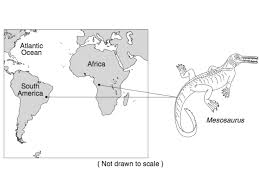
Use the pic above to answer the following question. Which statement best explains why these freshwater Mesosaurus fossils are found in some rock layers in both South America and Africa?

Asemmisa {{asɛmmisaAhyɛnsode}}
28.

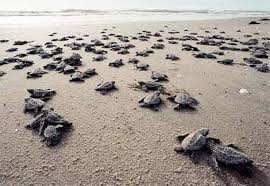
The process of natural selection where many more offspring are produced than can survive.

Asemmisa {{asɛmmisaAhyɛnsode}}
29.
  • Picking parents to create a specific offspring.

  • Brightly colored insects dying off due to predators finding them quickly.

  • Dark colored insects growing in number because predators cannot find them quickly.

  • Farmers producing cows that can make more milk.

  • Cross pollinating trees to grow more apples.

  • Natural Selection

  • Artificial Selection

Asemmisa {{asɛmmisaAhyɛnsode}}
30.

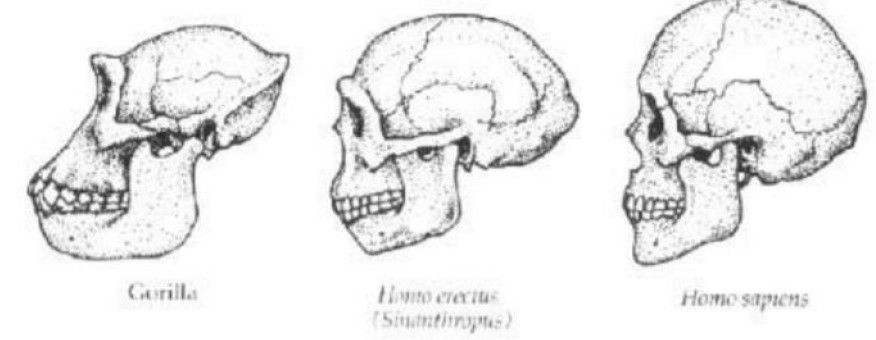
Scientists have found evidence that about 2.4 million years ago a gene regulating jaw muscles mutated and may have led to the more graceful human jaw we see today.

The diagram above shows the skulls of 3 hominid species (Gorilla, Homo erectus and Homo sapiens)

Which of the following could explain the change in jaw size according to the stated evidence .

Asemmisa {{asɛmmisaAhyɛnsode}}
31.

Which graph below BEST illustrates the expected change in the finch population if the environment changes to favor small beaks?

Asemmisa {{asɛmmisaAhyɛnsode}}
32.

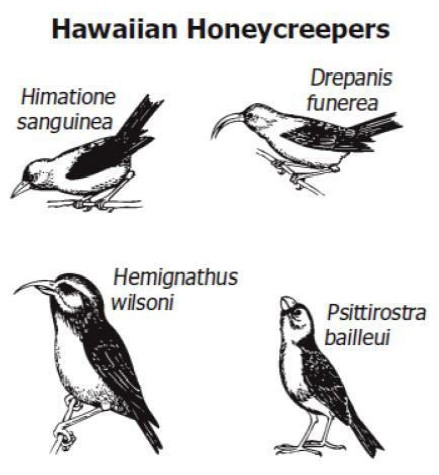
The different species of Hawaiian honeycreepers shown in the diagram below all descended from a single species of North American bird. They now have different beaks, eat different foods, sing different songs, and live in different environments on the islands.

Which factor probably contributed most to the development of these different species?

Asemmisa {{asɛmmisaAhyɛnsode}}
33.

Scientists noted that each of several anole lizard species in the Caribbean Islands has a body type that seems to be well suited for its own habitat. For example, the anole species that live mainly on tree trunks have stocky bodies and long legs. Anoles that live in grassy areas are slender and have very long legs. Scientists also noted that distinct anole species with the same body types can be found on several different islands. These findings are consistent with the mechanism of natural selection, which favors adaptations that allows a species to survive in its environment.

The scientists developed a few hypotheses for the finding that the twig-dwelling anole species found on several of the islands have thin bodies, large toe pads, and short legs and tails. They then performed DNA analysis on each of these twig dwelling species. This analysis revealed that the twig-dwelling species on different islands did not share a recent common ancestor.

Which of these hypotheses is supported by the findings?

Asemmisa {{asɛmmisaAhyɛnsode}}
34.

Scenario:

In a dense forest, a population of rabbits has two distinct fur colorations: brown and white. The brown rabbits blend in well with the forest floor, while the white rabbits stand out against the dark soil and fallen leaves. As winter approaches, food becomes scarce, and predators begin to hunt for the rabbits. Researchers observe that over the course of the winter, the population of brown rabbits increases significantly, while the number of white rabbits declines.

Question:

What is the most likely explanation for the observed changes in the rabbit population?

Asemmisa {{asɛmmisaAhyɛnsode}}
35.

Scenario:

In two different parts of the world, the arctic and the desert, two unrelated species of mammals have evolved similar adaptations to survive in their harsh environments. The Arctic fox has thick fur and a layer of fat to insulate against extreme cold, while the Fennec fox in the desert has large ears that dissipate heat and help it stay cool. Despite their different habitats and ancestry, both species have developed body shapes and features that aid in their survival.

Question:

What type of evolutionary process is demonstrated by the similarities in adaptations between the Arctic fox and the Fennec fox?

Asemmisa {{asɛmmisaAhyɛnsode}}
36.

Scenario:

In a tropical rainforest, a specific species of flower has evolved to produce nectar that attracts a particular species of hummingbird. In return for the nectar, the hummingbird helps pollinate the flower by transferring pollen from one blossom to another as it feeds. Over time, the flower has developed a shape that perfectly fits the hummingbird's beak, while the hummingbird has evolved a longer beak to access the nectar more efficiently. This mutual relationship benefits both species and enhances their survival.

Question:

What evolutionary process is illustrated by the relationship between the flower and the hummingbird?

Asemmisa {{asɛmmisaAhyɛnsode}}
37.

Comparing the wings of a bird, the wings of a bat, and the wings of an insect would serve to illustrate an example of

Asemmisa {{asɛmmisaAhyɛnsode}}
38.

A population of bacteria is exposed to an antibiotic that is effective against them. After several weeks, researchers observe that a small number of bacteria survive and continue to reproduce. These surviving bacteria have a mutation that provides resistance to the antibiotic.

Which of the following best explains why these resistant bacteria are able to survive and reproduce?

Asemmisa {{asɛmmisaAhyɛnsode}}
2.

Which traits are shared by both natural and artificial selection?

Asemmisa {{asɛmmisaAhyɛnsode}}
4.

Why is it important to complete a prescribed course of antibiotics?