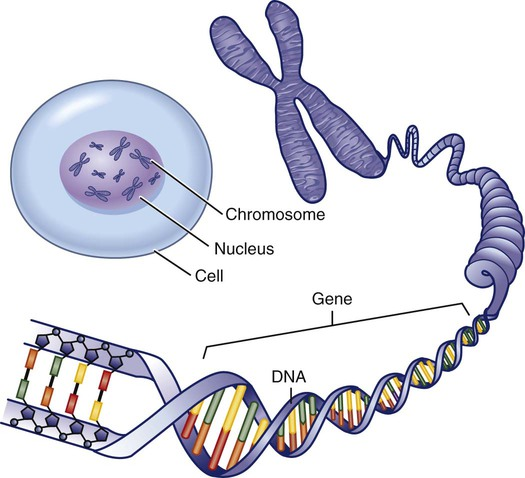
Organize the following from Smallest (at the top) to largest amount of DNA
Organize the following from Smallest (at the top) to largest amount of DNA
Organism
Chromosome
DNA Nucleotide (A,T,G , OR C)
Body Cell (Liver cell or Hair Cell)
Organize the following from Smallest (at the top) to largest amount of DNA
Organism
Chromosome
DNA Nucleotide (A,T,G , OR C)
Body Cell (Liver cell or Hair Cell)
Most animals reproduce this way.
One parent.
Requires male and female organisms.
All offspring are identical.
Produces clones of the parent.
Offspring have different inherited characteristics.
A bacteria splitting in two.
Has two parents.
Asexual
Sexual
Sexual Reproduction | Asexual Reproduction | |
|---|---|---|
Cell divides by meiosis | ||
Body cells produced | ||
Genetic variation | ||
Quick process | ||
Gametes are produced |
Which of the following is a type of cell division?
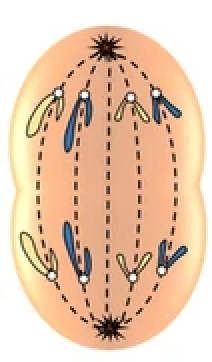
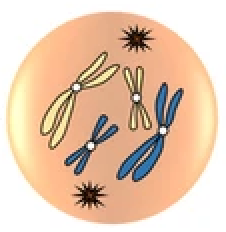
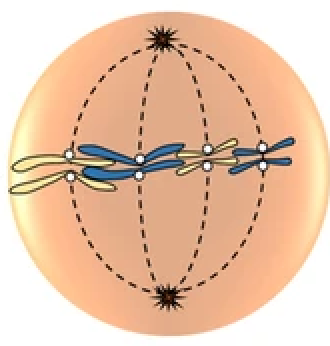
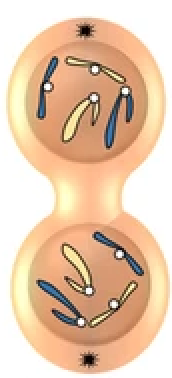
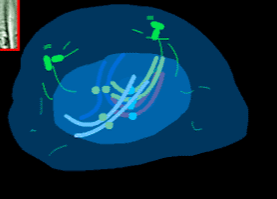
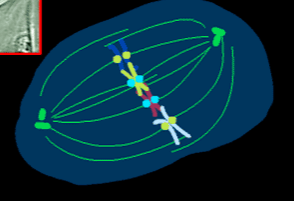
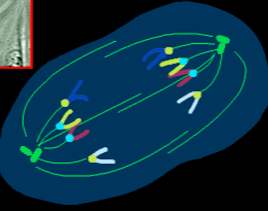
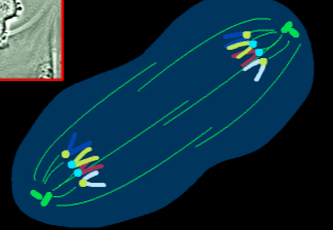
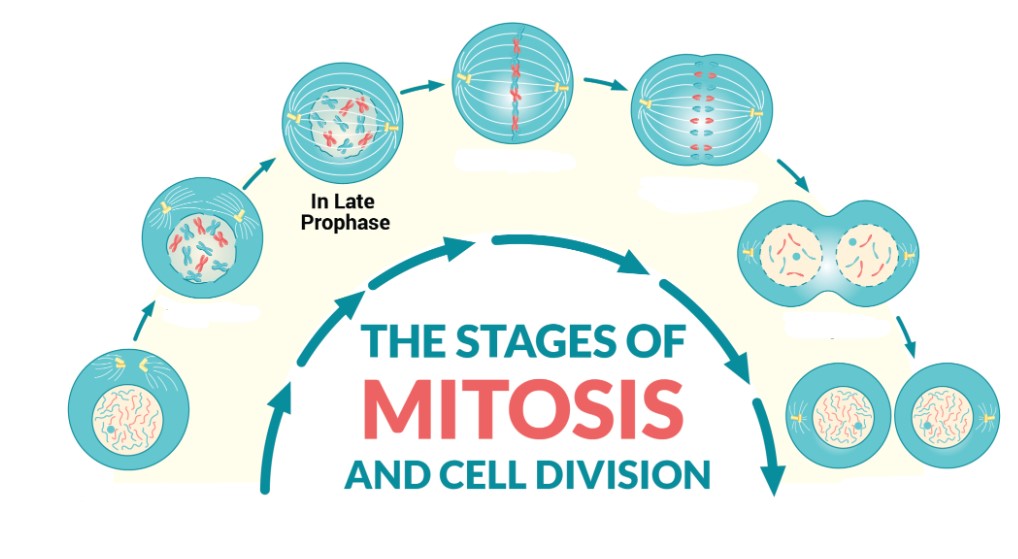
Categorize each cell division function and picture into either Prophase, Metaphase, Anaphase, Telophase, or Cytokinesis. There are two items in each category.
spindles separate and move chromosomes to the poles of the cell
chromosomes are at opposite ends of the cell and nuclei form around them, cytoplasm splits into two new cells
chromosomes are visible & condensing inside the nucleus
nucleus is disassembled and chromosomes line up in the middle of the cell
Prophase
Metaphase
Anaphase
Telophase & Cytokinesis
| Draggable item | arrow_right_alt | Corresponding Item |
|---|---|---|
metaphase | arrow_right_alt | |
telophase | arrow_right_alt | |
prophase | arrow_right_alt | |
cytokinesis | arrow_right_alt | |
anaphase | arrow_right_alt |
use the card set above or the following link: https://quizlet.com/_bkwgy3?x=1jqt&i=281tcf
Match the vocabulary word with its definition AND the image that it best describes. HINT: Each vocabulary word will have one definition and one picture. There are no repeats!
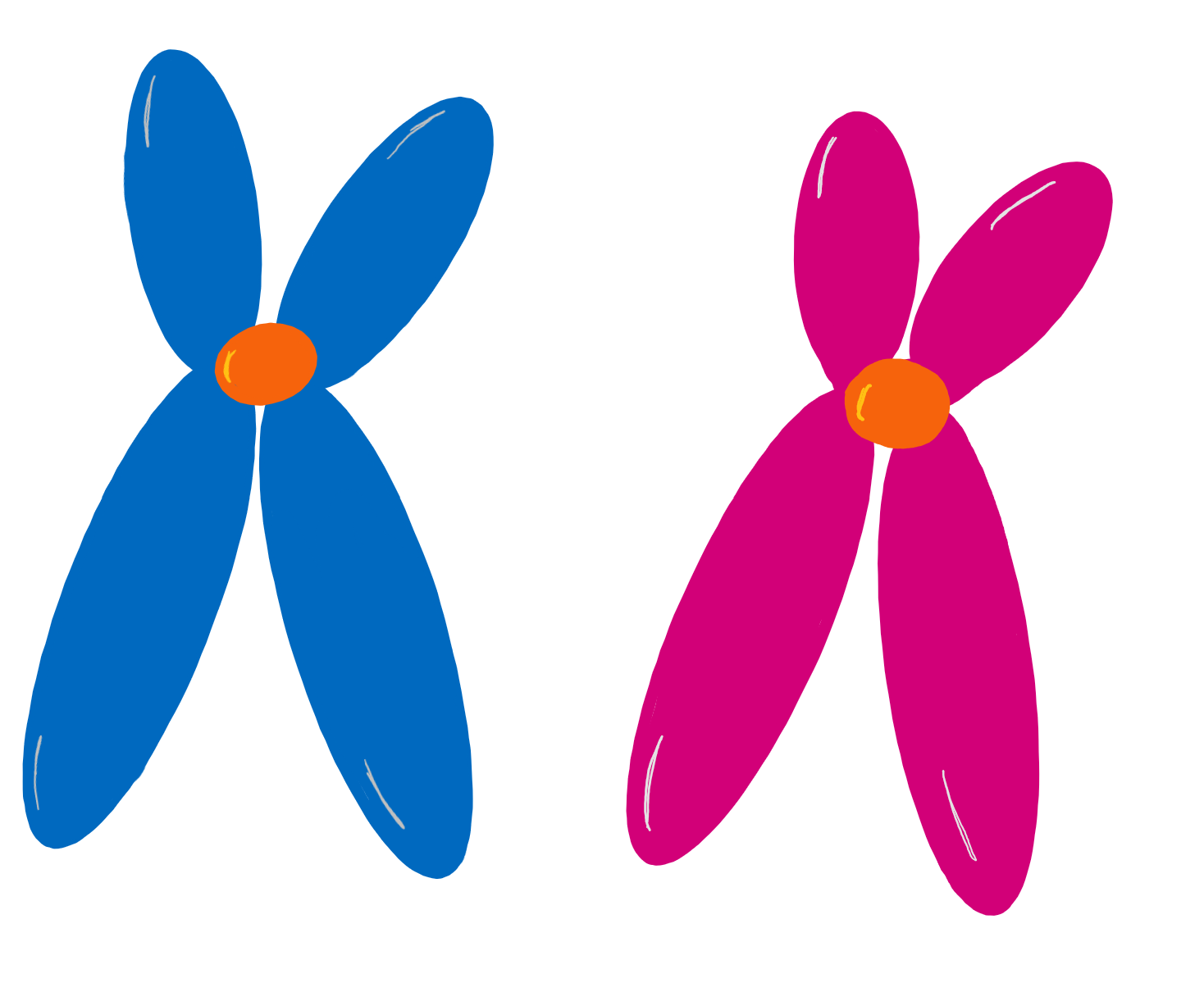
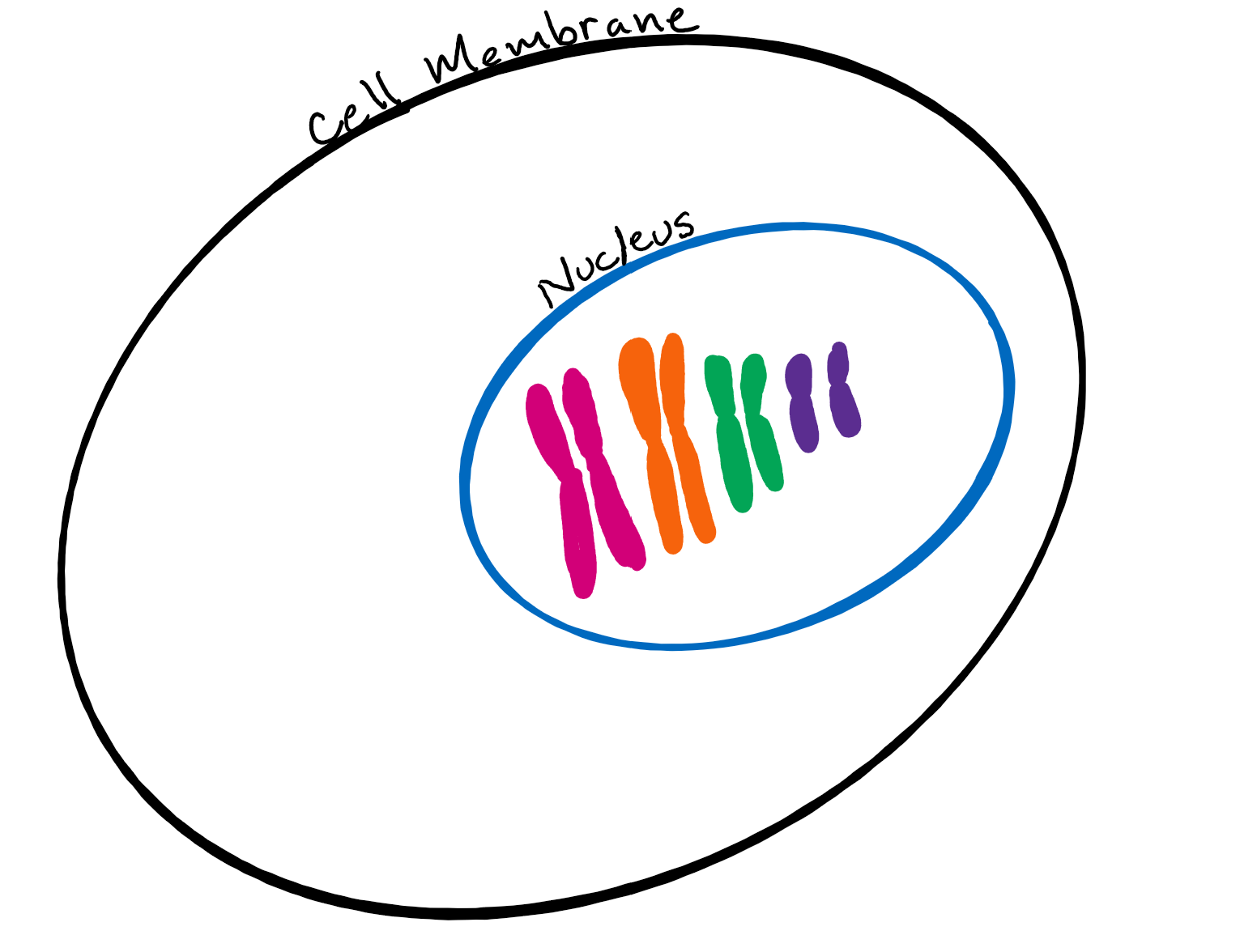
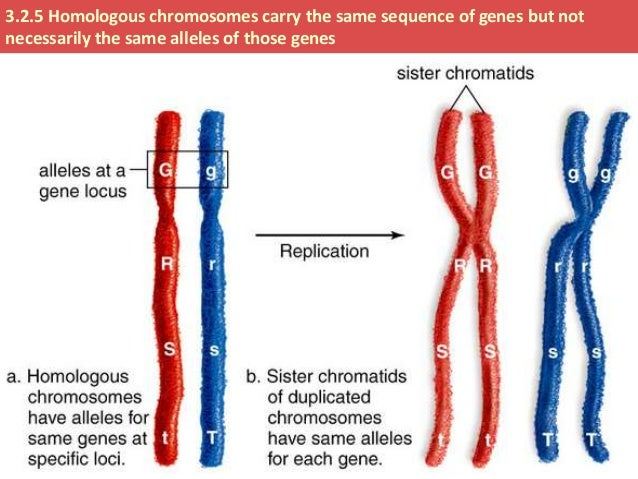
pairs of chromosomes in a diploid organism that have the same shape, size, and gene sequences. One chromosome in each pair comes from the mother, and the other comes from the father. They carry the same types of genes, but may have different versions (alleles) of those genes.
Describes a cell that contains half of a set of genes because it only has a single set of chromosomes
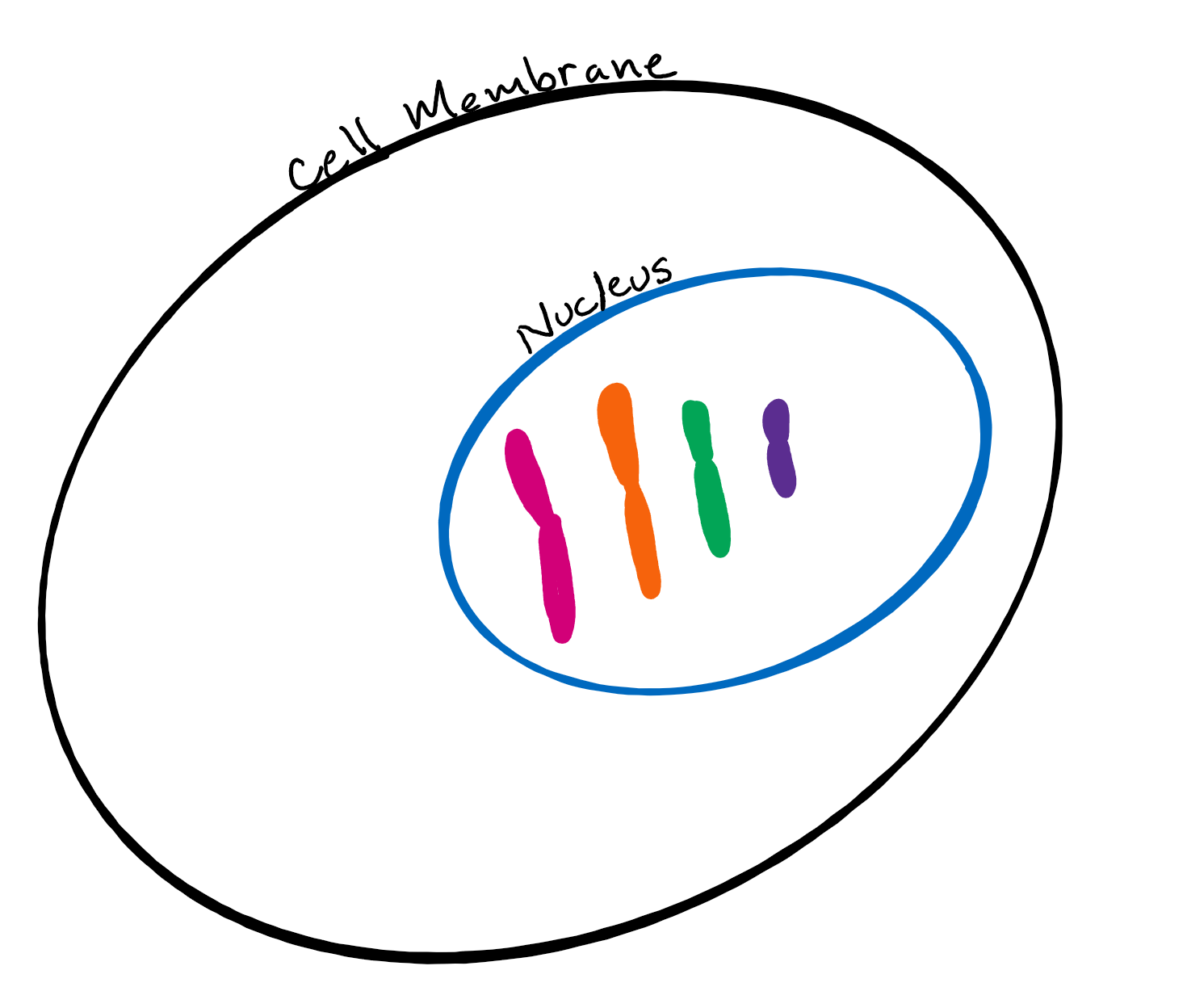
Describes a cell that contains a full set of genetic information; the pairs of chromosomes are called homologous chromosomes because their size, shape, and genes are the same
Haploid Cell
Homologous Chromosomes
Diploid Cell
use the card set above or the following link: https://quizlet.com/_bkwgy3?x=1jqt&i=281tcf
Match the vocabulary word with its definition AND the image that it best describes. HINT: Each vocabulary word will have one definition and one picture.
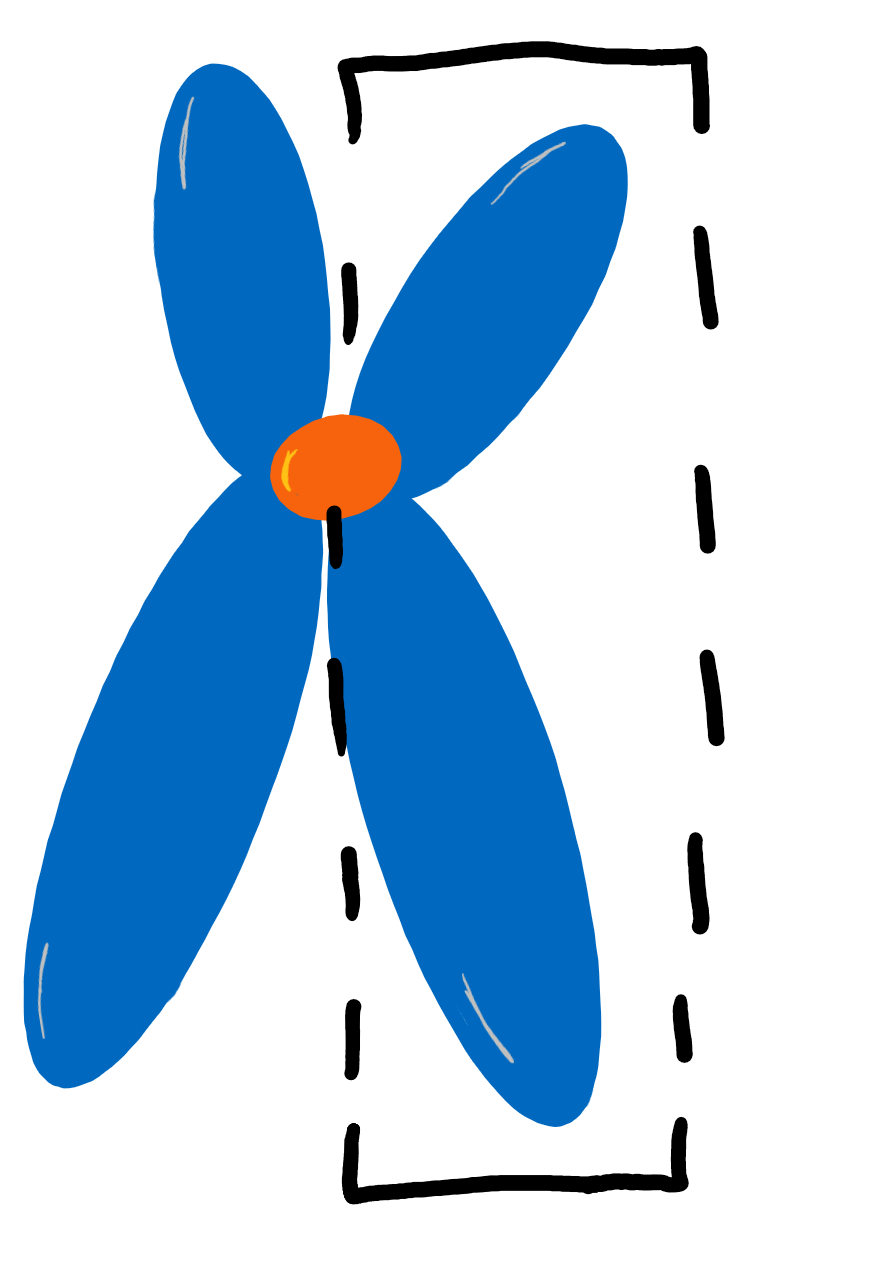

DNA tightly coiled around histone proteins; these are easy to move and only visible during PMAT (cell division)
One of two identical "sister" parts of a duplicated chromosome
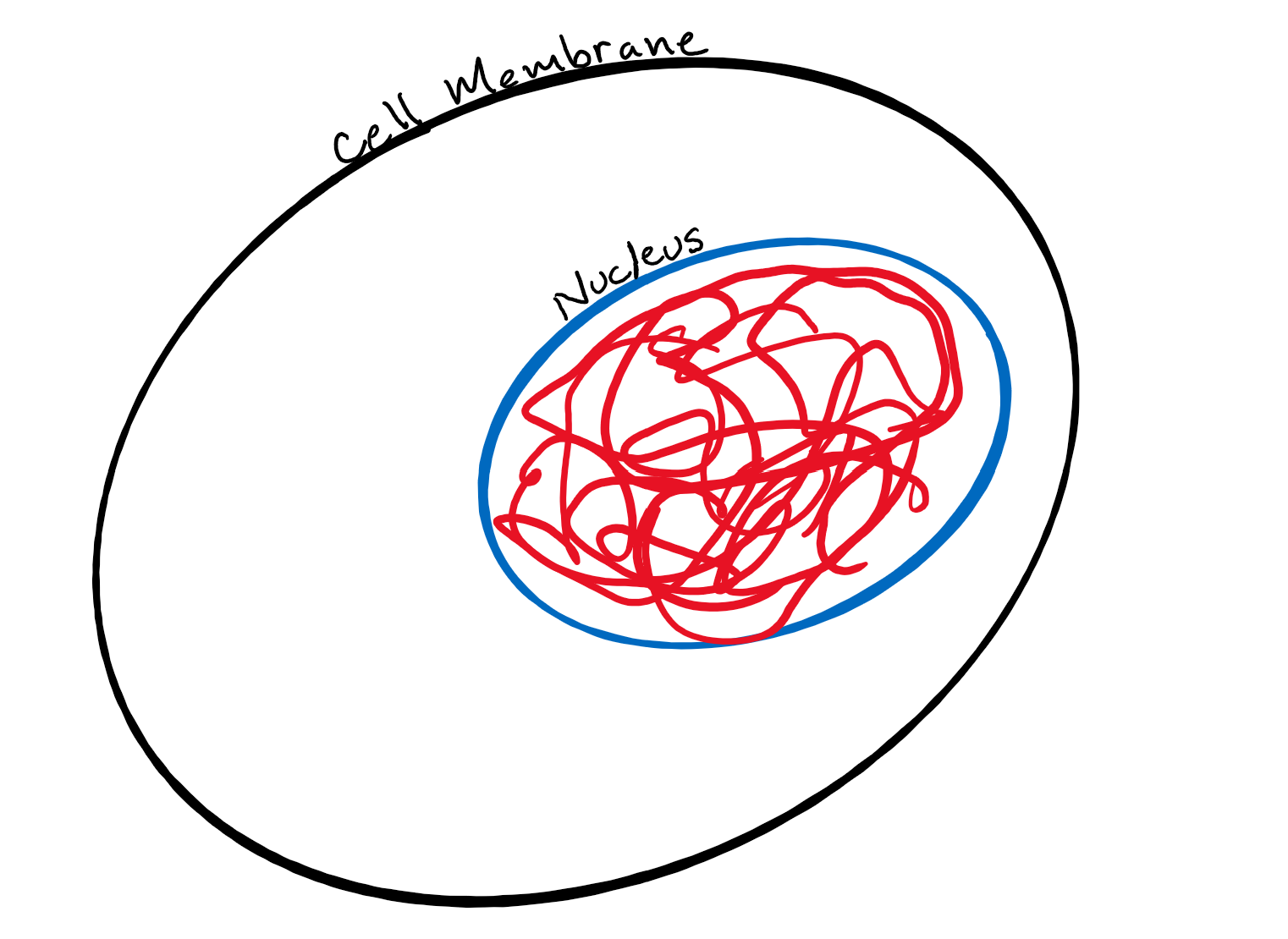
DNA loosely coiled around histone proteins; the structure of genetic material in the nucleus during interphase
Chromatin
Chromatid
Chromosome
You have homologous pairs of chromosomes in each of your cells. In what way are these pairs of chromosomes similar?
Match the phase with the correct end result.
| Draggable item | arrow_right_alt | Corresponding Item |
|---|---|---|
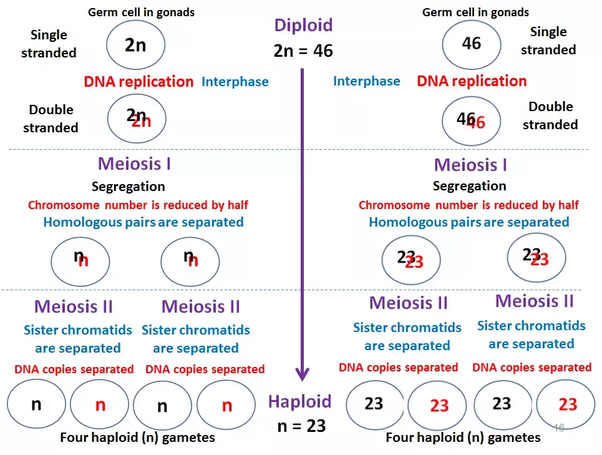
Meiosis II | arrow_right_alt | the homologous chromosomes separated |
Meiosis I | arrow_right_alt | the sister chromatids are separated |
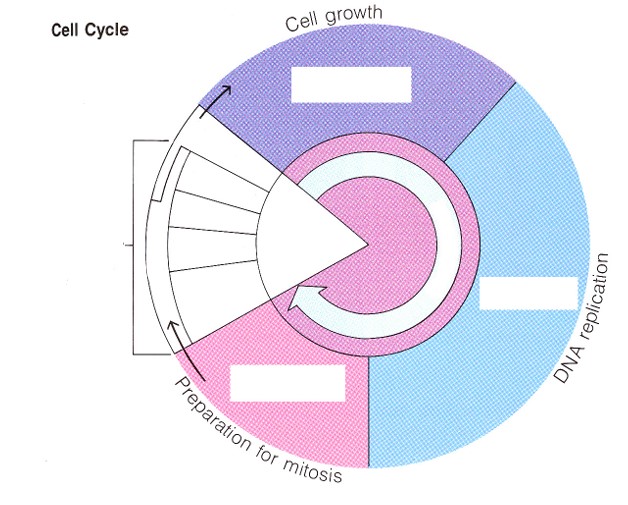
Label the Phases of the Cell Cycle
Which of the following is NOT a reason cell divide during mitosis?
The correct order of mitosis phases is
Put the phases of mitosis in order.
First step is at the top.
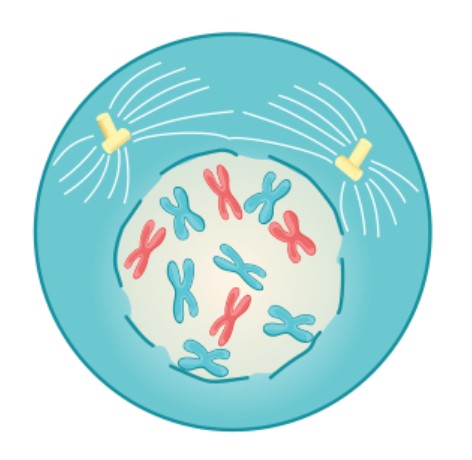
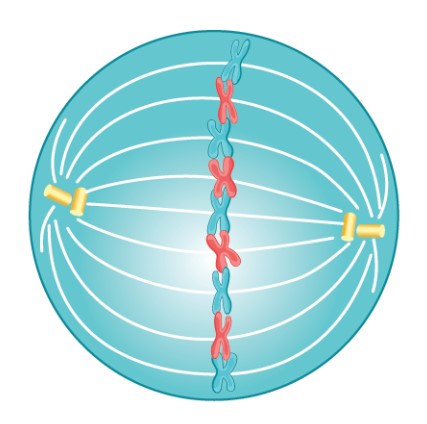
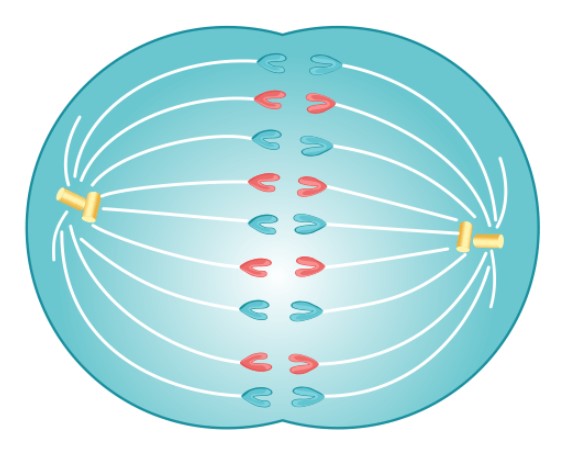
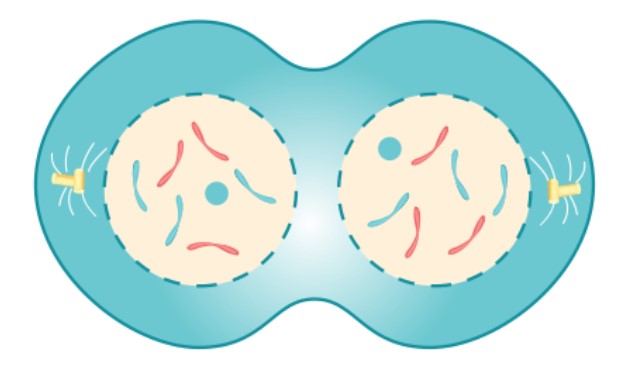
Label the states of mitotic cell division (includes interphase and cytokinesis in this model).
If a parent cell begins mitosis with 46 chromosomes in a somatic cell (which is a number), each daughter cell at the end of mitosis will have chromosomes and be a cell. Mitosis is cell division for cells only. However, if the parent cell needs to sexually reproduce, it must use to create gametes that contain chromosomes. The egg/sperm cell is a cell.
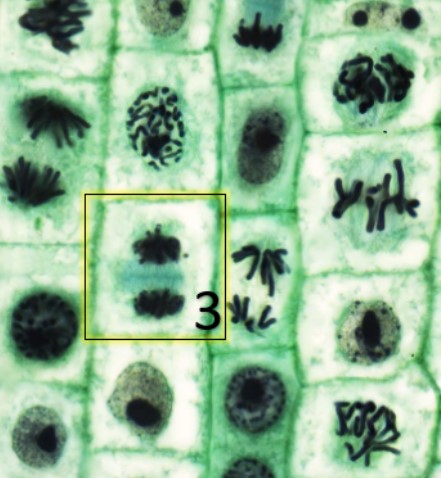
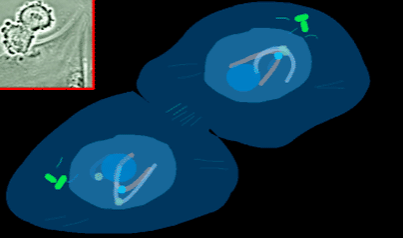
Here is a picture of a plant cell in telophase. What surrounding the plasma (cell) membrane must also be created as the cell moves into cytokinesis?
What structure is responsible for moving the chromosomes during mitosis?
Mystery phase. I am the phase of the cell cycle that occurs between growth periods, enjoys making genetic information in the form of nucleic acids and is vital to cell division. Without it, my friend mitosis will come up empty handed. Which phase am I?
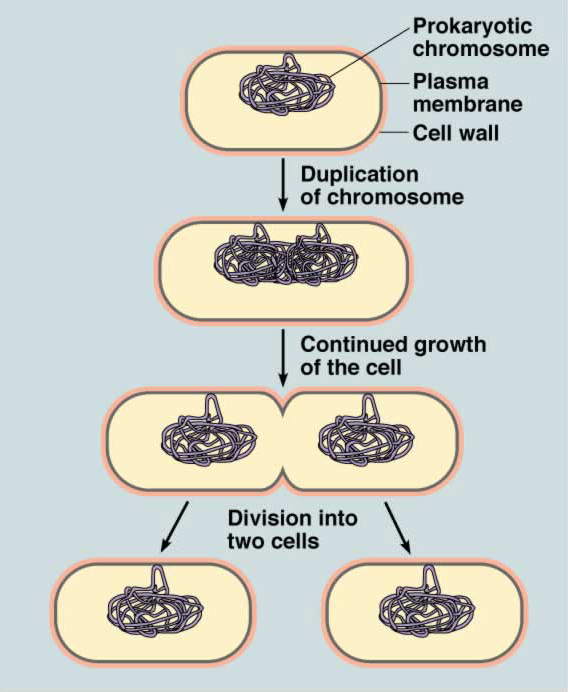
Most prokaryotic organisms (such as bacteria) reproduce mainly by the process of
Normal cells only reproduce when they are given 'orders' to do so. They stop reproducing when those signals are removed. What condition results when these signals are ignored by a cell and reproduction occurs unchecked?
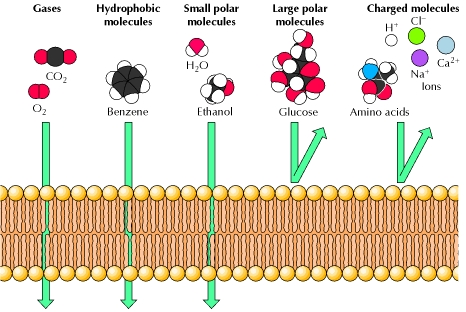
charged molecules
gases
hydrophobic molecules
large polar
small polar
nonpolar molecules
Molecules that CAN pass through a lipid bilayer
Molecules that CANNOT pass through a lipid bilayer
The nuclear membrane is a double lipid bilayer that separates the from the cytoplasm in eukaryotic cells. During cell division, specifically in mitosis, the nuclear membrane must dissolve to allow for movement of genetic material (DNA). This is because DNA is a large molecule, meaning it cannot easily move through the double lipid nuclear membrane because it has regions with distinct electrical charges due to its phosphate backbone. This is why the nuclear membrane must dissolve during and be recreated during the last phase known as .
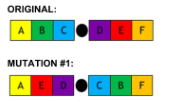
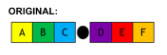
Mutation #1. What type of mutation is shown, when comparing this mutated chromosome with the original?
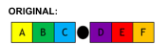
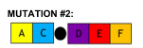
Mutation #2.
What type of mutation is shown, when comparing this mutated chromosome with the original?
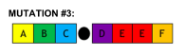
Mutation #3.
What type of mutation is shown, when comparing this mutated chromosome with the original?
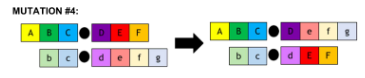
The original strands are on the left. The mutation occurs on the right.
Mutation #4.
What type of mutation is shown, when comparing this mutated chromosome with the original?
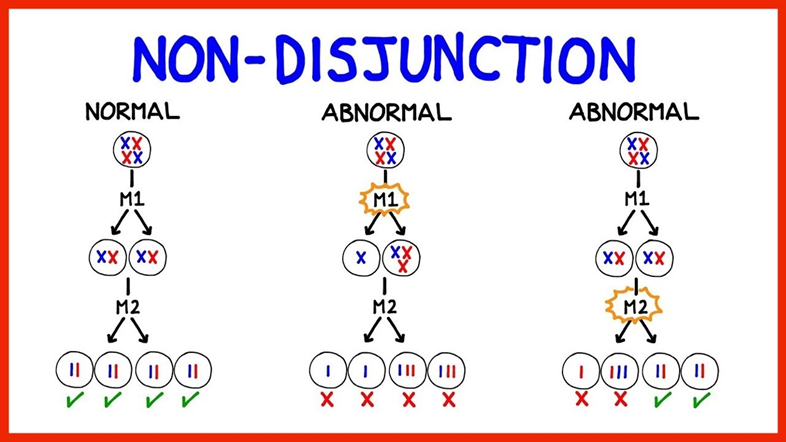
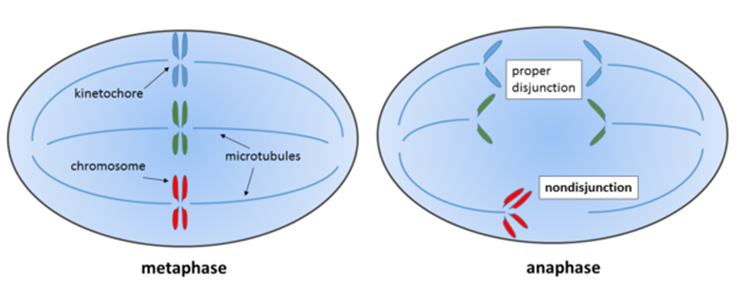
Refer to the figure above, during which phases of Meiosis could nondisjunction happen?
Refer to the figure above, what happened to the chromosomes that are labeled “nondisjunction”?
Refer to the figure above, during which phases of Meiosis could nondisjunction happen?