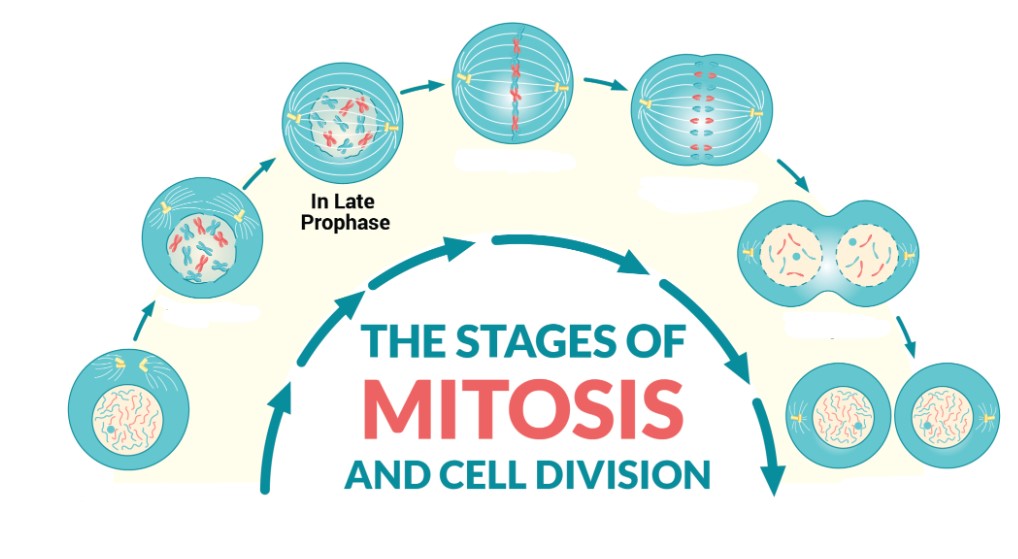
Label the states of mitotic cell division (includes interphase and cytokinesis in this model).
Mmuae Afoforo a Wobɛpaw:
metaphase
anaphase
telophase
cytokinesis
interphase
prophase
________________ is the term used to describe pairs of chomosomes that have the same genes.
At the end of meiosis, there are
If one eukaryotic cell has 60 chromosomes and it undergoes meiosis, how many cells will result, and how many chromosomes will they contain?
Cells that are ________ possess a single set of chromosomes
An organism has 20 chromosomes in a body cell.
After mitosis each body cell has
After meiosis each gamete has
**Note: only write the numerical number in the blank.
What is the end result of meiosis I?
Why is genetic variation important in meiosis?
How does crossing over in prophase I contribute to genetic diversity?
What distinguishes meiosis II from mitosis?
Which process results in genetically identical cells?
Which process is necessary for sexual reproduction?
What is the main difference between binary fission and meiosis?
Which organisms primarily use binary fission for reproduction?
What accurately describes what occurs in binary fission?
Label the states of mitotic cell division (includes interphase and cytokinesis in this model).
Somatic cells, such as blood cells and skin cells, are and are produced by . A different process called is required to create such as sperm and egg, because these cells are
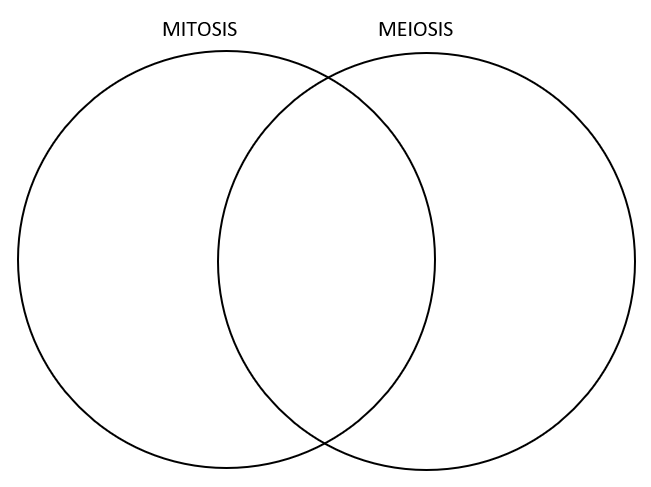
This Venn diagram could be used to visually compare mitosis and meiosis. The area in the middle, where the two circles overlap, represents facts that are true of both processes. Which of the following statements should be written in the middle area?
A genetics student extracted the chromosomes from a somatic cell of an organism for analysis. She discovered that two of the chromosomes were the same size, contained the same amount of DNA, and contained the same genes located in the same positions on both chromosomes. Which of the following terms should she use to describe these chromosomes?
Why is a zygote (the results of egg + sperm combining) diploid?
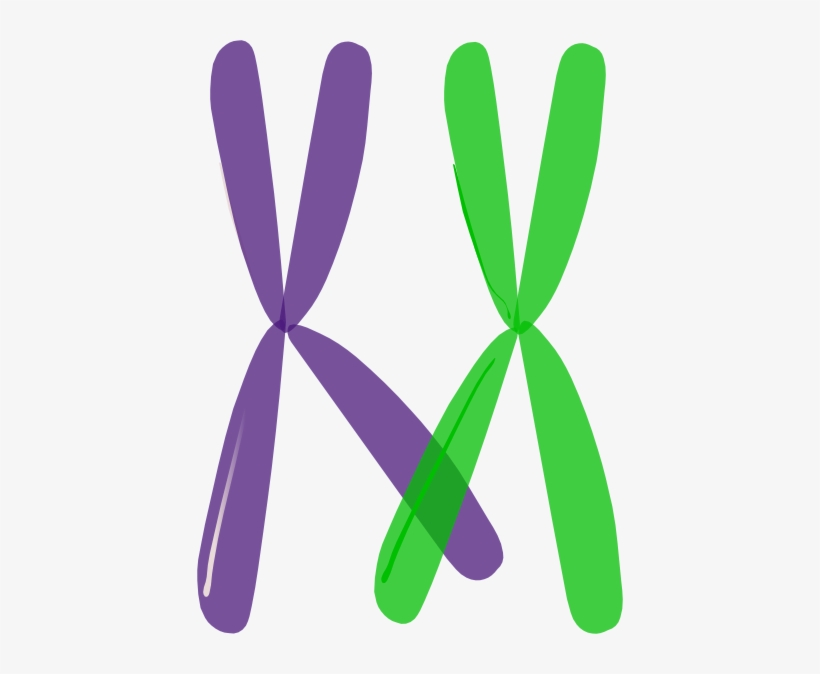
What process is being shown?
Mitosis vs. Meiosis Part A: Identify and check each phrase as either a description/feature of mitosis, meiosis, or both.
Mitosis | Both | Meiosis | |
|---|---|---|---|
Creates new cells | |||
Creates 2 new daughter cells | |||
Creates 4 new daughter cells | |||
Somatic cells | |||
Gametes | |||
Creates haploid cells | |||
Creates diploid cells |
Mitosis vs. Meiosis Part B: Identify and check each phrase as either a description/feature of mitosis, meiosis, or both.
Mitosis | Both | Meiosis | |
|---|---|---|---|
Increases genetic diversity | |||
Occurs in all body systems | |||
Occurs in reproductive system only | |||
Occurs in every eukaryotic organism | |||
Produces cells with "n" chromosomes | |||
Produces cells with "2n" chromosomes | |||
Crossing over occurs |
Mitosis vs. Meiosis Part C: Identify and check each phrase as either a description/feature of mitosis, meiosis, or both.
Mitosis | Both | Meiosis | |
|---|---|---|---|
Identical daughter cells | |||
Unique daughter cells | |||
DNA Replication: Once | |||
Cell Division: Once | |||
Cell Division: Twice | |||
Purpose: Growth and repair | |||
Purpose: Sexual reproduction |
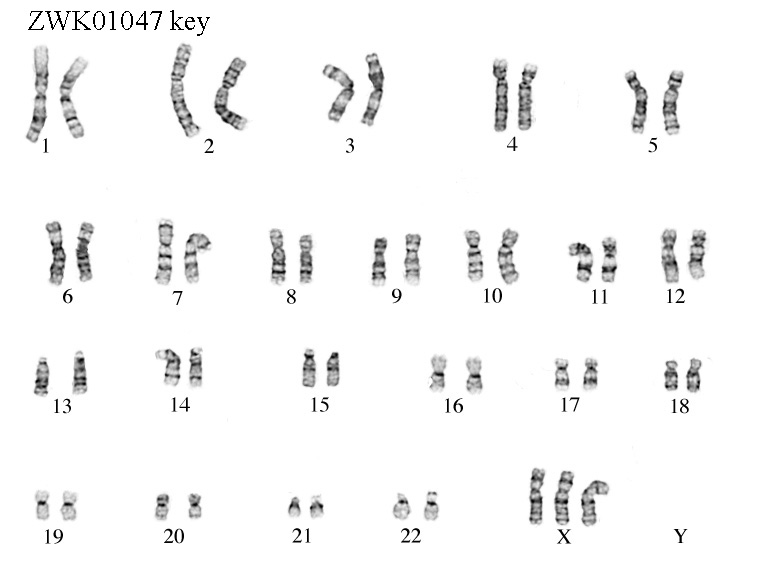
The following abnormality occurs 1:1000 live births - healthy and fertile - and usually cannot be distinguished from a normal person except by karyotype. Individuals with this chromosomal condition don't experience symptoms or have only mild symptoms. In others, symptoms may be more apparent — possibly including developmental delays and learning disabilities.
What is the gender of this person?
How many total chromosomes are present?
When does this process occur?
What is the importance of this process?
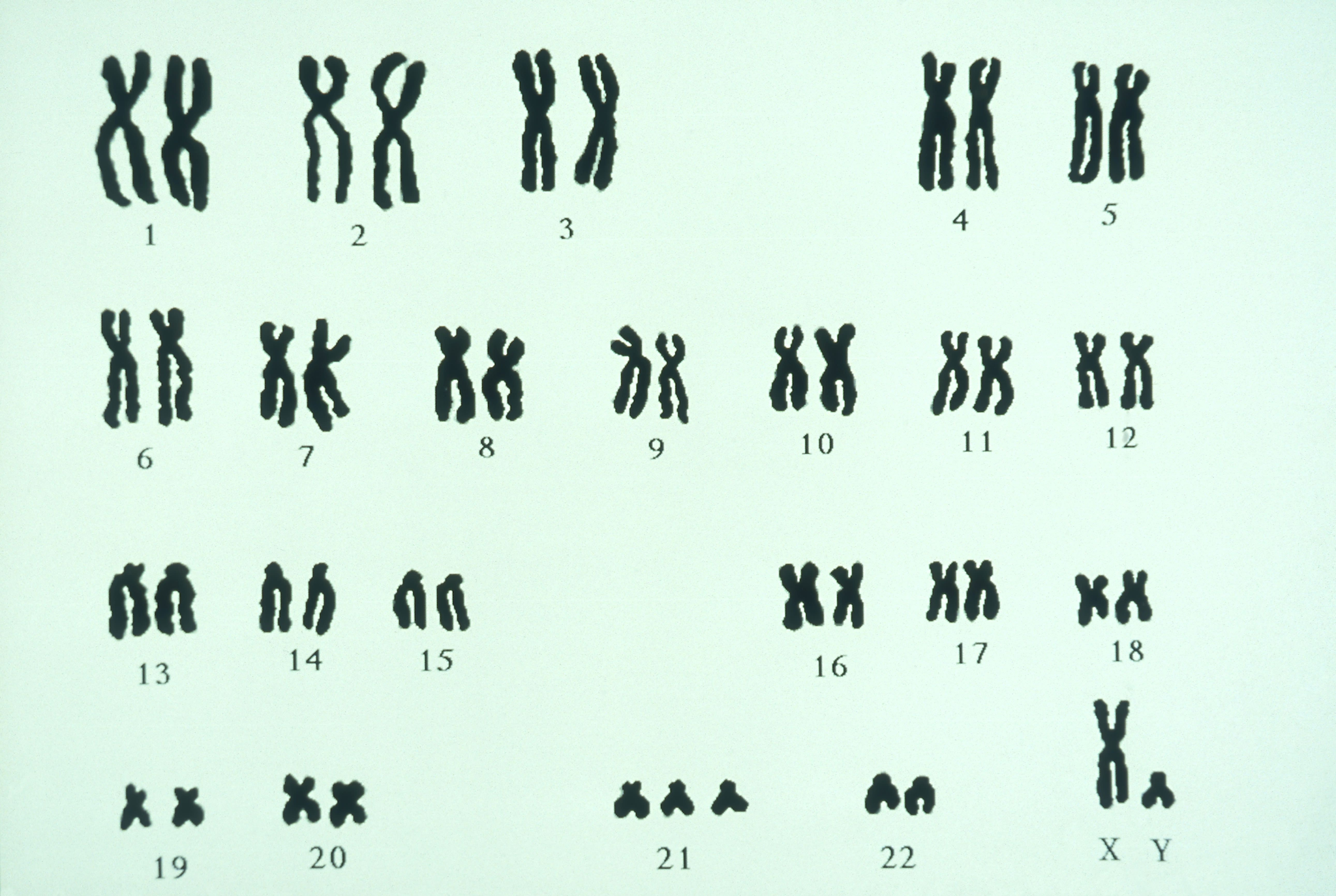
Is this karyotype from a male or a female?
Are there any chromosomal abnormalities visible?