Ɛhia
1
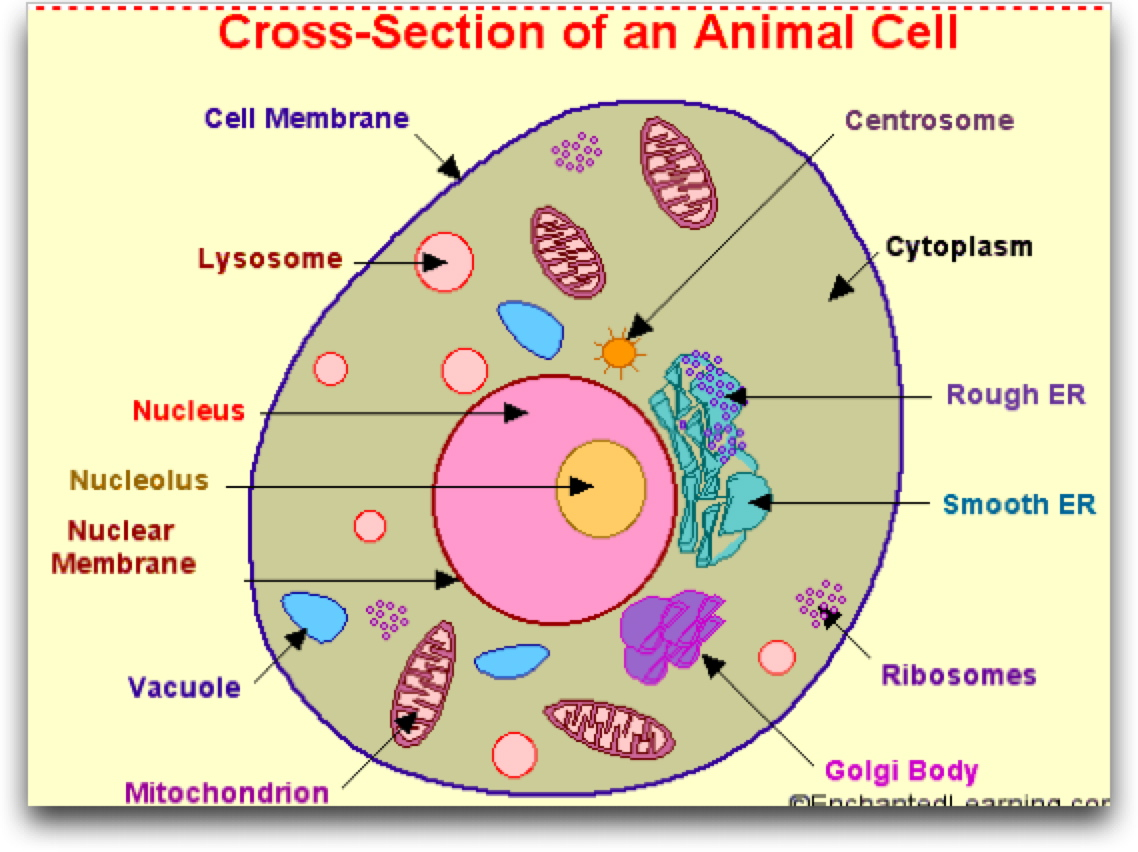
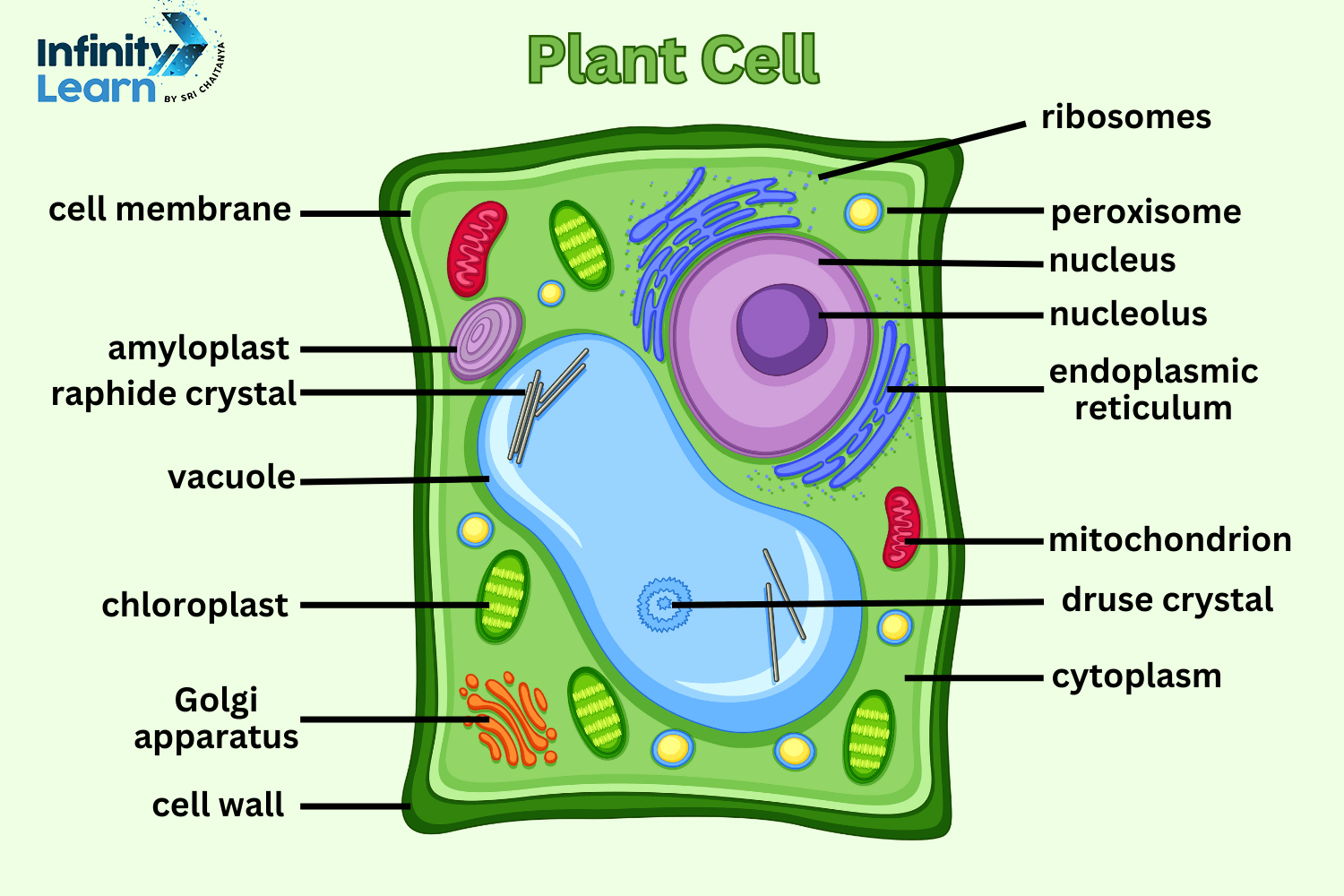
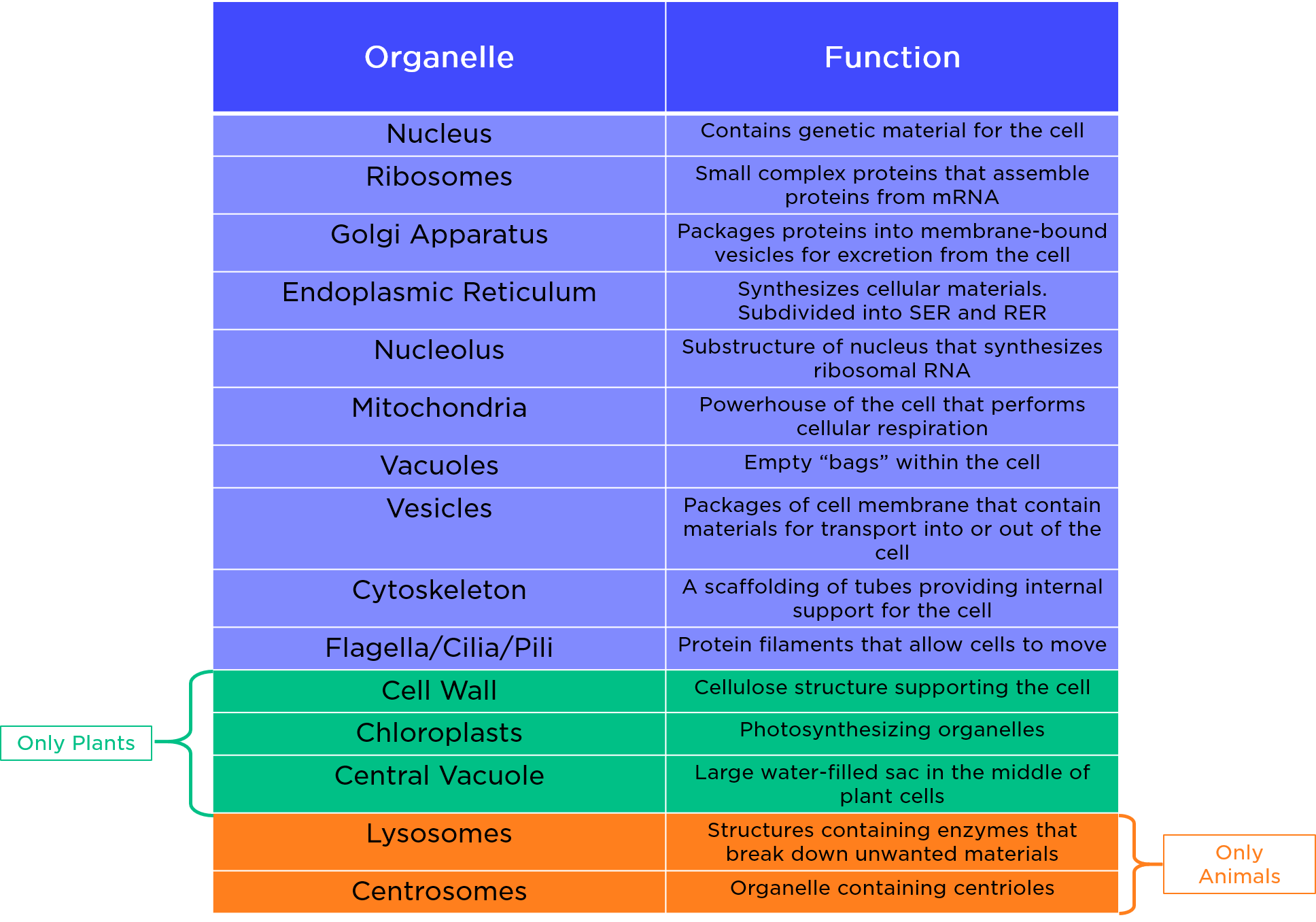
Which of the following is not found in an animal cell?
Which of the following is not found in an animal cell?
Ɛhia
1
Ɛhia
1
Which of the following is not found in an animal cell?
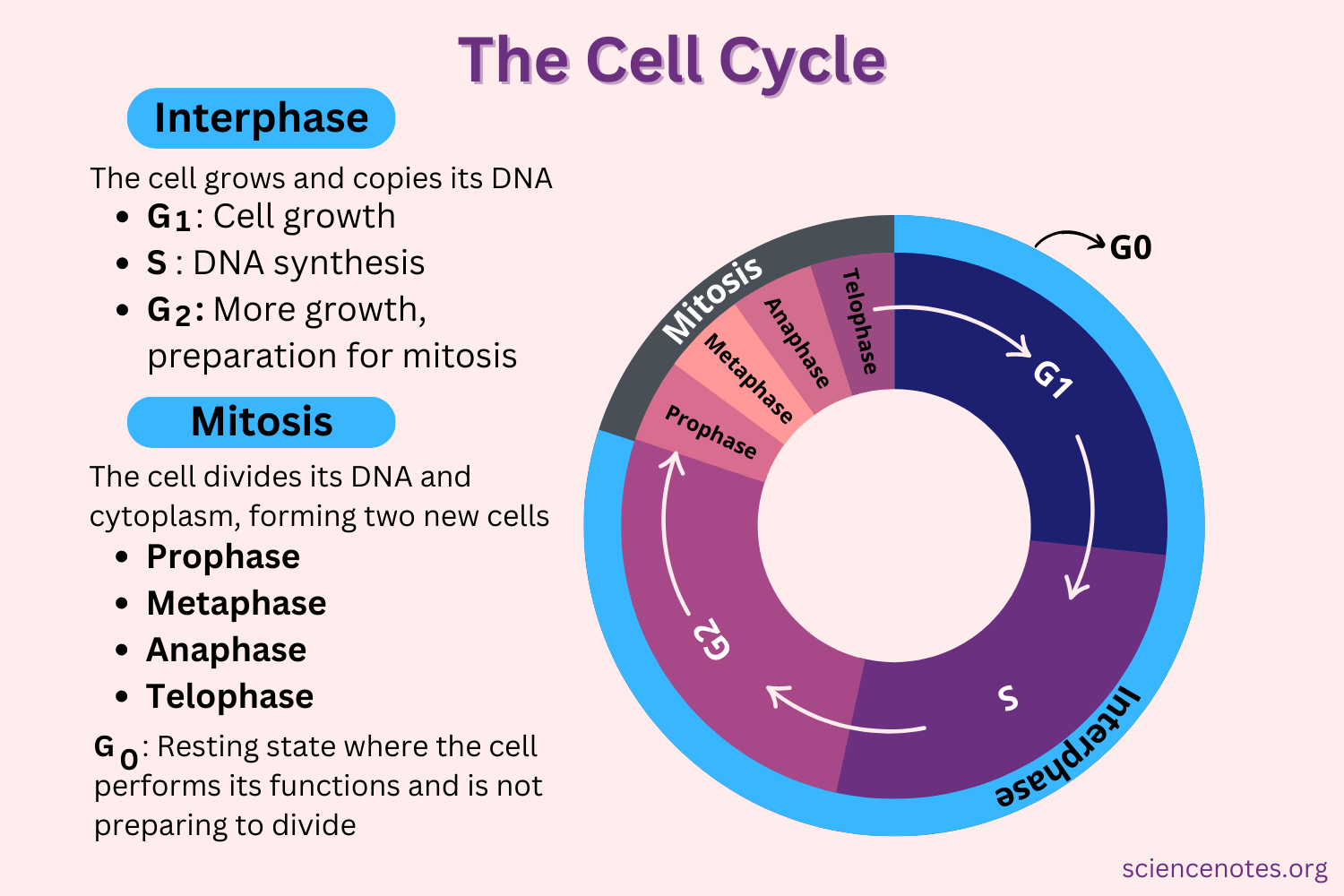
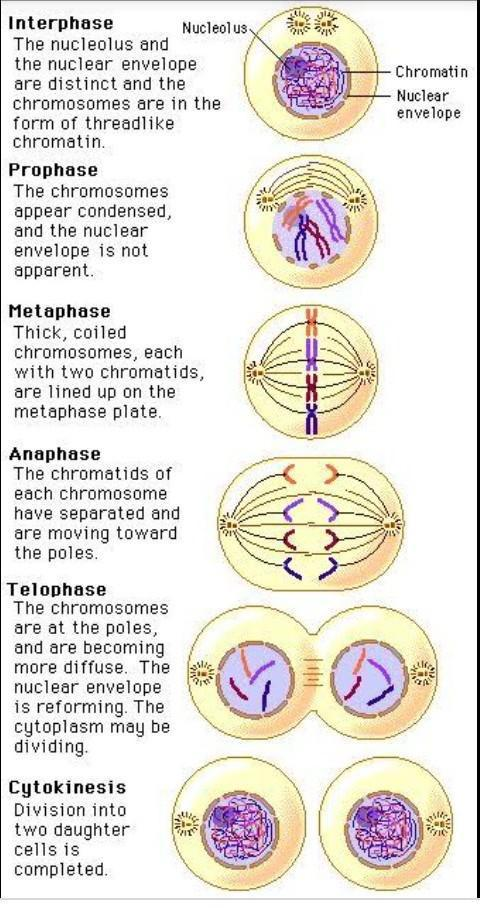
Which phase is the cell in when it is not dividing?
What is the purpose of mitosis in an organism?
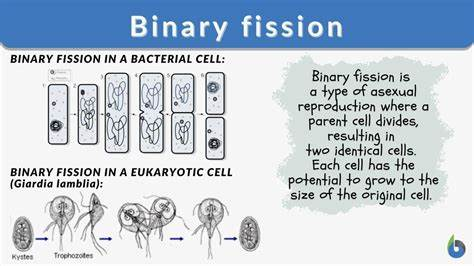
What is the result of binary fission?
What is the function of the mitochondria in both animal and plant cells?
Lysosomes, often referred to as the cell's 'garbage disposal', are organelles that...
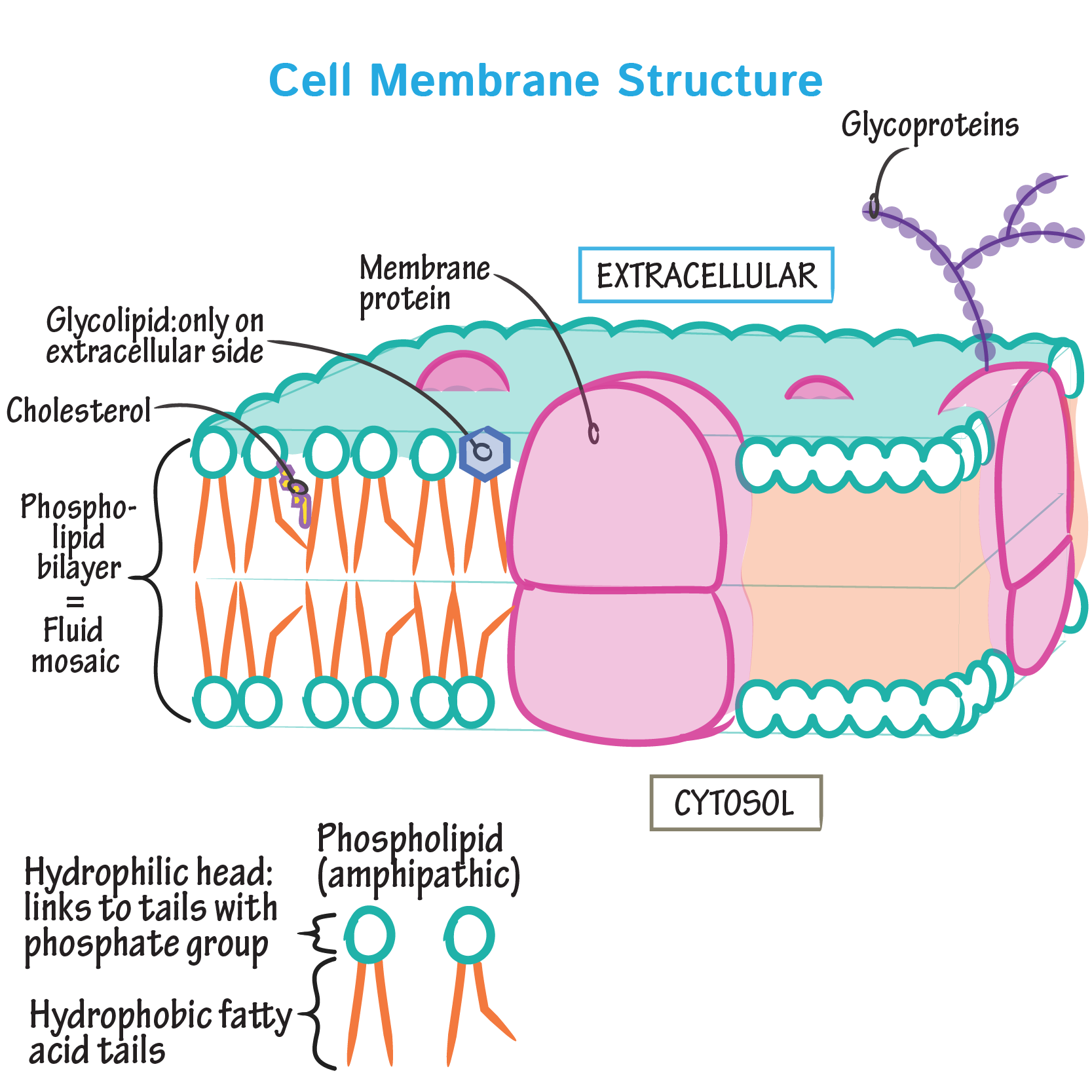
What is the main function of the cell membrane?
What term describes the property of the cell membrane that allows certain molecules to pass, but not others?
In the fluid mosaic model, which molecules serve as the 'floating icebergs' in a sea of phospholipids that assist large, polar molecules across the membrane?
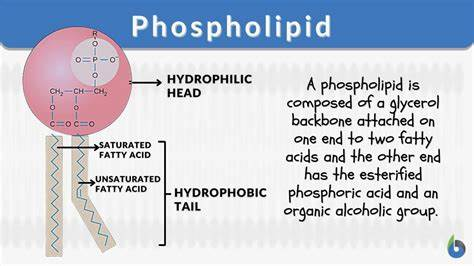
What part of the phospholipid is hydrophobic?
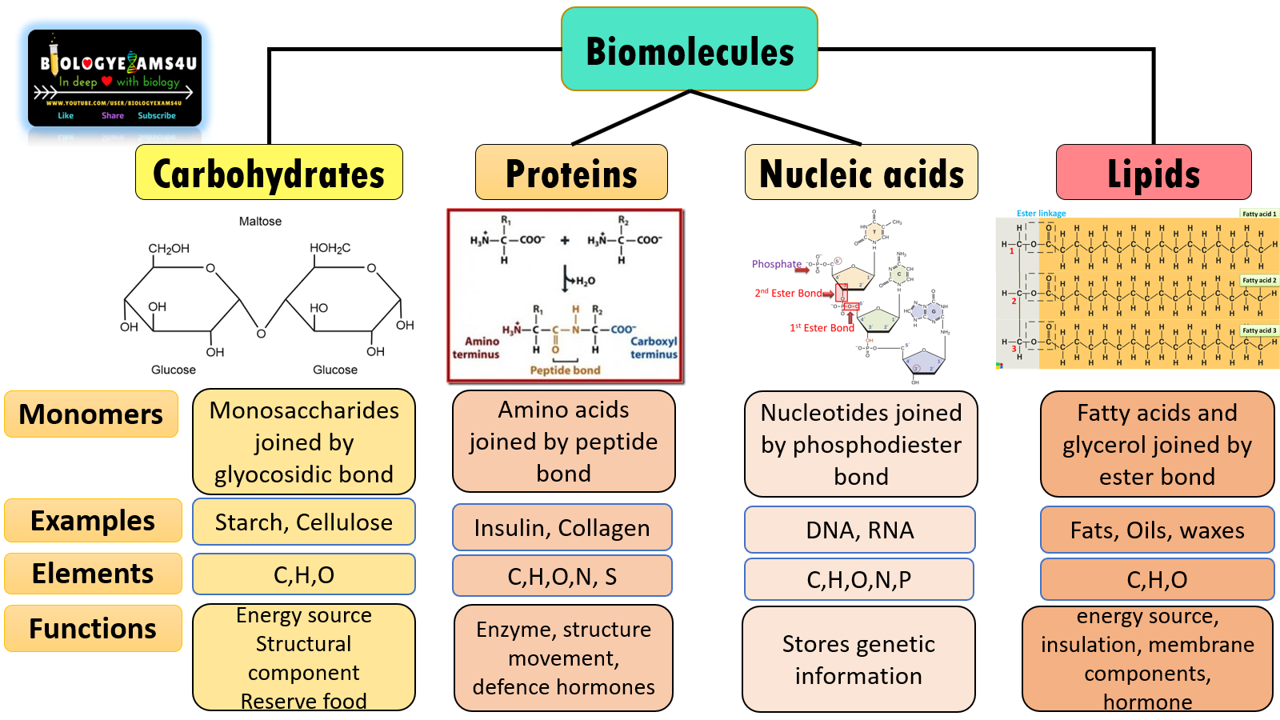
What is the monomer that forms a protein?
Which monomer builds up nucleic acids?
Which type of biomolecule is best suited for storing energy?
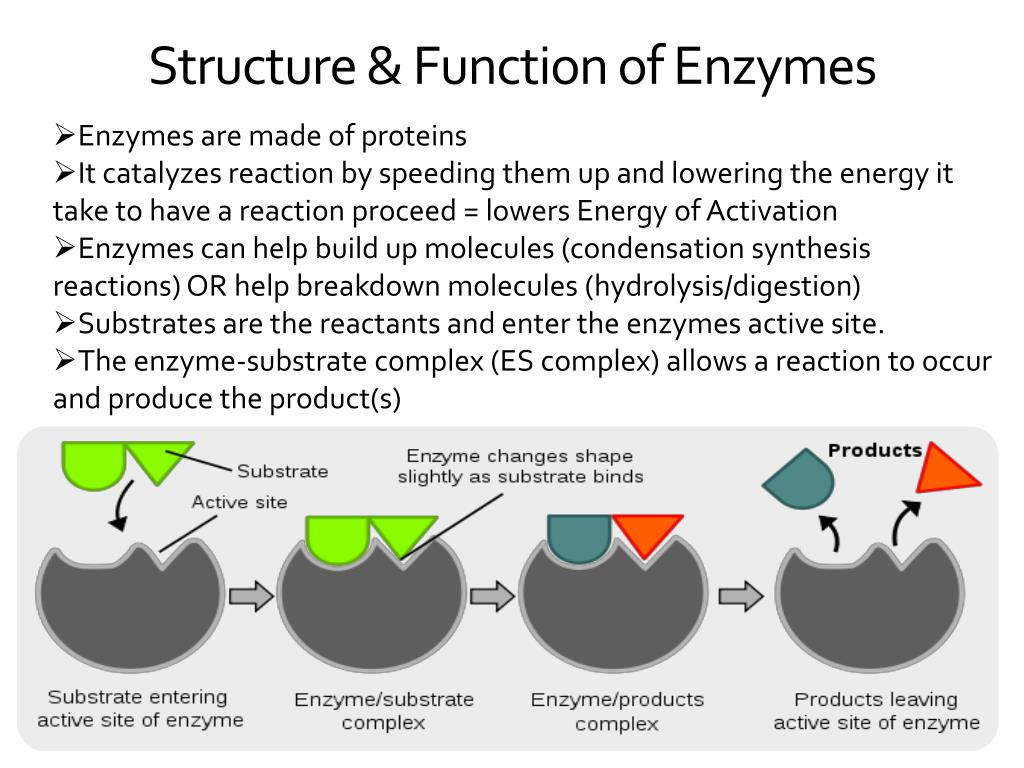
What type of biomolecule are enzymes?
What role do enzymes perform within a cell?
If an enzyme is denatured, what has likely happened?
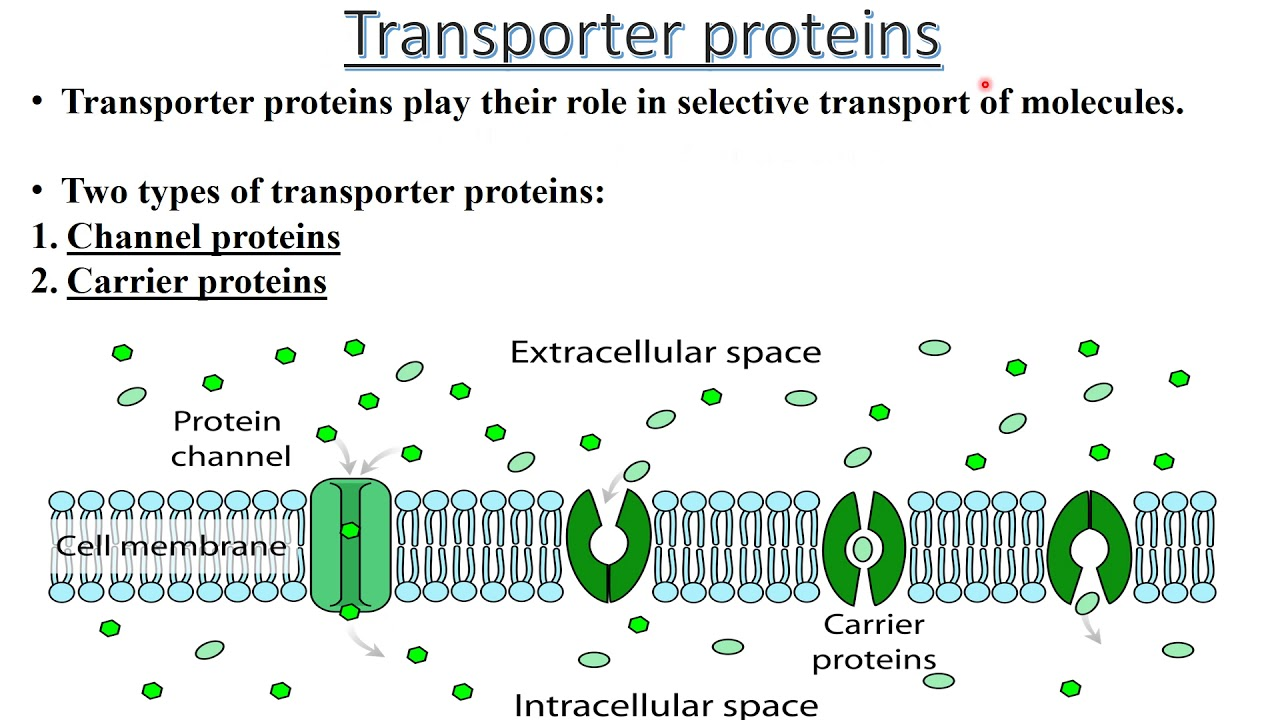
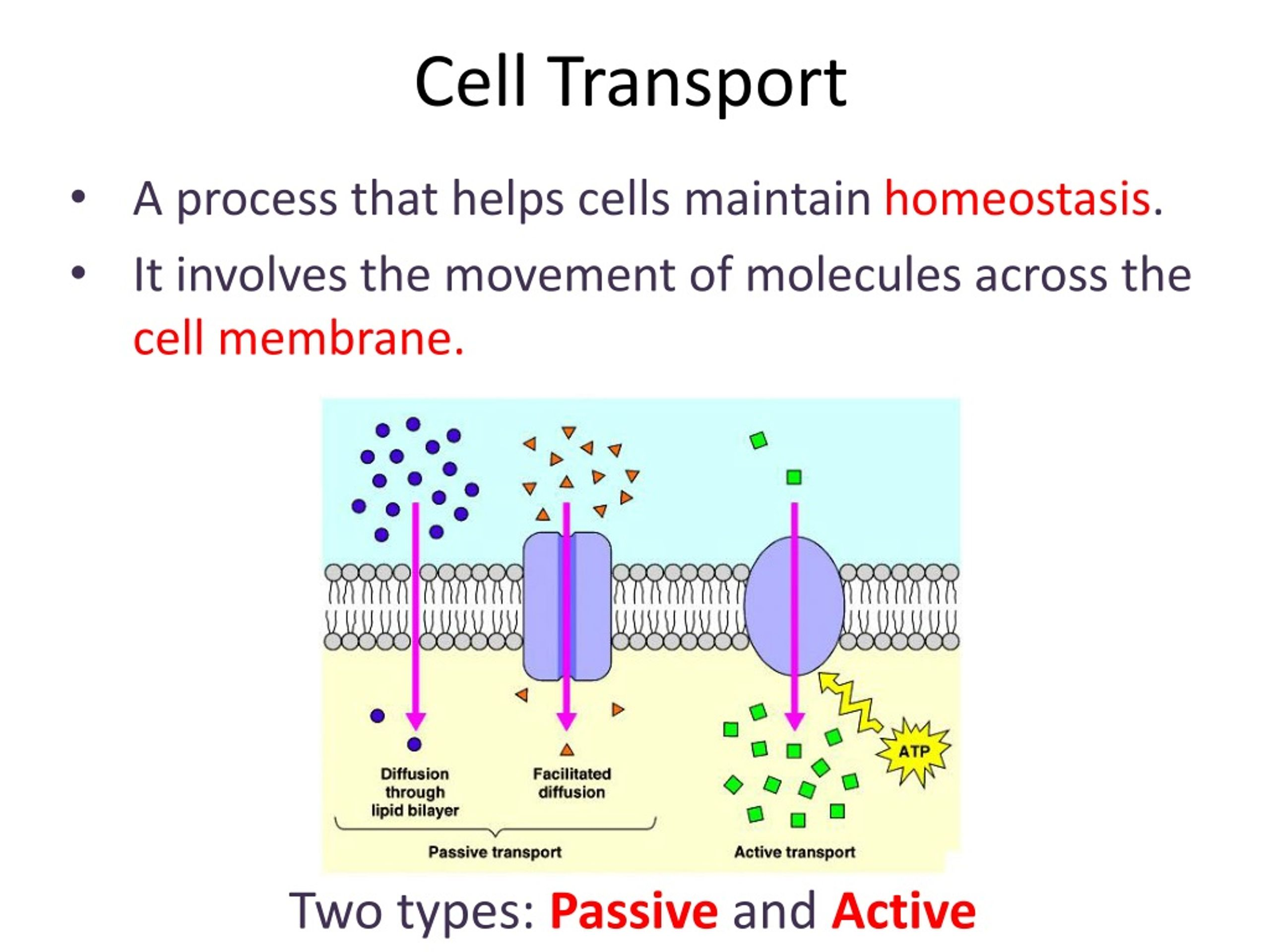
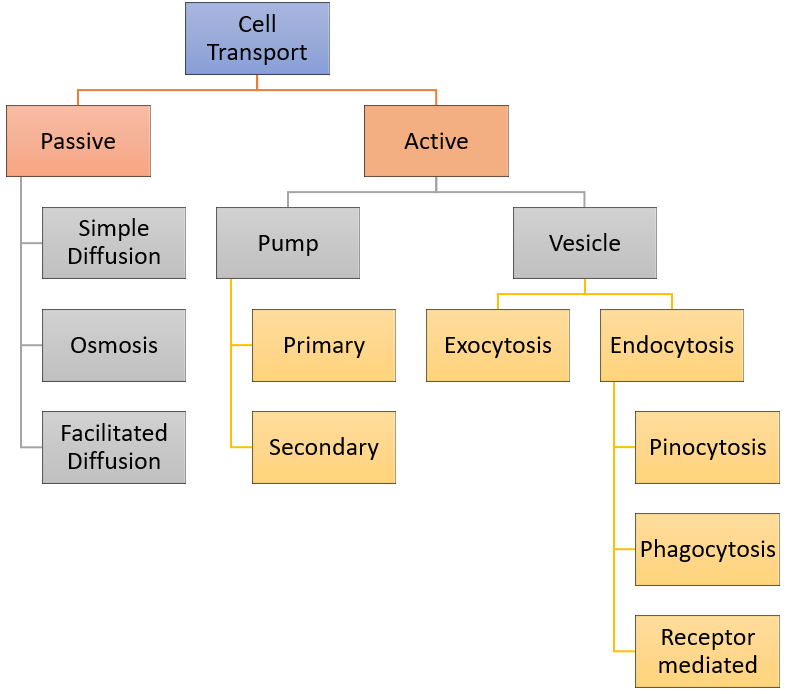
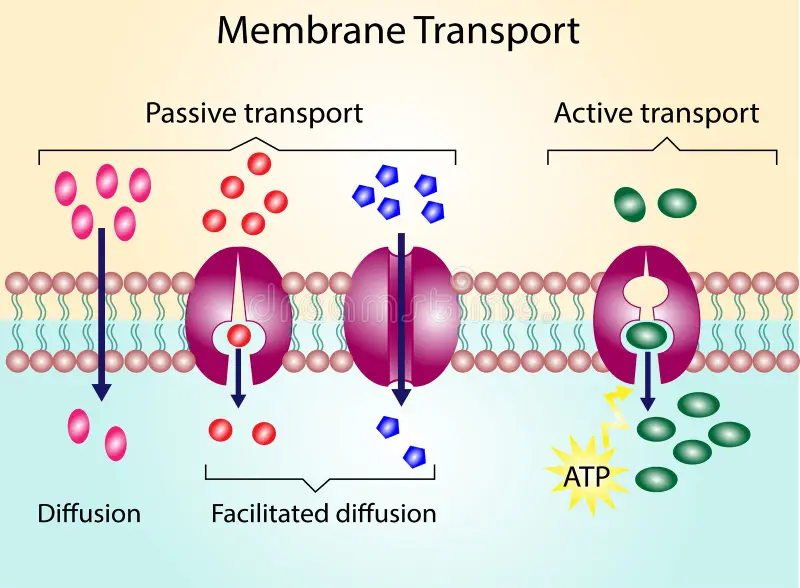
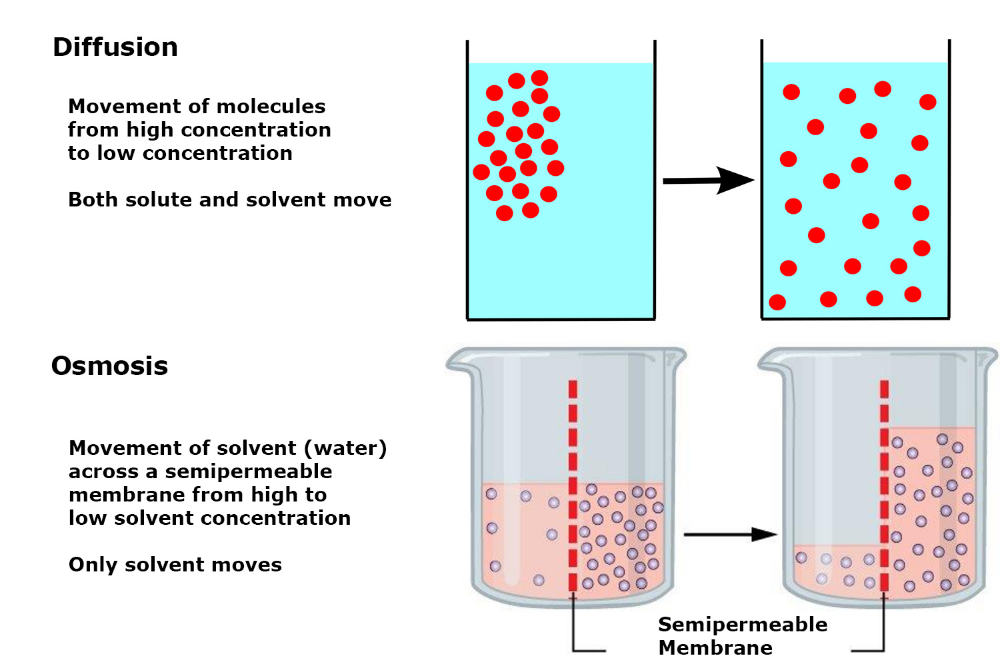
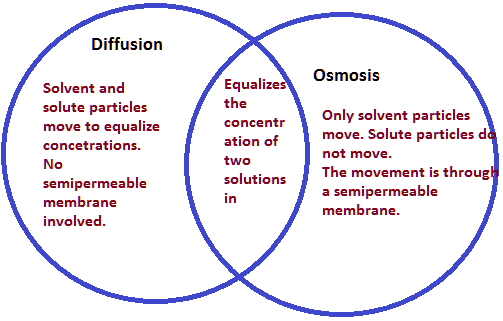
What is the primary difference between active and passive transport?
During passive transport, where do molecules move?
Which of the following is an example of active transport?
What type of transport involves water molecules moving across a semi-permeable membrane?
Which process does not require cellular energy?
What is the main difference between active and passive transport?
Which type of transport can move molecules from an area of lower concentration to an area of higher concentration?
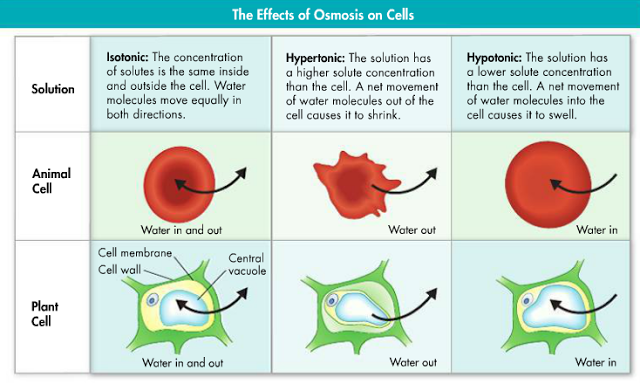
'Hypertonic' describes a solution that:
What does a hypertonic solution result in when a cell is placed in it?
During which part of the cell cycle do cells duplicate their DNA?
Why do cells undergo mitosis?
What is the result of mitosis in terms of chromosome number?
Why doesn't binary fission require a partner?
Which of these is not a step in binary fission?
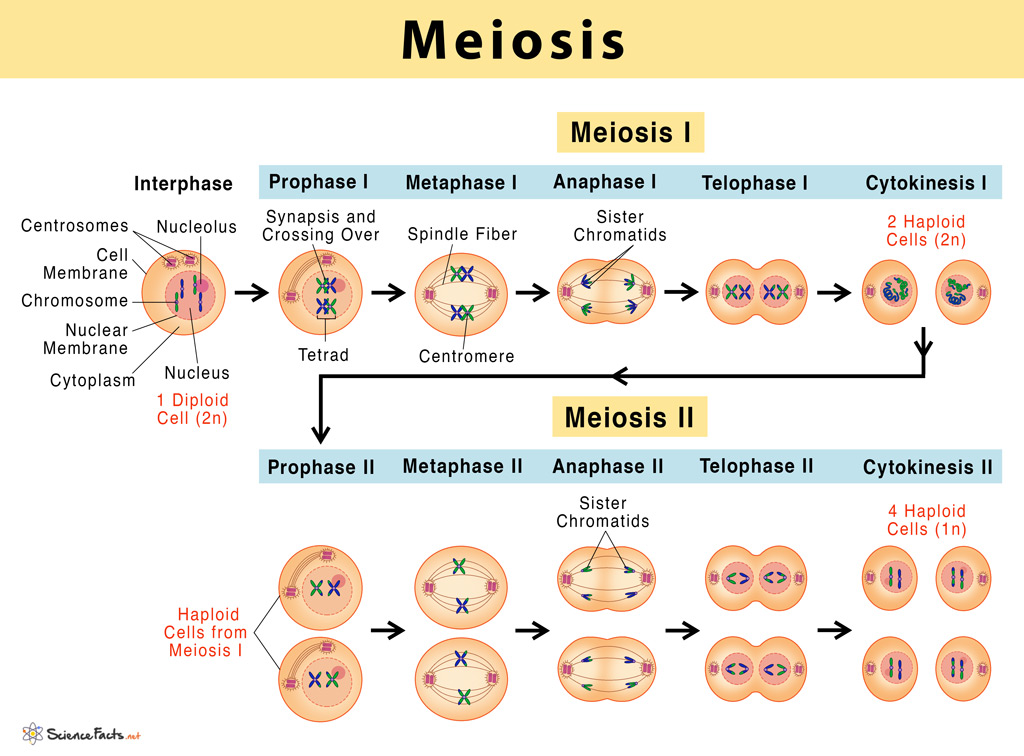
Why does meiosis involve two separate divisions instead of only one?
What is the end result of meiosis?
What significant event differentiates meiosis I and mitosis?
What term is used to describe the exchange of genetic material between homologous chromosomes?