Ɛhia
1
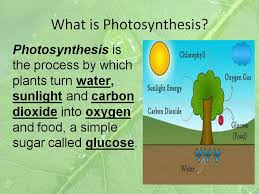
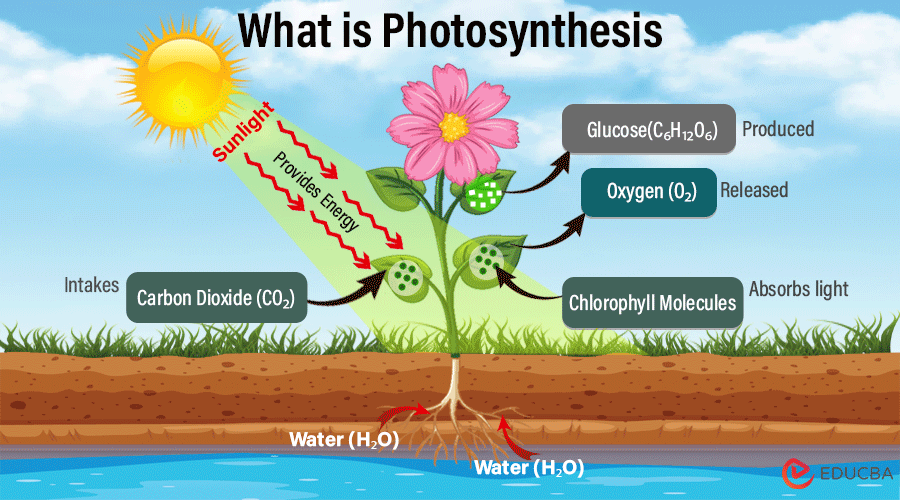
What is the main purpose of photosynthesis?
What is the main purpose of photosynthesis?
Ɛhia
1
Energy unit
photosynthesis
cellular respiration
Ecology unit
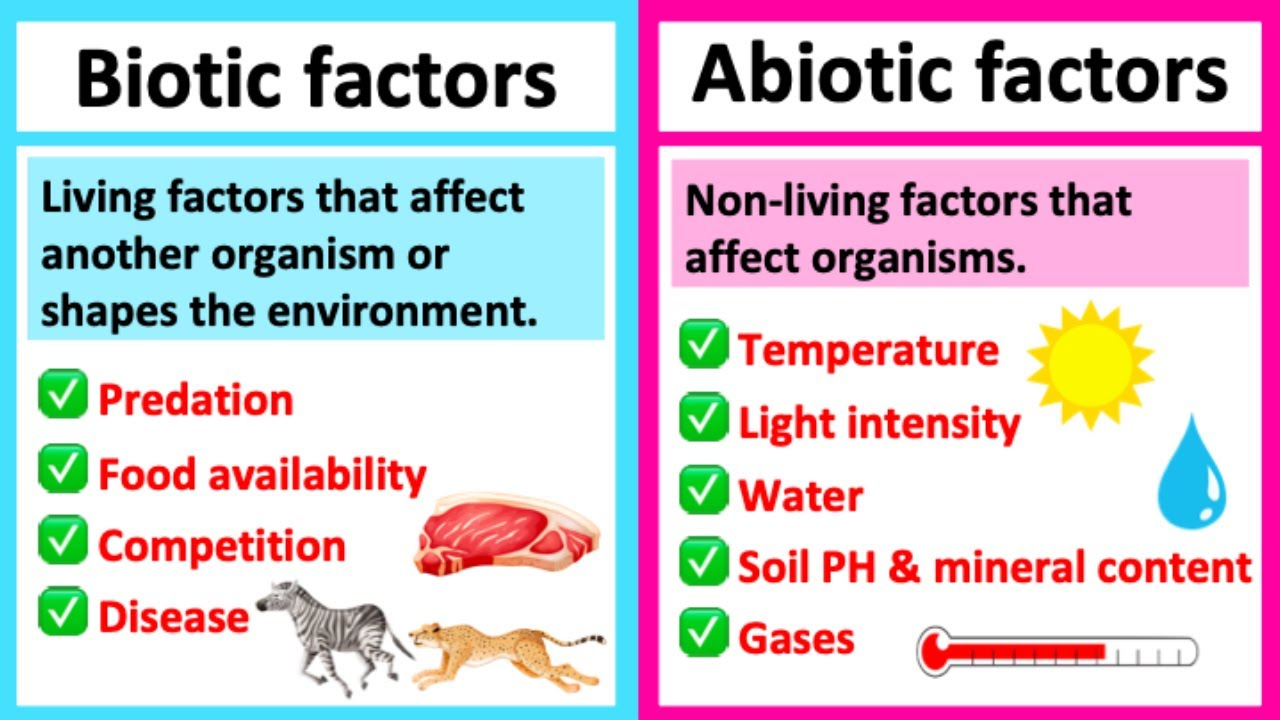
Abiotic vs biotic factors
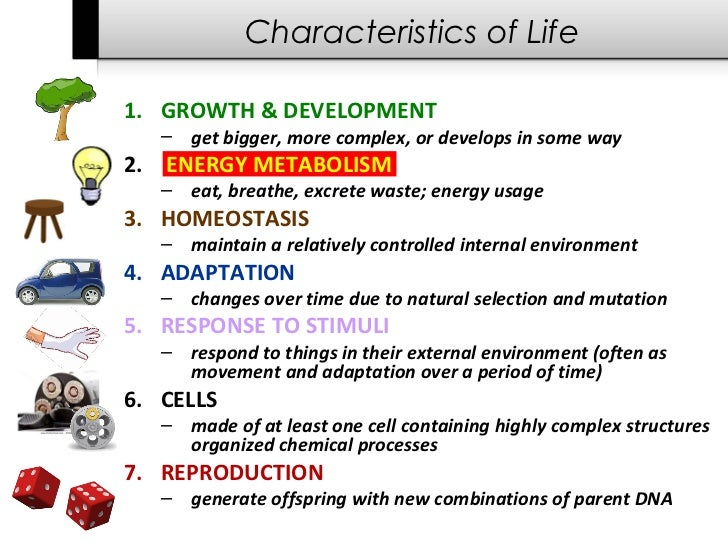
Characteristics of life
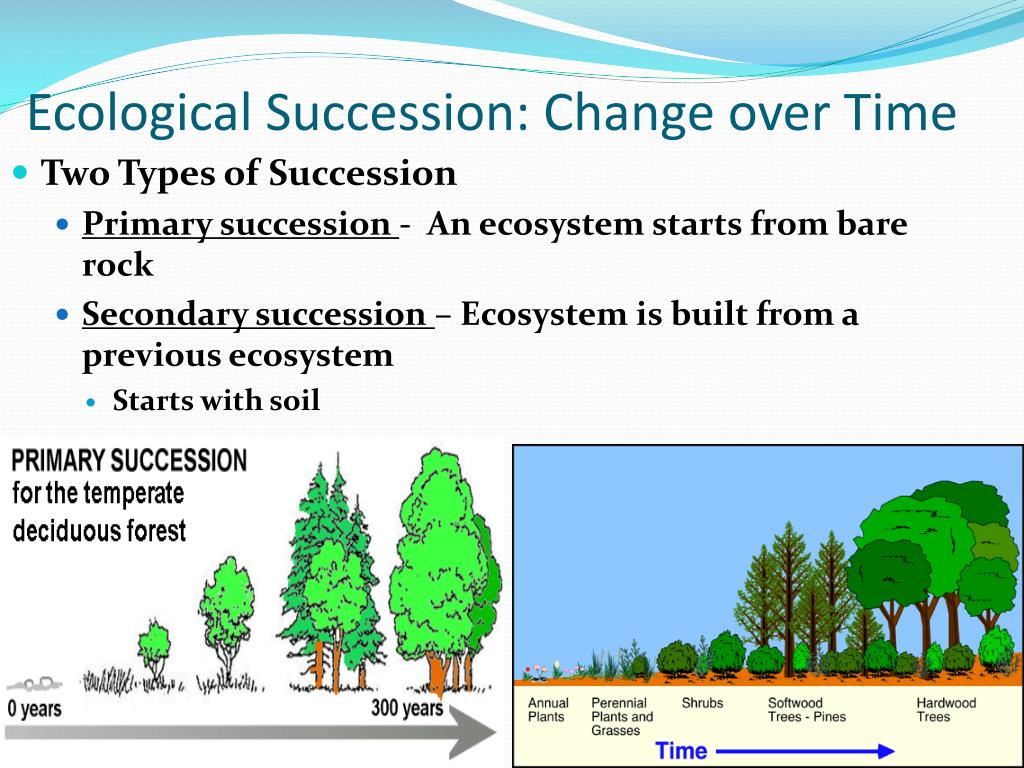
primary vs secondary succession
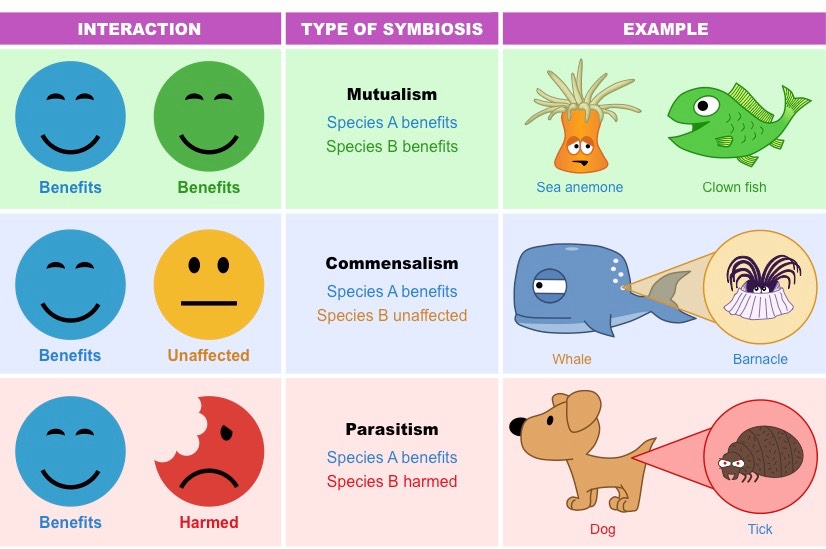
species interactions (predator/prey, commensalism, symbiosis, mutualism)
nutrient cycling (carbon, nitrogen, phosphorus)
human impact (example: usage of fossil fuels)
What is the main purpose of photosynthesis?
What are the reactants of photosynthesis?
During cellular respiration, what is released as a byproduct?
During photosynthesis, different gases move in and out of plant cells. Which phrase best represents the net flow of gases involved in photosynthesis?
Which of the following is an example of an abiotic factor in an ecosystem?
A small bird called a cattle egret often follows cows around in a field. The cattle egret eats insects like ticks that are disturbed by the cows as they walk through the grass. The cows aren't bothered by the bird, and they don't gain or lose anything from the bird's presence.
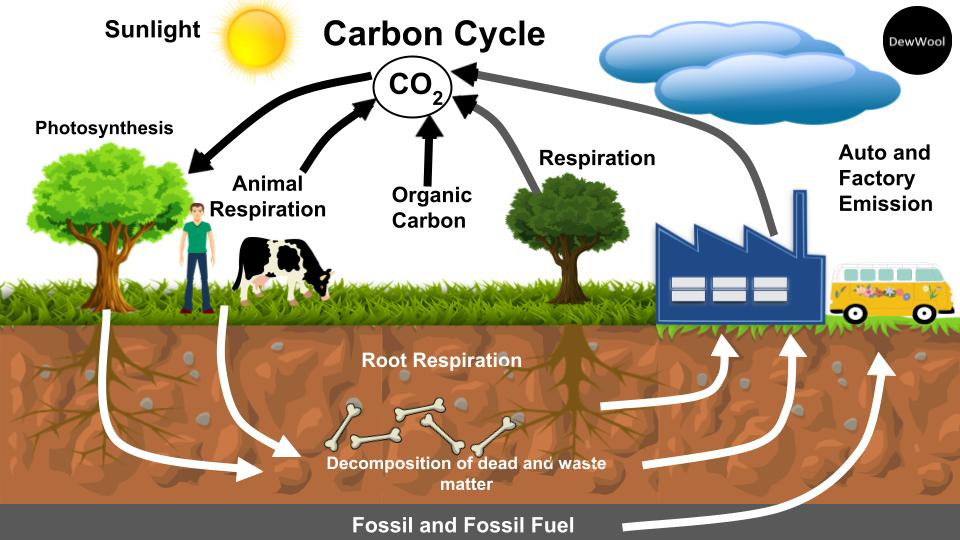
The carbon cycle is how carbon moves through the environment, from the air to plants, animals, and back.
Carbon in the Air: Carbon exists as carbon dioxide (CO₂) in the atmosphere, released by breathing, burning fossil fuels, and decay.
Photosynthesis: Plants take in CO₂ from the air to make food (sugar) and release oxygen.
Consumption: Animals eat plants (or other animals) to get carbon for energy.
Respiration: Both plants and animals release CO₂ back into the air when they breathe.
Decomposition: When plants and animals die, decomposers break them down, releasing carbon back into the soil or air.
Fossil Fuels: Over millions of years, carbon from dead plants and animals becomes fossil fuels (coal, oil, gas). Burning these fuels releases CO₂ into the air.
Oceans: Oceans absorb CO₂ from the air and store carbon in marine plants and animals.
The carbon cycle keeps carbon moving between the atmosphere, living things, and the Earth, helping maintain balance. Too much carbon in the air can lead to climate change.
Which of the following processes releases carbon dioxide (CO₂) back into the atmosphere?
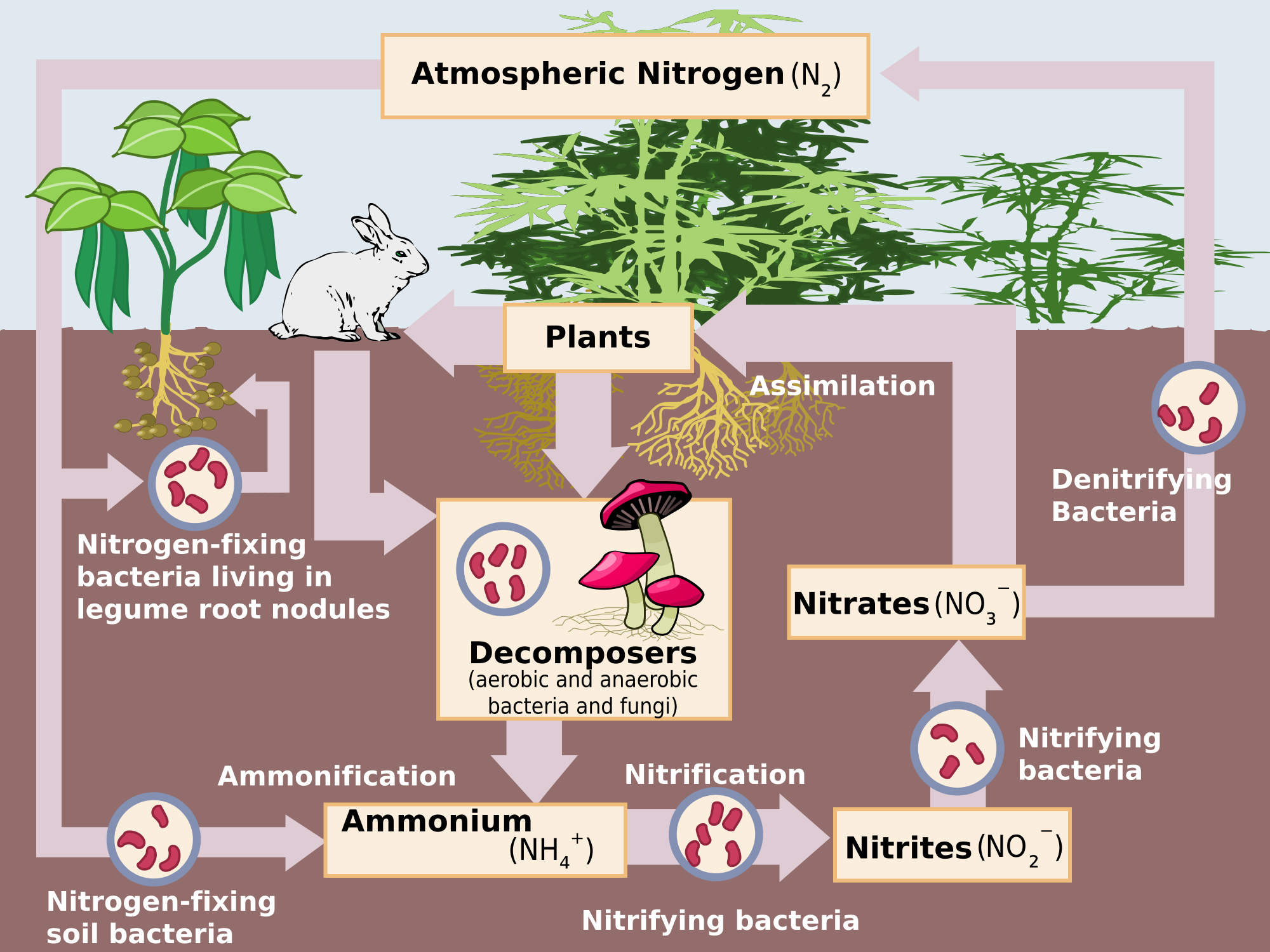
The nitrogen cycle is the process by which nitrogen moves through the environment, changing forms so that plants, animals, and bacteria can use it. Nitrogen is really important for life because it's a key part of proteins and DNA, but most living things can't use nitrogen directly from the air.
Nitrogen fixation: Nitrogen from the air is turned into a form plants can use.
Nitrification: Bacteria turn ammonia into nitrates.
Assimilation: Plants and animals use the nitrogen to grow.
Ammonification: Decomposers return nitrogen to the soil.
Denitrification: Bacteria release nitrogen back into the air.
This cycle helps keep nitrogen moving between the air, soil, plants, and animals, so everything has the nitrogen it needs to survive.
What is the main role of plants in the nitrogen cycle?
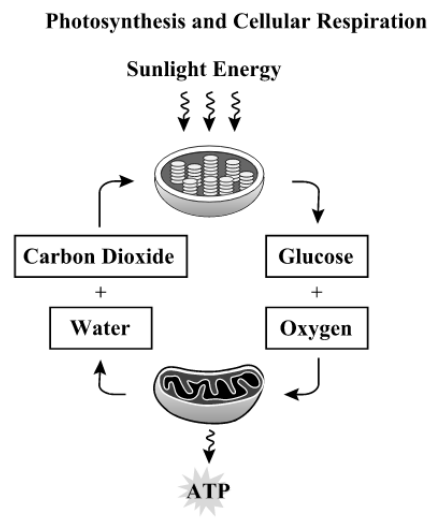
The diagram above shows the relationship between photosynthesis and cellular respiration and the organelles in which they occur. Which statement describes how photosynthesis and cellular respiration are interrelated?
Which of the following diagrams accurately represents the use of gases in both cellular respiration and photosynthesis?
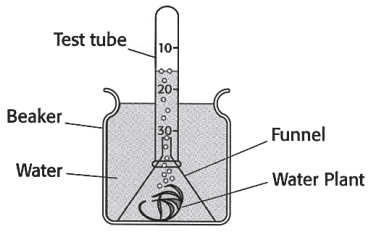
Latecia conducted an experimental investigation of the gas production of a water plant. She placed a beaker upside down over a water plant submerged in water and collected the gas that the water plant produced when kept in sunlight. After several days, a large bubble of gas collected in the upside-down beaker.
Given that the gas came from the water plant, what are the contents of the bubble of gas collected in the test tube?
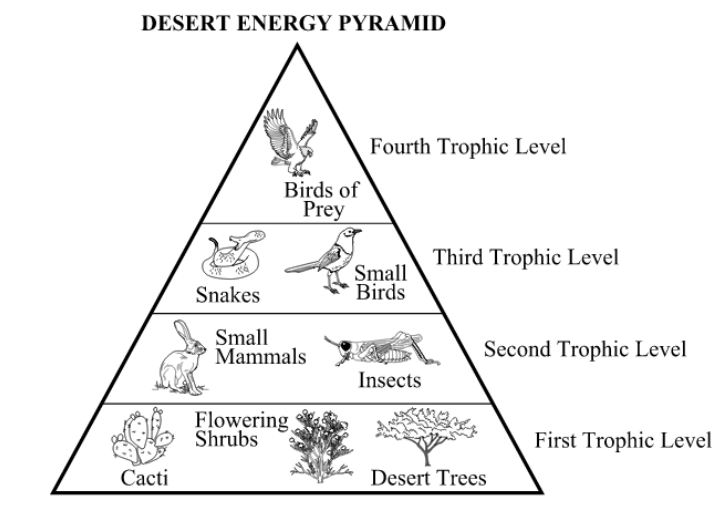
A team of ecologists observed feeding patterns of several populations in the desert. The energy pyramid shown above depicts the feeding patterns the ecologists observed. Which of the following best explains the difference in the amount of available energy in the trophic levels of the desert ecosystem?
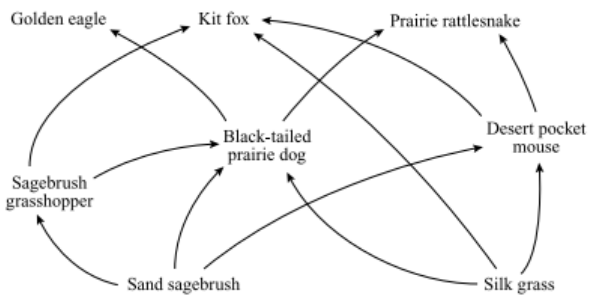
Part of a desert food web is diagrammed above. Which of the following will most likely result if all of the primary consumers are removed from this ecosystem?
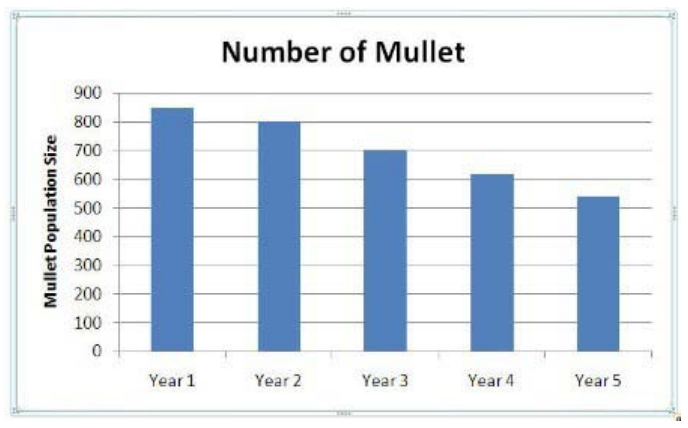
Mullet are local estuarine fish that move in schools and feed on plankton and plant matter. Natural predators of the mullet include spotted sea trout, sharks, pelicans and dolphins. The graph above shows how the number of mullet in an area has changed over time.
Based on the data, one student concludes that a new predator was introduced into the area during this time period, but the teacher asked her to consider an alternative explanation. Which of the following is a likely alternative explanation for the change in the mullet population?
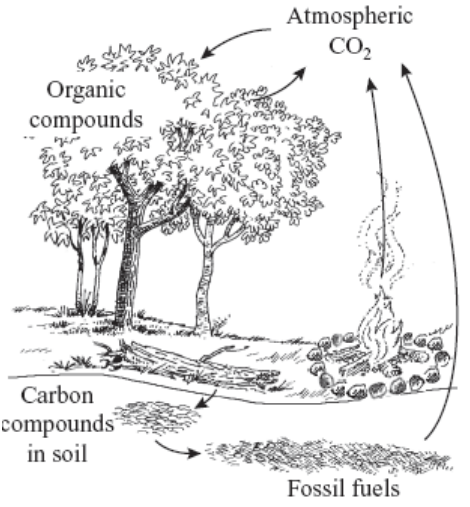
The diagram above shows part of the carbon cycle. If many trees are removed from a forest by logging, what is the most immediate effect on the carbon cycle in that forest?
Acid rains form when air pollution combines with moisture in the atmosphere and falls to Earth as precipitation that has a low pH. Which of the following effects cannot be attributed to acid rain?
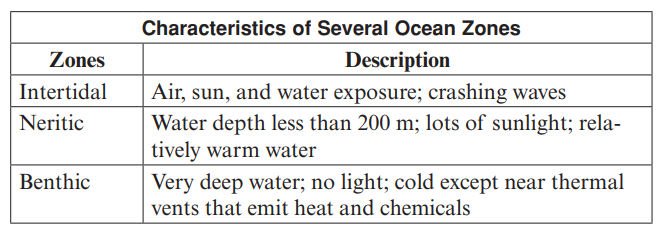
Constance made the table above during a field investigation on ocean life. Based on Constance’s table, which of the following is a valid conclusion?
The tropical rain forests have been called the lungs of the planet. They take huge quantities of carbon dioxide from the atmosphere during photosynthesis and give off large quantities of oxygen. Vast tracts of tropical rain forests are being cleared for farms by people cutting down and burning the trees. Which of the following is the best hypothesis about the effect that rain forest destruction may have on atmospheric carbon dioxide levels?
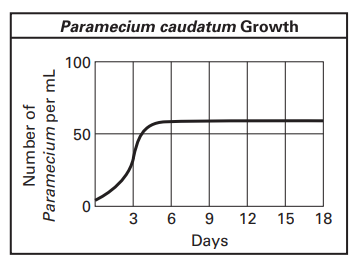
Your class has been observing the population growth of a species of Paramecium, a single-celled organism, for 18 days. Your data are shown in the graph above. Food was occasionally added to the test tube in which the paramecia were grown.
Look at the graph above. What is the carrying capacity of the test-tube environment as long as food is added?
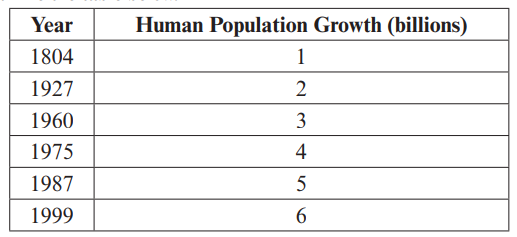
Examine the table above. Which of the following graphs most closely represents human population growth based on the data provided above?
As an increasing amount of carbon dioxide is sent into the atmosphere by burning fossil fuels, the oceans absorb more and more of the excess carbon. Some of the carbon reacts chemically in seawater to form an acid. The more carbon the ocean takes in, the more acidic the water becomes. If the water becomes too acidic, tiny organisms that make up plankton may not be able to make protective shells. One of the areas that would be greatly affected is the Antarctic. What effect, if any, might this harm to plankton have on an Antarctic marine food web?
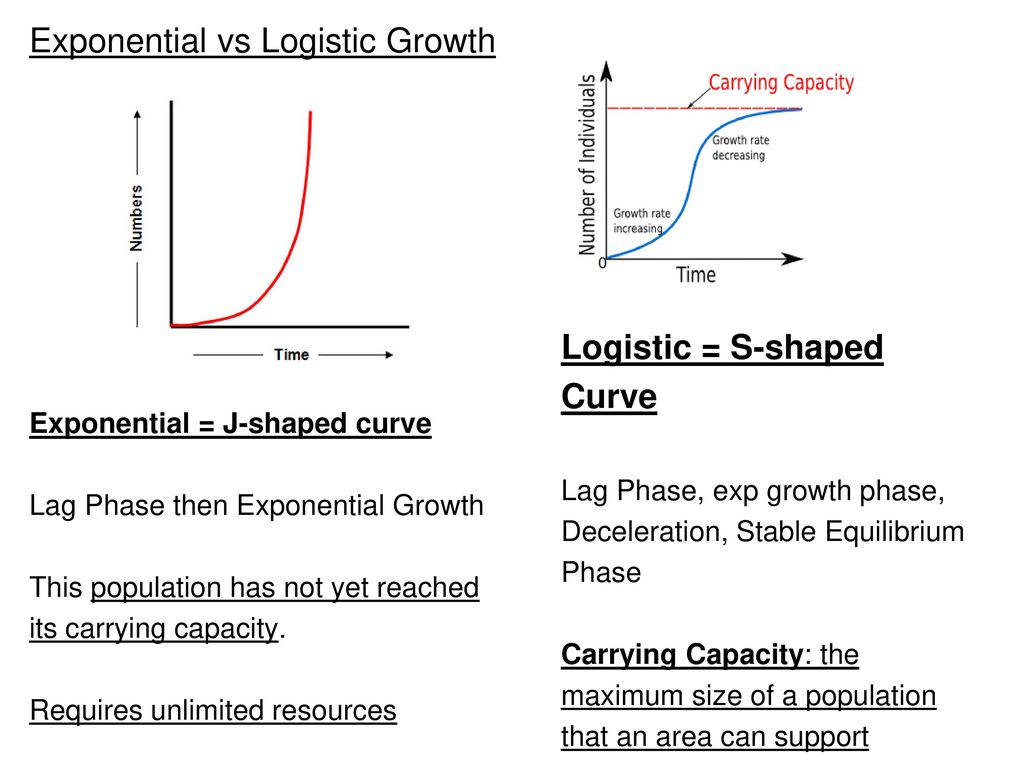
Which of the following best describes exponential growth in a population?
What are the reactants of photosynthesis?
Which of the following is NOT a characteristic of life?
Which of the following is an example of primary succession?
A bee visits a flower to gather nectar. As the bee collects nectar, it brushes against the flower's pollen and carries it to another flower. This helps the flower reproduce, while the bee gets food from the nectar.
How do oceans help in the carbon cycle?
What happens to a population in a logistic growth model as it approaches its carrying capacity (K)?