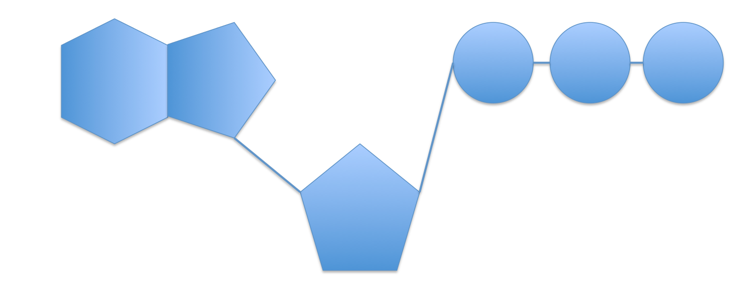
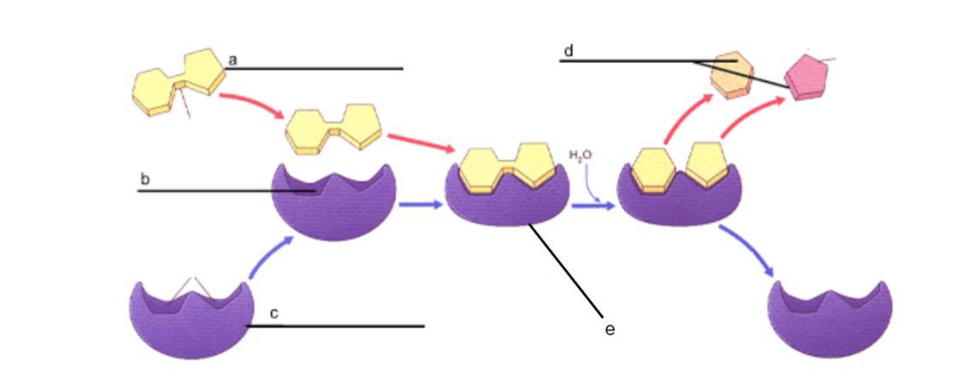
Refer to the image below, in the enzyme-substrate complex, what is happening during step 2?
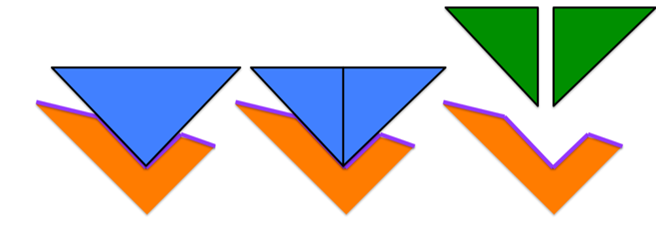
Refer to the image below, in the enzyme-substrate complex, what is happening during step 2?
| Draggable item | arrow_right_alt | Corresponding Item |
|---|---|---|
Herbivore | arrow_right_alt | organism that obtains energy by eating both plants and animals |
detritovores/decomposers | arrow_right_alt | organism that obtains energy by eating animals |
Omnivore | arrow_right_alt | An organism that specializes in breaking down dead tissues and waste products into smaller particles |
carnivore | arrow_right_alt | organism that obtains energy by eating only plants |
| Draggable item | arrow_right_alt | Corresponding Item |
|---|---|---|
trophic level | arrow_right_alt | network of complex interactions formed by the feeding relationships among the various organisms in an ecosystem |
food web | arrow_right_alt | series of steps in an ecosystem in which organisms transfer energy by eating and being eaten |
food chain | arrow_right_alt | the group of organisms within an ecosystem which occupy the same level in a food chain. |
| Draggable item | arrow_right_alt | Corresponding Item |
|---|---|---|
Metabolism | arrow_right_alt | Chemical Reaction in which energy is primarily given off in the form of heat |
chemical reaction | arrow_right_alt | Absorbs heat |
Exothermic | arrow_right_alt | the process by which one or more substances change to produce one or more different substances |
Endothermic | arrow_right_alt | the combination of chemical reactions through which an organism builds up or breaks down materials |
| Draggable item | arrow_right_alt | Corresponding Item |
|---|---|---|
activation energy | arrow_right_alt | substances that are changed during a chemical reaction |
Product | arrow_right_alt | the minimum amount of energy required to start a chemical reaction |
Reactant (substrate) | arrow_right_alt | loss of normal shape of a protein due to heat or other factors |
Denaturation | arrow_right_alt | a region on an enzyme that binds to a protein or other substance during a reaction. |
Enzyme | arrow_right_alt | substance that speeds up the rate of a chemical reaction |
Active Site | arrow_right_alt | A type of protein that speeds up a chemical reaction in a living thing |
Catalyst | arrow_right_alt | a substance that forms in a chemical reaction |
| Draggable item | arrow_right_alt | Corresponding Item |
|---|---|---|
Grana | arrow_right_alt | process in which chemical energy is used to produce carbohydrates |
Matrix | arrow_right_alt | Green pigment in plants that absorbs light energy used to carry out photosynthesis |
chlorophyll | arrow_right_alt | The fluid of the chloroplast surrounding the thylakoid membrane; involved in the synthesis of organic molecules from carbon dioxide and water. |
Stroma | arrow_right_alt | the stacks of thylakoids embedded in the stroma of a chloroplast. |
chemosynthesis | arrow_right_alt | Innermost compartment of the mitochondrion Inner membrane The location of the electron transport system. |
| Draggable item | arrow_right_alt | Corresponding Item |
|---|---|---|
Fermentation | arrow_right_alt | Process that does not require oxygen |
Photosynthesis | arrow_right_alt | Process that requires oxygen |
ATP (adenosine triphosphate) | arrow_right_alt | process by which plants and some other organisms use light energy to convert water and carbon dioxide into oxygen and high-energy carbohydrates such as sugars and starches |
anaerobic respiration | arrow_right_alt | main energy source that cells use for most of their work |
aerobic respiration | arrow_right_alt | Process by which cells release energy in the absence of oxygen |
A catalyzed reaction will have a activation energy, and this leads to a(n) in the reaction rate.
Refer to the image below, in the enzyme-substrate complex, what is happening during step 2?
Graph I shows the relationship between the relative rates of activity of enzymes A and B and temperature. Graph II shows the relationship between the relative rates of activity of enzymes A and B and pH.
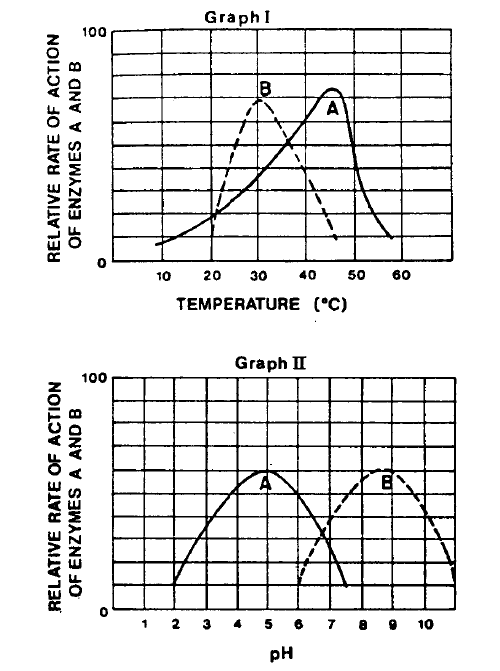
The conditions where enzyme A is most effective is a temperature of
Graph I shows the relationship between the relative rates of activity of enzymes A and B and temperature. Graph II shows the relationship between the relative rates of activity of enzymes A and B and pH.
The conditions where enzyme B is most effective is a temperature of
Which graph shows the most effective enzyme reduction of the amount of required
activation energy?
Drag and drop the words labeled a through e in the diagram below.
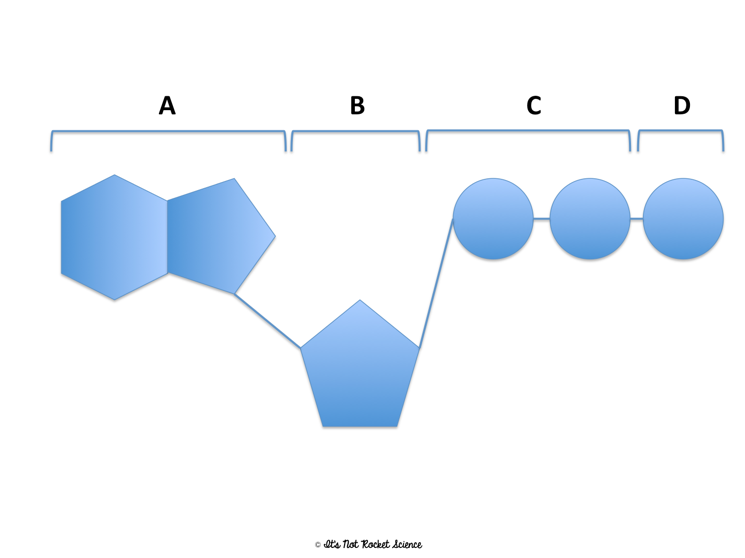
Which letter(s) are labeled for phosphate(s)?
Select all that you would need to create an ATP molecule in ATP-ADP cycle.
Select all that you would need to create the molecule below in the ATP-ADP cycle.
ADP
Add a phosphate group
Remove a phosphate group
Add energy (energy is required)
Remove energy (energy is released)
ATP
To create ATP
To create ADP
What happens when the 3rd phosphate is removed from the ATP? Select all that apply.
Select the bond that holds the maximum amount of energy.