In a healthy, balanced ecosystem the numbers of predators and prey remain fairly constant. They can go up and down during each year but generally over the years, these increases and decreases remain fairly constant.
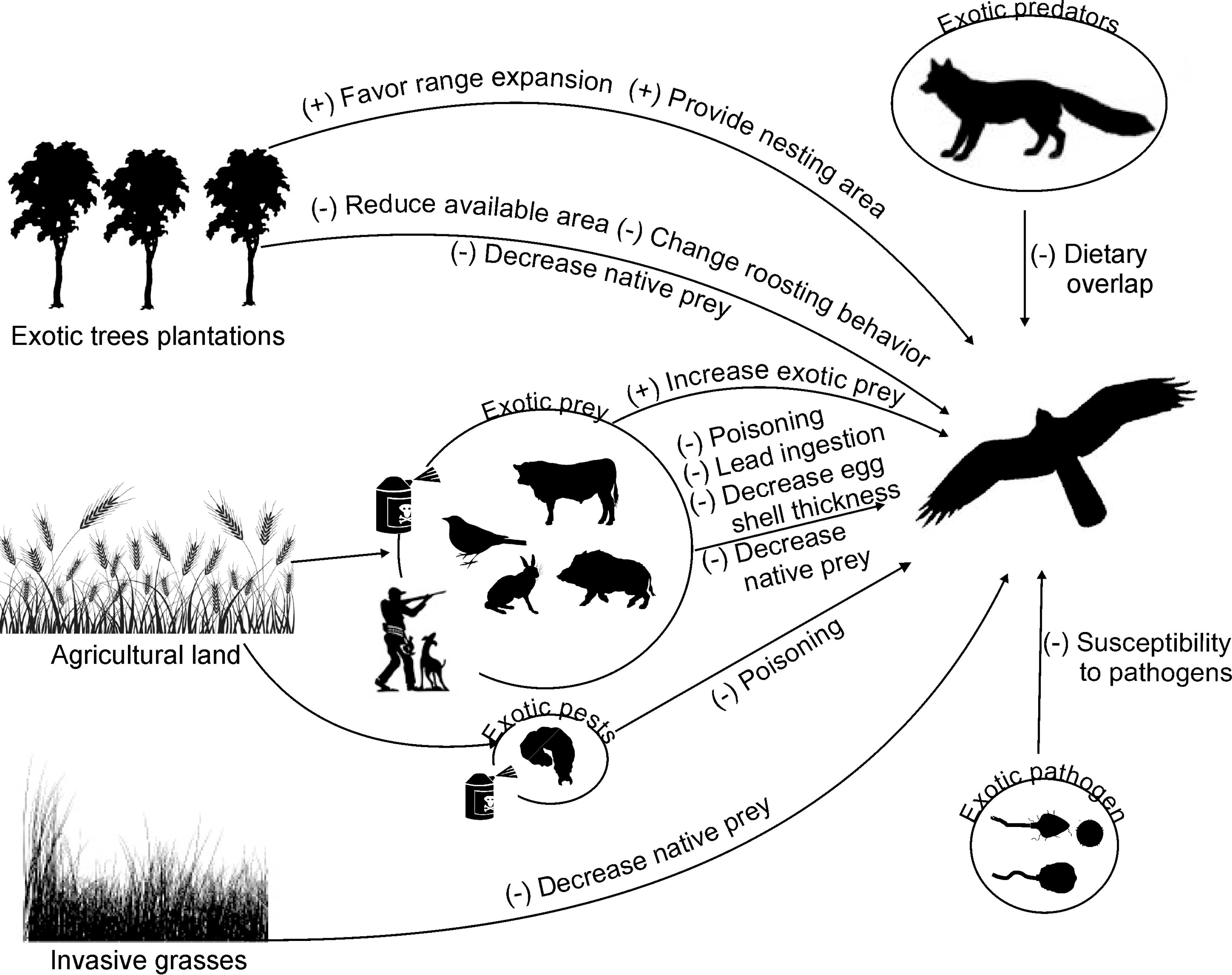
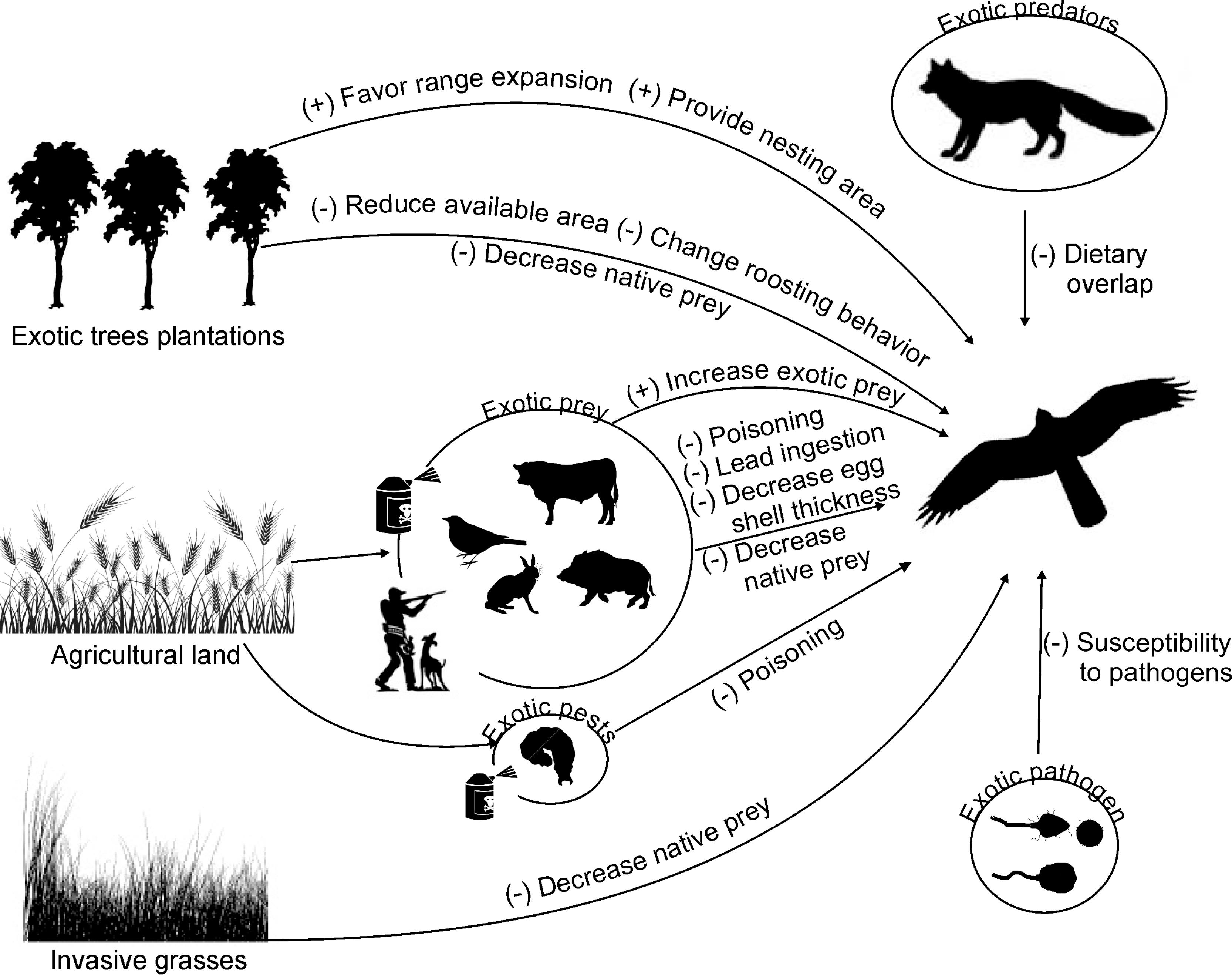
If numbers of either predators or prey increase or decrease it could be due to a change in the abiotic factors, like water or sunlight, or biotic factors, like a new predator or pathogen. This would result in a less healthy, balanced ecosystem.
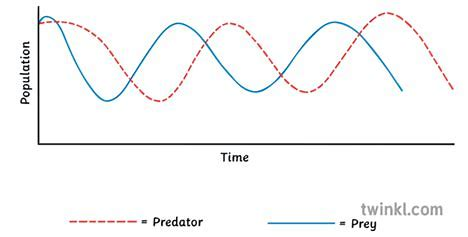
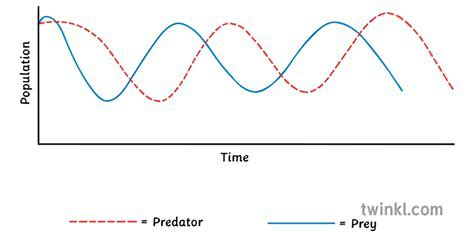
The numbers of predators and prey for certain ecosystems such as the Canadian Lynx (wild cat) and hare have been recorded over many years and found to change in a regular cycle. A similar example is shown in the graph above and shows characteristic repeating patterns called predator-prey cycles.
Which answer does not correctly describe the predator-prey relationship as shown in the graph?