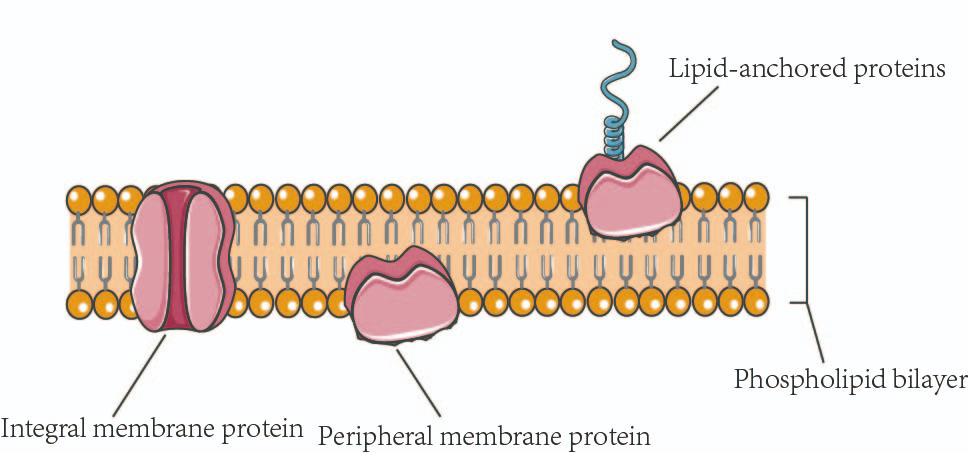
Proteins play crucial roles in various cellular functions such as transporting molecules across the cell membrane, signaling, and maintaining structural integrity. Proteins are made up of combinations of _______________ that are linked together with peptide bonds.

The diagram below represents a process that occurs in organisms. Which statements indicate what A and B in the boxes could represent?
Which macromolecule is vital for cell membrane structure and provides long-term energy if you eat it (avocados)?
Scenario: You are studying an animal that lives in a cold environment, such as the Arctic. The animal has a thick layer of fat beneath its skin. This helps the animal stay warm and survive in freezing temperatures.
Question: How do lipids, as macromolecules, help this animal survive in cold environments?
Which elements make up the macromolecules below?
| Draggable item | arrow_right_alt | Corresponding Item |
|---|---|---|
C H O N P | arrow_right_alt | carbohydrates and lipids |
C H O | arrow_right_alt | proteins |
C H O N | arrow_right_alt | nucleic acids |
Cellulose, starch, and glycogen are all types of carbohydrates but serve different purposes. Cellulose is found in plant cell walls and gives plants their structure; humans can’t digest it, so it helps with digestion as fiber. Starch is how plants store energy, and we get energy from it when we eat foods like potatoes and bread because our bodies break it down into glucose. Glycogen is how animals, including humans, store energy in the liver and muscles; it’s our quick energy reserve that we use when we need an energy boost.
Plants store excess carbohydrates as and animals store excess carbohydrates as .