Link to virtual lab: Gel Electrophoresis (utah.edu)
Biotechnology is a rapidly growing field which merges biology with technology to develop new techniques and products that can benefit areas like forensics, medicine, agriculture, and more. In the 10th grade, you're just the right age to start exploring what this revolutionary field has to offer, so let's dive right in! In forensics, biotechnology aids in solving crimes and understanding historical events.
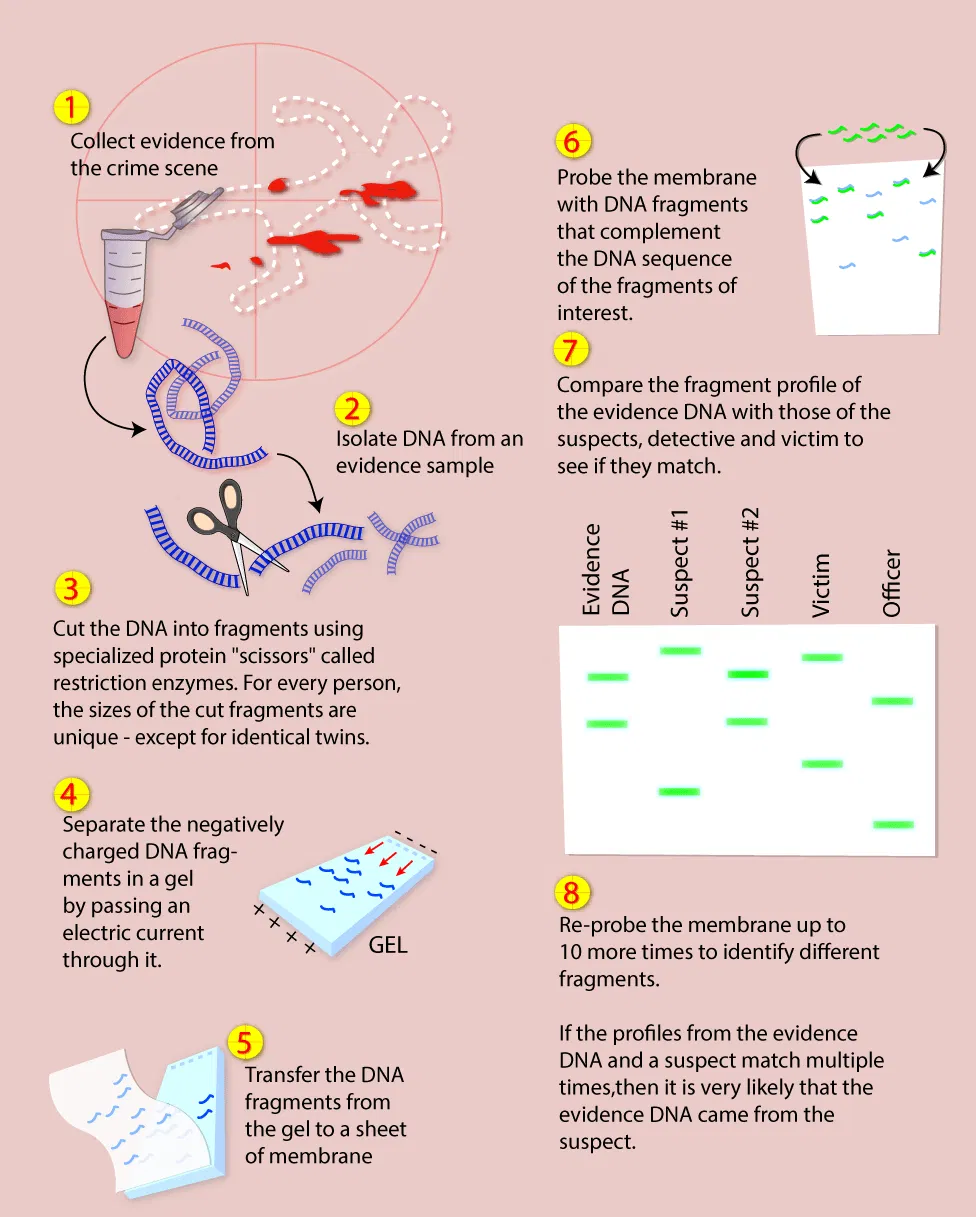
DNA profiling, or genetic fingerprinting, is likely the most recognized application. Scientists gather tiny traces of material left at a crime scene and analyze the DNA, often leading to unambiguous identification of a suspect. In medicine, biotechnology has immense potential. It plays a substantial role in genetic testing, drug design, stem cell treatment, and more.
For instance, scientists are using gene editing tools like CRISPR to potentially treat genetic disorders. Moreover, analyzing DNA and designing patient-specific treatments, a concept known as personalized medicine, is another growing area. Agriculture, too, benefits from biotechnology through the creation of genetically modified organisms (GMOs) to improve crop yield and resistance to pests or adverse environmental conditions. Imagine a tomato that stays ripe for weeks or rice that contains a day's worth of Vitamin A!
Yet, as much as biotechnology brings new possibilities, it also raises important issues related to society, ethics, and economics. Questions regarding privacy and misuse of genetic data, risks, and uncertainties related to GMOs, and accessibility and affordability of biotech breakthroughs are among the topics hotly debated. At this stage, it's important for you not only to understand biotechnology, but also to learn how to ask the right questions, form educated opinions, and communicate them effectively. These skills are essential as citizens in a world increasingly driven by science and technology.
How does biotechnology aid in solving crimes?
Biotechnology is like a super tool kit for scientists, where they can cut, paste, and modify the DNA - the blueprint of life. One of its coolest applications is in the creation of Genetically Modified Organisms, or GMOs.
Imagine being able to create a plant that needs less water to survive or a fish that grows extra fast. That's the power we're talking about! Let's start with understanding what GMOs really are. They are organisms whose genetic material has been artificially manipulated in a laboratory through Genetic Engineering. So, the plants or animals get some 'superpowers', like resistance to certain diseases, increased nutrients, or faster growth, which they wouldn’t normally possess. Now, why is this important? GMOs have immense potential to combat world hunger and malnutrition. By engineering crops to grow in harsh conditions and contain more vitamins, we can provide better nutrition to people in need. Also, they are important in industries like medicine and agriculture.
But, we must also consider the other side of the coin. There's a hot debate about the safety of consuming GMOs. Also, the 'super crops' could cross-pollinate with the wild ones, leading to an imbalance in nature. Looking into the future, the possibilities in this field are mind-boggling! We can literally redesign life to suit our needs. But, this power comes with great responsibility.
Regulating biotechnology use and preventing misuse will be essential as we move into this brave new world. The impact of these advancements is profound. On one hand, we can elevate living standards, eradicate hunger, and make industries efficient. On the other hand, we must address ethical and environmental concerns. The choices we make today will shape our future society and economy. In the end, Biotechnology and GMOs are like a new frontier in human innovation. As we journey forward, we must remember to use this power carefully for the benefit of all, without causing harm to the natural world we are a part of.
What is a GMO?
What is the most common application of biotechnology in medicine?
How is biotechnology used in agriculture?
What is a potential ethical consideration for the use of biotechnology in agriculture?
Which field utilizes biotechnology for DNA profiling?
Link to virtual lab: Gel Electrophoresis (utah.edu)
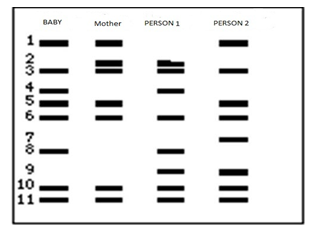
Which person is the father?
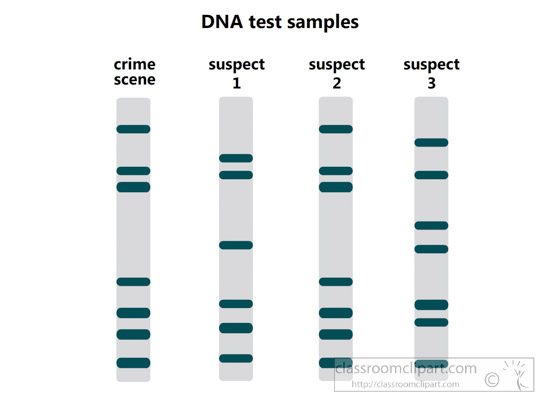
Based on the DNA test samples, which suspect's DNA matches the crime scene sample?
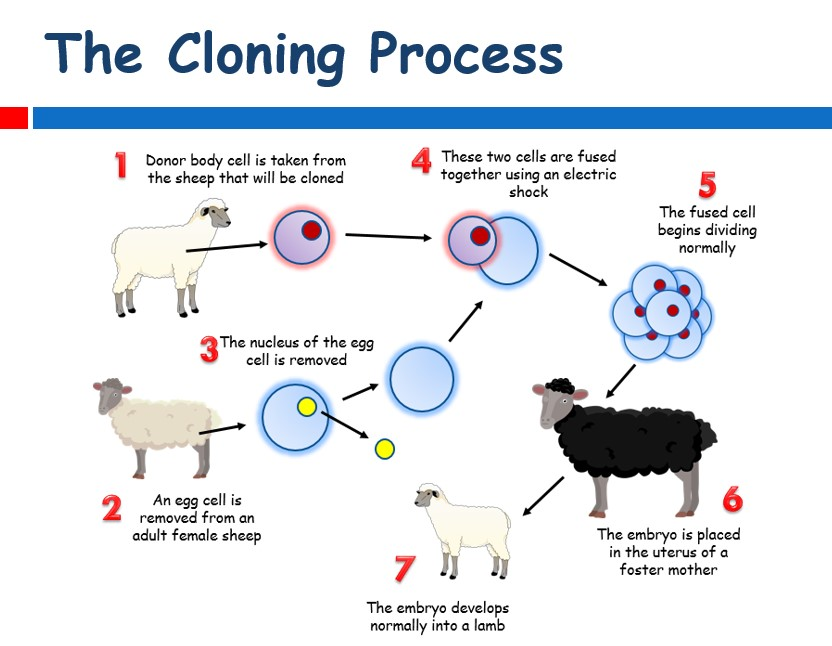
Place the following steps for cloning a sheep in the correct order
First
Last
A donor cell is taken from a sheep’s udder.
The nucleus of the egg cell is removed.
The embryo develops normally into a lamb- Dolly.
The embryo is placed in the uterus of the foster mother.
These two cells are fused using an electric shock.
The fused cell begins dividing normally.
An egg cell is taken from an adult female sheep
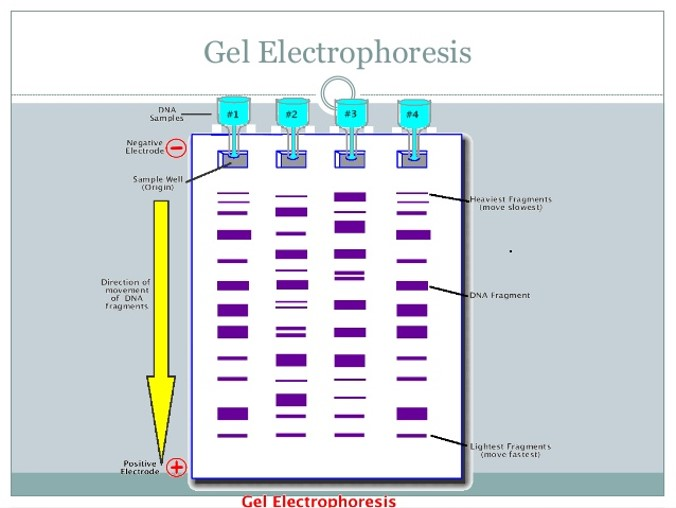
The DNA gel has many little pores that the DNA can move, or migrate, through. When the power is turned on, the DNA moves through these holes. This is why the fragments take longer to move across the gel while the fragments move very quickly.
Before placing the DNA fragments into the wells at the top of the gel, the DNA must be cut up into pieces. What biotechnology is used to cut the DNA at specific sites? (Think DNA scissors)
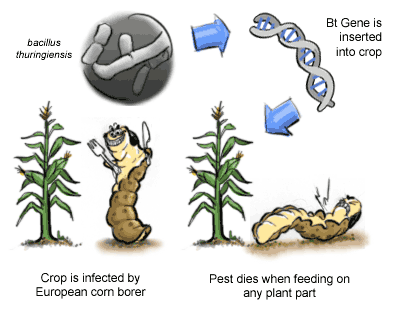
Bt is a naturally occurring pesticide found in bacteria that lives in the soil.
What happens to the corn borer worm when it eats corn that makes the Bt protein?
Biotechnology is limited to the fields of medicine and forensics.
What are the potential issues that arise with the use of biotechnology?
Biotechnology and GMOs have no implications on ethical and environmental concerns.
Which direction is the DNA moving and why? (3 are correct)
Why would farmers plant Bt corn?
How do you think planting Bt corn would save farmers money? (Mark all that apply)