Twa kɔ nsɛm atitiriw so
Log in
Sign up for FREE
arrow_back
Laabri

Unit 3 Practice Test

star
star
star
star
star
Last updated about 2 hours ago
26 Nsɛmmisa
1
1
1
1
1
1
1
1
1
1
1
1
1
1
1
1
1
1
1
1
1
1
1
1
Asemmisa {{asɛmmisaAhyɛnsode}}
1.

Match the macromolecule to its structure or building blocks.

Draggable itemarrow_right_altCorresponding Item

Lipids

arrow_right_alt

Made of amino acids linked by peptide bonds.

Proteins

arrow_right_alt

Composed of monosaccharides like glucose.

Carbohydrates

arrow_right_alt

Formed from nucleotides with phosphate groups.

Nucleic acids

arrow_right_alt

Made from fatty acids and glycerol.

Asemmisa {{asɛmmisaAhyɛnsode}}
2.

Match the macromolecule to its key phrase

Draggable itemarrow_right_altCorresponding Item

Carbohydrates

arrow_right_alt

Enzymes

Lipids

arrow_right_alt

Glucose

Protein

arrow_right_alt

DNA and RNA

Nucleic acids

arrow_right_alt

Cell membrane

Asemmisa {{asɛmmisaAhyɛnsode}}
3.

Which sugar is found in DNA?

Asemmisa {{asɛmmisaAhyɛnsode}}
4.

What base does RNA use instead of thymine?

Asemmisa {{asɛmmisaAhyɛnsode}}
5.

What is the primary role of RNA?

Asemmisa {{asɛmmisaAhyɛnsode}}
6.

What is the primary function of enzymes in biological systems?

Asemmisa {{asɛmmisaAhyɛnsode}}
7.

What affects enzyme activity the most?

Asemmisa {{asɛmmisaAhyɛnsode}}
8.

What happens to an enzyme after a reaction?

Asemmisa {{asɛmmisaAhyɛnsode}}
9.

What term describes the specific region an enzyme binds substrate?

Asemmisa {{asɛmmisaAhyɛnsode}}
10.

What type of replication is DNA replication described as?

Asemmisa {{asɛmmisaAhyɛnsode}}
11.

For eukaryotic cells, DNA replication occurs in the

Asemmisa {{asɛmmisaAhyɛnsode}}
12.

Where does DNA replication occur in eukaryotic cells?

Asemmisa {{asɛmmisaAhyɛnsode}}
13.

What is the main purpose of DNA replication?

Asemmisa {{asɛmmisaAhyɛnsode}}
14.

What is the main purpose of transcription in cells?

Asemmisa {{asɛmmisaAhyɛnsode}}
15.

Where does transcription occur in eukaryotic cells?

Asemmisa {{asɛmmisaAhyɛnsode}}
16.

What is a change in DNA sequence called?

Asemmisa {{asɛmmisaAhyɛnsode}}
17.

DNA sequence: TAC GAG CGC

Identify the correct mRNA sequence below.

Asemmisa {{asɛmmisaAhyɛnsode}}
18.

What is a point mutation?

Asemmisa {{asɛmmisaAhyɛnsode}}
19.

What is a frameshift mutation?

Asemmisa {{asɛmmisaAhyɛnsode}}
20.

Match the terms related to protein synthesis.

Draggable itemarrow_right_altCorresponding Item

mRNA

arrow_right_alt

site of protein assembly.

tRNA

arrow_right_alt

transcribes DNA into a working copy.

ribosome

arrow_right_alt

brings amino acids to ribosomes.

Asemmisa {{asɛmmisaAhyɛnsode}}
21.

Where does translation occur in eukaryotic cells?

Asemmisa {{asɛmmisaAhyɛnsode}}
22.

How many nucleotides make up one codon?

1
Asemmisa {{asɛmmisaAhyɛnsode}}
23.

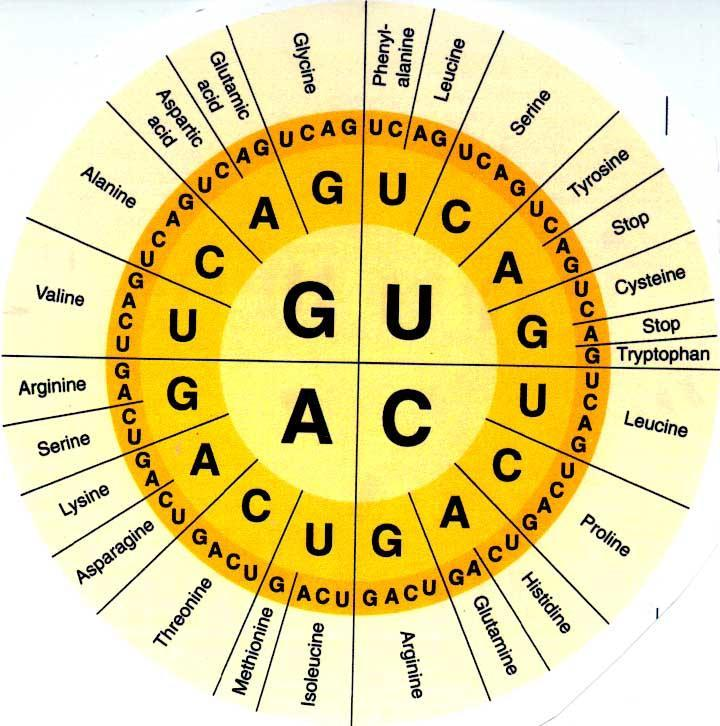
DNA sequence: AGG

RNA sequence: UCC

What is the amino acid that corresponds?

1
Asemmisa {{asɛmmisaAhyɛnsode}}
24.

DNA sequence: TAG

What is the amino acid sequence that corresponds?

Asemmisa {{asɛmmisaAhyɛnsode}}
25.

Biotechnology primarily utilizes the biological molecules and systems from organisms, especially their DNA. Here's how:

  1. DNA and Genes: DNA contains genes, which are like recipes that tell cells how to make proteins. In biotechnology, scientists take specific genes from one organism and put them into another to give it new abilities. For example, they might put a gene from a jellyfish into a plant to make it glow.

  2. Proteins and Enzymes: Proteins made from DNA instructions do important jobs, like breaking down food or fighting off germs. In biotechnology, proteins and enzymes are used to create medicines (like insulin for diabetes) or help in industrial processes (like enzymes in laundry detergent).

  3. Cells and Microorganisms: Whole cells, like bacteria or yeast, are used to make products. For example, yeast is used in biotechnology to make bread rise and to produce biofuels.

  4. Viruses and Plasmids: These are used as tools to carry new genes into cells. For instance, in gene therapy, modified viruses deliver healthy genes to fix genetic disorders.

Overall, biotechnology uses parts of living things—mainly their DNA, proteins, and cells—to make useful products and solve problems.

What does biotechnology primarily utilize from organisms?
Asemmisa {{asɛmmisaAhyɛnsode}}
26.

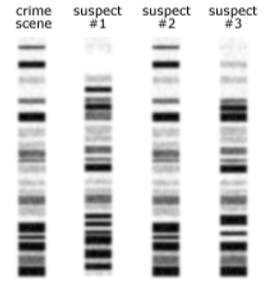
A blood sample was collected from a crime scene and analyzed using DNA fingerprinting. The DNA profiles of the crime scene sample and three suspects (Suspect 1, Suspect 2, and Suspect 3) are shown below.

Based on the DNA profiles, which suspect is most likely to have been present at the crime scene? First look at the crime scene, then compare to the suspect to see the closest match.