A centriole is a small, cylindrical organelle made up of microtubules, found in animal cells and some lower plant cells. Centrioles play a key role in cell division by helping to organize the mitotic spindle, which separates chromosomes during mitosis and meiosis. The cytoplasm is the jelly-like substance that fills the inside of a cell, excluding the nucleus. It is made up of cytosol (the fluid portion), organelles, and various molecules necessary for cellular processes.
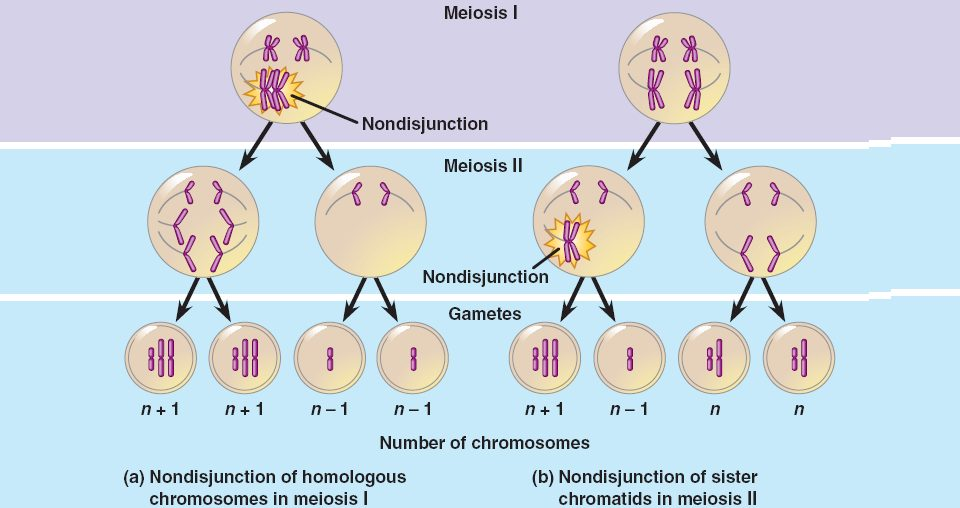
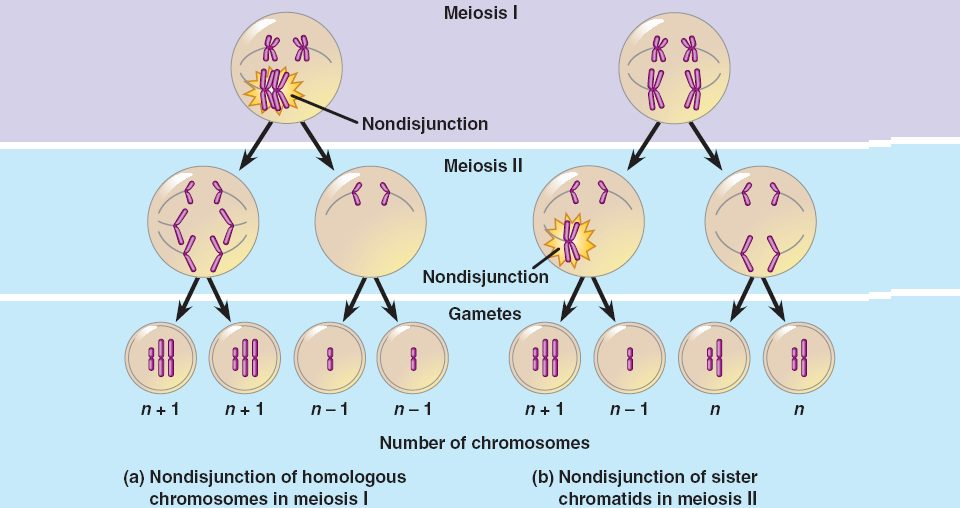
The centromere is the region of a chromosome where the two sister chromatids are held together. It plays a crucial role in cell division by serving as the attachment site for spindle fibers during mitosis and meiosis, ensuring proper chromosome separation. The centromere can be located in different positions on a chromosome, influencing its shape.
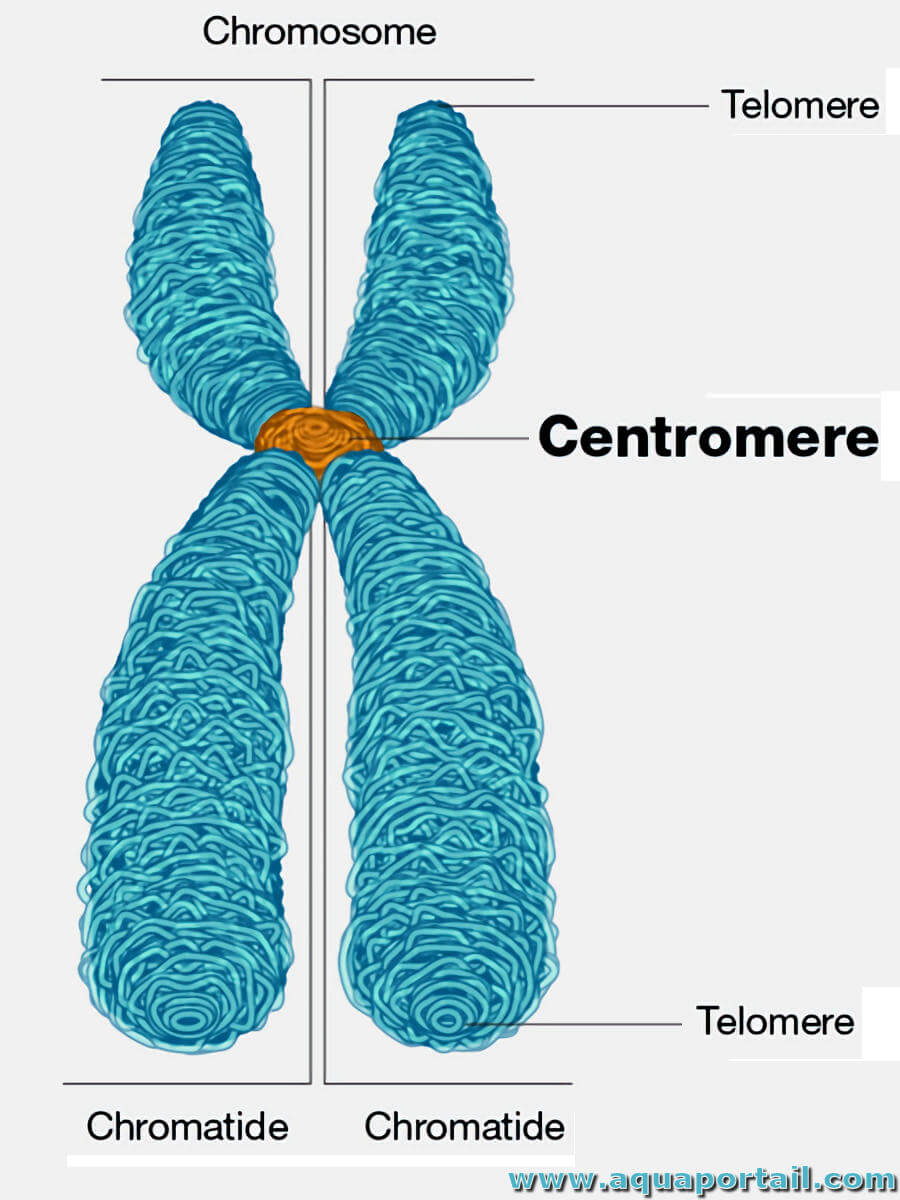
What is the middle of this chromosome called?
A centriole is a small, cylindrical organelle made up of microtubules, found in animal cells and some lower plant cells. Centrioles play a key role in cell division by helping to organize the mitotic spindle, which separates chromosomes during mitosis and meiosis. The cytoplasm is the jelly-like substance that fills the inside of a cell, excluding the nucleus. It is made up of cytosol (the fluid portion), organelles, and various molecules necessary for cellular processes.
The centromere is the region of a chromosome where the two sister chromatids are held together. It plays a crucial role in cell division by serving as the attachment site for spindle fibers during mitosis and meiosis, ensuring proper chromosome separation. The centromere can be located in different positions on a chromosome, influencing its shape.
What is the middle of this chromosome called?