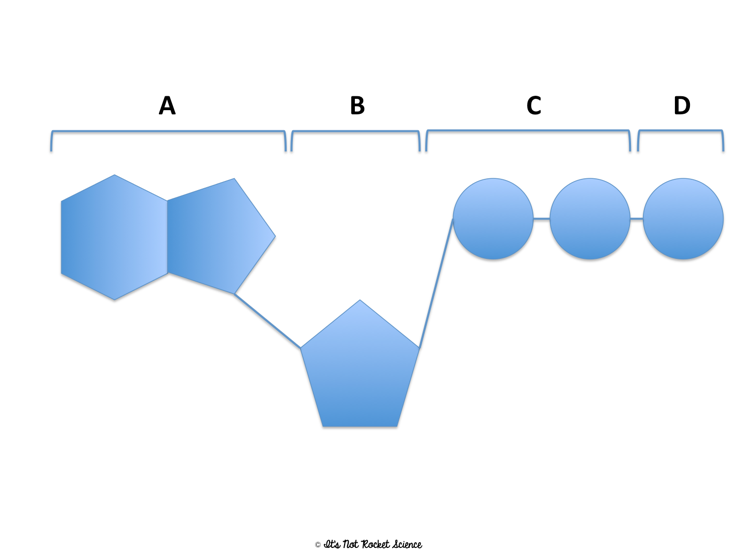
A represents . B represents . C & D represents . But to release energy for cellular processes, the cell would need to break off
Mmuae Afoforo a Wobɛpaw:
C
Adenine
A
Ribose
D
Triphosphate
B
| Draggable item | arrow_right_alt | Corresponding Item |
|---|---|---|
aerobic respiration | arrow_right_alt | Process that does not require oxygen |
ATP (adenosine triphosphate) | arrow_right_alt | Process that requires oxygen |
anaerobic respiration (fermentation) | arrow_right_alt | process by which plants and some other organisms use light energy to convert water and carbon dioxide into oxygen and high-energy carbohydrates such as sugars and starches |
Photosynthesis | arrow_right_alt | main energy source that cells use for most of their work |
A represents . B represents . C & D represents . But to release energy for cellular processes, the cell would need to break off
Select all that you would need to create the molecule below in the ATP-ADP cycle.
ADP
Add a phosphate group
Remove a phosphate group
Add energy (energy is required)
Remove energy (energy is released)
ATP
To create ATP
To create ADP
Photosynthesis produces while cellular respiration is used to make
What is the primary energy currency produced in aerobic respiration?
Which process occurs in the absence of oxygen?
What byproduct is produced during anaerobic respiration in muscle cells?
Fill in the formula for photosynthesis below.
6CO2 + 6-----> + 6
Select the reactants in this reaction.
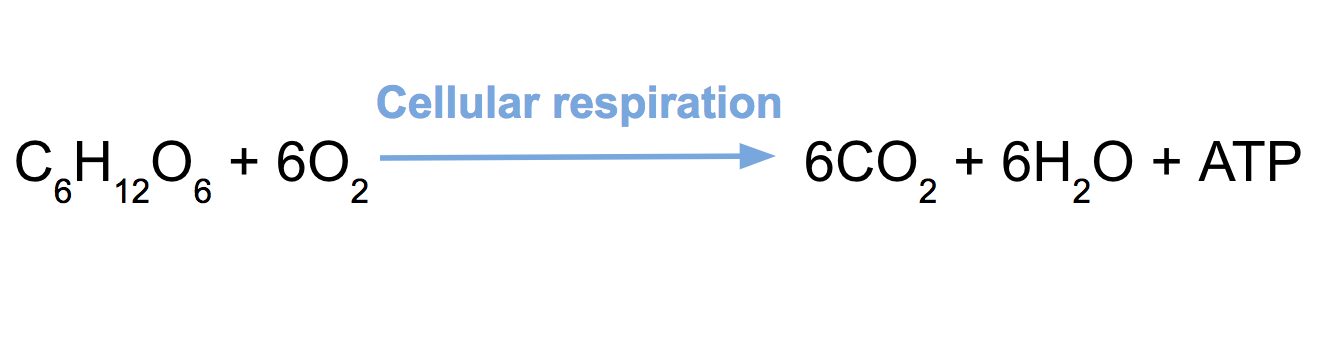
A dog is running in the park. Which formula below represents the cellular process occurring within the dog?
Which of the following factors affect the rate of photosynthesis? (Select 4)
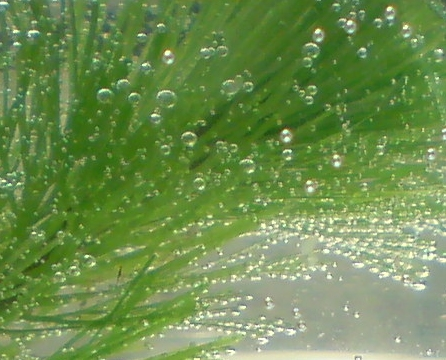
The aquatic plant shown in the picture above is in direct sunlight and is releasing bubbles. What gas is being released by the plant to produce the bubbles?
While photosynthesis occurs in plants (and some bacteria and protists), cellular respiration occurs in _____________________
Two steps:
Light Independent Reaction
Light Dependent Reaction
occurs in chloroplast
3 Steps:
Glycolysis
Krebs Cycle
Electron Transport Chain
occurs in mitochondria
Photosynthesis
Cellular Respiration
| Draggable item | arrow_right_alt | Corresponding Item |
|---|---|---|
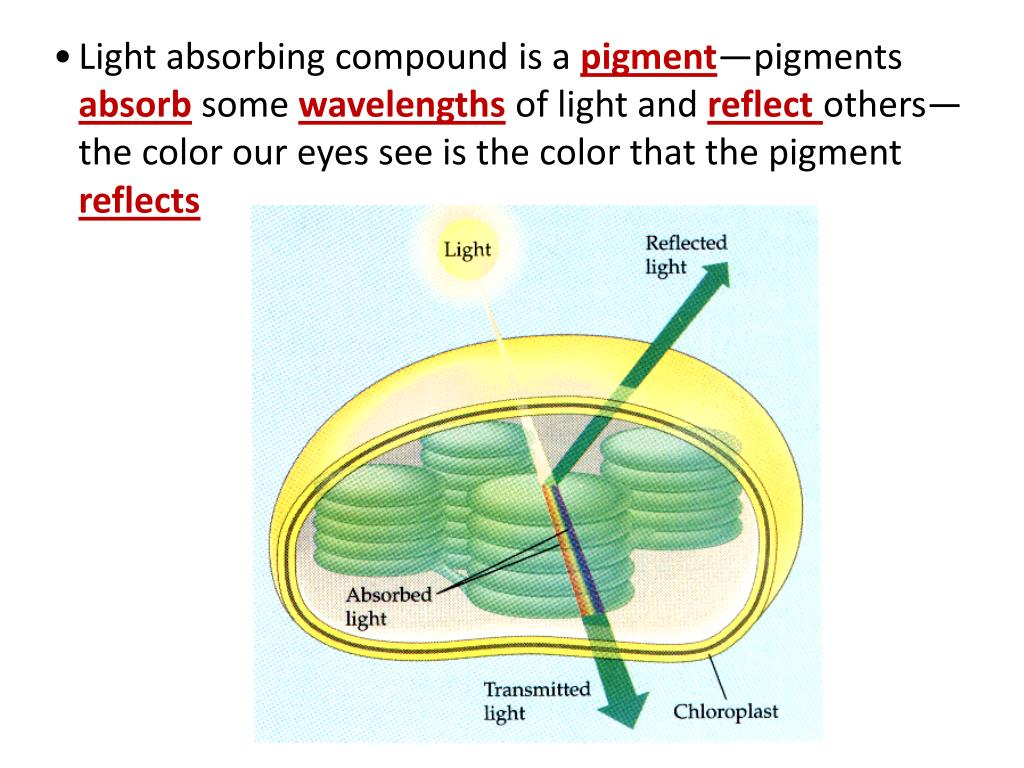
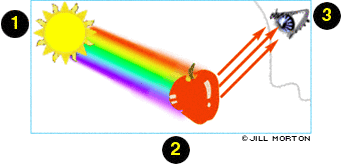
light that is absorbed | arrow_right_alt | is the color we see |
light that is reflected | arrow_right_alt | is not seen |
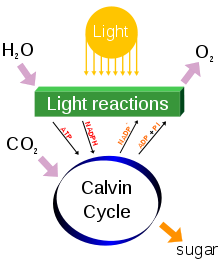
Photosynthesis has two main stages: light-dependent and light-independent reactions. Light-dependent reactions happen in the thylakoids and need sunlight to split water (H₂O), making oxygen (O₂) and energy molecules (ATP and NADPH). These energy molecules power the light-independent reactions, also called the Calvin Cycle, which takes place in the stroma. This stage doesn’t need light and uses carbon dioxide (CO₂) along with ATP and NADPH to create glucose (C₆H₁₂O₆), which the plant uses for energy. In simple terms, the first stage charges the battery (ATP & NADPH), and the second stage uses that energy to build food for the plant. 🌱☀️
produces sugar
occurs in thylakoids
needs sunlight
produces oxygen
does not require sunlight
occurs in stroma
also known as "Calvin Cycle" & "Dark Reaction"
Light Dependent Reaction (3 items)
Light Independent Reaction (4 items)
occurs in inner mitochondrial membrane
occurs in mitochondrial matrix
produces: H20 and produces THE MOST ATP (24-36!!!!)
occurs in cytoplasm
Glycolysis - 1st step
Krebs Cycle - 2nd step
Electron Transport Chain - 3rd step
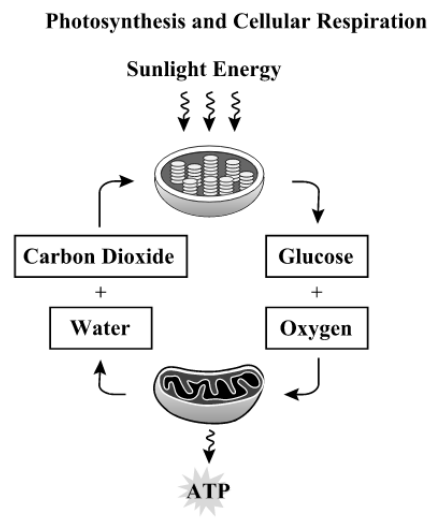
The diagram above shows the relationship between photosynthesis and cellular respiration and the organelles in which they occur.
Which statement describes how photosynthesis and cellular respiration are interrelated?
Carbohydrates are a type of biological macromolecules required to carry out life functions. Which of the following statements regarding carbohydrates is true?