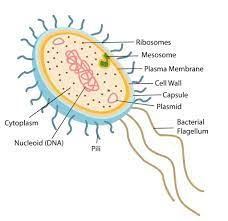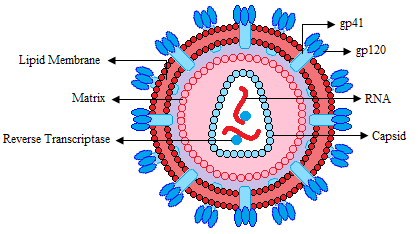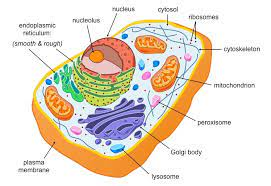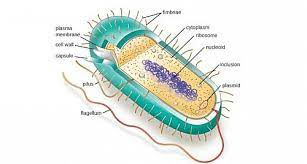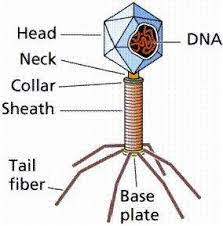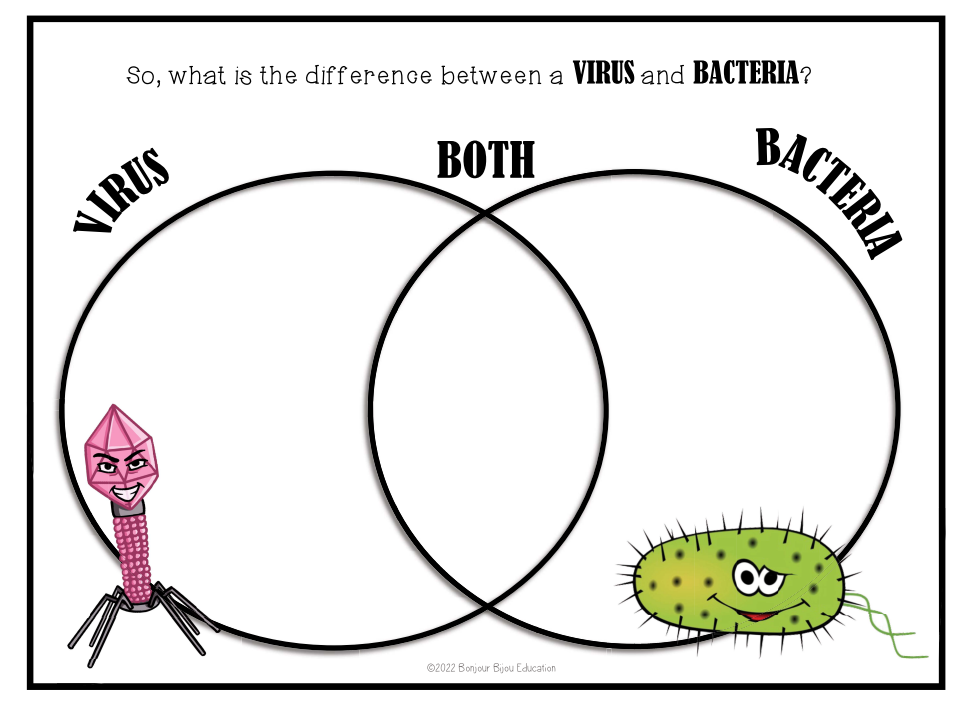
I recommend you draw this Venn Diagram in your notebooks, then use the two following Infographics on each to fill.
I recommend you draw this Venn Diagram in your notebooks, then use the two following Infographics on each to fill.
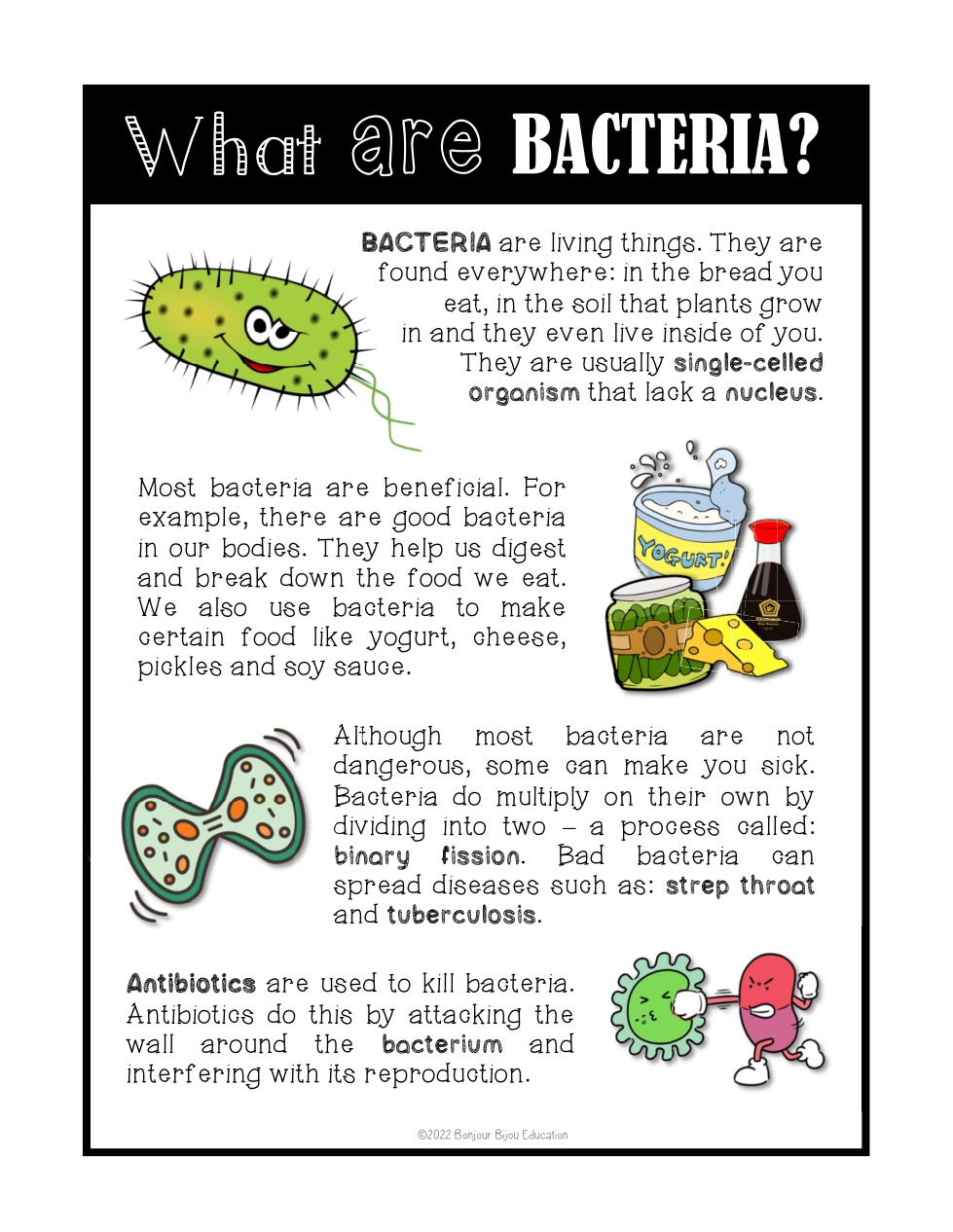
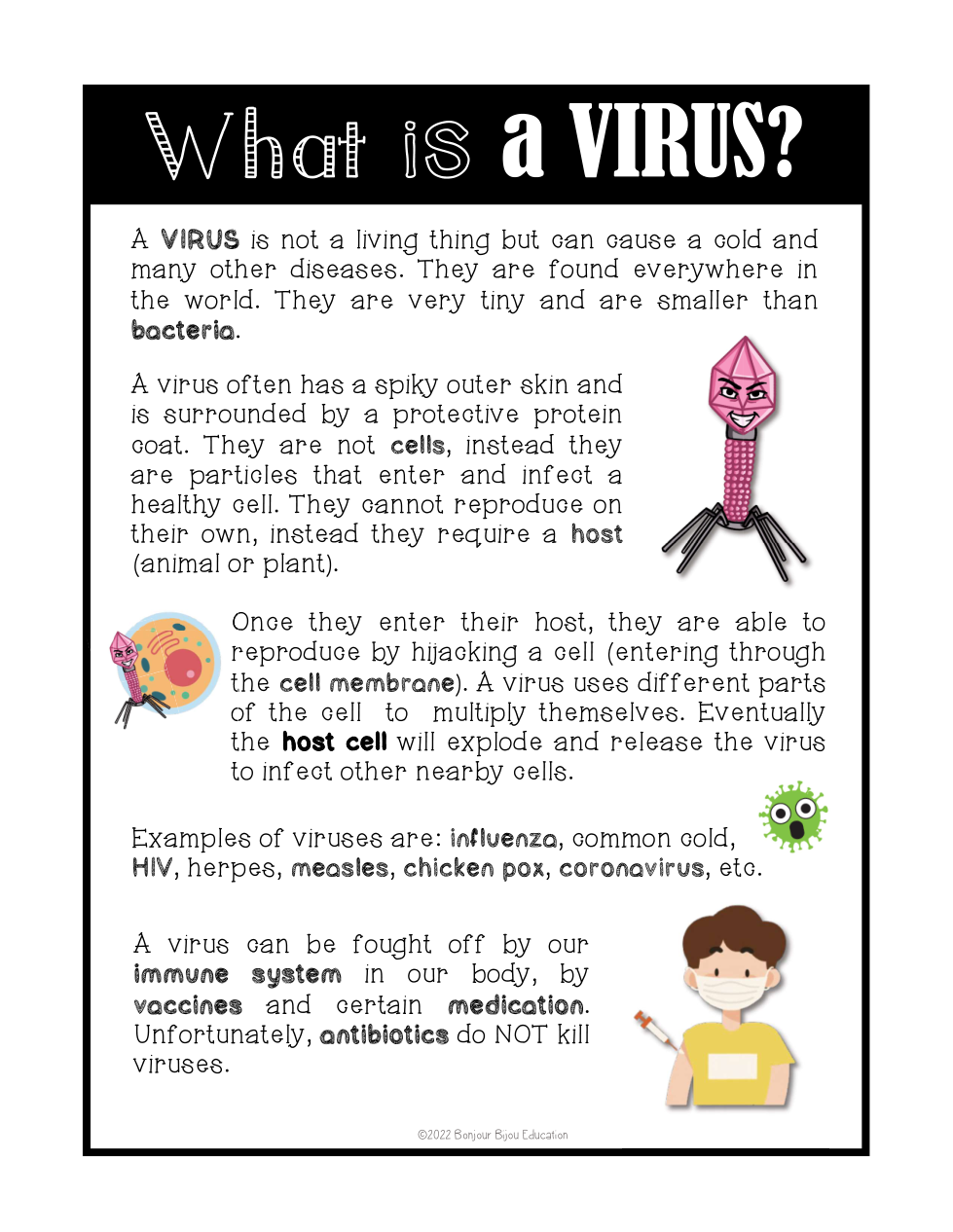
Bacteria are living organisms.
Viruses are prokaryotic organisms
| Draggable item | arrow_right_alt | Corresponding Item |
|---|---|---|
| arrow_right_alt | virus | |
| arrow_right_alt | animal cell |
| arrow_right_alt | bacteria |
| Draggable item | arrow_right_alt | Corresponding Item |
|---|---|---|
| arrow_right_alt | eukaryote | |
| arrow_right_alt | prokaryote | |
| arrow_right_alt | non-living virus |
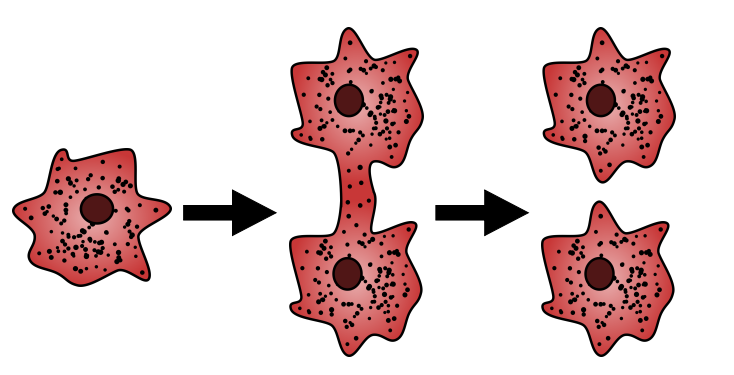
Bacteria are single celled organisms which reproduce through a process called “binary fission.” Binary fission is a form of asexual reproduction, which means that the offspring only have one parent. As a result, offspring can only inherit DNA from their single parent, making them a genetic clone. Organisms which reproduce asexually don’t have a gender. There are no boys or girls.
Bacteria use ________________ to reproduce
bacteria reproduce quickly to make clones by this type of reproduction
In binary fission a prokaryotic cell such as bacteria copies its DNA and then pinches into two identical daughter cells.
This would ____________ genetic variety.
Some species of bacteria can copy their DNA and divide (doubles) every 40 minutes via binary fission. If a colony of 100 bacteria cells begins the binary fission process at noon, how many will there be by 6pm?
12:00PM:
12:40PM:
1:20PM:
2:00PM:
2:40PM:
3:20PM:
Despite their overly simplified genetic lineage, asexual species can still evolve. When a cell copies its DNA, there is a good chance that some mistakes will be made. These replication errors are called ”mutations.” Most of the time these mutations are inconsequential, and sometimes the mutation may even be detrimental to the cell and cause it to die before it’s able to reproduce. Every now and then, though, a random error will give the cell a special advantage.
When this happens, the cell is able to immediately pass on its advantage to a new generation of prokaryotes, as it will quickly clone its DNA and divide. (Remember, the biggest advantage of asexual reproduction is speed!
True/False: Mutations are always bad.
What is antibiotic resistance?
Why is antibiotic resistance a major health concern?
What can contribute to the development of antibiotic resistance?
What is the primary mechanism by which bacteria acquire resistance?
What happens when antibiotics are used too often or incorrectly?
MRSA infection is a type of staph bacteria that's resistant to many antibiotics and can cause serious infections in the skin, lungs, heart, bones, and joints. It can be spread by health care workers or contact with unclean surfaces.
Observe the graph below.
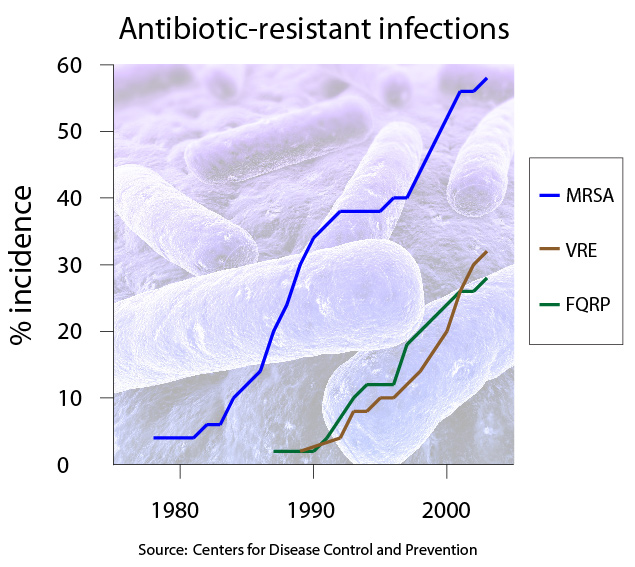
Explain what is occurring over time to the population of MRSA.
Observe the graph below.
Did the MRSA bacteria decide one day to be super-strong and resistant to antibiotics? (NO!)
How did it most likely become immune to the antibiotics that we use?