The above diagram provides a good example of
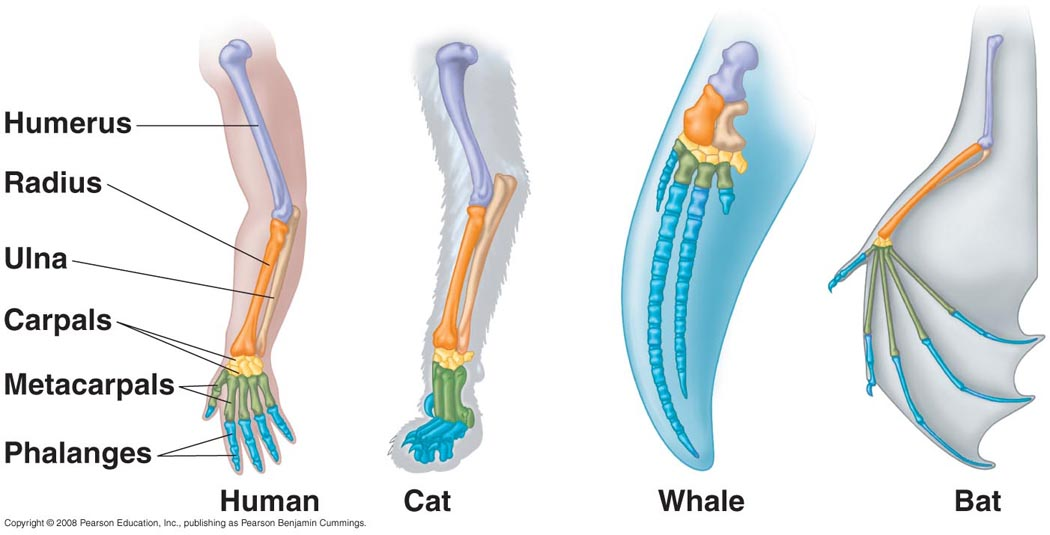
The above diagram provides a good example of
The above diagram provides a good example of
Comparing the wings of a bird, the wings of a bat, and the wings of an insect would serve to illustrate an example of
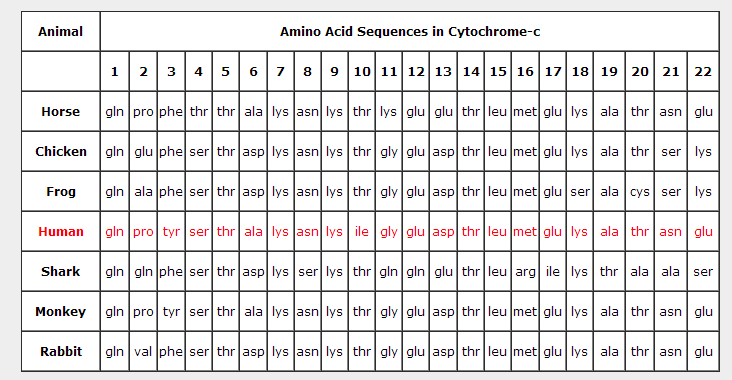
DNA sequences can be used to determine the evolutionary relationships of species because
Define: Homologous structures
What does Fossil Record tell us about evolution?
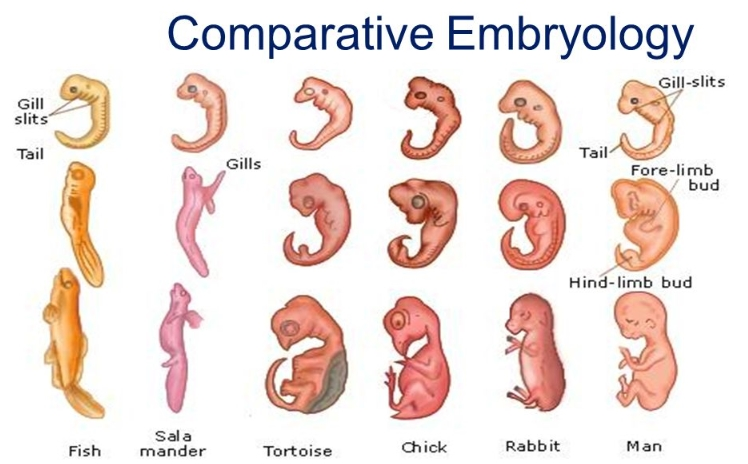
Embryology and Evolution
When scientists study embryos, which are the early stages of development in animals, they notice something fascinating: many different species look very similar at this stage. For example, human embryos, chicken embryos, and fish embryos all share features like tails and gill-like structures.
This similarity suggests that these animals may have come from a common ancestor. Even though they grow up to be very different—humans, chickens, and fish—they started off looking quite alike. This is because their early development is influenced by similar genetic instructions.
As these animals grow, they adapt to their environments, leading to the differences we see as adults. The fact that many species share similar embryonic stages supports the idea that they evolved from the same distant relatives.
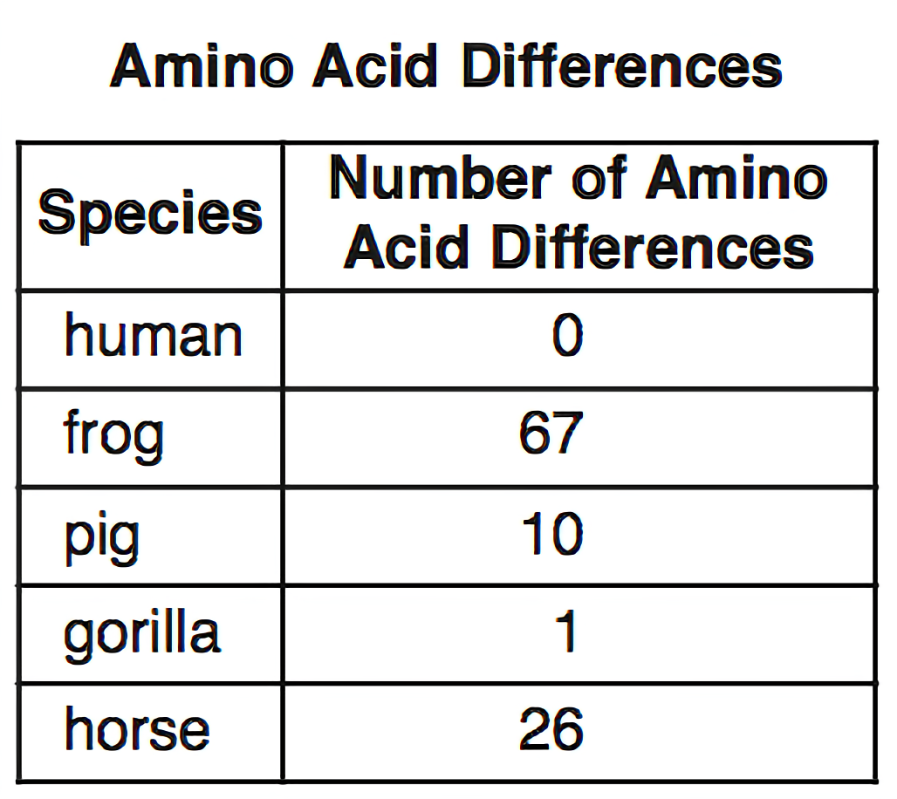
Which organism shares the most recent common ancestor to humans?
The is most closely related to the human while the has the most differences when comparing amino acids.
Which organism is most closely related to the human based on the amino acid sequence found in the chart above?