Which of the following is an example of an adaptation?
Which of the following is an example of an adaptation?
The mechanisms of evolution are processes that lead to changes in the genetic makeup of populations over time. Here are the main mechanisms:
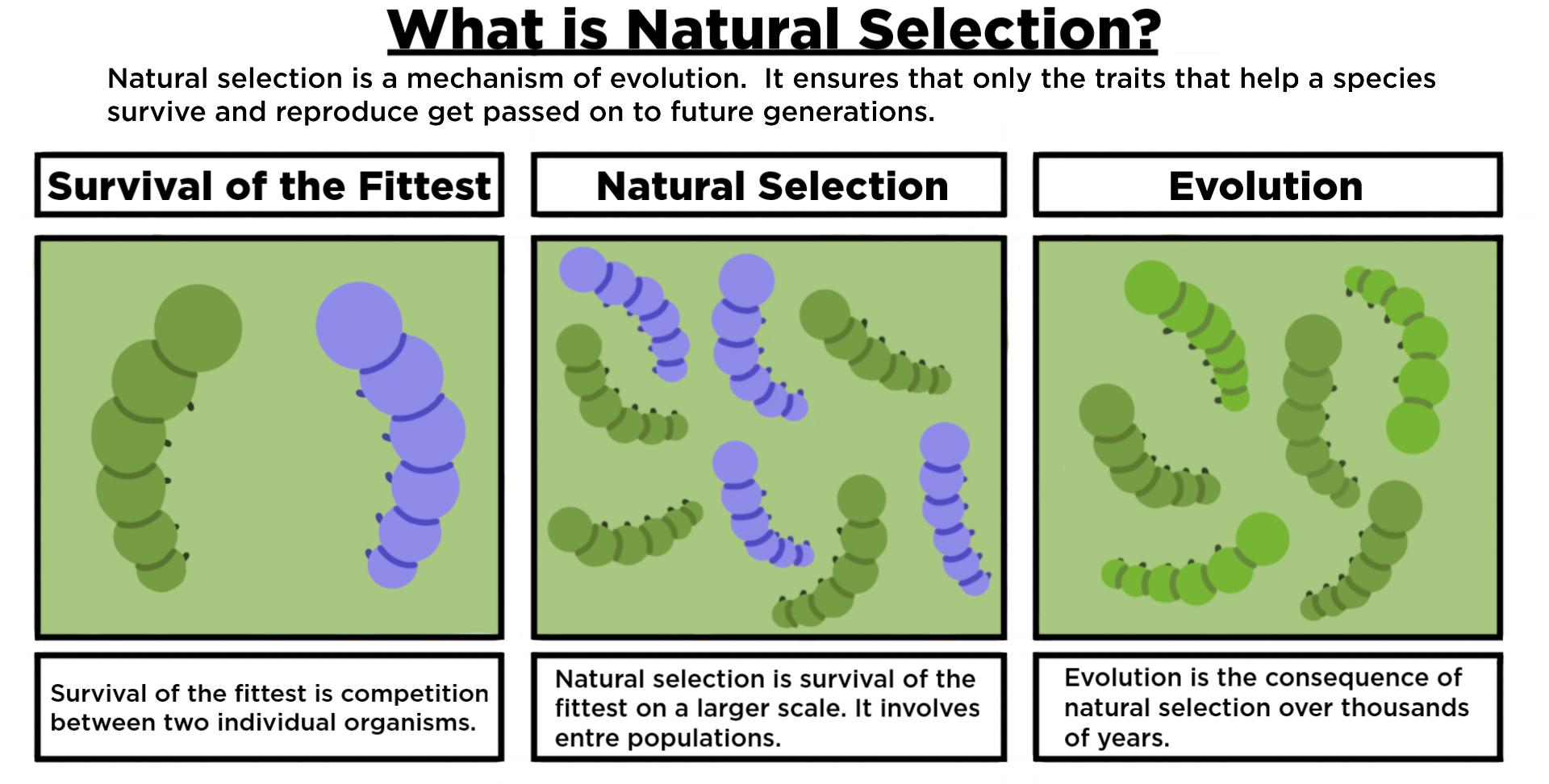
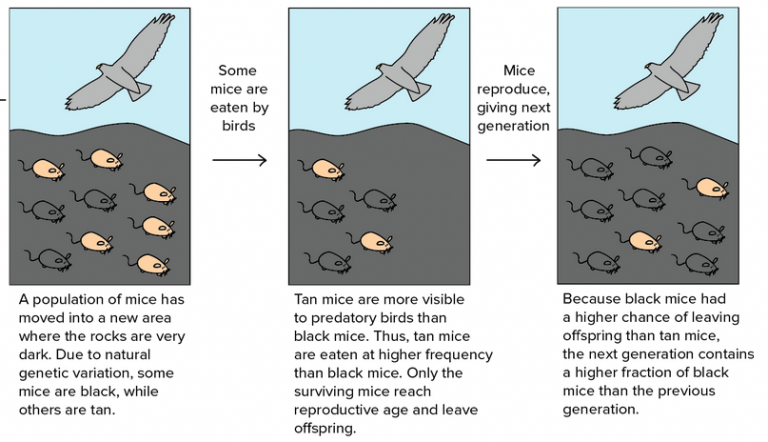
Natural Selection: This is the process by which individuals with advantageous traits are more likely to survive and reproduce. Over time, these traits become more common in the population. For example, in a population of rabbits, those with better camouflage may evade predators more effectively.
Genetic Drift: This mechanism involves random changes in allele frequencies in a population, especially in small populations. For instance, if a few individuals in a population happen to survive and reproduce due to chance, their genetic traits may dominate future generations, regardless of their adaptive value.
Mutation: Mutations are random changes in an organism's DNA. These can create new traits and contribute to genetic diversity. Some mutations may be beneficial, some neutral, and others harmful. For example, a mutation might result in a color change that helps an organism blend into its environment.
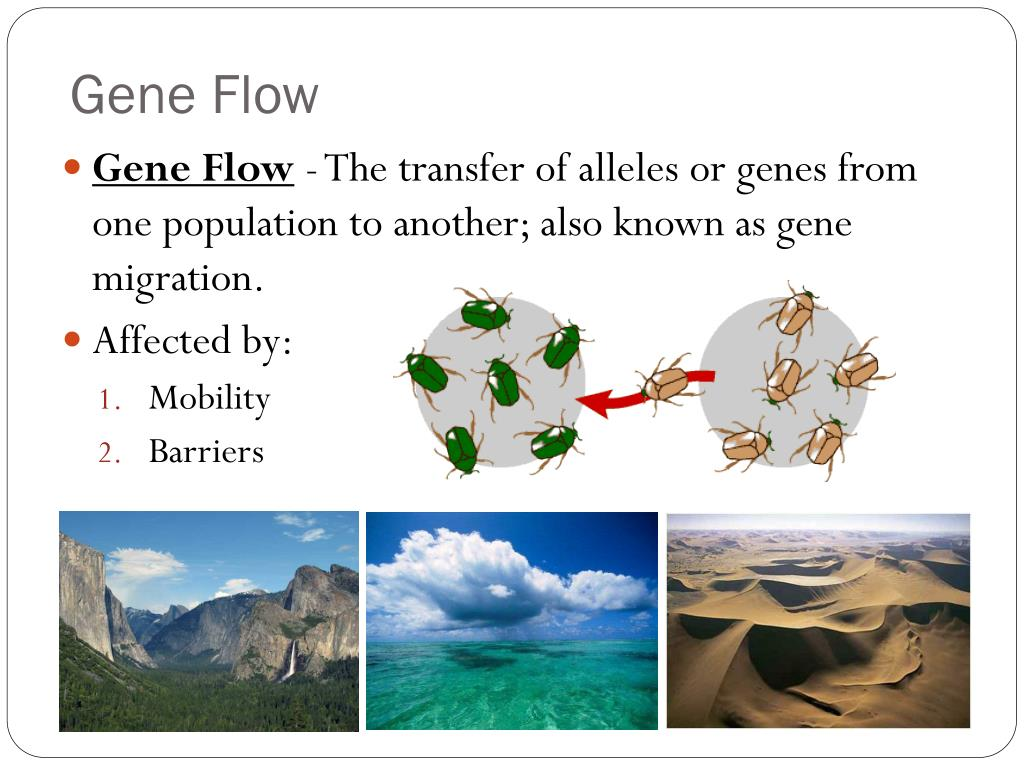
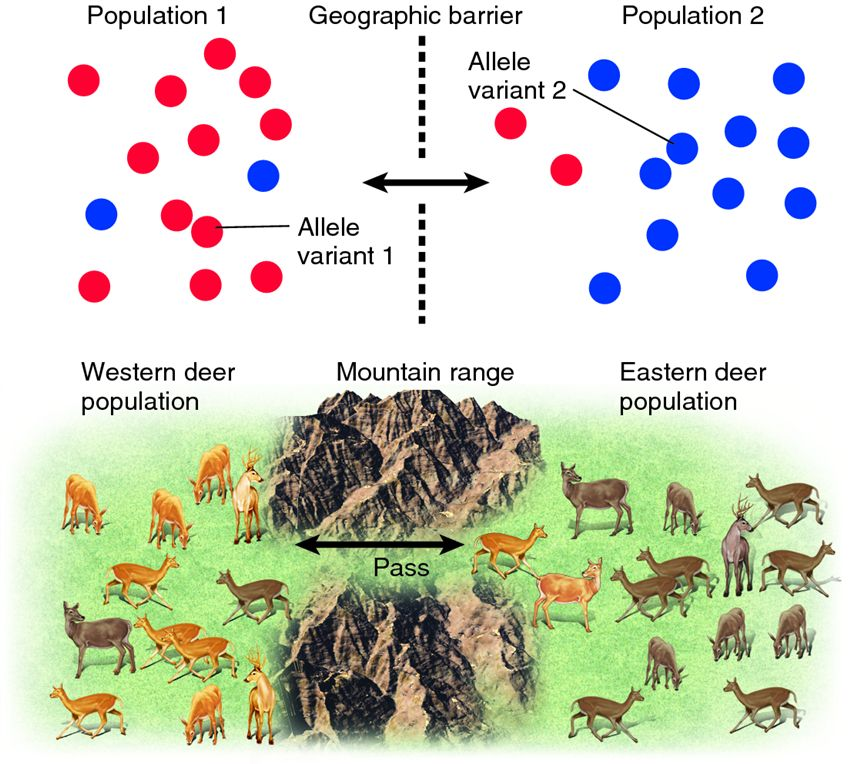
Gene Flow: Also known as gene migration, this occurs when individuals from one population move to another and interbreed, introducing new alleles into the gene pool. This can increase genetic diversity and affect the evolutionary trajectory of both populations.
Sexual Selection: This is a form of natural selection where certain traits increase an individual's chances of mating and reproducing. Traits such as bright plumage in peacocks or elaborate courtship behaviors can be favored, even if they do not contribute directly to survival.
Together, these mechanisms drive the process of evolution, leading to the diversity of life we see today.
Which mechanism of evolution is primarily driven by the survival and reproduction of individuals with advantageous traits?
A ____________ refers to the complete set of genetic information (alleles) within a population of a particular species. It includes all the different genes and their variations that are present in that population.
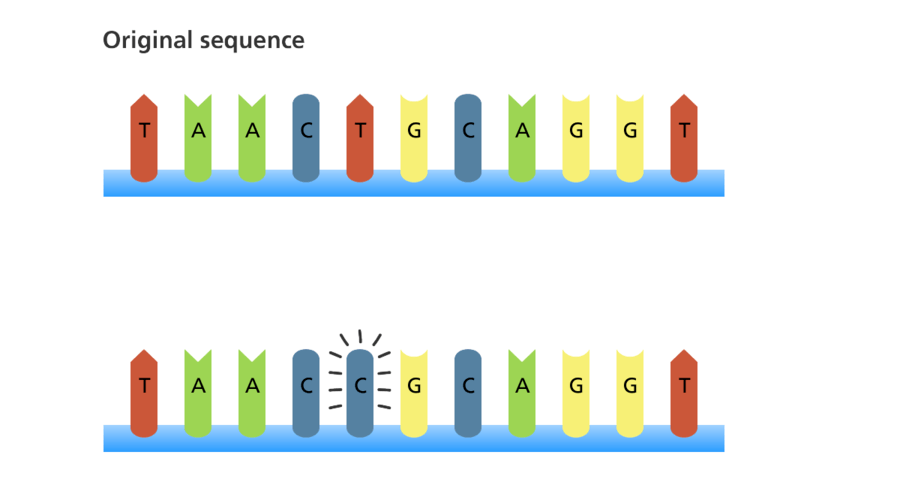
A ______________is a permanent alteration in the DNA sequence of an organism's genome. These changes can occur in a single nucleotide or larger segments of DNA and may result from errors during DNA replication, exposure to environmental factors, or other influences.
When organisms selects their mates based on traits- ex. bright coloring, feather size, and sounds
Most favorable/advantageous traits in a population are selected for and passed on
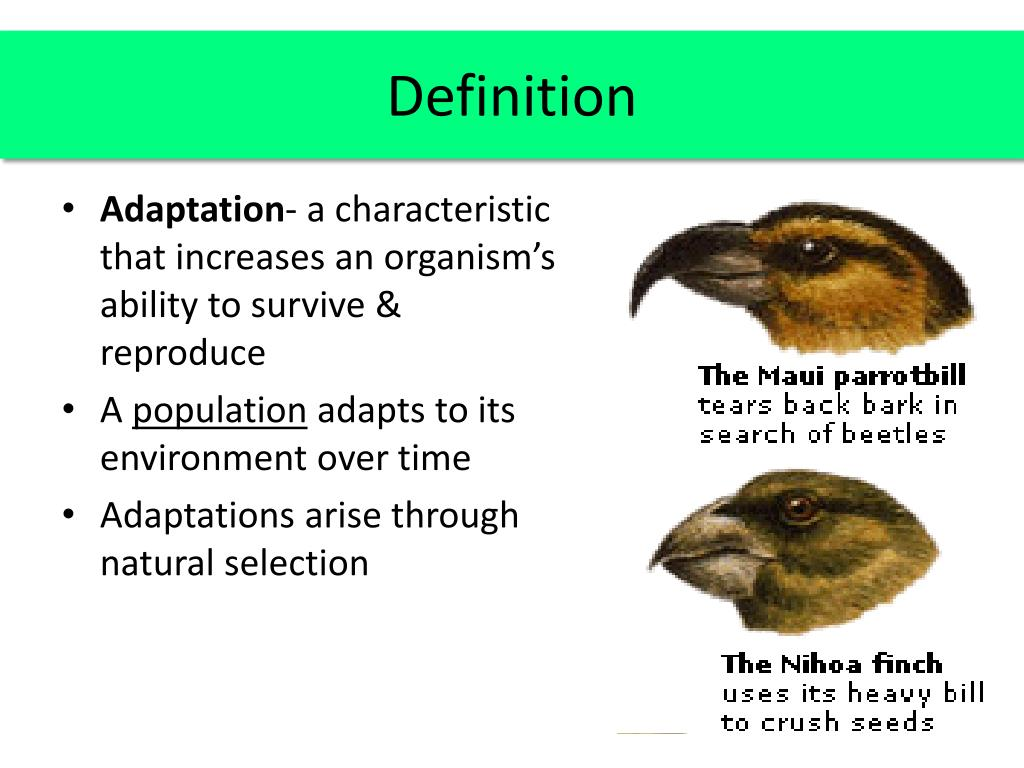
Which of the following is an example of an adaptation?
Which of the following is an example of gene flow?
Which of the following is an example of natural selection?
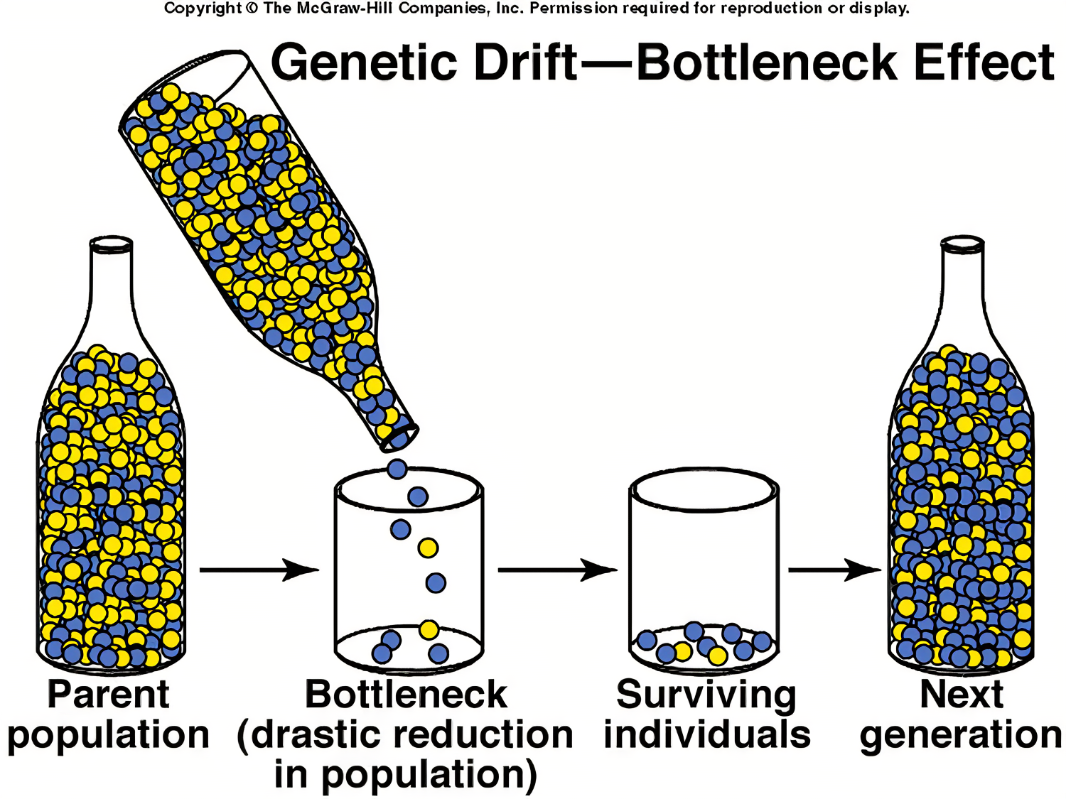
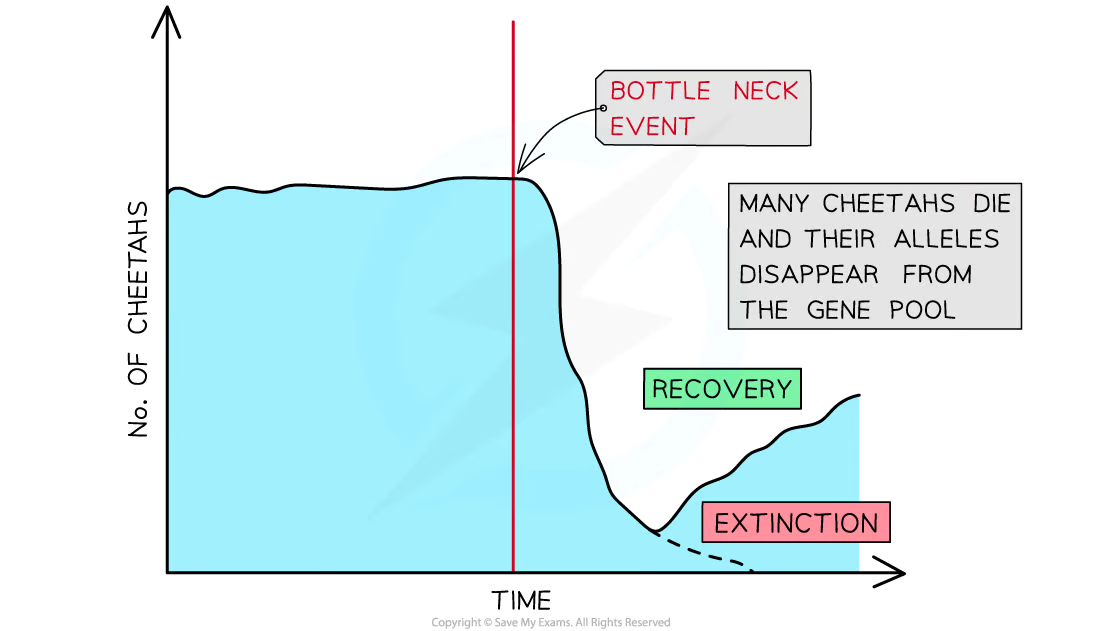
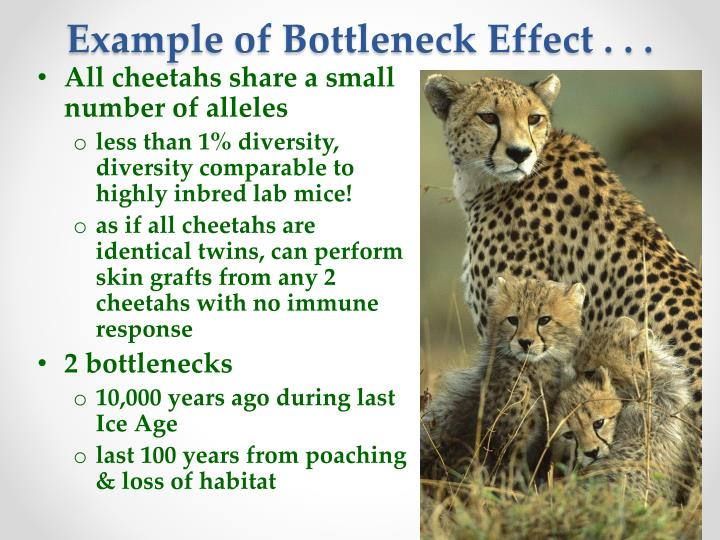
A bottleneck occurs when a catastrophic event suddenly reduces the population size.
For example, the cheetah population is a well-known example of the **bottleneck effect** in evolution. In the late 19th and early 20th centuries, excessive hunting and habitat loss significantly reduced the number of cheetahs, leading to a dramatic decrease in their population size.
As a result, the surviving cheetahs had a limited gene pool, which means that the genetic diversity within the population became greatly reduced. This reduction can lead to inbreeding, which increases the risk of genetic disorders and decreases the population's ability to adapt to environmental changes. Today, many cheetah populations show low genetic variability, which can make them more susceptible to diseases and less resilient in changing habitats.
The bottleneck effect in cheetahs illustrates how drastic population declines can have long-term consequences on genetic diversity and overall species health.
Which of the following is another example of the bottleneck effect?
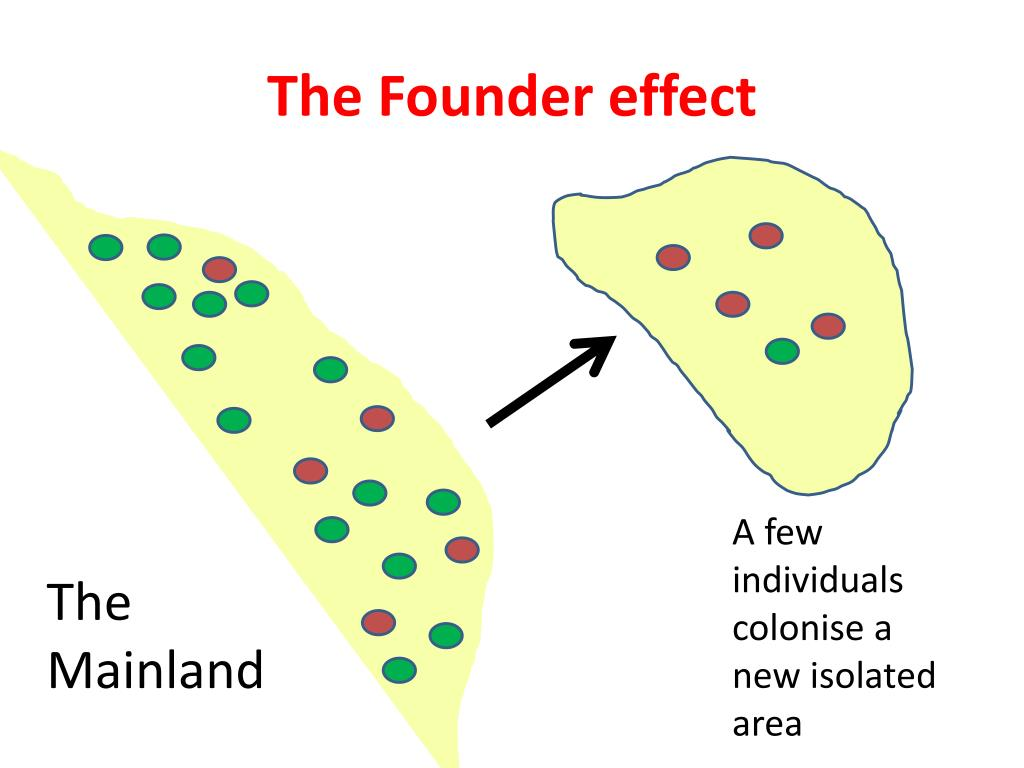
Which of the following is an example of the founder effect?
What mechanism of evolution is this?
What mechanism of evolution is this?
Predator is eating the white mice.
What mechanism of evolution is this?
What kind of populations does genetic drift affect the most?
In a dense forest, a population of rabbits has two distinct fur colorations: brown and white. The brown rabbits blend in well with the forest floor, while the white rabbits stand out against the dark soil and fallen leaves. As winter approaches, food becomes scarce, and predators begin to hunt for the rabbits. Researchers observe that over the course of the winter, the population of brown rabbits increases significantly, while the number of white rabbits declines.
What is the most likely explanation for the observed changes in the rabbit population?
Genetic drift is a mechanism of evolution that refers to random changes in the frequency of alleles (gene variants) in a population over time. This can occur due to chance events that affect which individuals survive and reproduce, leading to certain traits becoming more or less common independently of natural selection.
Key points about genetic drift include:
Random Process: Unlike natural selection, which involves differential survival based on advantageous traits, genetic drift is random and can lead to changes that may not necessarily benefit the population.
Small Populations: Genetic drift has a more pronounced effect in small populations, where random events can significantly alter allele frequencies from one generation to the next.
Bottlenecks and Founder Effects: Events like natural disasters (bottlenecks) or the establishment of a new population by a small number of individuals (founder effect) can lead to reduced genetic diversity and altered allele frequencies.
Loss of Alleles: Over time, genetic drift can lead to the loss of alleles in a population, which can reduce genetic variation and potentially impact the population's ability to adapt to environmental changes.
Overall, genetic drift is an important factor in the evolution of species, especially in isolated or small populations.
Does genetic drift decrease genetic diversity?
What is the main effect of genetic drift on a population?
Which mechanism introduces new alleles into a population through migration and interbreeding?