1
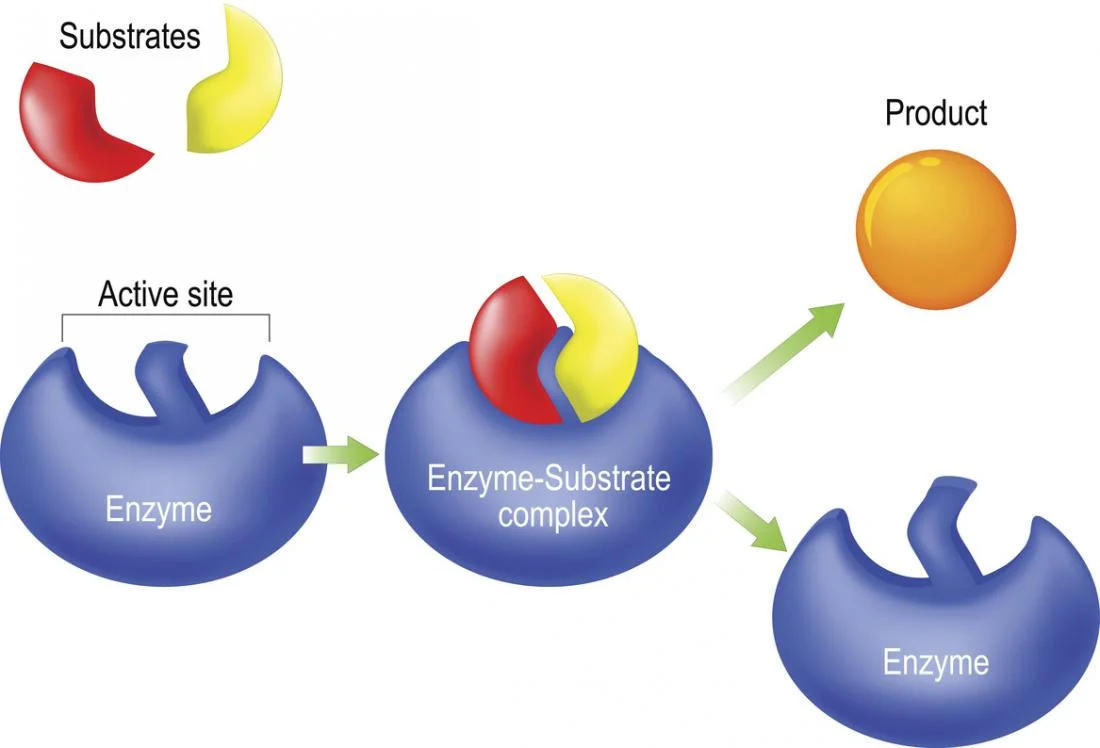
Look at a diagram showing a substrate binding to an enzyme’s active site. What is the main purpose of this interaction?
Look at a diagram showing a substrate binding to an enzyme’s active site. What is the main purpose of this interaction?
Which two biomolecules make up most of the cell membrane, and what role do they play together?
A fever in the human body causes an enzyme’s active site to denature which change the shape of the active site. What will most likely happen?
Cholesterol is embedded within the phospholipid bilayer. Why is this important for cell function?
Which statement best describes the role of enzymes in biological reactions?
Look at a diagram showing a substrate binding to an enzyme’s active site. What is the main purpose of this interaction?
How do enzymes specifically recognize their substrates?
What is the main function of phospholipids in the cell membrane?
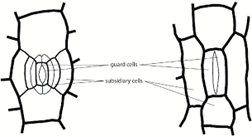
What is this structure for?
What are limiting factors? Select 3.
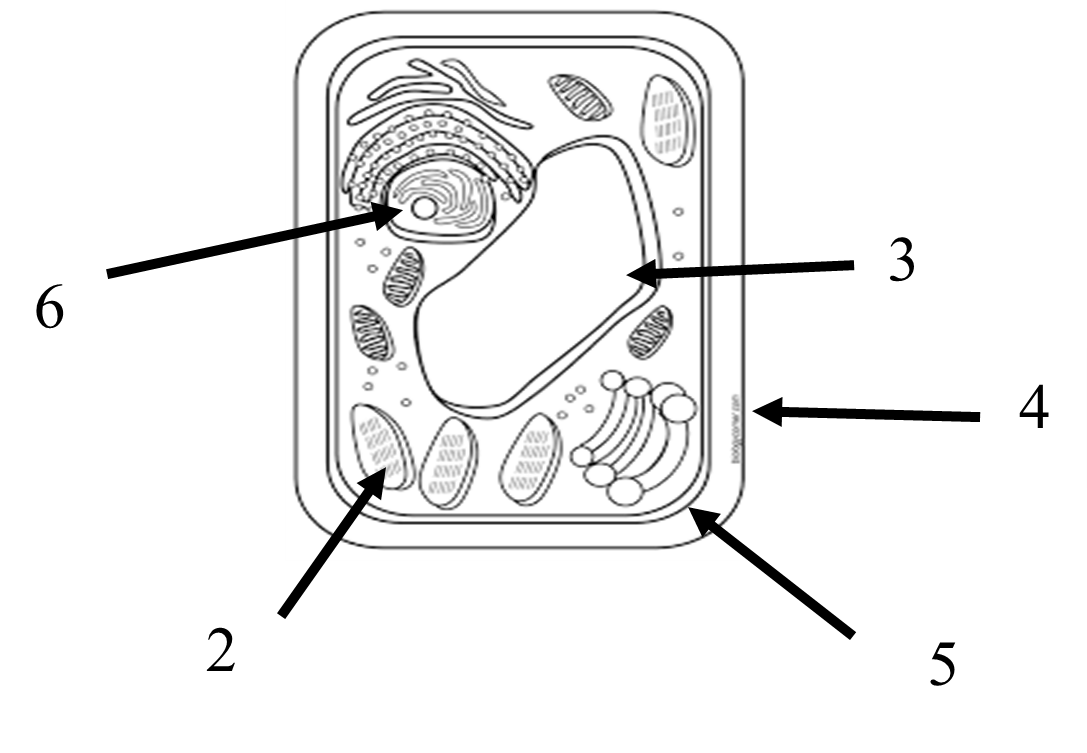
Match the structure to the organelle.
| Draggable item | arrow_right_alt | Corresponding Item |
|---|---|---|
3 | arrow_right_alt | Cell Wall |
6 | arrow_right_alt | Cell Membrane |
5 | arrow_right_alt | Large Central Vacuole |
2 | arrow_right_alt | Nucleus |
4 | arrow_right_alt | Chloroplast |
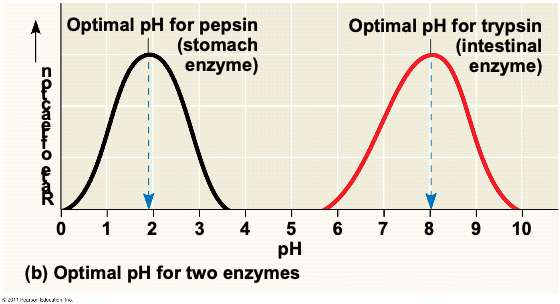
An enzyme, pepsin, rapidly breaks down a protein molecule in the stomach. It may break down that same protein much more slowly in the small intestine or mouth because-
Match the structure to the organelle.
| Draggable item | arrow_right_alt | Corresponding Item |
|---|---|---|
semipermeable barrier | arrow_right_alt | Cell Wall |
Stores water | arrow_right_alt | Cell Membrane |
Create glucose and oxygen | arrow_right_alt | Large Central Vacuole |
provides structure | arrow_right_alt | Nucleus |
Stores DNA | arrow_right_alt | Chloroplast |