Twa kɔ nsɛm atitiriw so
Log in
Sign up for FREE
arrow_back
Laabri

Intro to Periodic Trends (short)

star
star
star
star
star
Last updated about 2 hours ago
23 Nsɛmmisa
Understanding Trends
1
1
1
1
1
1
Defintions
Bohr Models
Forces and Trends

Explore the interactive below.

1

In the interactive below, open the macro scale screen and explore the forces between two particles (atoms shaped like people).

1
1
1
1
Asemmisa {{asɛmmisaAhyɛnsode}}
1.

When you hear the word "trend," what do you think of?

*I will grade these individually; it will show as wrong until I grade it*

1
Asemmisa {{asɛmmisaAhyɛnsode}}
2.

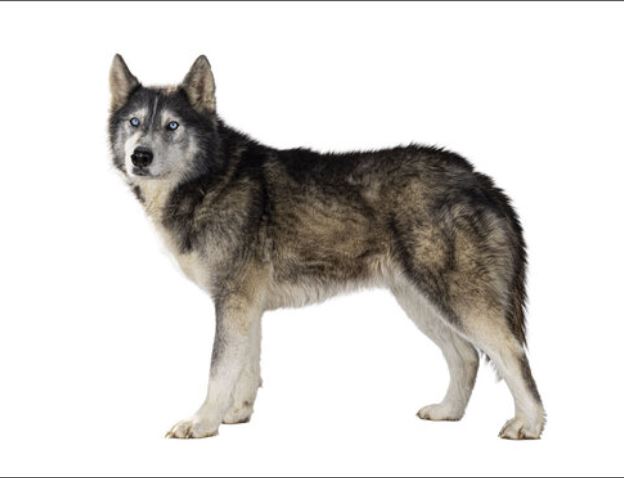
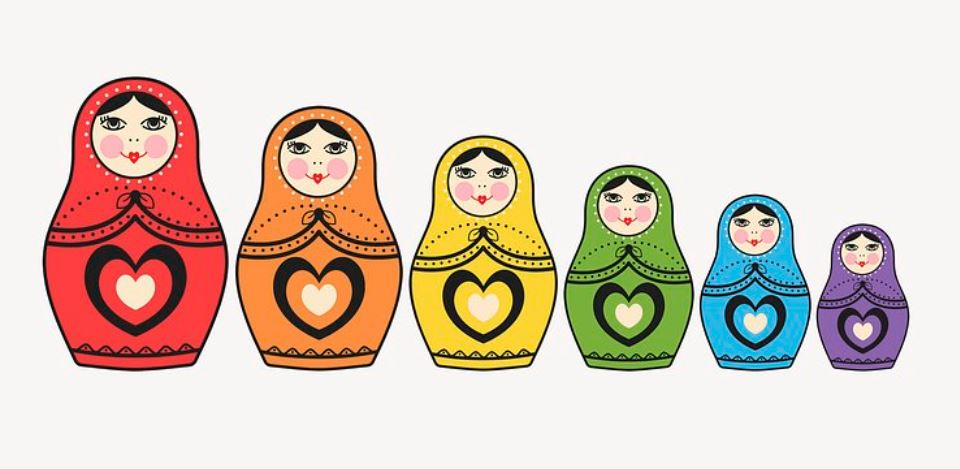
Type one thing you notice about this picture.

1
Asemmisa {{asɛmmisaAhyɛnsode}}
3.

Add one thing you wonder about this photo
1
Asemmisa {{asɛmmisaAhyɛnsode}}
4.

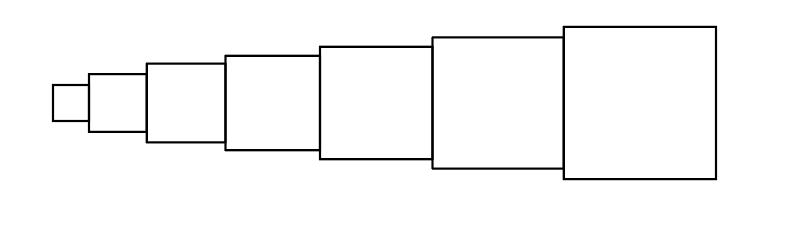
Describe how the Matryoshka (Russian) Dolls are organized.

Asemmisa {{asɛmmisaAhyɛnsode}}
5.

Place the following objects from smallest to largest.

Asemmisa {{asɛmmisaAhyɛnsode}}
6.

If I say something is increasing, how would you order the items?

Asemmisa {{asɛmmisaAhyɛnsode}}
7.

If I say something is decreasing, how would you order the items?

Asemmisa {{asɛmmisaAhyɛnsode}}
8.

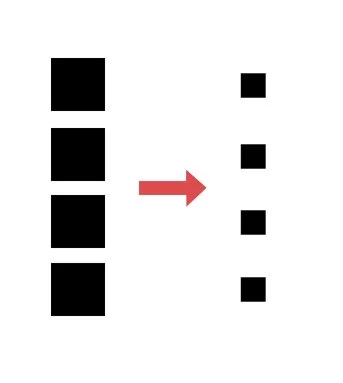
Match the following terms to the corresponding images size:

Draggable itemarrow_right_altCorresponding Item

decreasing

arrow_right_alt

constant

arrow_right_alt

increasing

arrow_right_alt

Asemmisa {{asɛmmisaAhyɛnsode}}
9.

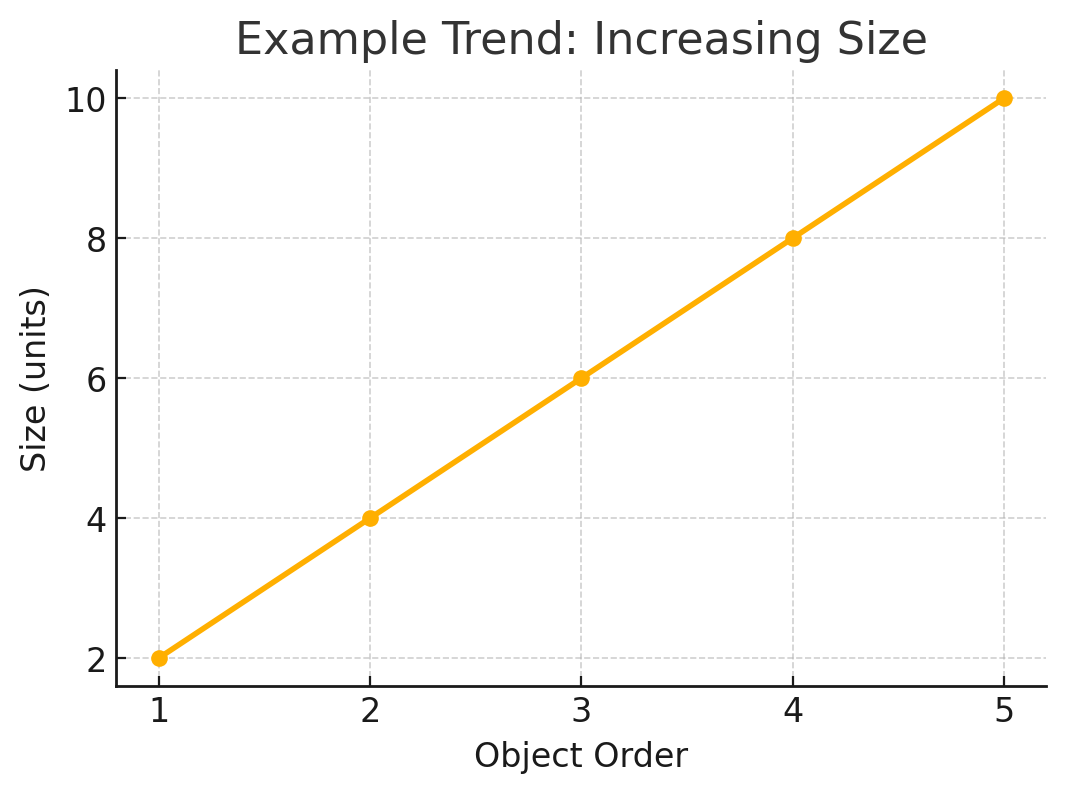
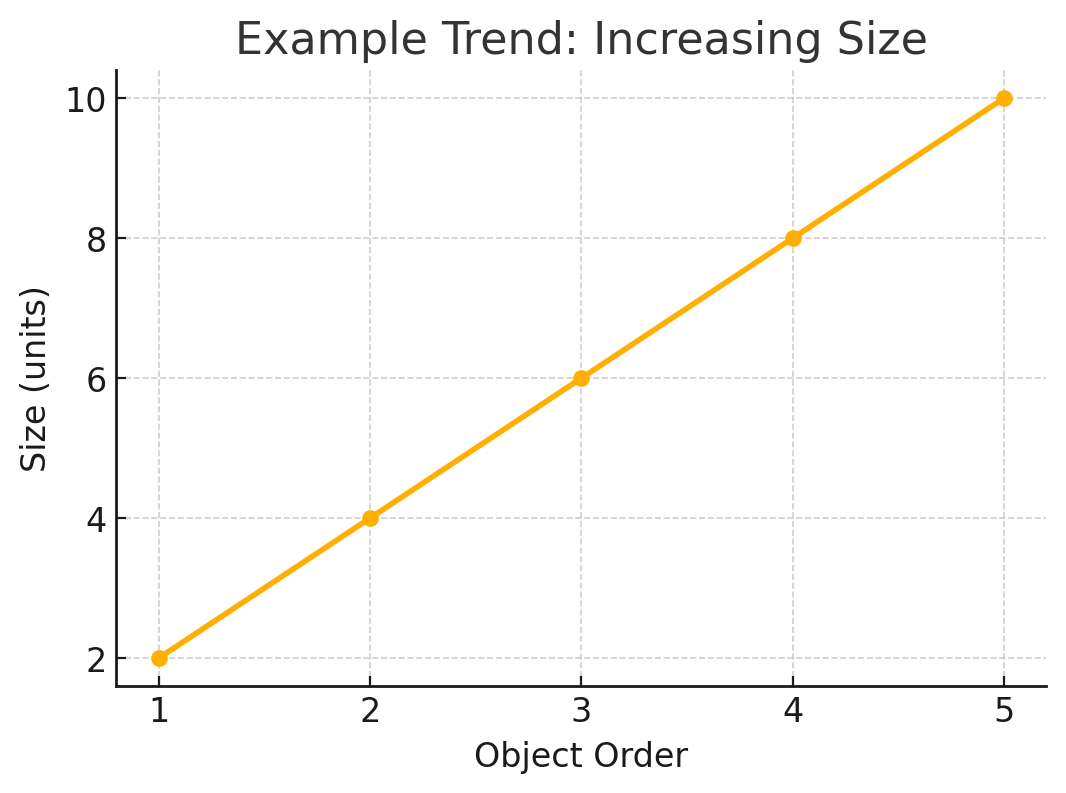
Based on the trend in the graph, predict the size of object 7.
Asemmisa {{asɛmmisaAhyɛnsode}}
10.

Consider this graph.

In 1–2 sentences, explain what a trend is.
PERIOD

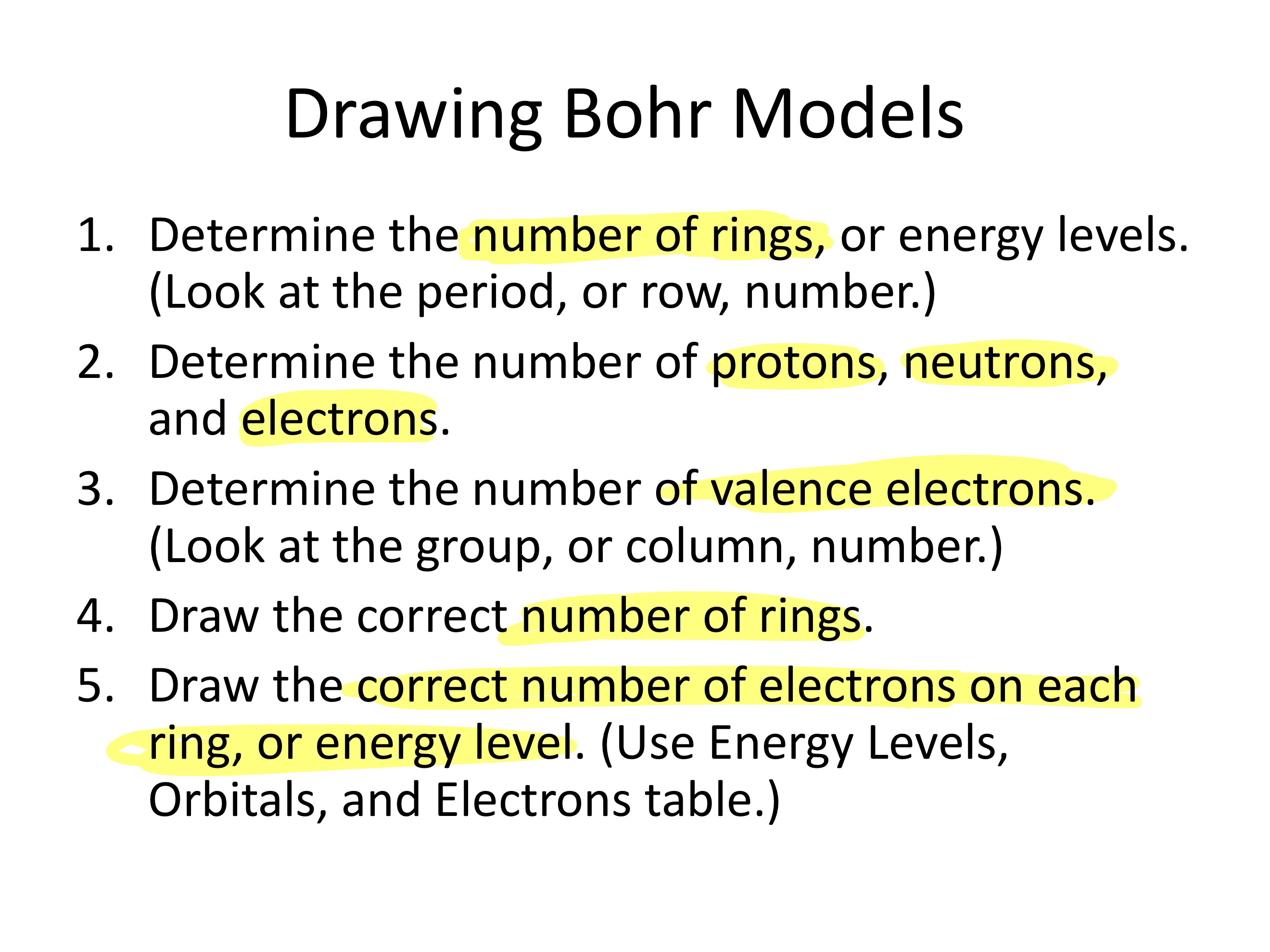
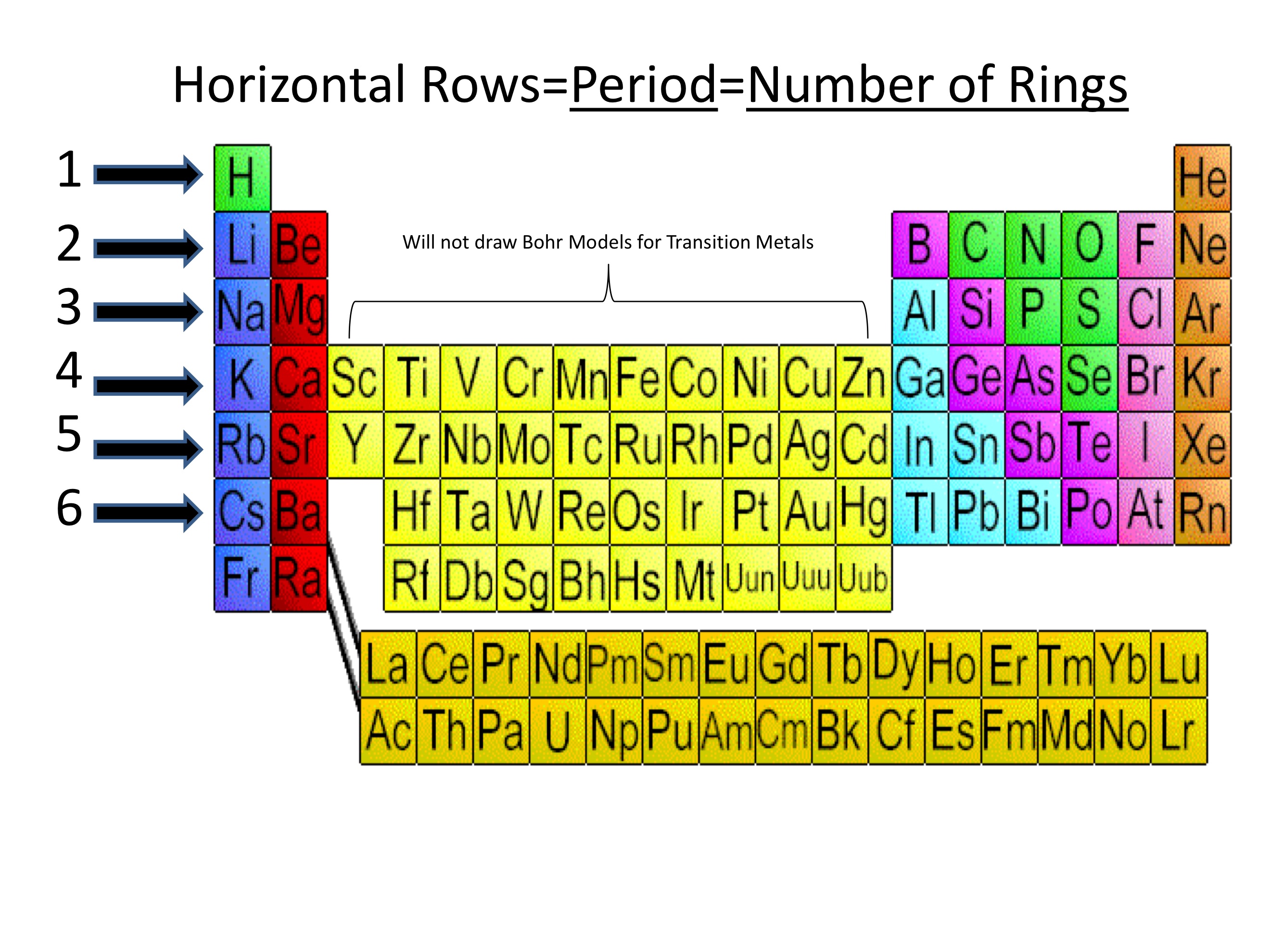
A period is a horizontal row that goes left to right across the periodic table.

An element’s period number tells you how many occupied energy levels (electron shells or rings) its atoms have.

ENERGY LEVELS

Energy levels are regions around the nucleus where electrons are found. In a Bohr model, they are shown as rings or shells.

  • The first energy level is closest to the nucleus.

  • Higher-energy levels are farther from the nucleus and contain electrons with higher energy.

  • As you move down the periodic table, atoms gain additional occupied energy levels.

Example: Carbon is in Period 2, so its electrons occupy two energy levels.

1
Asemmisa {{asɛmmisaAhyɛnsode}}
11.

What do the horizontal rows in the periodic table indicate?
1
1

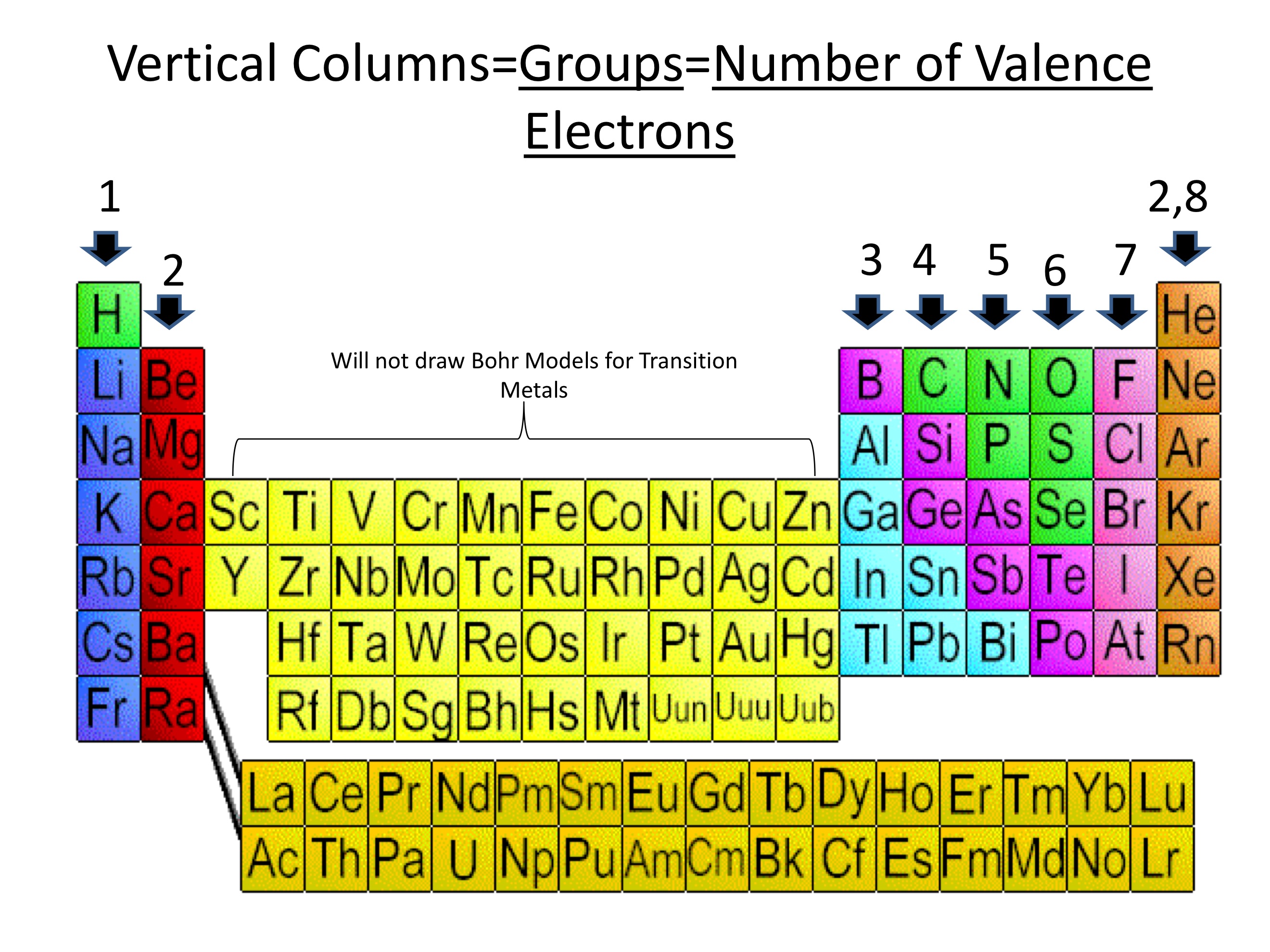
GROUP

A group is a vertical column that goes up and down the periodic table.

For main-group elements (ignore the transition metals—the yellow elements), elements in the same group usually have the same number of valence electrons.

VALENCE ELECTRONS

Valence electrons are the electrons in an atom’s outermost occupied energy level (shell or ring).

Atoms are most stable when their outer energy level is full. For most main-group elements, this means having 8 valence electrons. This is called the octet rule.

Because elements in the same group have the same number of valence electrons, they have similar chemical properties and reactivity.

Example: Group 1 elements have 1 valence electron and are highly reactive metals.

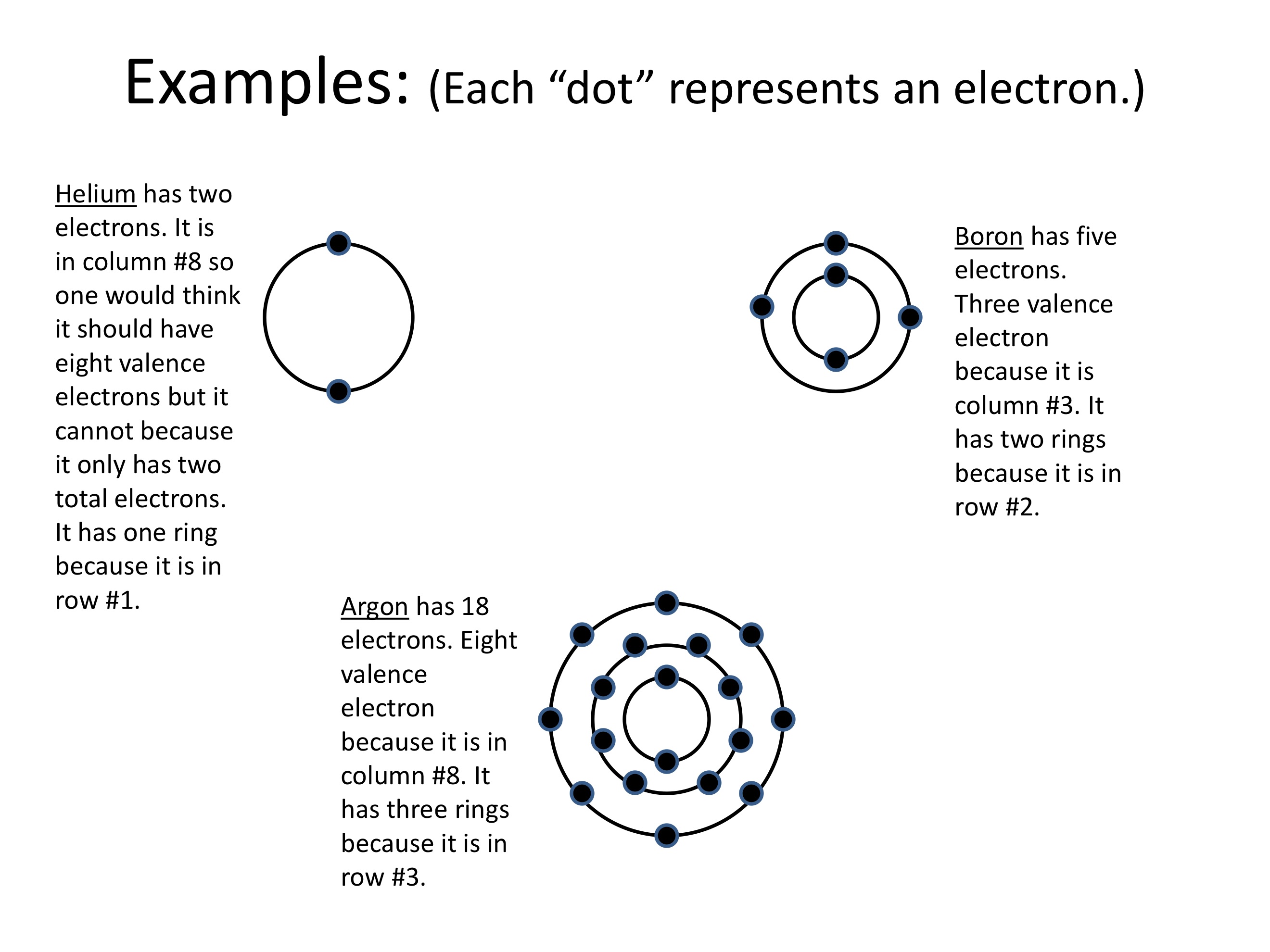
**Important exception: Helium has only 2 valence electrons, but its first energy level is full, so it is stable.

1
1
1
1

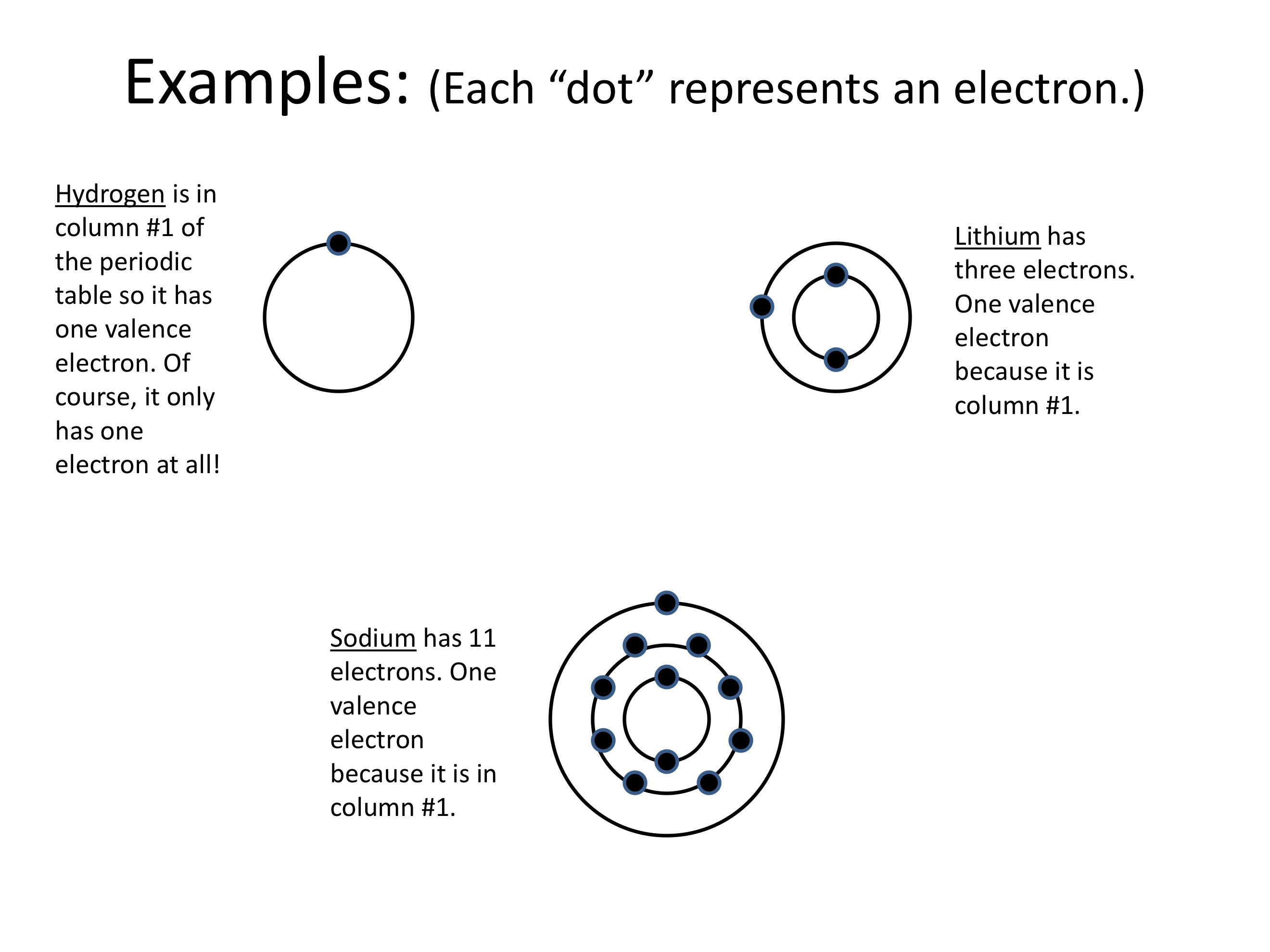
BOHR MODEL

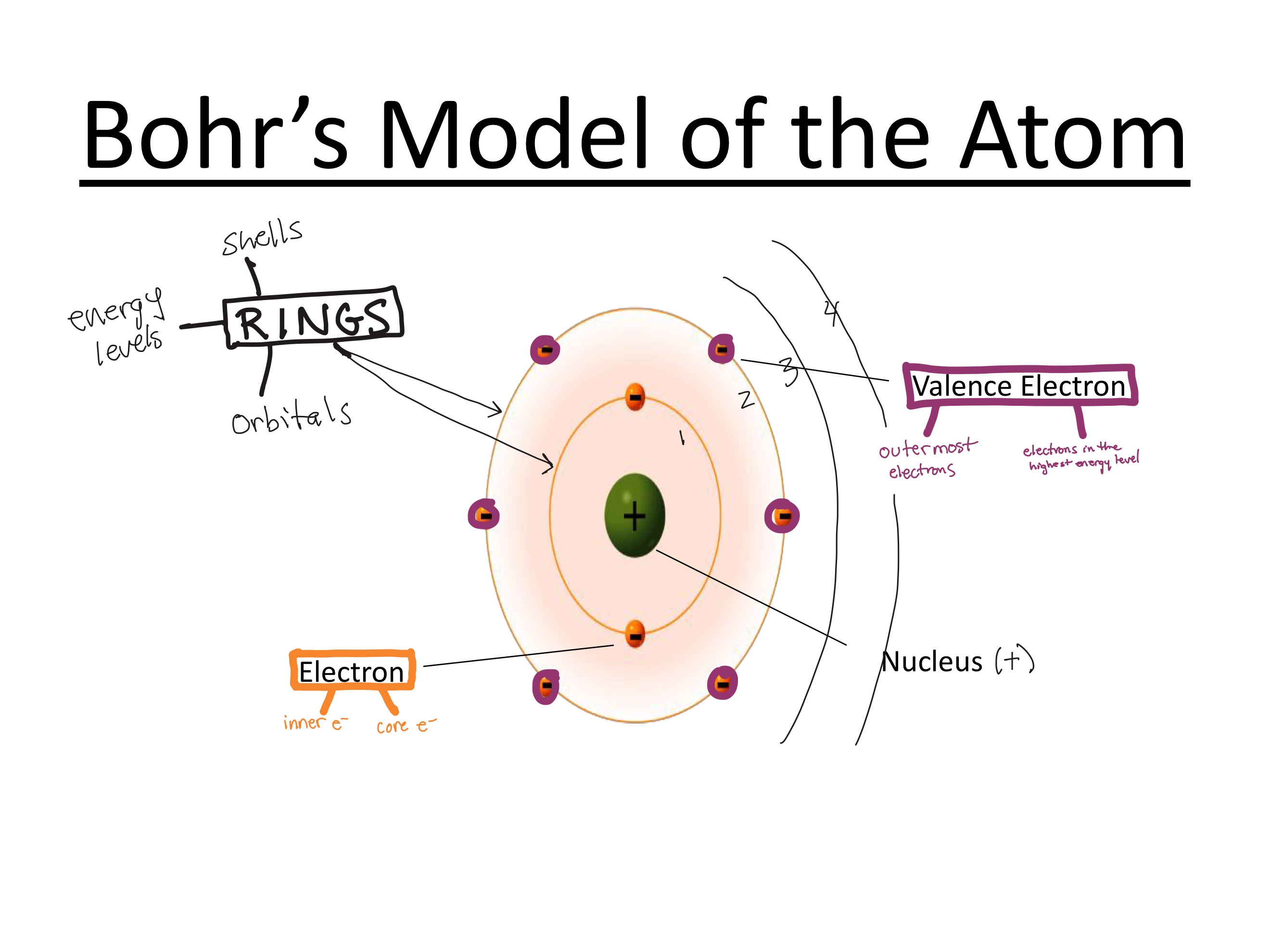
A Bohr model is a simplified picture of an atom. It shows the nucleus in the center and the electrons arranged in energy levels around it.

Notice the different names used for the rings and electrons:

  • The rings may be called shells or energy levels.

  • Electrons in the outermost occupied energy level are called valence electrons.

  • Electrons in the inner energy levels are called core electrons or inner electrons.

Valence electrons are especially important because they determine how an atom bonds and reacts with other atoms.

Note: An orbital is not another name for an energy level or ring. Orbitals are smaller regions within energy levels where electrons are most likely to be found.

Add these notes on the back of worksheet

Add these notes on the back of worksheet

Examples

Examples

Attraction between oppositley charged particles is goverened by Coulomb's Law. In this assignement you will explore the factors involved.

Learning Goals: Students will be able to

  1. Determine what makes a force attractive or repulsive

  2. Relate the electrostatic force magnitude to the charges and the distance between them

Asemmisa {{asɛmmisaAhyɛnsode}}
18.

How does this simulation model how charges interact?

Asemmisa {{asɛmmisaAhyɛnsode}}
19.

Using the pHet lab above, determine what makes a force attractive or repulsive. Describe your experiments and observations with some examples.

Asemmisa {{asɛmmisaAhyɛnsode}}
20.

How does the value of the electrostatic force vary with the value of the charges?

Asemmisa {{asɛmmisaAhyɛnsode}}
21.

How does the value of the electrostatic force vary with the distance between them?

Coulombic attraction is the force of attraction between oppositely charged particles.

In an atom, the positively charged protons in the nucleus attract the negatively charged electrons.

Coulombic attraction becomes:

  • Stronger when there are more protons pulling on the electrons.

  • Weaker when the electrons are farther from the nucleus or shielded by more inner electrons.

This attraction helps explain periodic trends such as atomic radius, ionization energy, and electronegativity.

1
Asemmisa {{asɛmmisaAhyɛnsode}}
22.

What does Coulombic attraction describe?

1

BOHR MODEL

A Bohr model is a simplified picture of an atom. It shows the nucleus in the center with electrons arranged in energy levels around it.

Know the Vocabulary

Many names, same thing

  • Energy levels = shells = rings

  • Valence electrons = electrons in the outermost occupied energy level

  • Core (inner) electrons = electrons in the inner energy levels

⭐ Why are valence electrons important? Valence electrons help determine how an element bonds and reacts with other elements.

⚠️ Energy Level ≠ Orbital

An orbital is not another name for an energy level or ring. Orbitals are smaller regions within an energy level where electrons are most likely to be found.

For now, think: Energy level → contains orbitals → orbitals contain electrons

Asemmisa {{asɛmmisaAhyɛnsode}}
12.

What element(s) have a total of 3 rings?

Asemmisa {{asɛmmisaAhyɛnsode}}
13.

What does a period represent in the periodic table?

Asemmisa {{asɛmmisaAhyɛnsode}}
14.

How many valence electrons do group 1 elements have?

Asemmisa {{asɛmmisaAhyɛnsode}}
15.

What does the periodic table's vertical column represent?

Asemmisa {{asɛmmisaAhyɛnsode}}
16.

Which element has similar properties to sulfur (S)?

Asemmisa {{asɛmmisaAhyɛnsode}}
17.

What is the maximum number of valence electrons?

Asemmisa {{asɛmmisaAhyɛnsode}}
23.

What happens to attraction when electrons are farther from the nucleus?