The graph of
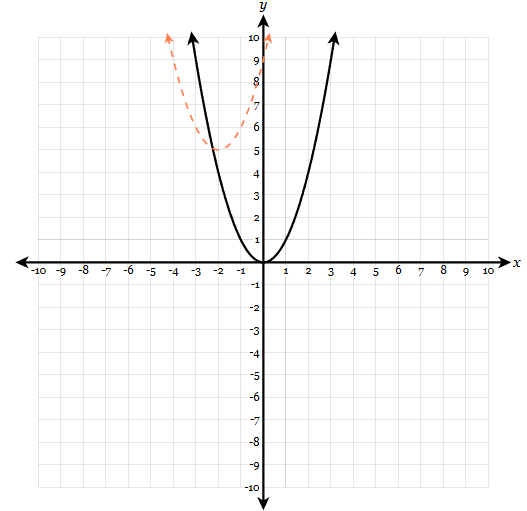
The graph of
Students examine transformations in both function notation and with quadratic functions. This 10 question assessment requires students to decipher between horizontal and vertical transformations and includes the topic of horizontal dilations as well as the typical transformations (translations, reflections, and vertical dilations).
Vertical vs Horizontal Translations
These are examples of Vertical Translations (shifts):
These are examples of Horizontal Translations (shifts):
Vertical vs Horizontal Dilations
These are examples of Vertical Dilations:
These are examples of Horizontal Dilations:
Rearrange each item on the left so it is paired with the correct dilation.
| Draggable item | arrow_right_alt | Corresponding Item |
|---|---|---|
| arrow_right_alt | ||
| arrow_right_alt | ||
| arrow_right_alt | ||
| arrow_right_alt |
Which of the following functions is a quadratic function that has been shifted left 4 units and stretched vertically by a factor of 3?
The graph of
The graph of
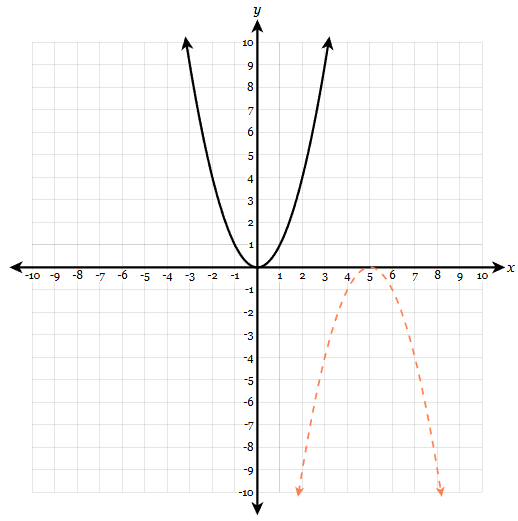
Explain all of the transformations that would be required to transform
The graph would be reflected across the .
The graph would be by a factor of .
The graph would be shifted by 3 units.