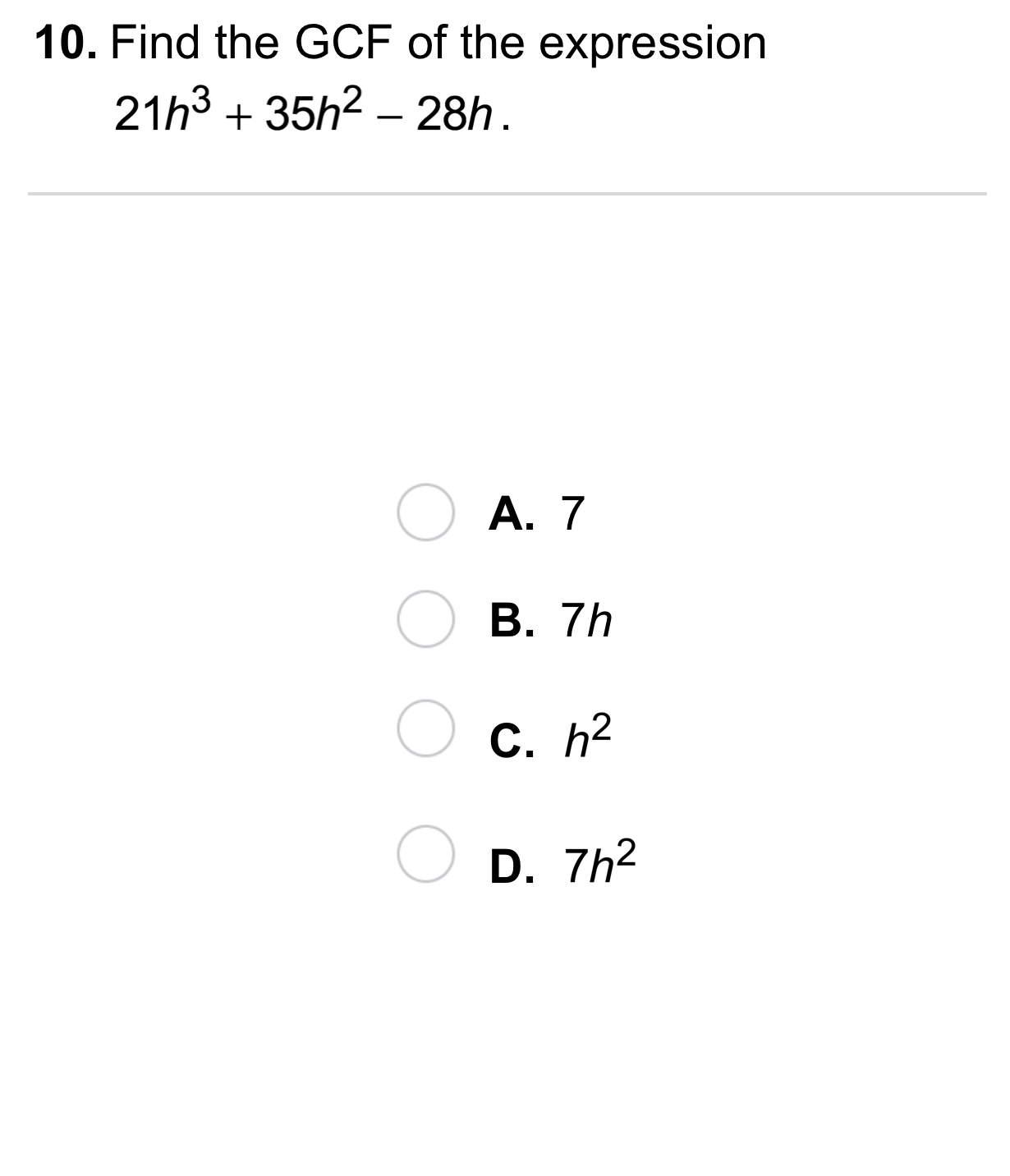
A complete formative lesson with embedded slideshow, mini lecture screencasts, checks for understanding, practice items, mixed review, and reflection. I create these assignments to supplement each lesson of Pearson's Common Core Edition Algebra 1, Algebra 2, and Geometry courses. See also mathquest.net and twitter.com/mathquestEDU.

Solve It! In a game, you see the two cards shown. You get two other cards with numbers. You win if:
1. The product of your two numbers equals the number on one card shown
AND
2. The sum of your two numbers equals the number on the other card shown.
10 points
10
Question 1
1.
Solve It! What should your two cards be for you to win the game? Drag and drop the card numbers on the left to form two winning hands.
1
2
3
4
5
Winning hand (with sum 6)
Winning hand (with sum 5)
10 points
10
Question 2
2.
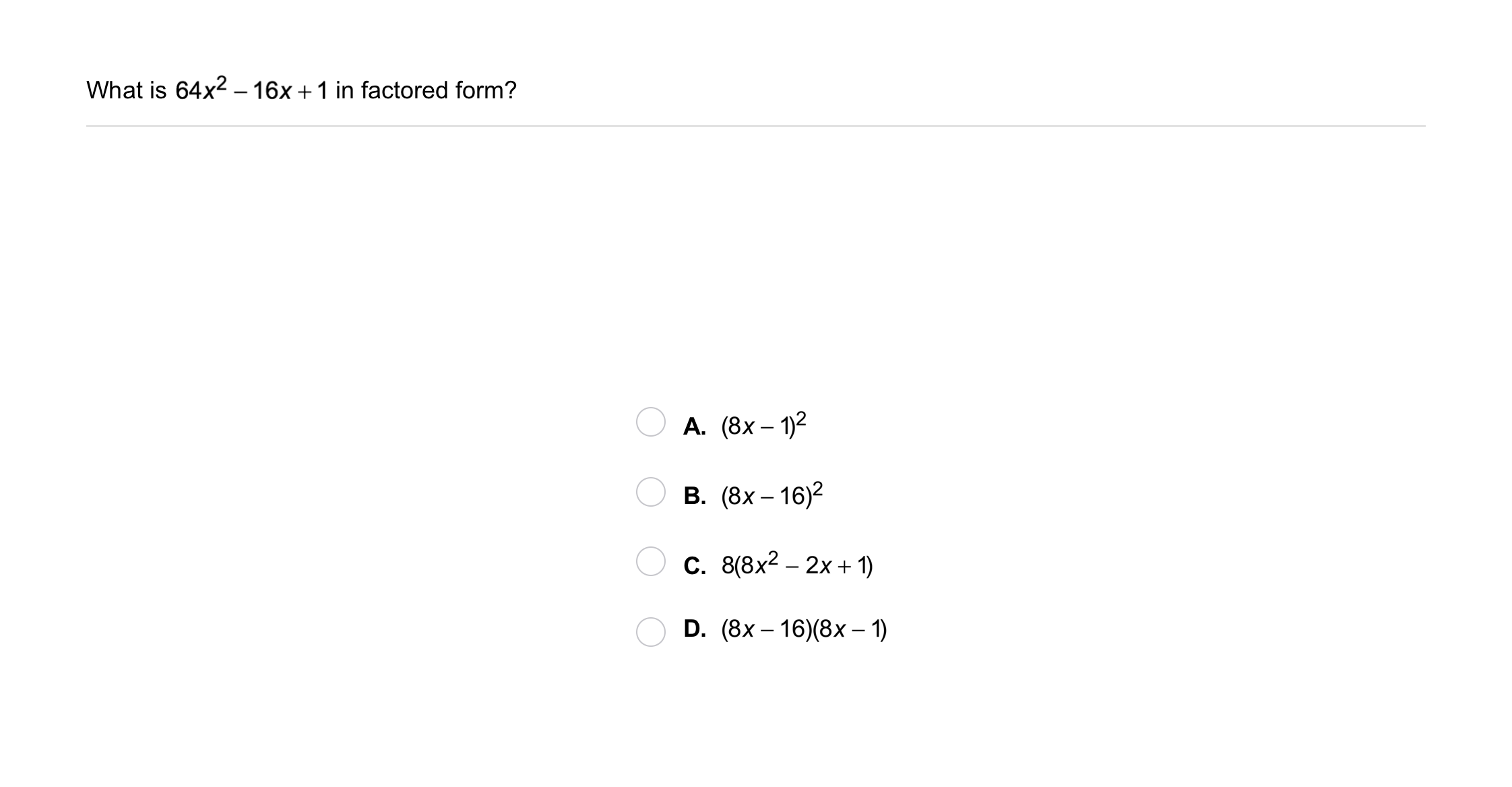
Problem 1 Got It?
10 points
10
Question 3
3.
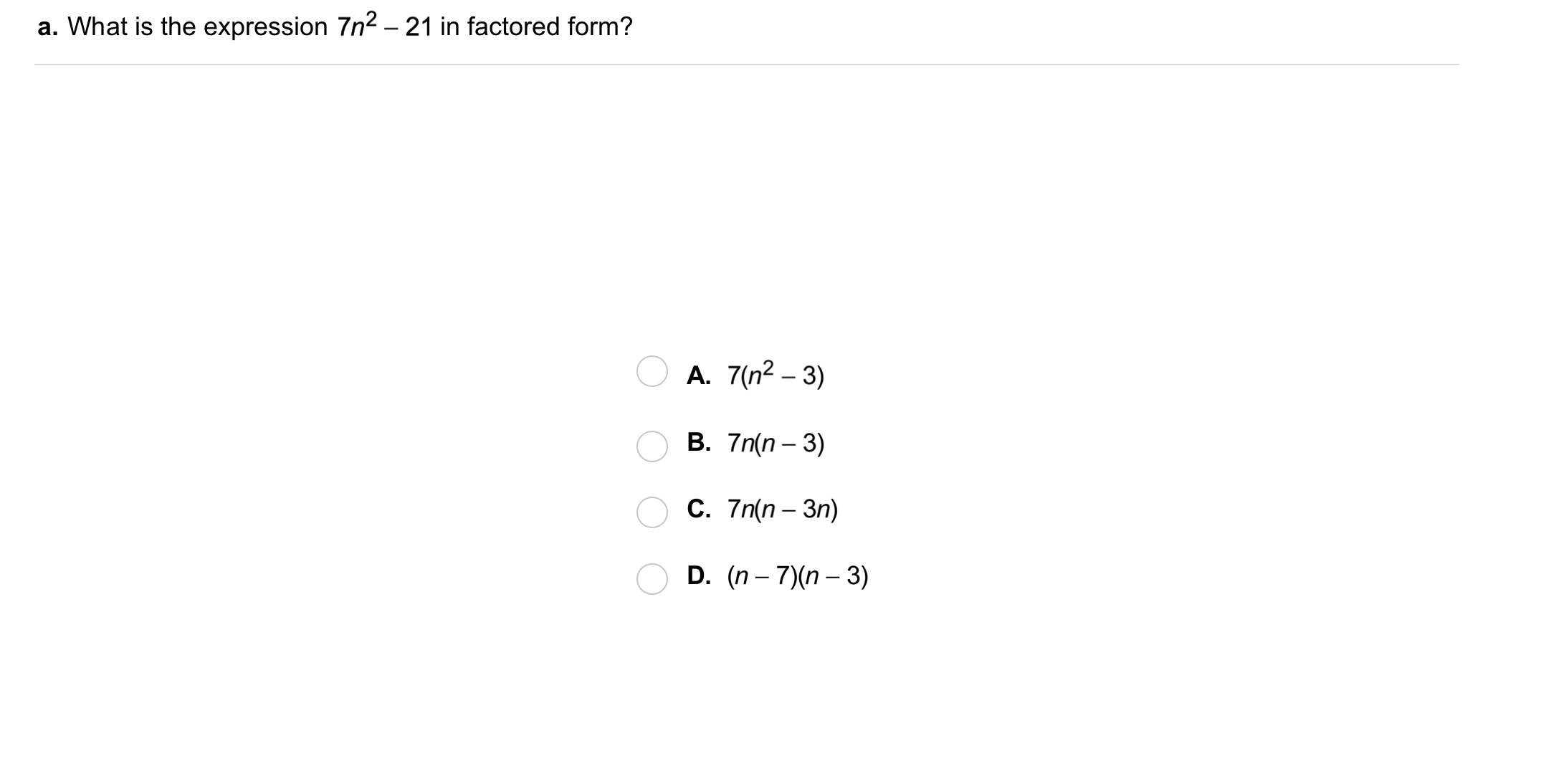
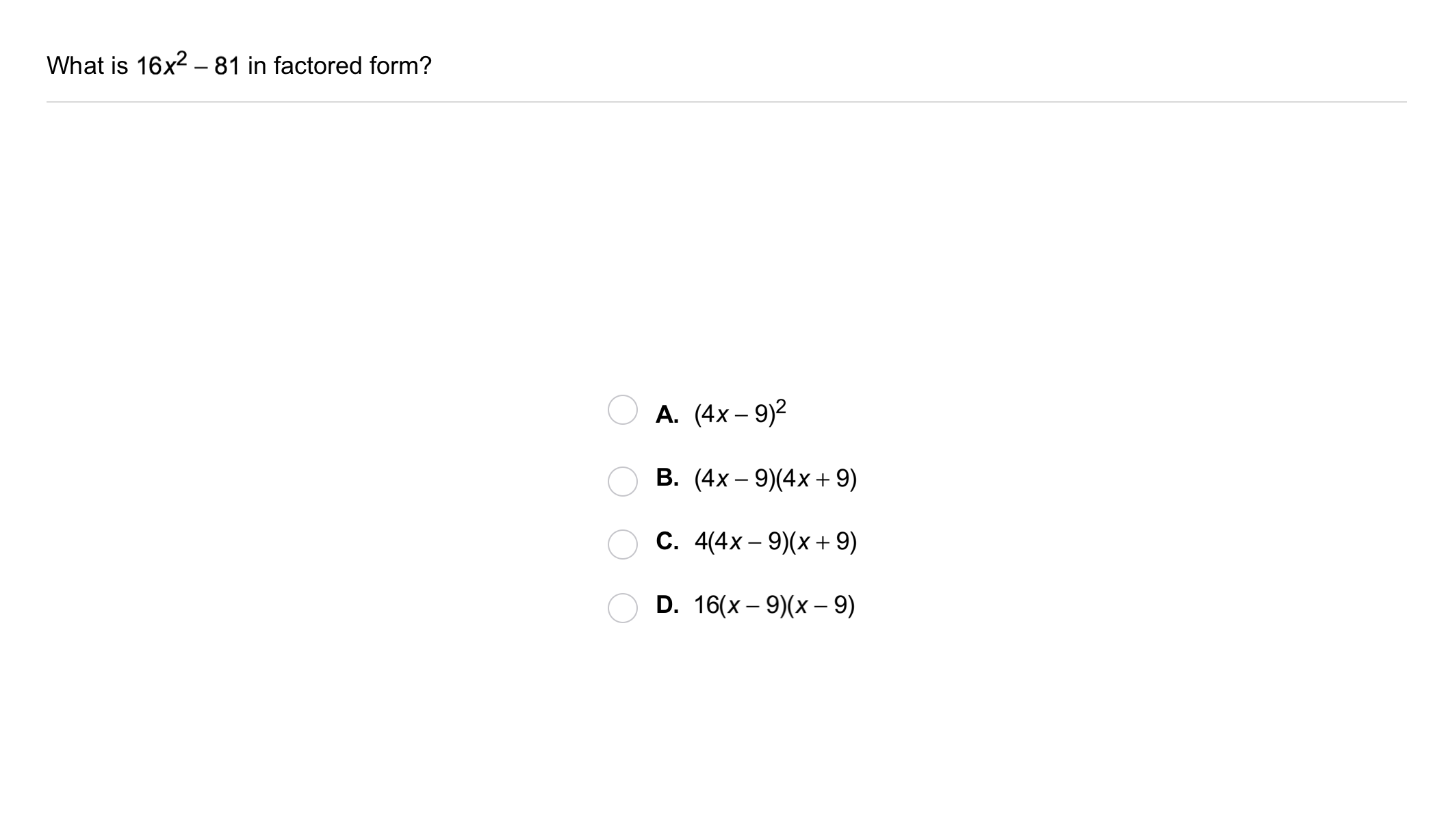
Problem 1 Got It?
10 points
10
Question 4
4.
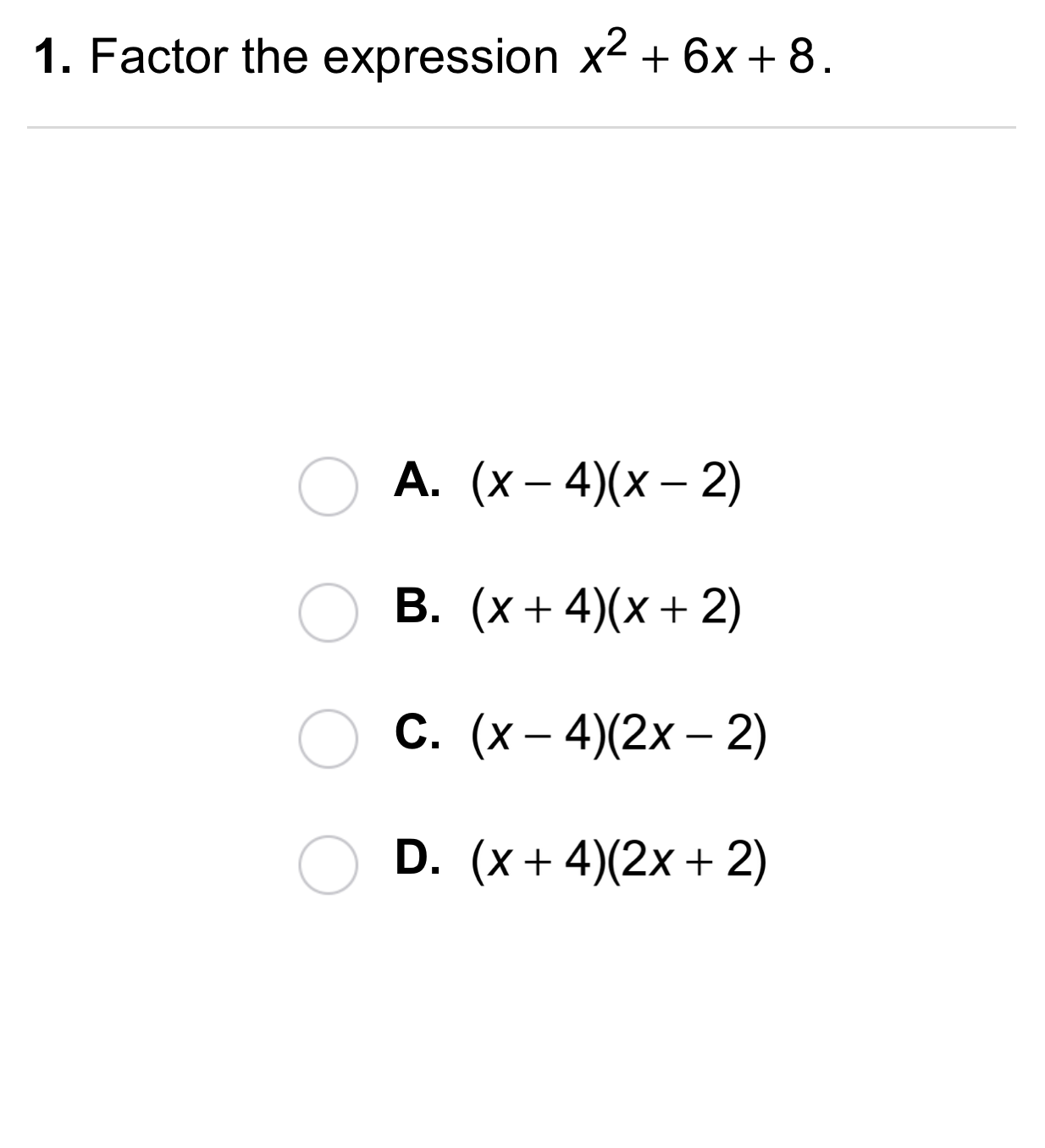
Problem 1 Got It?
10 points
10
Question 5
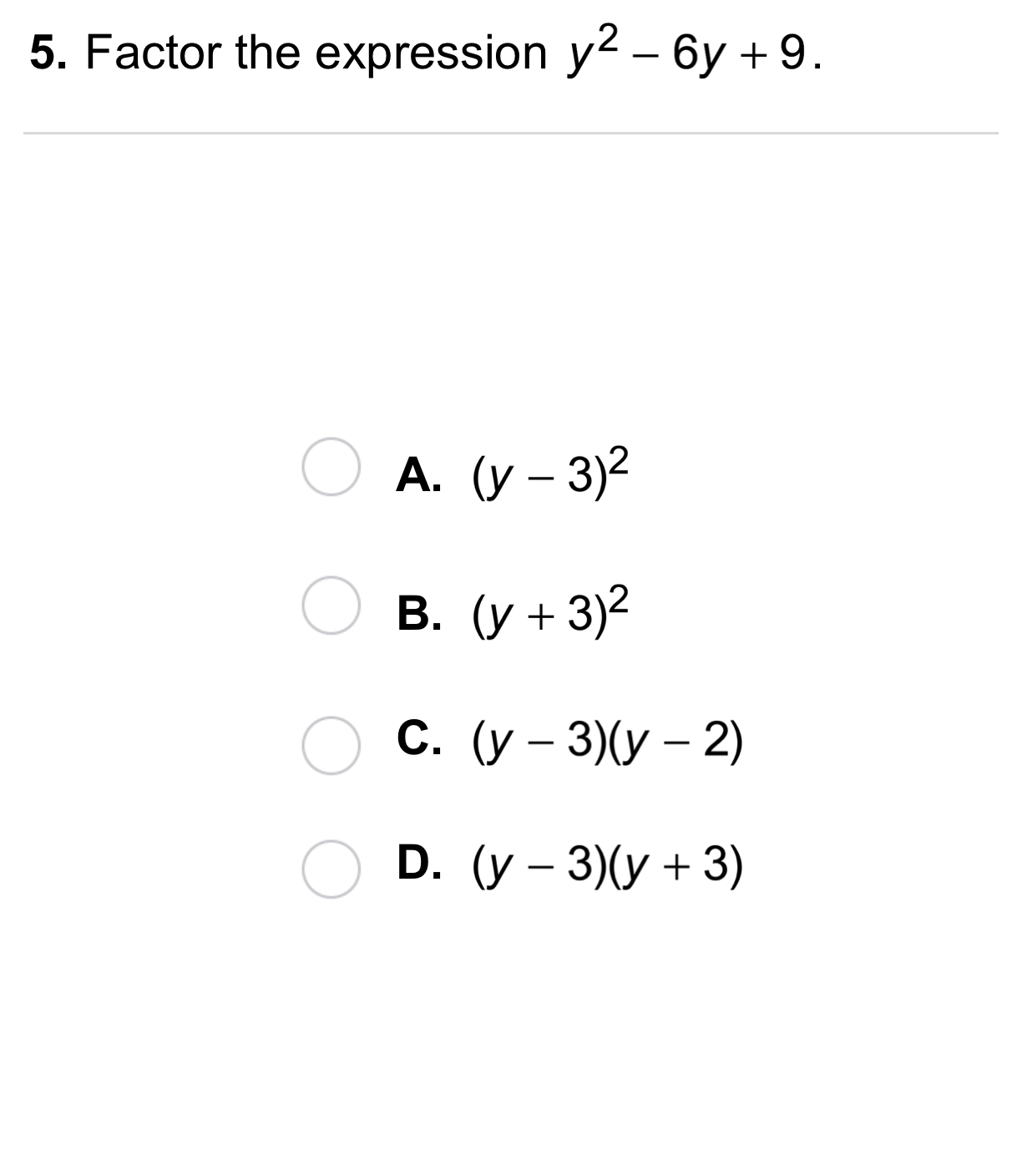
5.
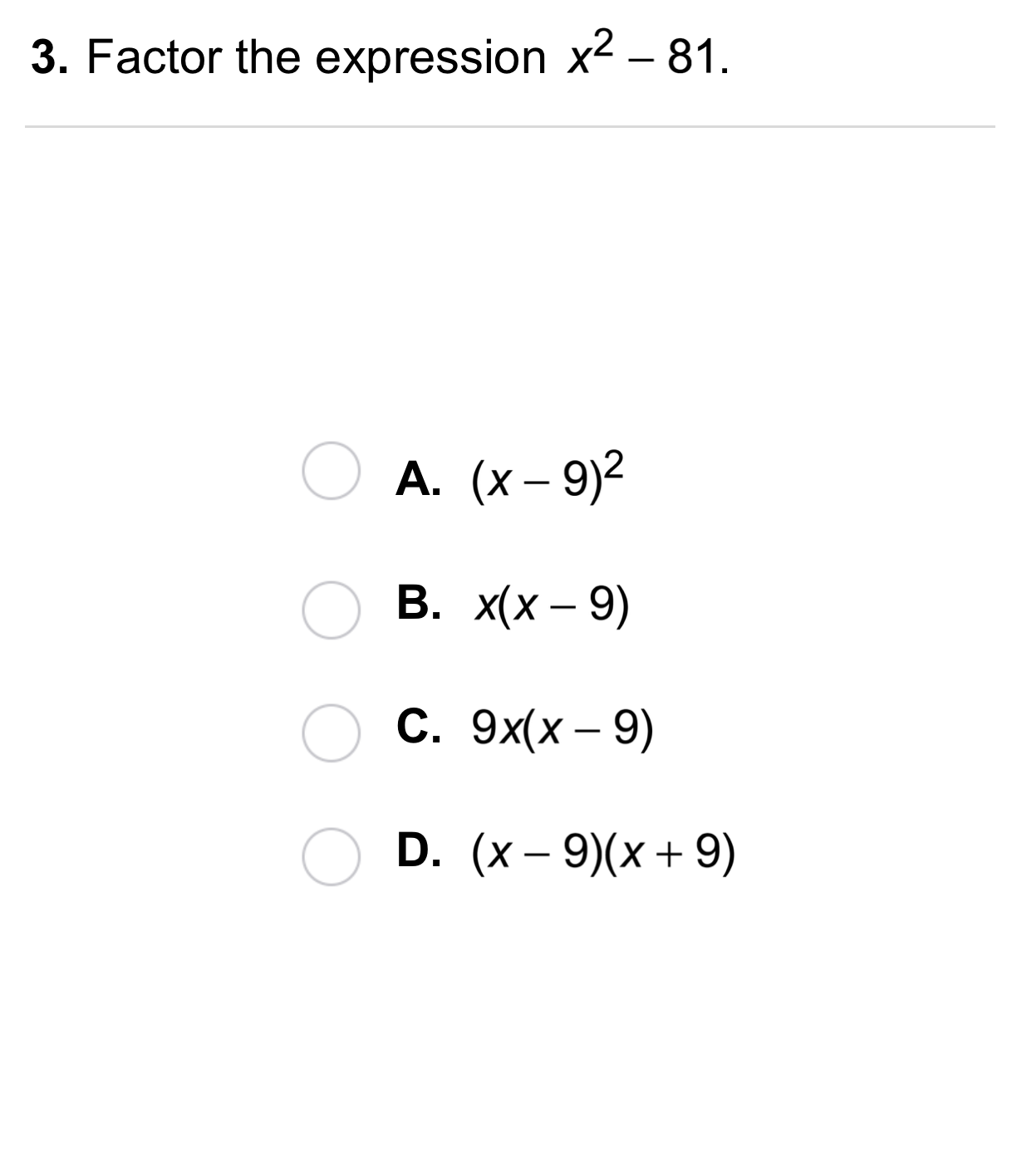
Problem 2 Got It?
10 points
10
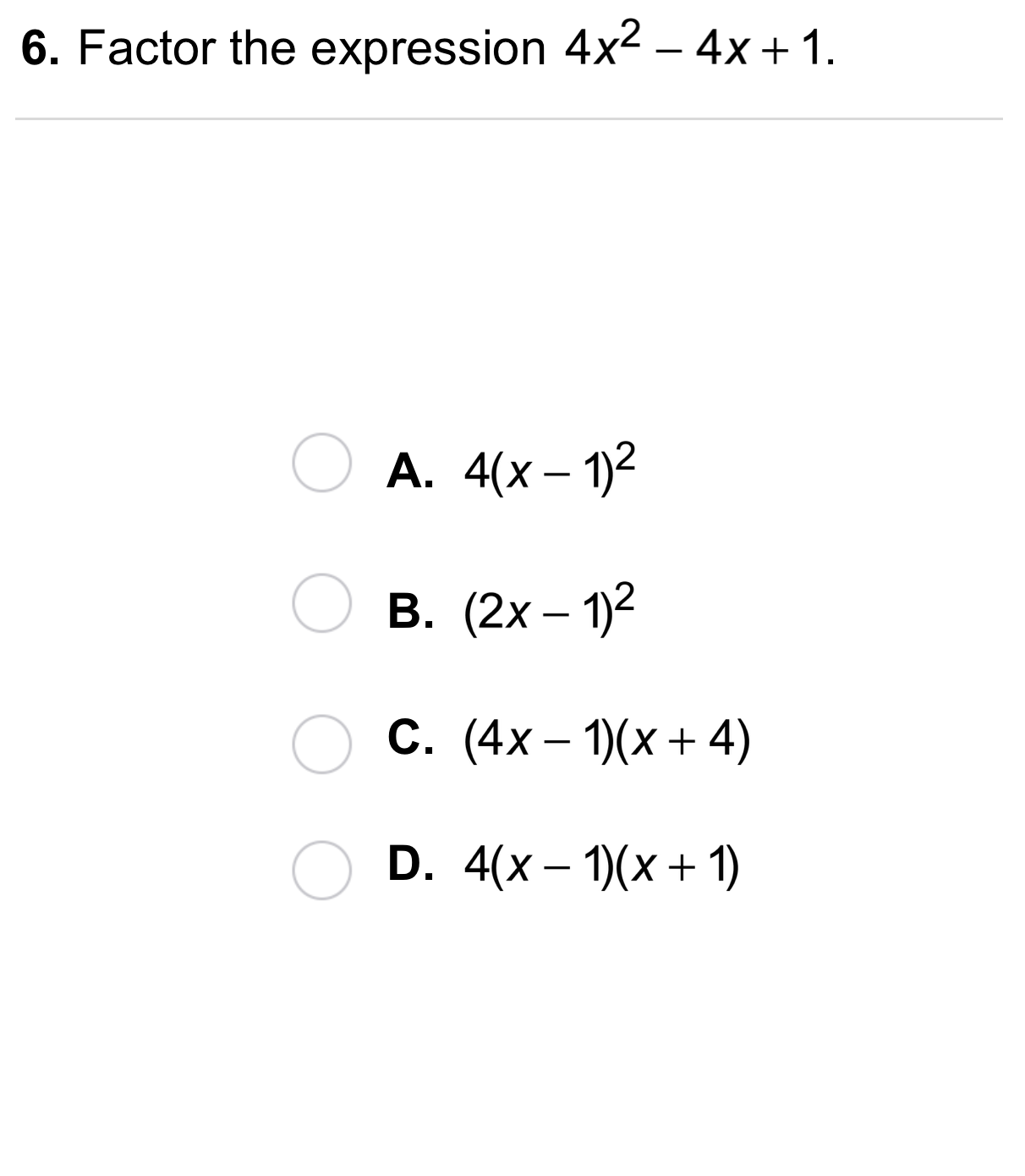
Question 6
6.
Problem 2 Got It?
10 points
10
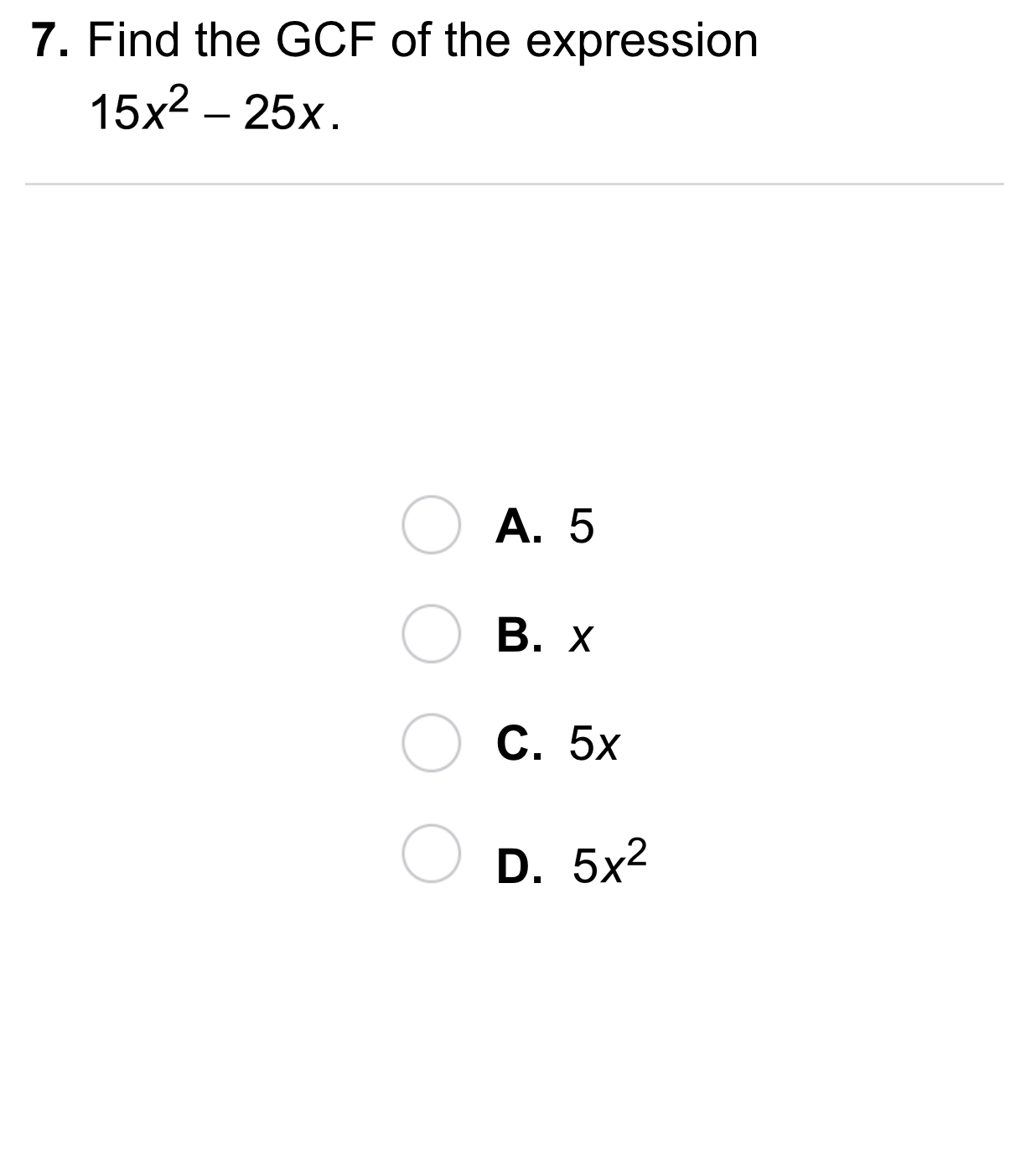
Question 7
7.
Problem 2 Got It?
10 points
10
Question 8
8.
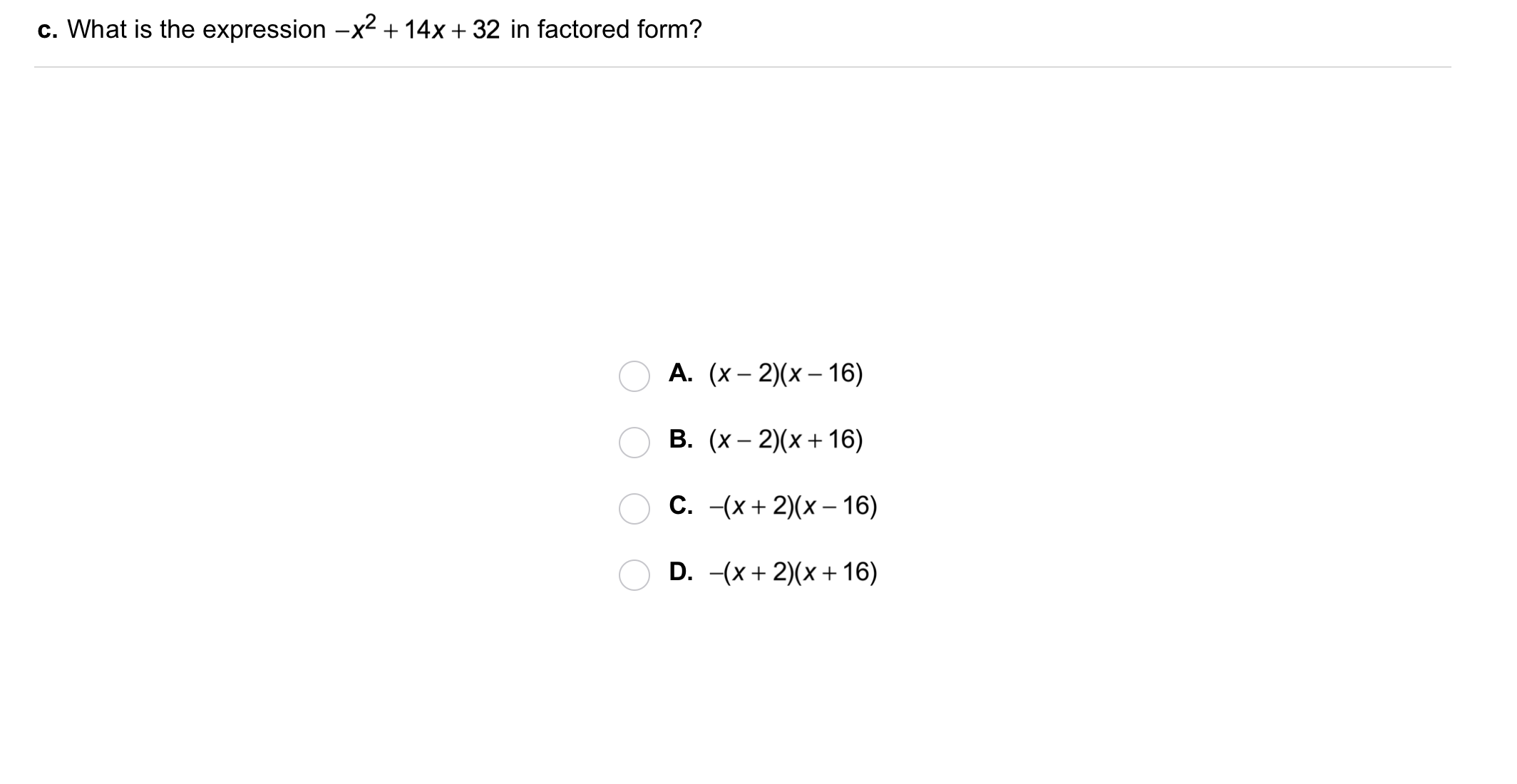
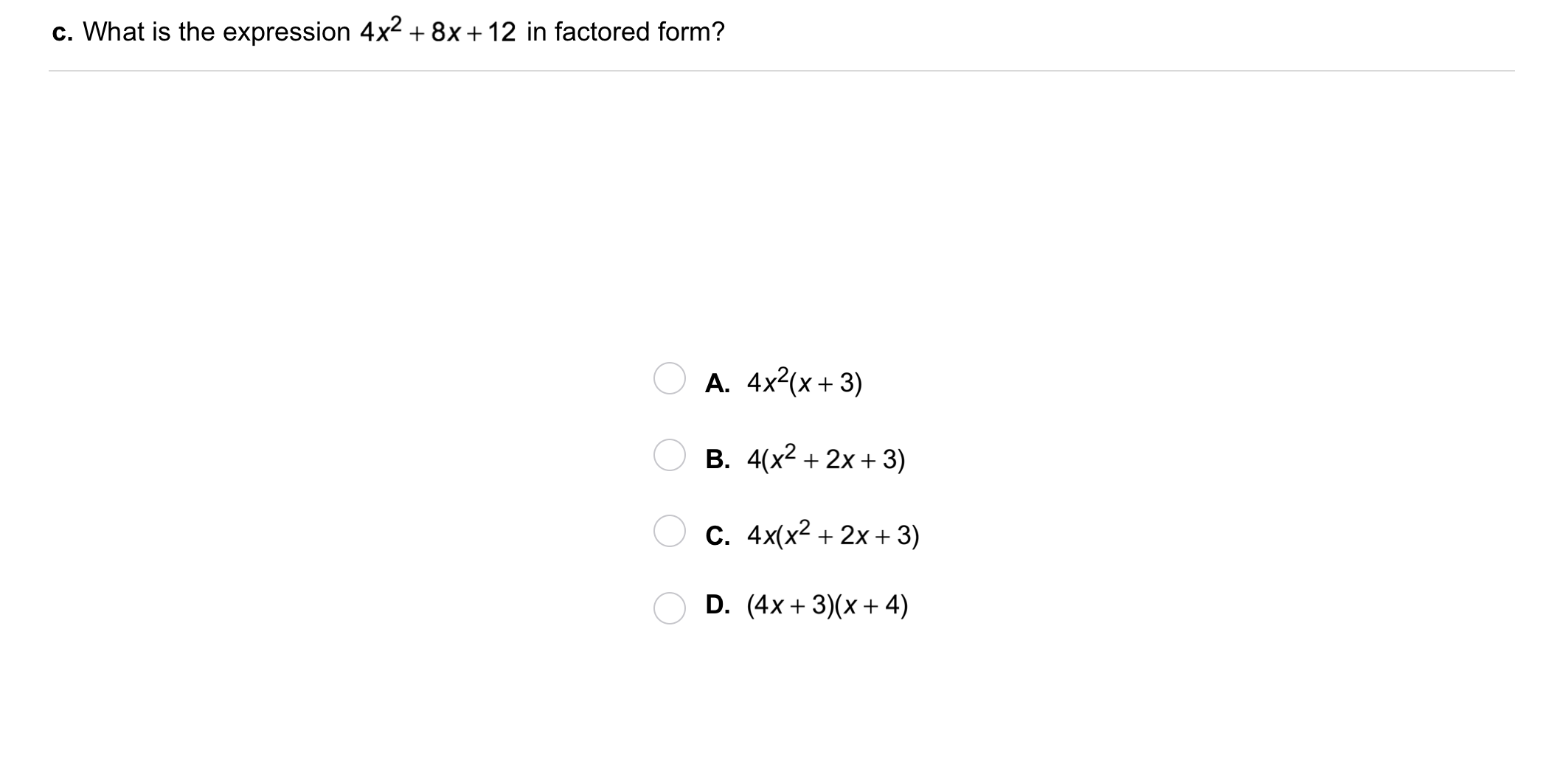
Problem 3 Got It? What is the factored form of the expression? Check your answers.
10 points
10
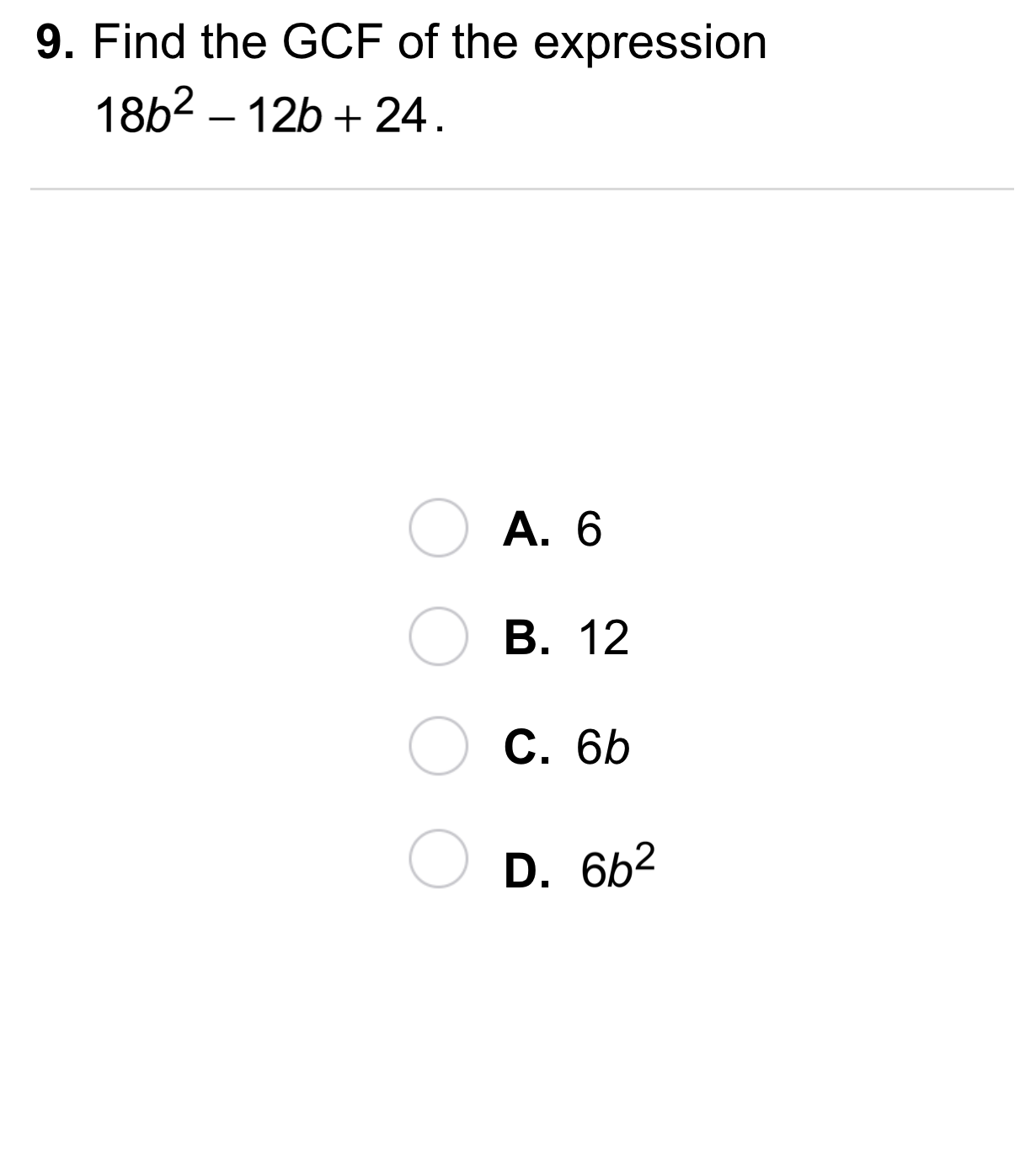
Question 9
9.
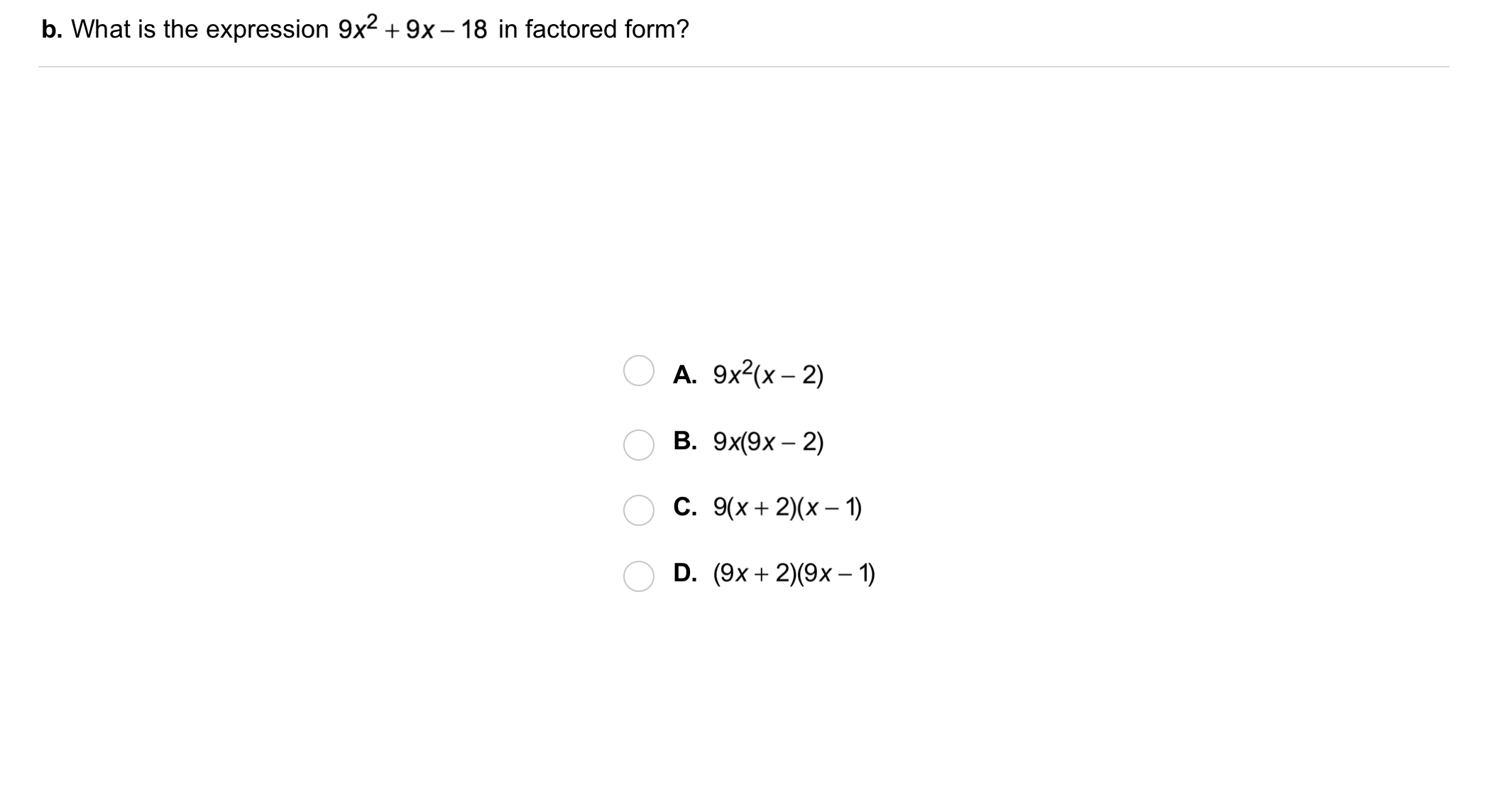
Problem 3 Got It? What is the factored form of the expression? Check your answers.
10 points
10
Question 10
10.
Problem 3 Got It?Reasoning: Can you factor the expression into a product of two binomials? Explain.
10 points
10
Question 11
11.
Problem 4 Got It?
10 points
10
Question 12
12.
Problem 5 Got It?
10 points
10
Question 13
13.
10 points
10
Question 14
14.
10 points
10
Question 15
15.
10 points
10
Question 16
16.
10 points
10
Question 17
17.
10 points
10
Question 18
18.
10 points
10
Question 19
19.
10 points
10
Question 20
20.
10 points
10
Question 21
21.
10 points
10
Question 22
22.
10 points
10
Question 23
23.
Vocabulary: Is the trinomial a perfect square trinomial? Explain.
10 points
10
20 points
20
Question 25
25.
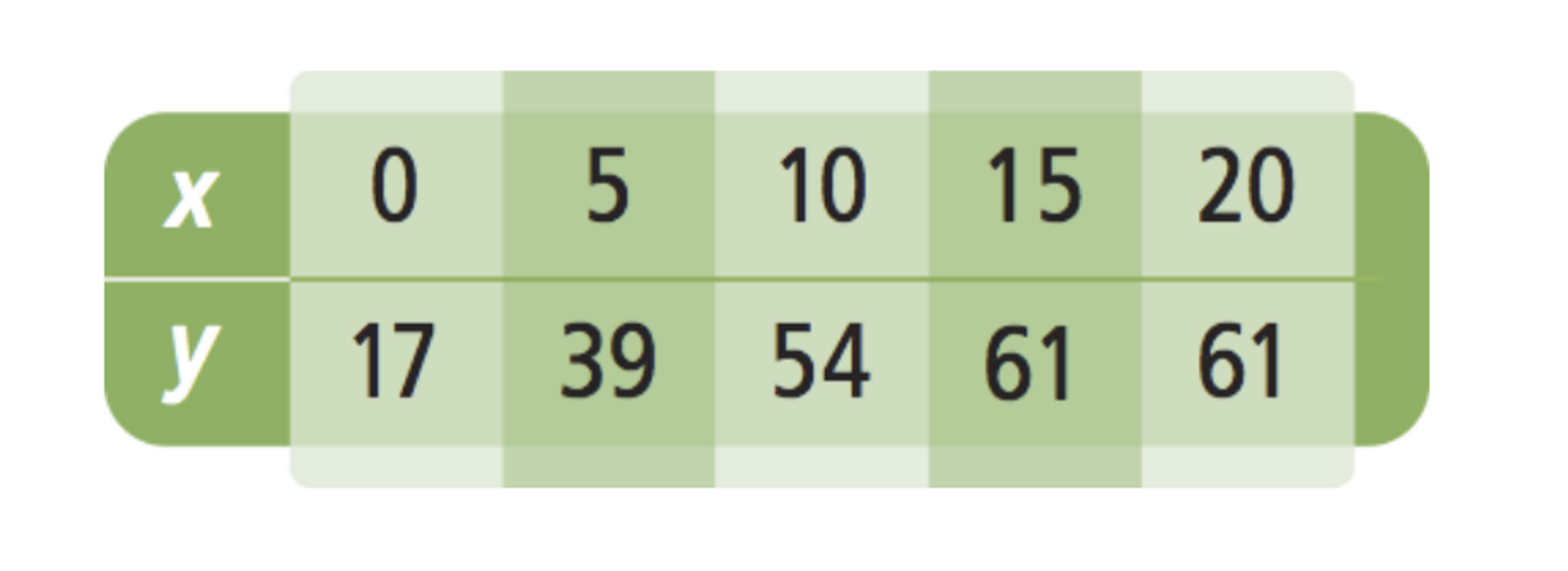
Review Lesson 4-3: Graph the values in the table using the Desmos graphing utility. Find and graph a quadratic model for the data.
Recall the Desmos regression notation: y₁~ax₁²+bx₁+c
We have released a new and improved Graphing question type! Students will no longer be able to answer this question.
30 points
30
Question 26
26.
Review Lesson 3-6: The combined mass of a penny, a nickel, and a dime is 9.8 g. Ten nickels and three pennies have the same mass as 25 dimes. Fifty dimes have the same mass as 18 nickels and 10 pennies. Write and solve a system of equations to find the mass of each type of coin. Show your work and solution on the canvas.
10 points
10
Question 27
27.
Review Lesson 4-2: Graph the functions on the same plane. Zoom and pan your graph to establish an appropriate viewing window.
We have released a new and improved Graphing question type! Students will no longer be able to answer this question.
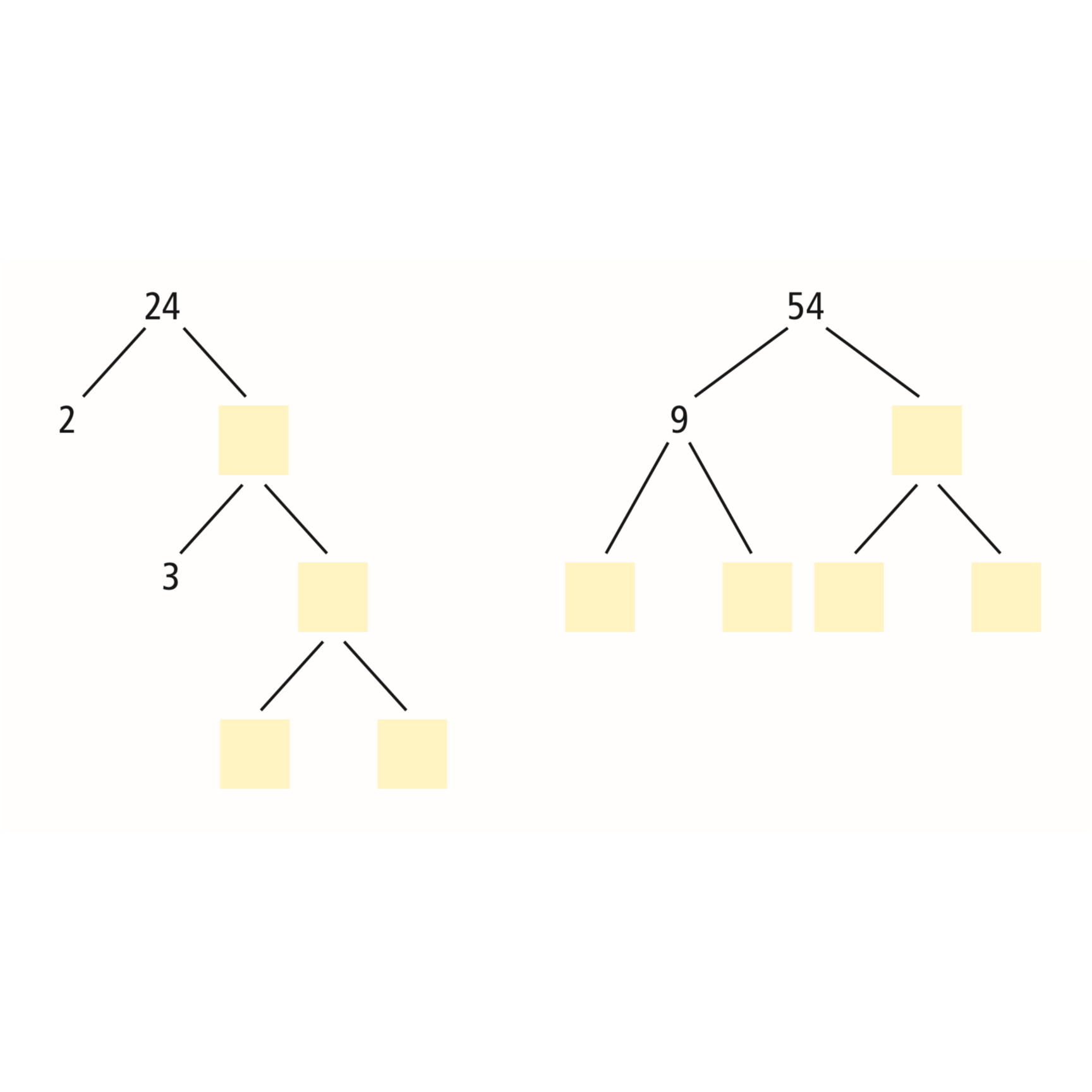
Vocabulary Review: Complete each factor tree.
2 points
2
Question 28
28.
Enter only a number.
2 points
2
Question 29
29.
Enter only a number.
2 points
2
Question 30
30.
Enter only a number.
2 points
2
Question 31
31.
Enter only a number.
2 points
2
Question 32
32.
Enter only a number.
2 points
2
Question 33
33.
Enter only a number.
2 points
2
Question 34
34.
Enter only a number.
2 points
2
Question 35
35.
2 points
2
Question 36
36.
Enter only a number.
10 points
10
Question 37
37.
Use Your Vocabulary: Drag and drop factors from the left to identify the prime factorization of 24xy.
NOTE: The order in which you drag and drop factors does not matter for this item.
x
y²
2³
y
3
4
Prime factorization of 24xy
10 points
10
Question 38
38.
Use Your Vocabulary: Drag and drop factors from the left to identify the prime factorization of 54a²b.
NOTE: The order in which you drag and drop factors does not matter for this item.
2
b²
a²
3³
b
Prime factorization of 54a²b
100 points
100
Question 39
39.
Notes: Take a clear picture or screenshot of your Cornell notes for this lesson. Upload it to the canvas. Zoom and pan as needed.
For a refresher on the Cornell note-taking system, click here.