World War II 4th Period
star
star
star
star
star
Last updated over 8 years ago
50 Nsɛmmisa
1
1
1
1

1

1
1
1
1
1

1

1

1
1
1
1
1
1
1

1
1
1

1
1

1
1

1
1

1
1
1
1
1
1

1
1
1
1
1
1
1
1
1
1
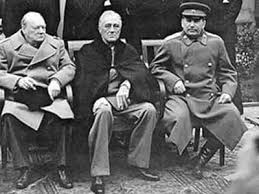
At this 1945 conference, Roosevelt, Churchill, and Stalin met to discuss plans to govern postwar Germany and to rebuild the war-torn nations of Europe.
Select ALL countries that were in the AXIS Powers.
Select ALL 3 countries that were part of the Allies
This map below shows the resistance of American and Allied forces against the German offensive in late-1944, which became known as
To win this battle, the Allies had to break the coded communication of the German U-Boats
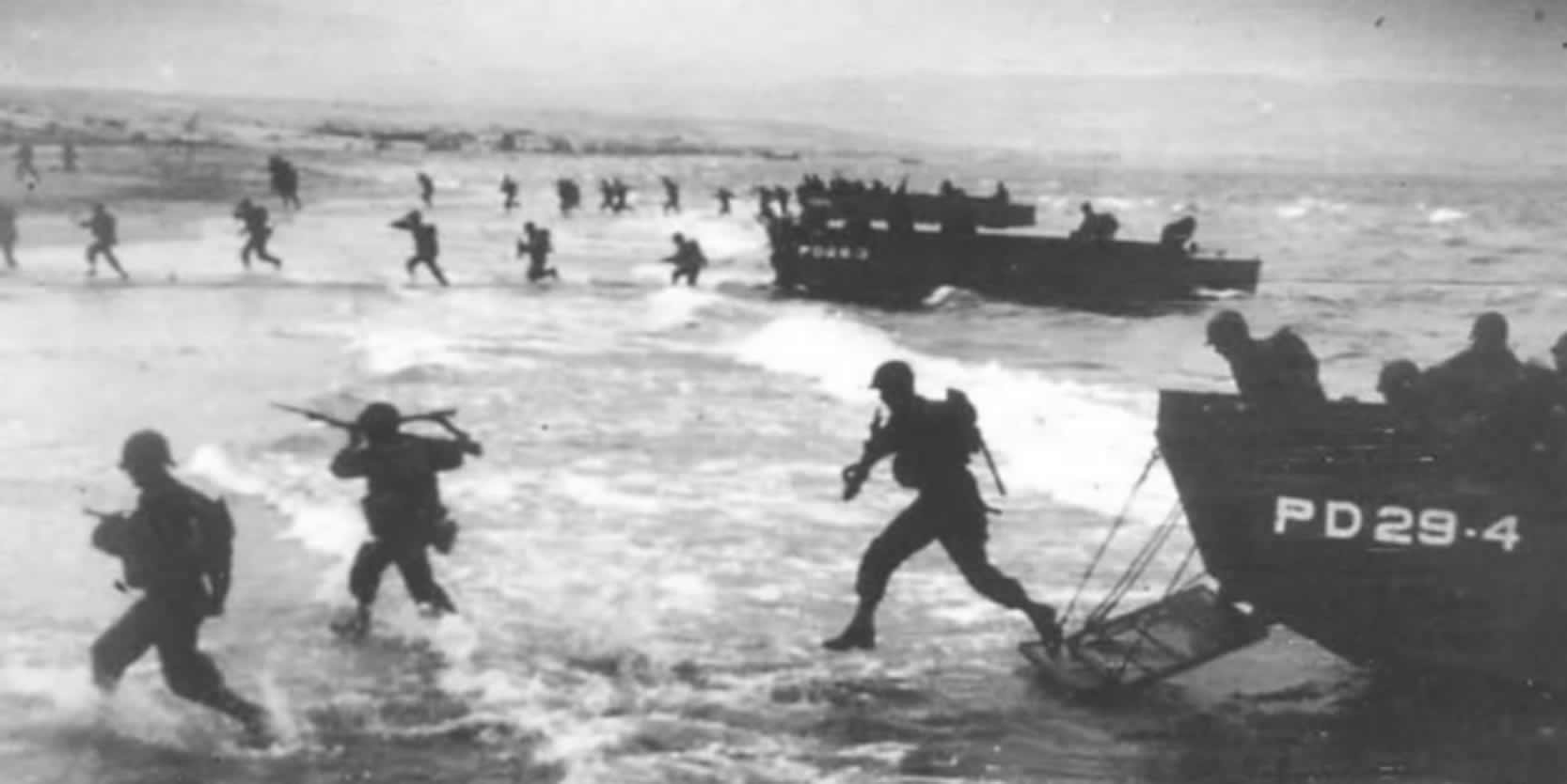
The purpose of this attack on Nazi-occupied France was to split the German army in half by opening up a western front in Europe.
What phrase is used to describe the extermination of 6 million Jews by Nazi Germany?
This is the tactic Germany used to take control of Europe quickly early in WWII.
In 1939, the USA altered the Neutrality Acts to allow arm sales to Britain, but we did not provide loans nor did the USA offer to ship weapons to Britain on American ships. What was this program called?
By allowing the United States to sell weapons using credit, loan weapons and supplies to the Allies, and transport the goods across the Atlantic Ocean, FDR called the United States "_____________________________"
Hitler broke this agreement to never go to war with the Soviet Union
In this agreement, FDR and Churchill agreed on strategy if the United States they would concentrate on Germany first war and for the creation of a post-war United Nations.
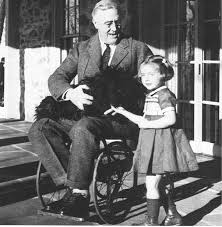
This longest serving U.S. President died of a stroke shortly before the end of WWII.
This man was the leader of Germany during WWII
This law allowed the United States to sell and loan weapons and goods to Great Britain and the USSR and to transport the goods for them across the Atlantic Ocean for them.
This man was the military dictator of Japan in WWII.
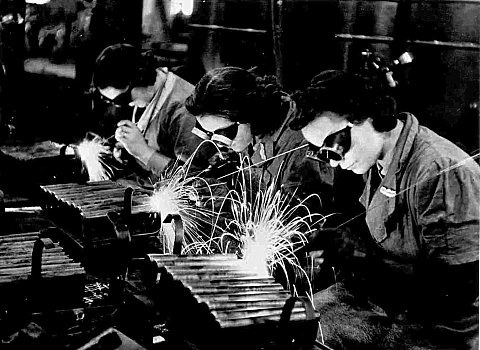
This photograph depicts women learning welding in the 1940s. It shows that women
The United States financed (paid for) its efforts in World War II by
This photograph shows U.S. residents at an internment camp during World War II. These people are most likely
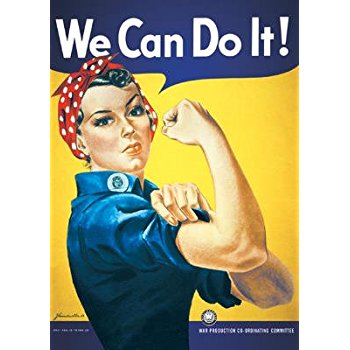
What role did "Rosie the Riveter" (seen here) play during World War II?
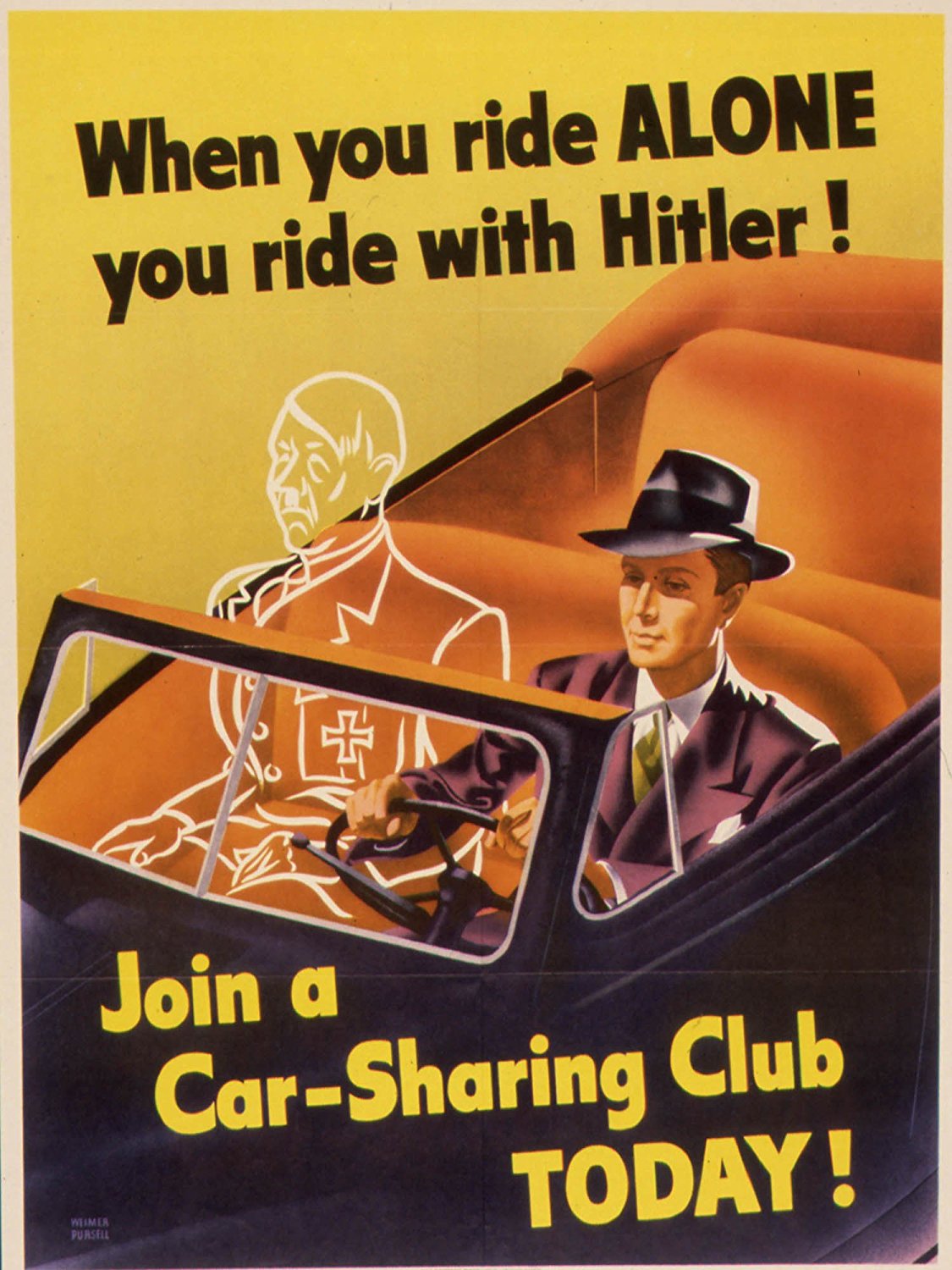
While World War II raged outside of the United States, attempts were made in the U.S. to support the war effort by
Which statement BEST describes the Tuskegee Airmen (pictured here)?
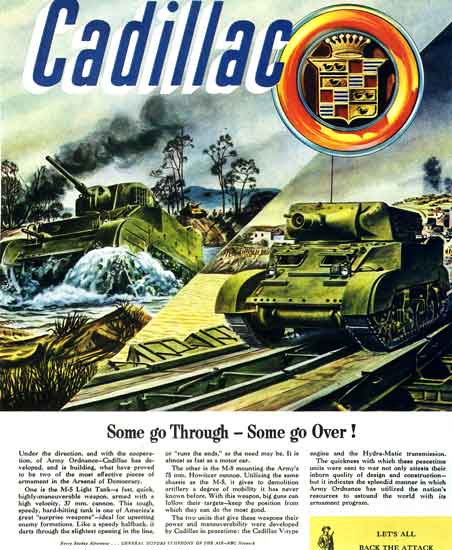
This government organization directed factories in the United States to make certain weapons and material needed to win WWII.
This WWII era civil rights leader during World War II fought for equal pay for black workers and an end to segregation in the military.
Women working in war related industries caused a major rise in the need for
This organization was created to entertain US troops overseas.
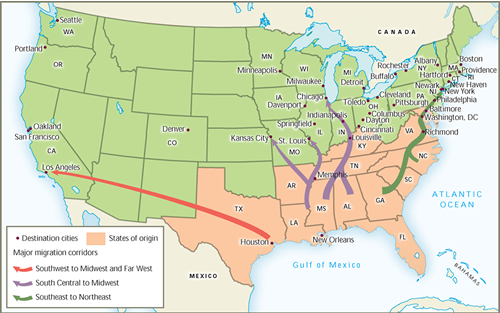
During WWII, African Americans continued the _________________________, leaving the Jim Crow South in search of war-related jobs in the North and West Coast.
During the Civil War, WWI, & WWII, African Americans fought in
What was used by ordinary civilians to make sure there was enough goods, food and materials to ensure that the troops could win the war?
How did World War II begin in Europe?
Circle where Japan attacted on December 7, 1941.
President Franklin Roosevelt said that December 7, 1941, would "live in infamy" because on that day
The "Manhattan Project" was the code name for the
President Truman decided to use the atomic bomb on Japan in 1945 because
The first atomic bomb ever dropped in warfare was dropped on the city of

President Harry Truman's motivation for droping the bomb would best be described as
What was the Allied strategy in the Pacific get around Japanese fortified islands in the Pacific?
The United States had to take these two heavily fortified Japanese islands to get close enough to Japan to drop the atomic bomb or prepare for a land invasion of Japan.
Breaking with their isolationist foreign policy, the United States entered WWII
The Battle of Midway was significant because it
What was the NOT a reason President Truman ordered the military to drop an atomic bomb on Hiroshima in 1945?
What occurred at Los Alamos, New Mexico during World War II?
At this conference, Truman warned Japan to surrender of face "complete and utter destruction"
Which of these events occurred LAST?
The creation of the military facility in Oak Ridge, Tennessee, in 1942 was for the purpose of
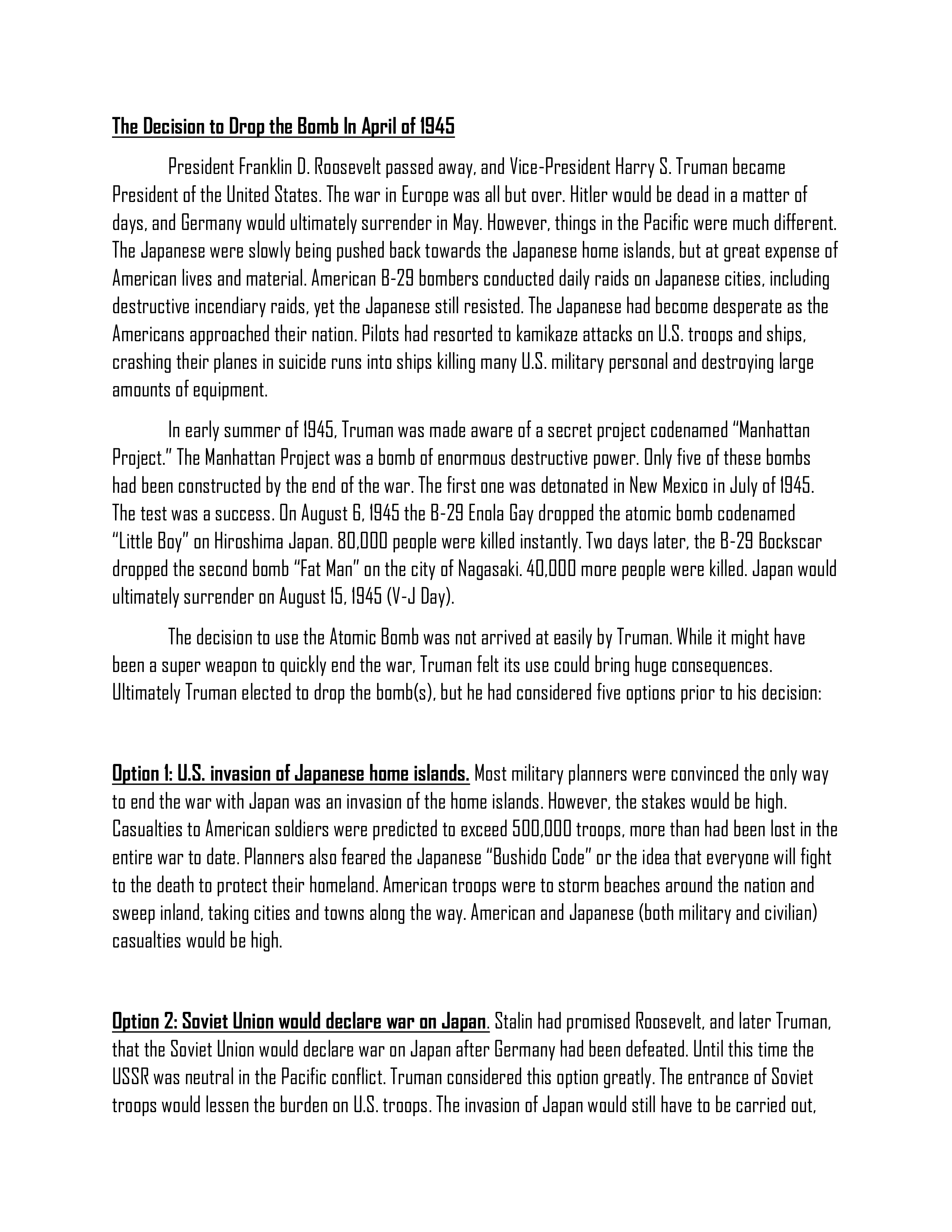
Overall is a land invastion of Japan by American troops a positive or negative option? Why?

Overall is the Soviet Union declaring war on Japan a poistive or negative option. Why?
Overall, is demonstrating the bomb for Japan a positive or negative option? Why?
Overall, is negotiating a peace treaty with Japan a positive or negative option? Why?
Overall, is using the bomb to force an immediate end to the war a positive or negative option? Why?