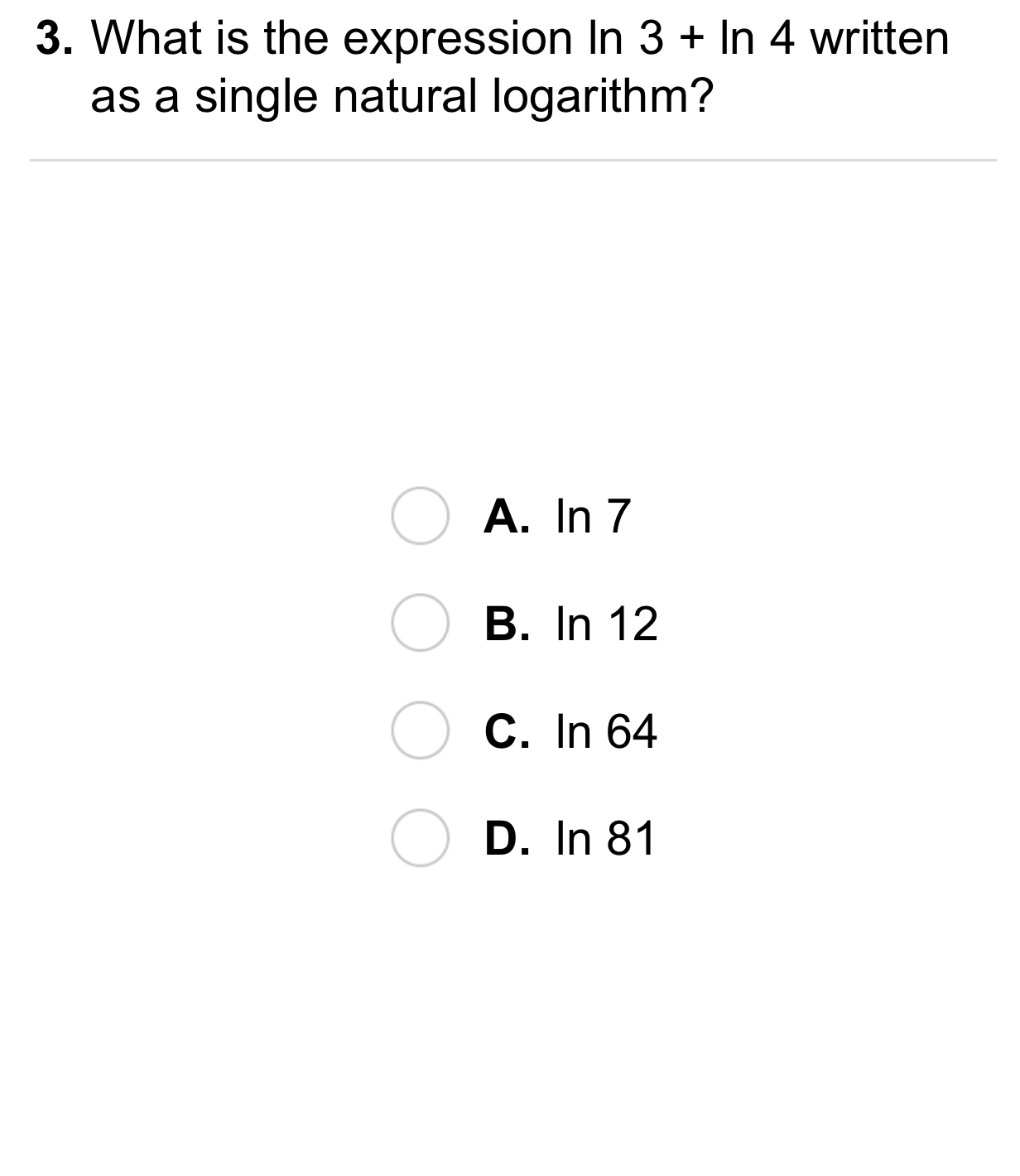
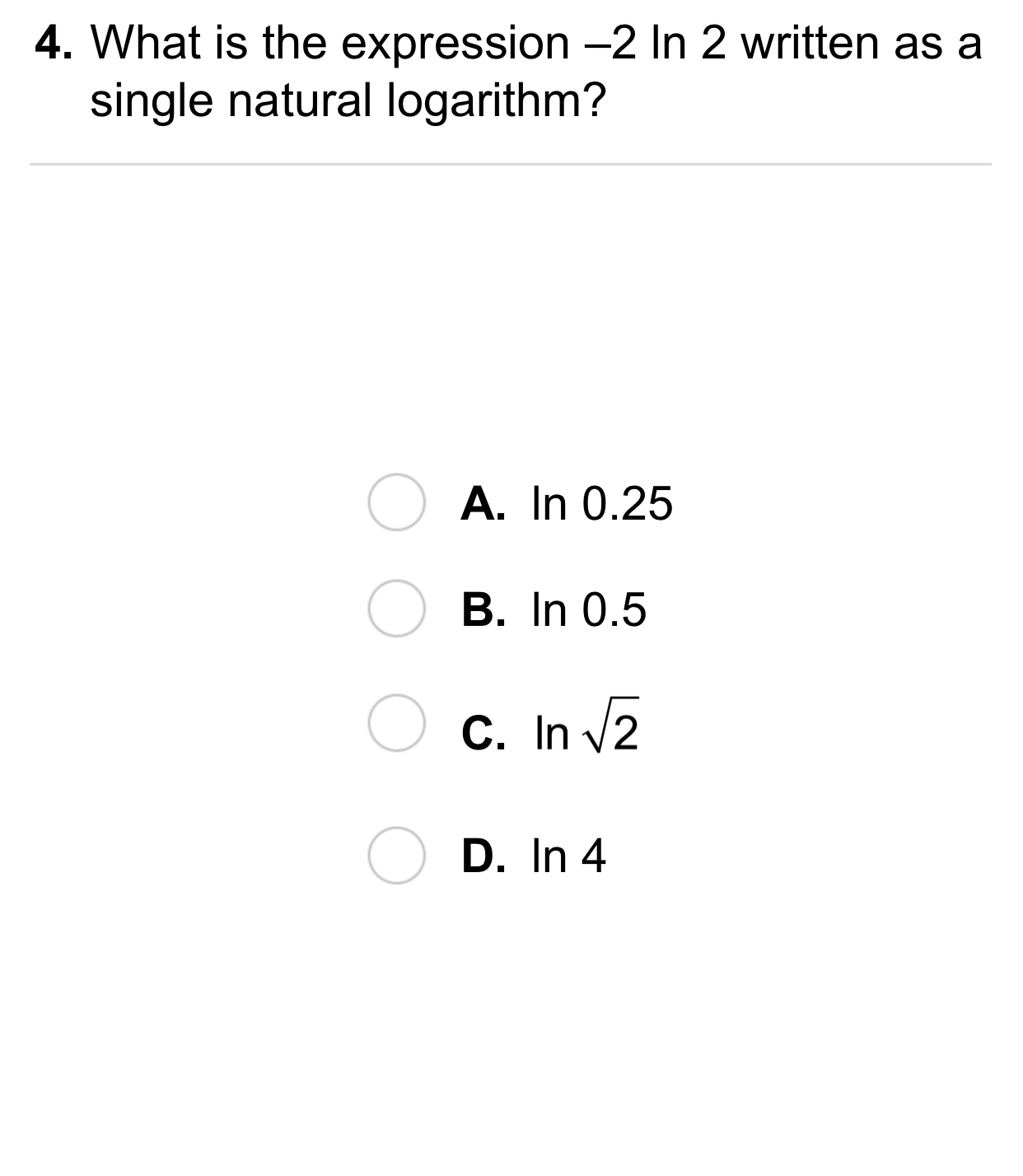
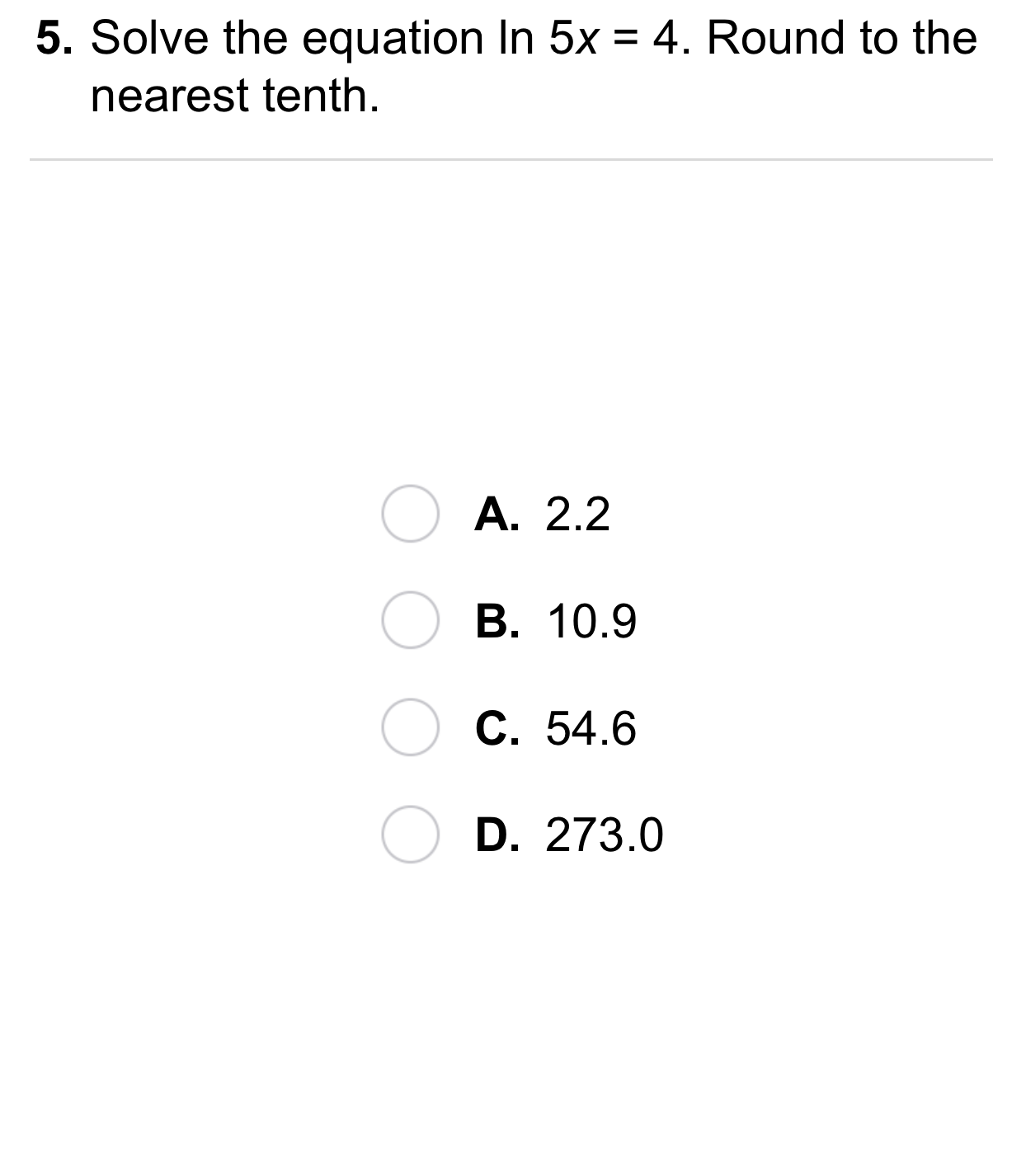
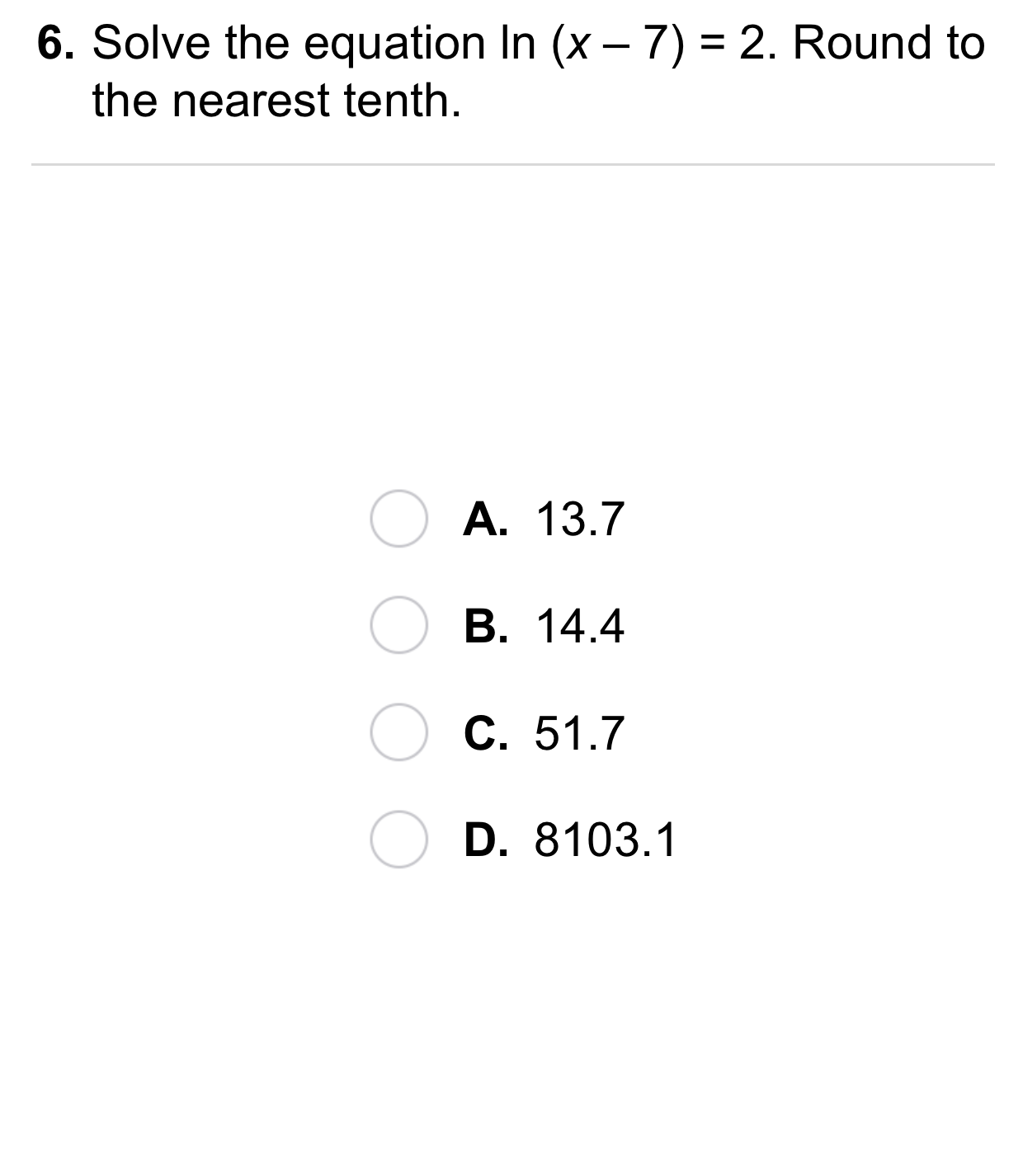
A complete formative lesson with embedded slideshow, mini lecture screencasts, checks for understanding, practice items, mixed review, and reflection. I create these assignments to supplement each lesson of Pearson's Common Core Edition Algebra 1, Algebra 2, and Geometry courses. See also mathquest.net and twitter.com/mathquestEDU.

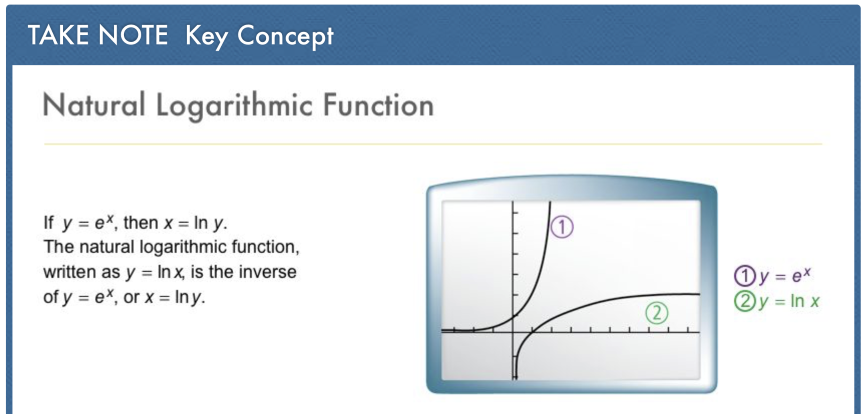
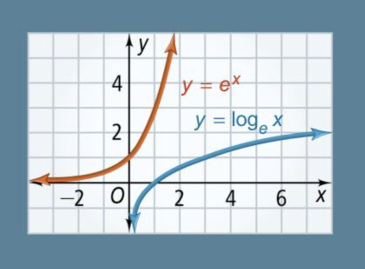
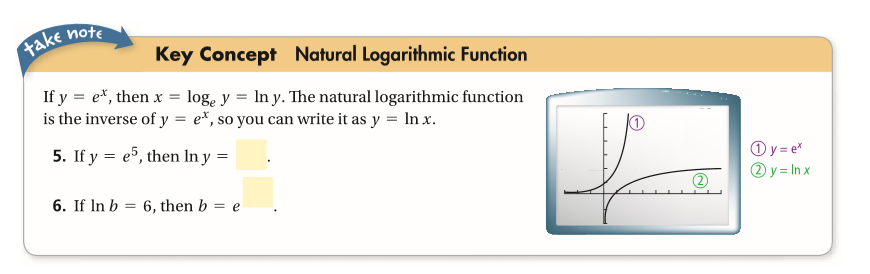
Solve It! A function f is bounded above if there is some number B that f(x) can never exceed. The exponential function base e shown here is not bounded above.

Yes
No
3
2
Not bounded above
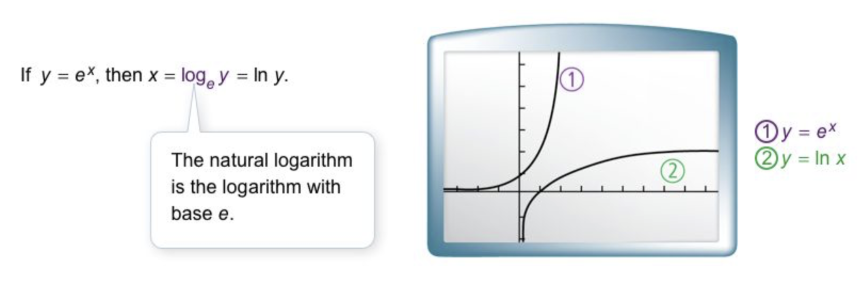
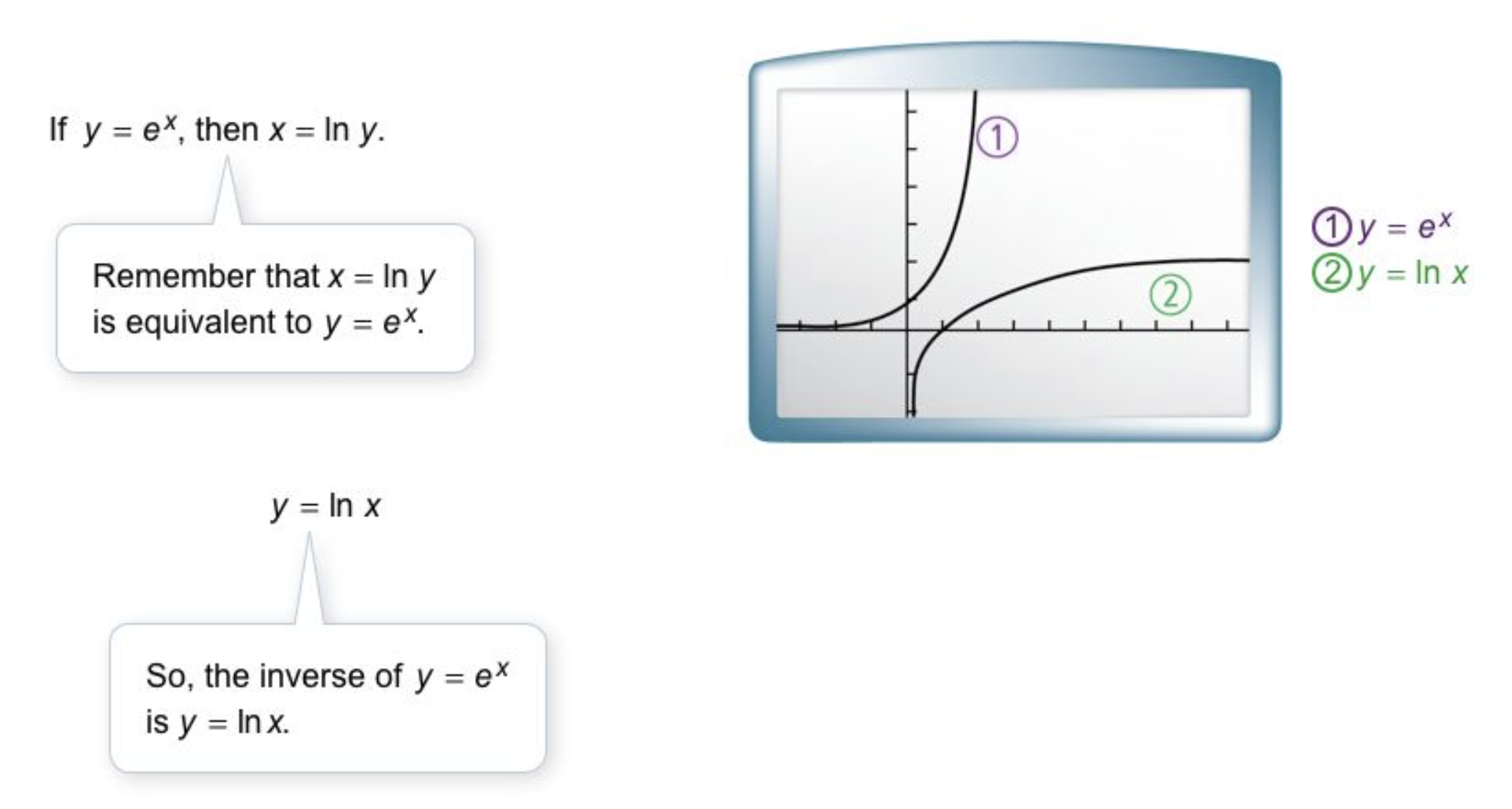
Is the logarithmic function base e bounded above?
If the logarathmic function base e is bounded above, find a bounding number. If not, drag "Not bounded above" into this category.

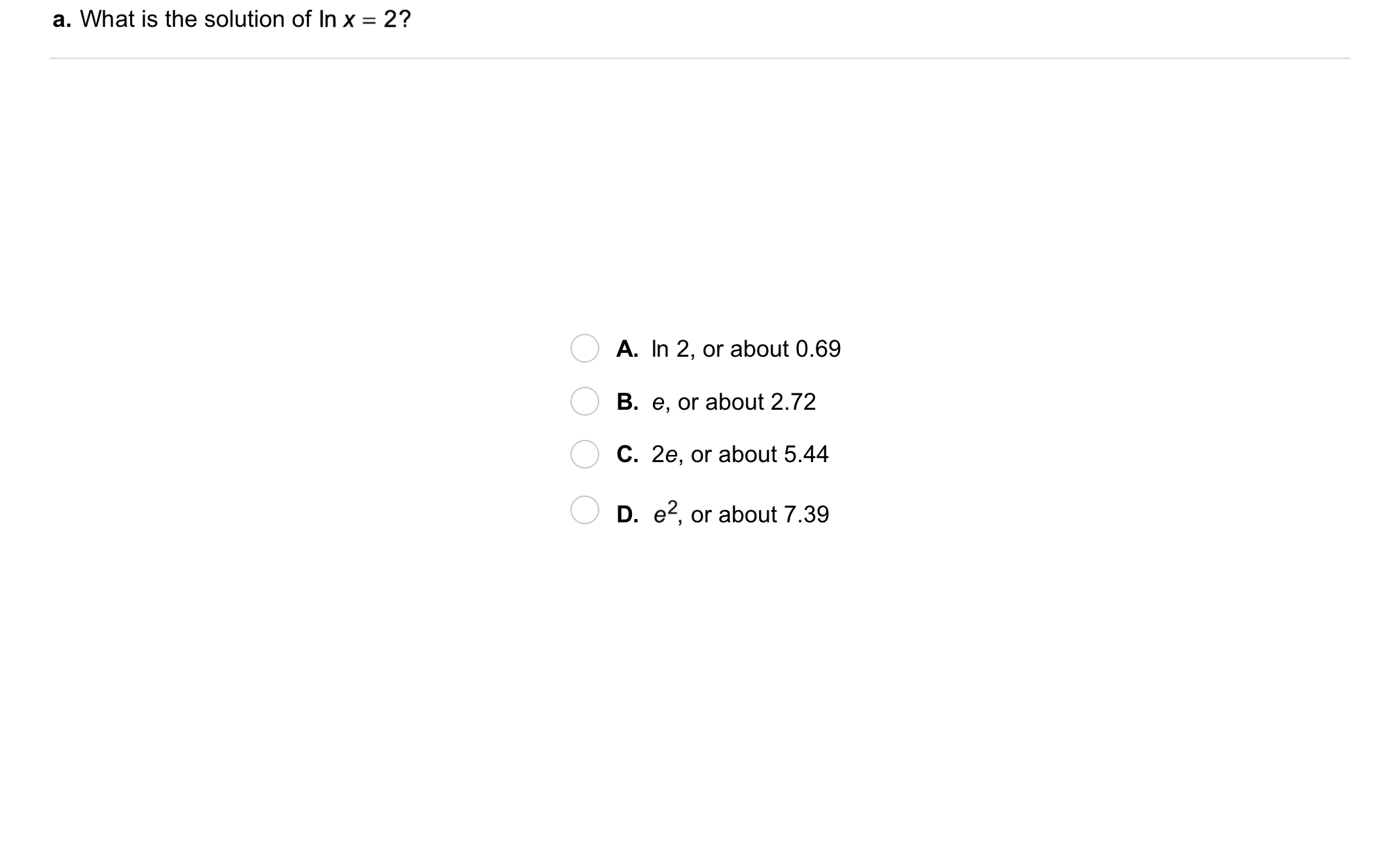
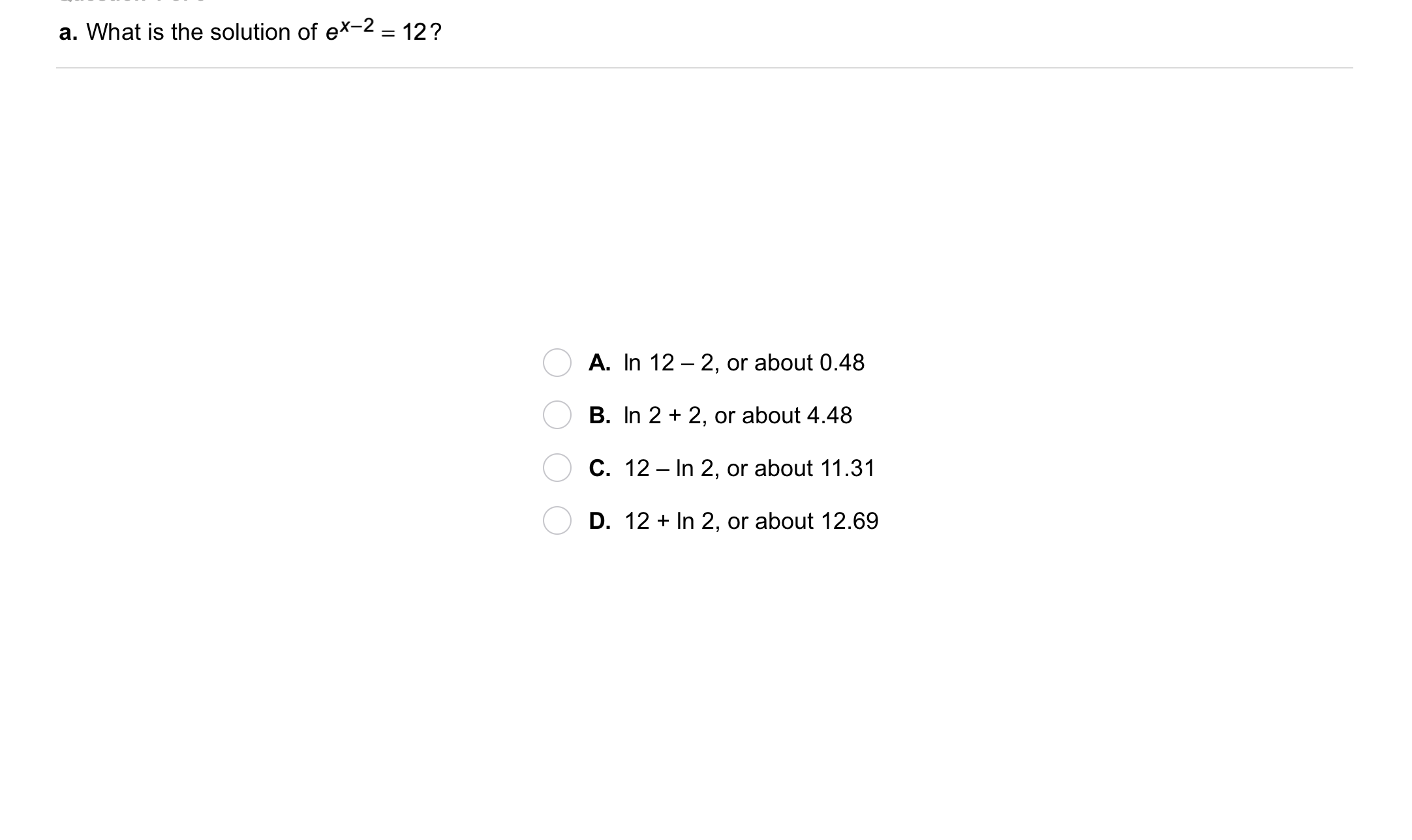
Problem 1 Got It?

Problem 1 Got It?

Problem 1 Got It?

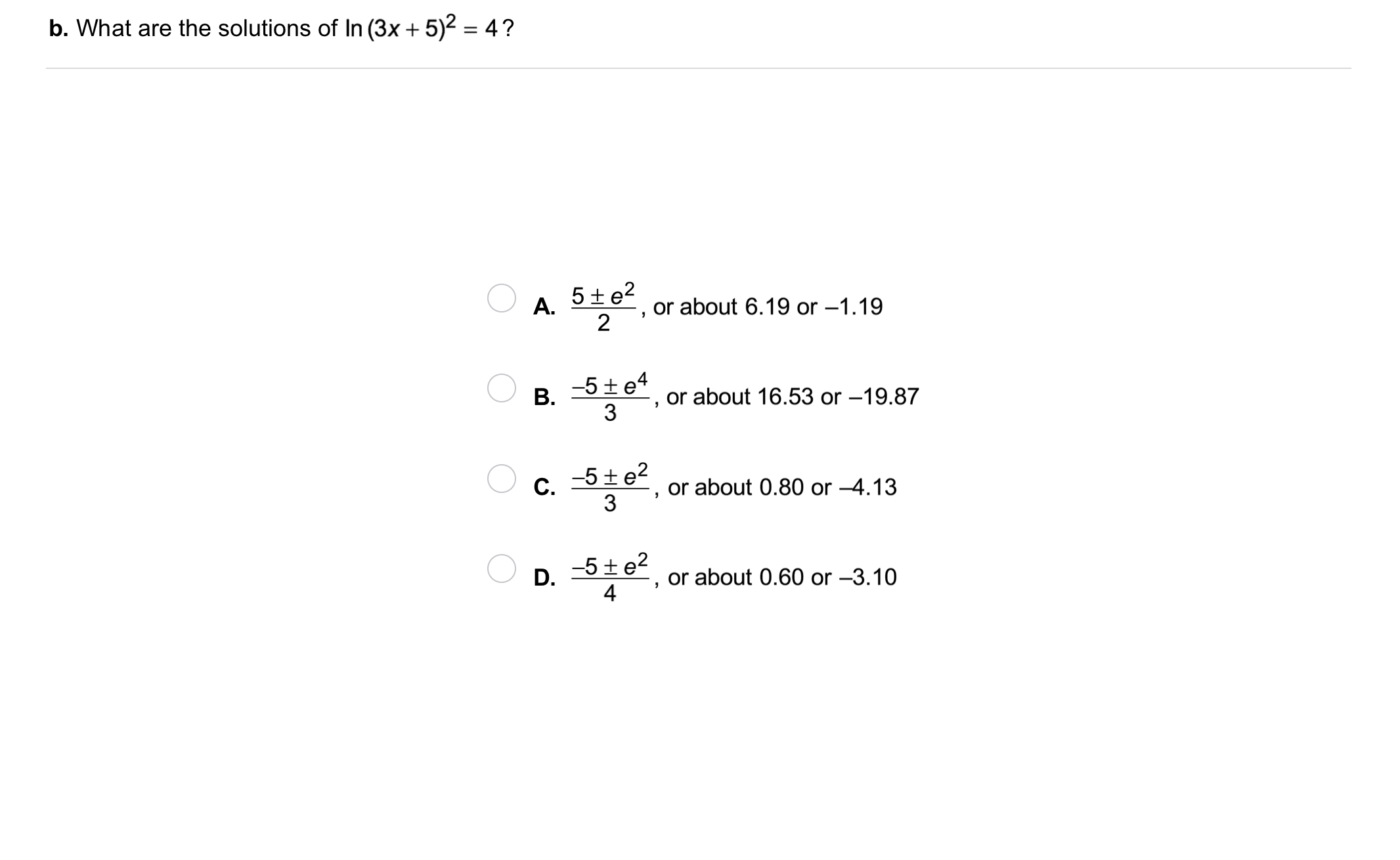
Problem 2 Got It?

Problem 2 Got It?

Problem 2 Got It?

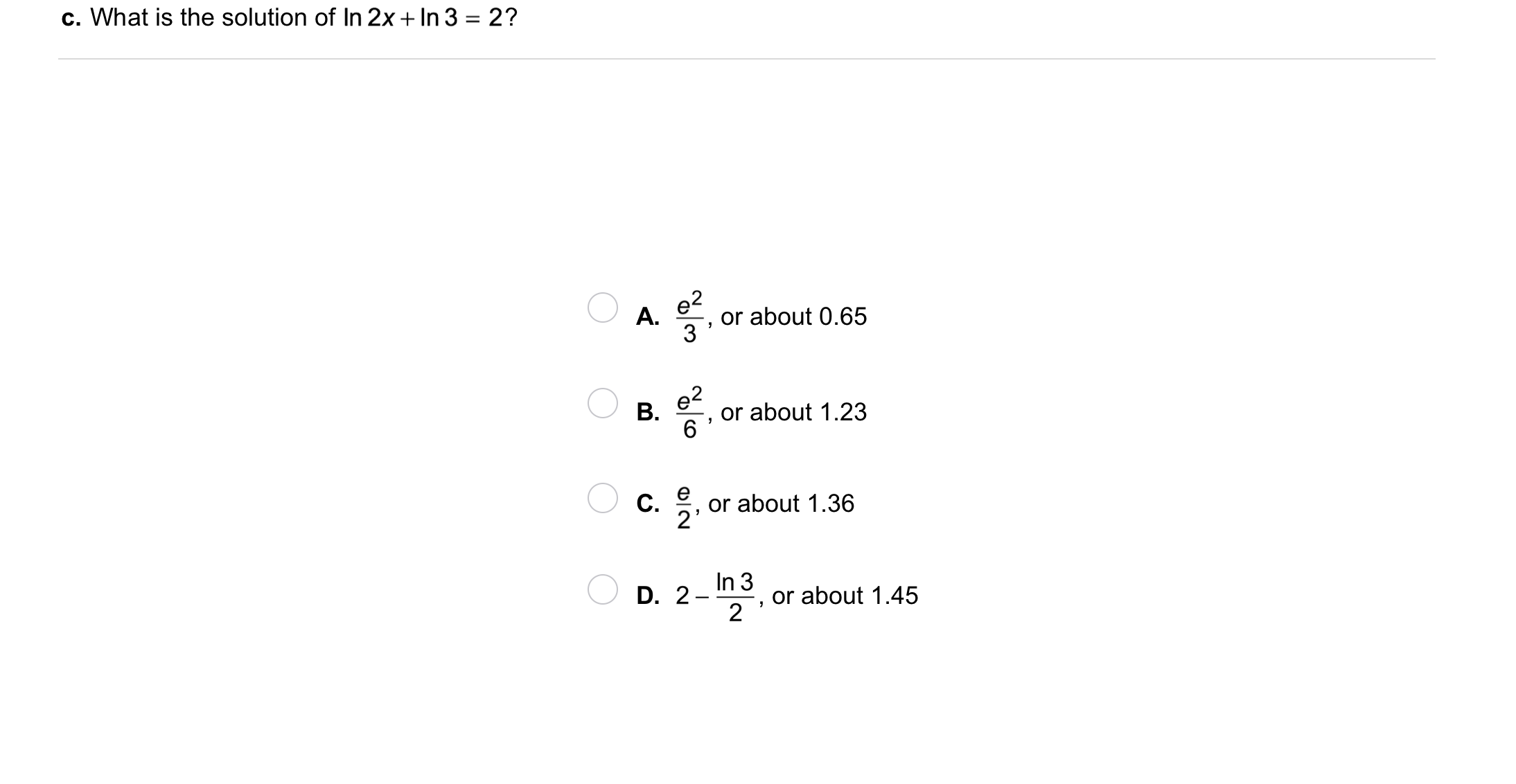
Problem 3 Got It?

Problem 3 Got It?

Problem 3 Got It?
Problem 4 Got It? Space: A spacecraft can attain a stable orbit 300 km above Earth if it reaches a velocity of 7.7 km/s. The formula for a rocket's maximum velocity v in kilometers is shown below.
The booster rocket fires for t seconds and the velocity of the exhaust is c km/s. The ratio of the mass of the rocket filled with fuel to its mass without fuel is R.
PART 1: Yes. The maximum firing velocity of 15 km/s is greater than the 7.7 km/s needed for a stable orbit.
PART 1: No. The maximum firing velocity of 5.4 km/s is less than the 7.7 km/s needed for a stable orbit.
PART 2: Yes. You can increase the mass ratio R, increase the exhaust velocity c, or decrease the firing time t until v > 7.7 km/s.
PART 2: No. No matter how the mass ratio R, exhaust velocity c, and firing time t are adjusted, v will remain less than 7.7 km/s.
PART 1: A booster rocket for a spacecraft has a mass ratio of about 15, an exhaust velocity of 2.1 km/s, and a firing time of 30 s. Can the spacecraft achieve a stable orbit 300 km above Earth? Explain.
PART 2: Reasoning: Suppose a rocket, as designed, cannot provide enough velocity to achieve a stable orbit. Could alterations to the rocket make a stable orbit achievable? Explain.


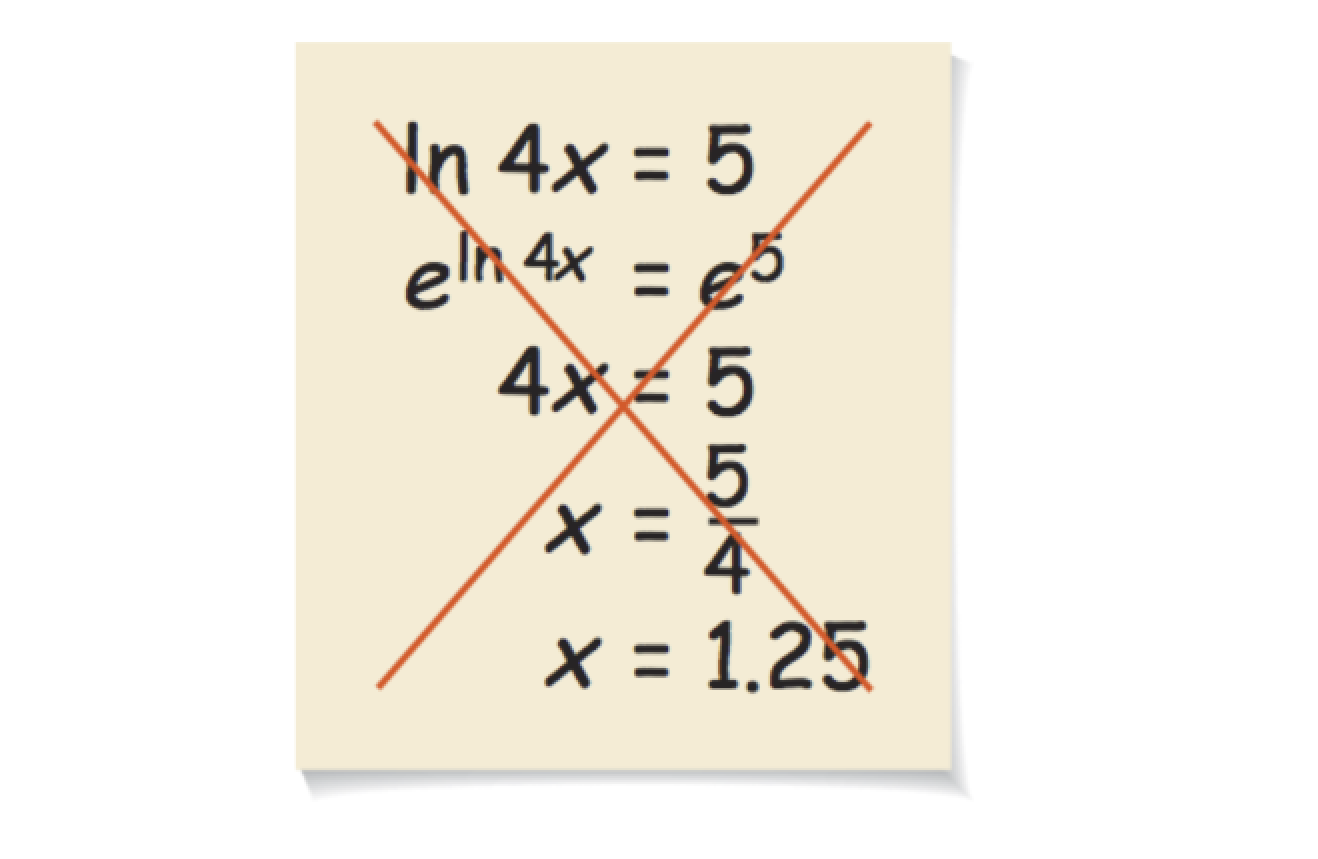
Error Analysis: Describe the error made in solving the equation. Then find the correct solution.
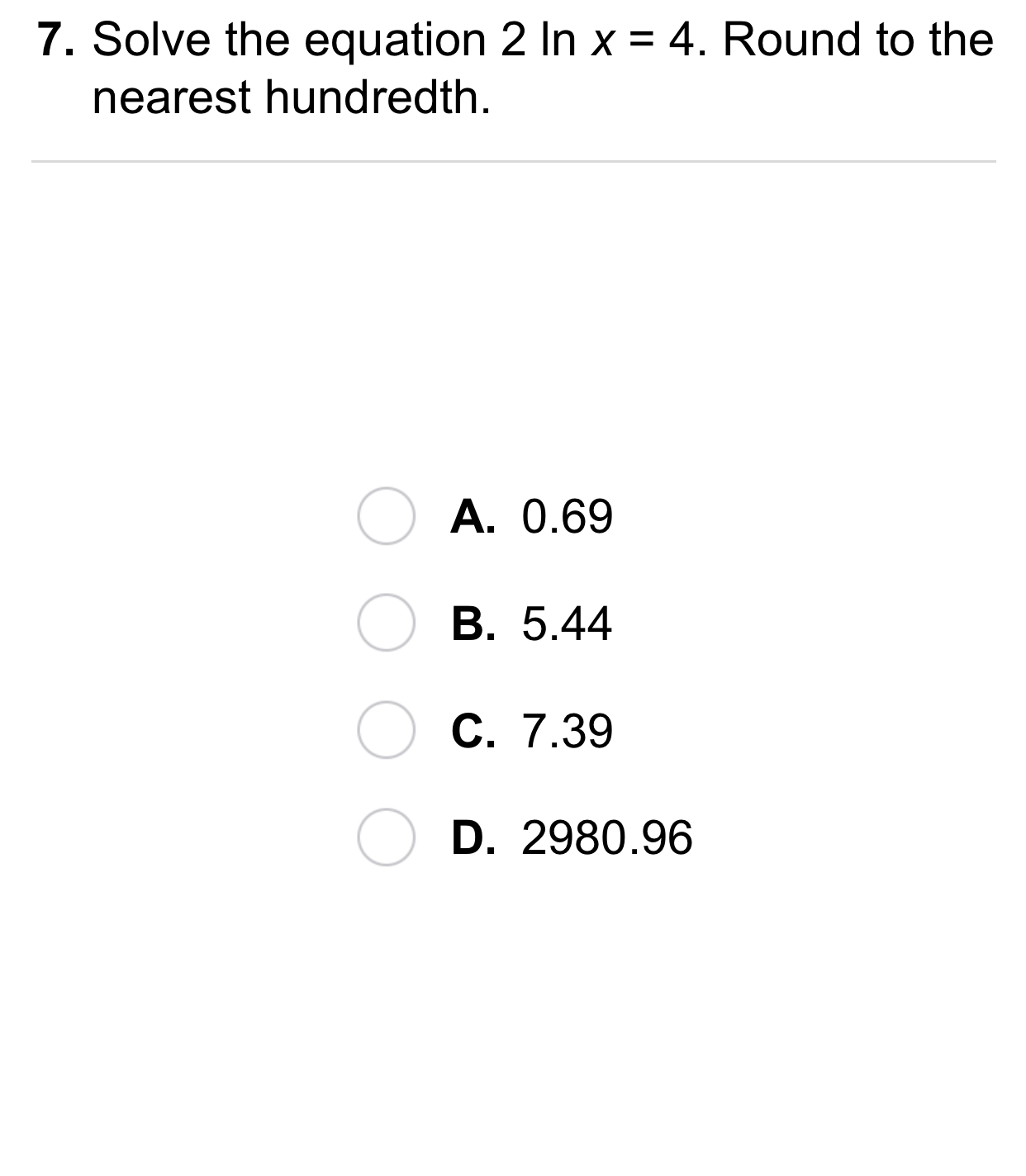
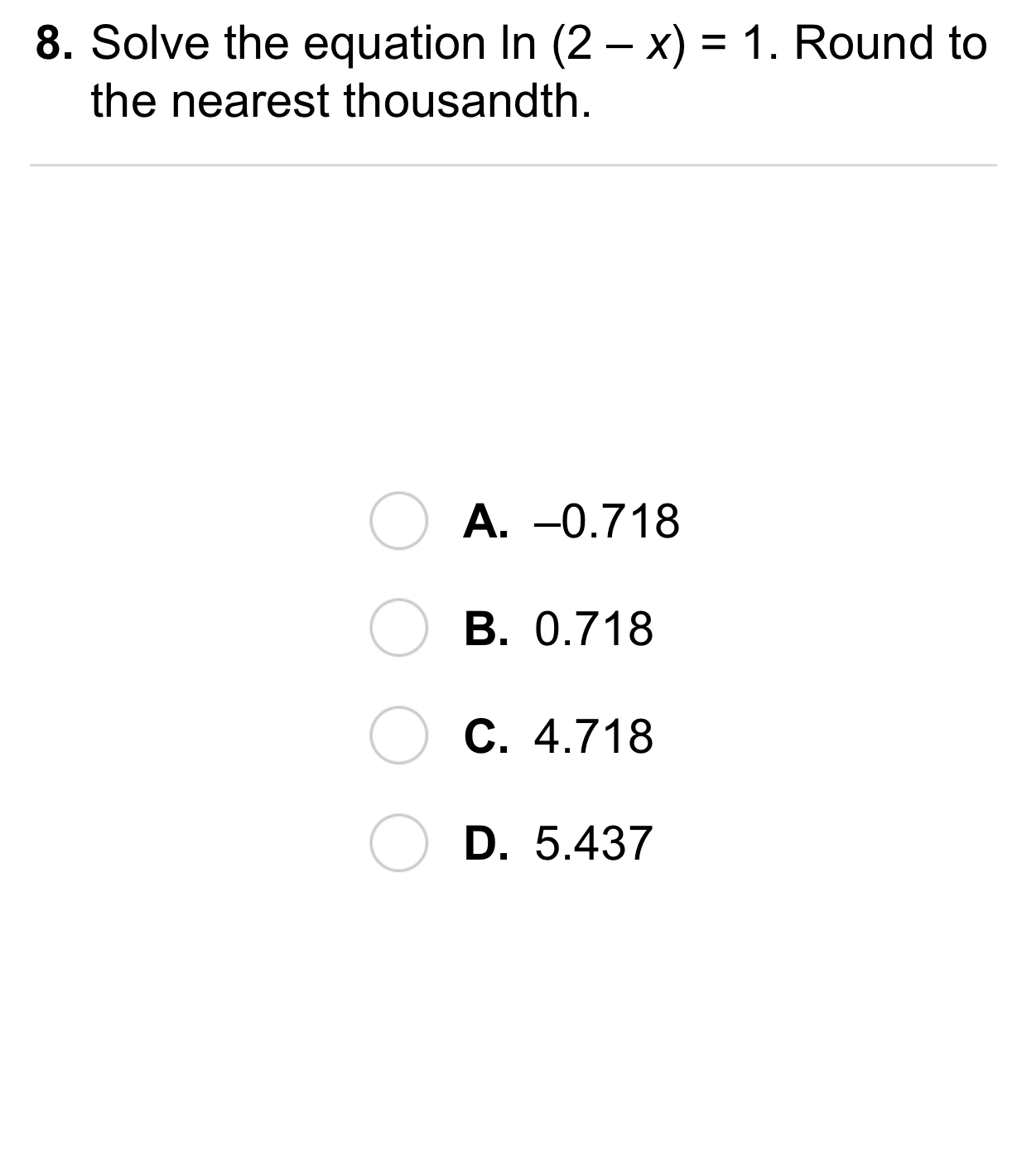
Review Lesson 7-5: Solve the equation. Show your work.
Enter only a number (the value of x), as an improper fraction.
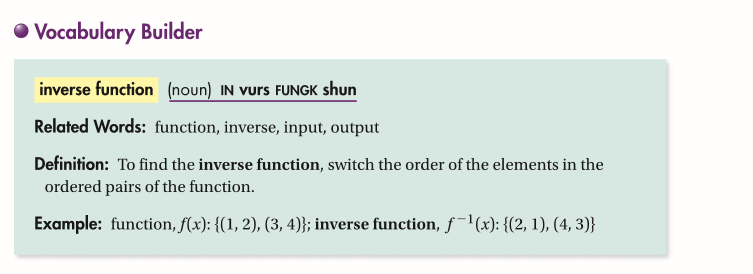
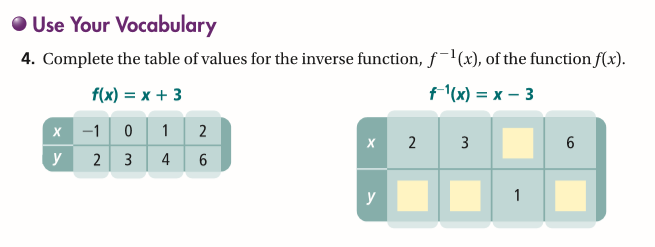
Review Lesson 6-7: Find the inverse of the function. Show your work.
Review Lesson 6-7: Find the inverse of the function. Is the inverse a function?
Review Lesson 6-7: Find the inverse of the function. Show your work.
Review Lesson 6-7: Find the inverse of the function. Is the inverse a function?
Review Lesson 2-2: Given that y varies directly with x, find y in each scenario.
y = 5/2
y = 3
y = 15
y = 10
y = 4/3
y = 6/5
If x = 2 when y = 4, find y when x = 5.
If x = 1 when y = 5, find y when x = 3.
If x = 10 when y = 3, find y when x = 4.
Vocabulary Review: Categorize each statement as true or false.
The function
and b ≠ 1 is called a logarithmic function.
A logarithmic equation is an equation that contains only one logarithm.
The logarithm of a power is the difference of the logarithm and the exponent.
True
False


Enter only a number.
Notes: Take a clear picture or screenshot of your Cornell notes for this lesson. Upload it to the canvas. Zoom and pan as needed.
For a refresher on the Cornell note-taking system, click here.
Reflection: Math Success
Enter only a number.