Vocabulary Assessment Chapter 2 - Chemistry of Life
star
star
star
star
star
Last updated about 7 years ago
58 Nsɛmmisa
1
1
1
1
1
1
1
1
1
1
1
1
1
1
1
1
1
1
1
1
1
1
1
1
1
1
1
1
1
1
1
1
1
1
1
1
1
1
1
1
1
1
1
1
1
1
1
1
1
1
1
1
1
1
1
1
1
1
Last Name First Name
Class Period (enter 1, 2, 4, 5, 6, 7, or 8)
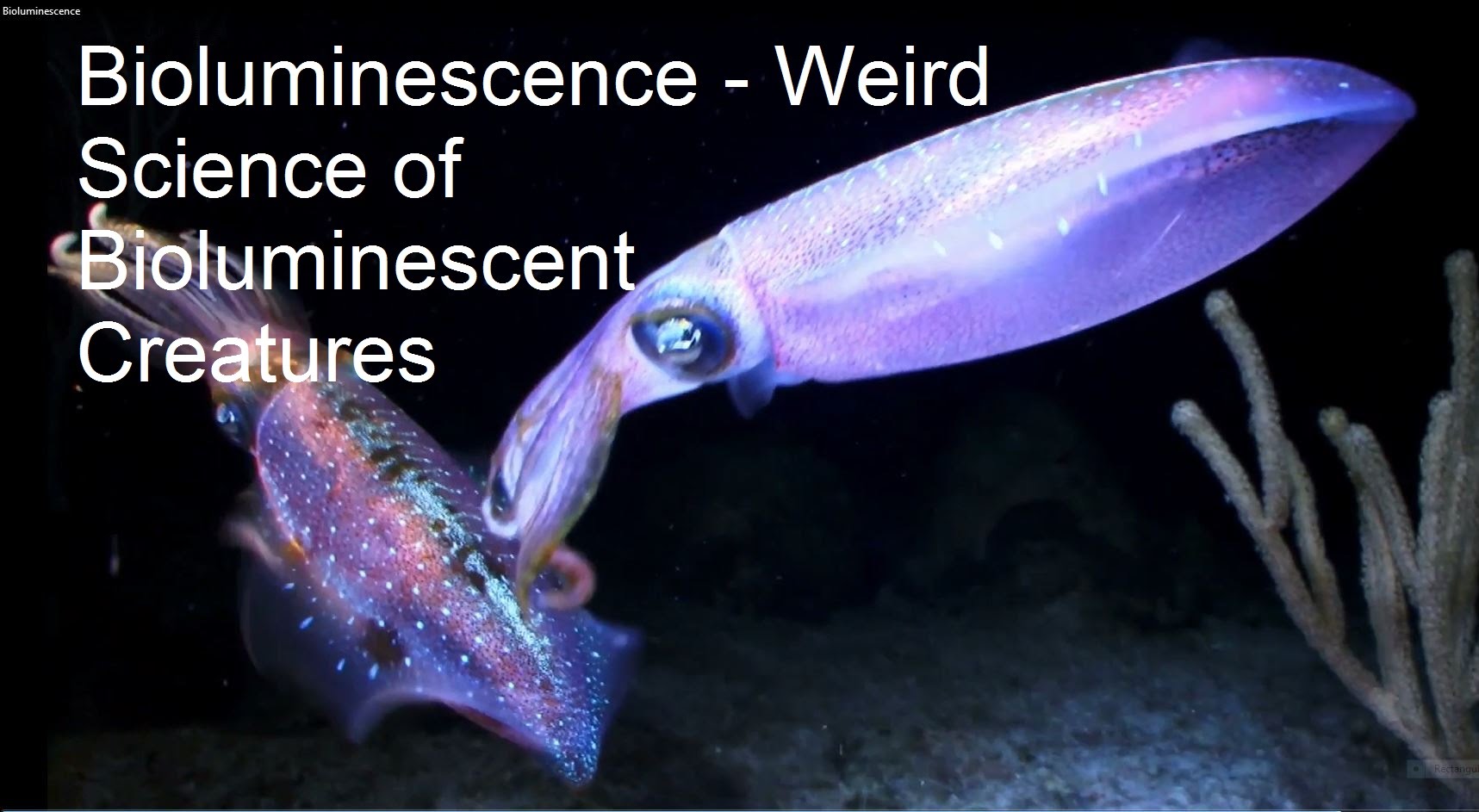
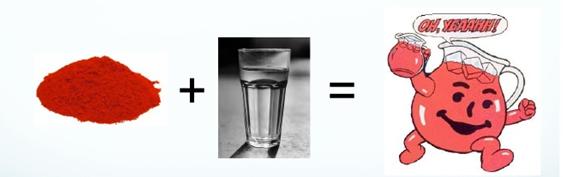
Using the picture above, select the vocabulary word that best fits this type of reaction.
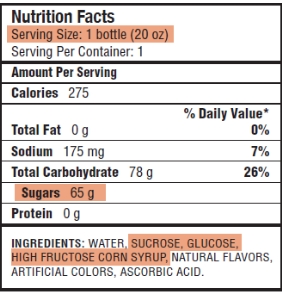
Using the Nutrition and Ingredients label on this product pictured above select the vocabulary word that best describes the high-lighted ingredients
PART I: Qs #1-15. Who Am I? Choose among these terms to answer the riddles that follow (use each only once, enter the letter in front of the term):
A) activation energy E) endothermic I) ion M) protein
B) bond energy F) enzyme J) molecule N) solution
C) carbohydrate G) fatty acid K) nucleic acid O) substrate
D) compound H) hydrogen bond L) pH
#1 Who Am I? I am a chemical reaction that absorbs more energy than I release; my products have a higher bond energy than my reactants.
#2 Who Am I? I am an attraction between a slightly positive hydrogen atom and a slightly negative atom, such as oxygen or nitrogen.
#3 Who Am I? I am the type of molecule that stores genetic information in living things. I include DNA and RNA.
A) activation energy E) endothermic I) ion M) protein
B) bond energy F) enzyme J) molecule N) solution
C) carbohydrate G) fatty acid K) nucleic acid O) substrate
D) compound H) hydrogen bond L) pH
#4 Who Am I? I am the amount of energy needed to break a chemical bond; I am also the amount of energy released when a bond forms.
#5 Who Am I? I am a certain type of mixture; I am formed when one substance, such as water, dissolves other substances.
#6 Who Am I? I allow chemical reactions to take place under the tightly controlled conditions in living things; in almost all cases I am a protein.
A) activation energy E) endothermic I) ion M) protein
B) bond energy F) enzyme J) molecule N) solution
C) carbohydrate G) fatty acid K) nucleic acid O) substrate
D) compound H) hydrogen bond L) pH
#7 Who Am I? Chemical bonds hold me together; I always contain atoms of more than one element.
#8 Who Am I? I am a carbon chain found in many lipids; I can be either saturated or unsaturated.
#9 Who Am I? I have a positive charge if I lose an electron, or I have a negative charge if I gain an electron.
A) activation energy E) endothermic I) ion M) protein
B) bond energy F) enzyme J) molecule N) solution
C) carbohydrate G) fatty acid K) nucleic acid O) substrate
D) compound H) hydrogen bond L) pH
#10 Who Am I? I am a reactant an enzyme acts on; I bind to an enzyme's active site.
#11 Who Am I? Many different types of me have many different functions in living things; I am made of amino acids.
#12 Who Am I? I measure the hydrogen ion concentration in a solution; when I am low a solution is very acidic.
A) activation energy E) endothermic I) ion M) protein
B) bond energy F) enzyme J) molecule N) solution
C) carbohydrate G) fatty acid K) nucleic acid O) substrate
D) compound H) hydrogen bond L) pH
#13 Who Am I? I am the amount of energy that is needed for a chemical reaction to start; after I am added, the reaction can take place on its own.
#14 Who Am I? I am held together by covalent bonds; I can be made of atoms of just one element.
#15 Who Am I? Carbon, hydrogen, and oxygen are my building blocks; sometimes I am broken down as a source of energy, and sometimes I make up plant cell walls.
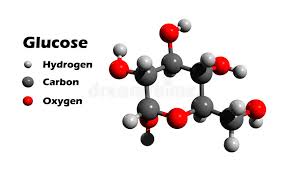
Using the picture above select the vocabulary word that best describes glucose
Same or Different #1. catalyst/enzyme
Same or Different #2. atom/element
Same or Different #3. cohesion/adhesion
Same or Different #4. monomer/polymer
Same or Different #5. exothermic/endothermic
Same or Different #6. substrate/reactant
Same or Different #7. solvent/solute
Same or Different #8. compound/element
Same or Different #9. acid/base
Same or Different #10. enzyme/protein
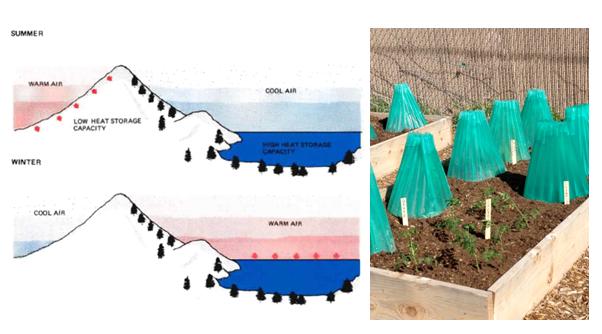
These Wall-O-Water plastic containers mimic nature. They are filled with water and the water absorbs heat energy from the sun during daylight hours and then releases that energy slowly during the night keeping the plants inside protected from early spring freezes. The vocabulary words this describes is the "high specific heat capacity of water".
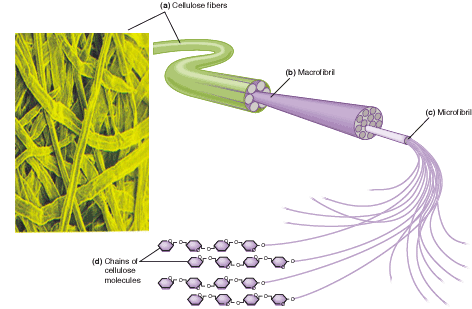
Using the picture above select the vocabulary word that best describes celluose
#1. Phrase: enters a chemical reaction, on the left hand side of a chemical equation
#2. Phrase: atom that has gained or lost electrons
#3 Phrase: held together by covalent bonds
#4 Phrase: dissolves a solute
#5 Phrase: releases a hydrogen ion into a solution
#6 Phrase: reactants have a greater bond energy than products
#7 Phrase: substance that decreases activation energy
#8 Phrase: includes sugars and starches
Find Odd Word #1. Two of these words refer to hydrogen ion concentrations in a solution, select the other word that doesn't.
Find Odd Word #2. Two of these are made of only one substance, select the other word that is made of more than two.
Find Odd Word #3. Two of these words are about shared electrons, select the other word that isn't
Find Odd Word #4. Two of these words are about bond energy that determines which type of a chemical reaction occurs, select the other word that isn't
Using the picture above, select the correct sequence of vocabulary words to represent this equation
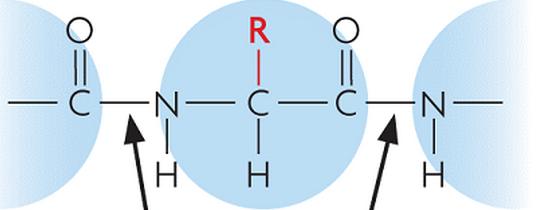
As shown in the picture above, select the vocabulary words that describe the special bonds between amino acids that build proteins.
Situational Vocabulary #1 activation energy
Situational Vocabulary #2 solute
Situational Vocabulary #3 ionic bond
Situational Vocabulary #4 lipid
Situational Vocabulary #5 amino acid
Situational Vocabulary #6 covalent bond
Situational Vocabulary #7 equilibrium
Situational Vocabulary #8 atom
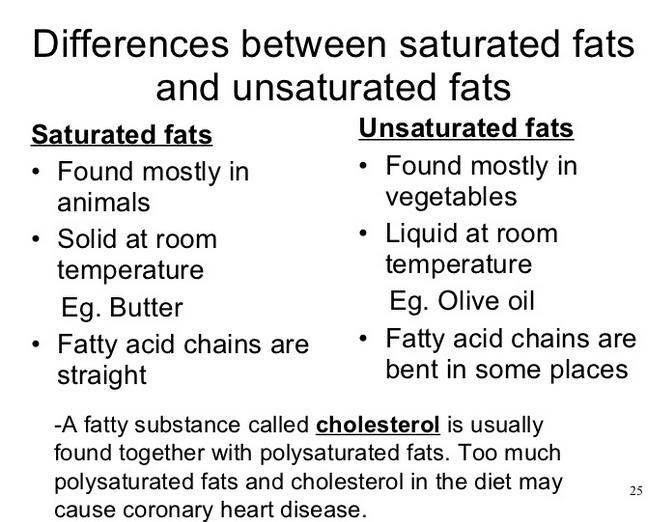
Using the Table above, select the vocabulary word that describes the most healthy types of lipids to consume
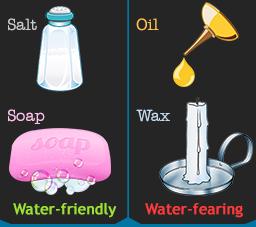
Using the picture above, select the vocabulary word that best describes water loving solvents/solutes
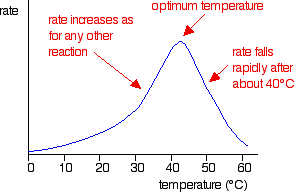
Using the graph above select the best vocabulary word to desribe this optimal range for a reaction occurring in mice
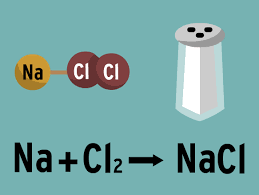
Using the picture above of a chemical equation, what is the vocabulary word that represents the right side of the equation