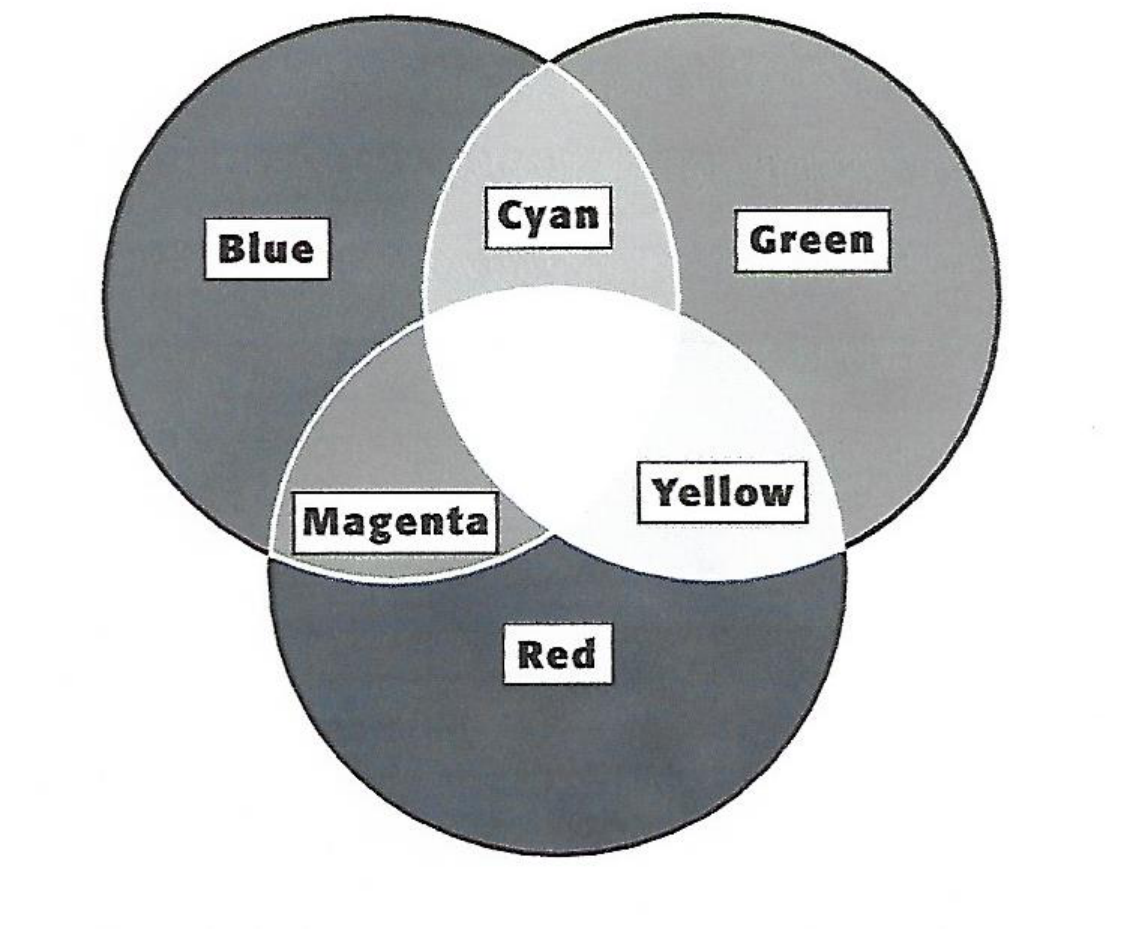
An electromagnetic wave is a wave that
The major source of energy on Earth originates from
Electromagnetic waves are arranged by
For the greatest amount of diffraction to occur when a wave reaches a barrier, the barrier must be
What are objects that produce visible light?
When white light is refracted, the amount that the light bends depends on which of the following?
The color of an opaque object is determined by the colors of light that
The color of a transparent object depends on the color of light that
The figure above is an example of
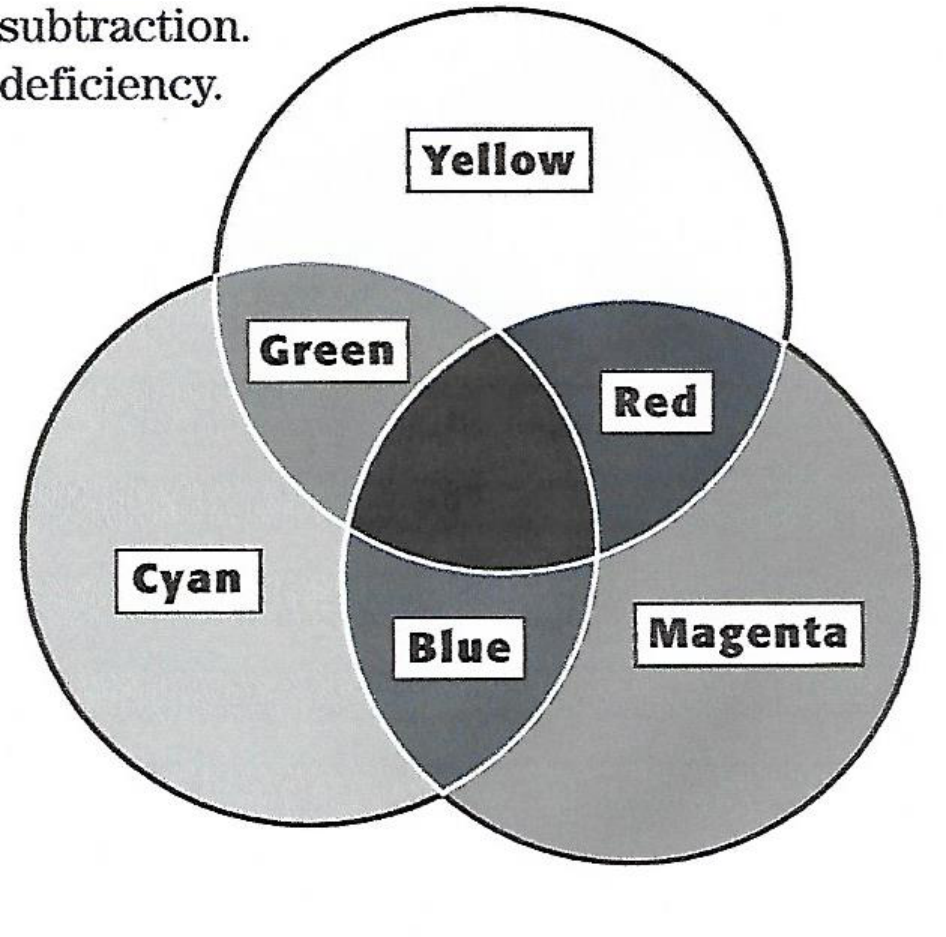
The figure above is an example of
Which of the following occurs when colors of paint are mixed?
The amount that light refracts depends on its
Which of the following kinds of waves are used in radar for detecting the speed of a car?
Which of the following kinds of waves can be used to treat some forms of cancer?
What are electromagnetic waves?
How is the electromagnetic spectrum arranged?
The amount that a wave diffracts depends on what?
Which of the following separates white light into different colors?
Electromagnetic waves are different from other types of waves because they can travel through
Which of the following electromagnetic waves are produced by the sun?
Which light interaction explains why you can see things that do not produce their own light?
You can see through the classroom window because the window is
Electromagnetic waves transmit
Shadows have blurry edges because of
What color of light is produced when red light is added to green light?
Word Bank
absorption opaque scattering diffraction reflection translucent interference refraction transparent color addition color subtraction Law of Reflection Law of Refraction Law of Diffraction interference luminous wavelength electromagnetic spectrum radio waves visible light ultraviolet light infrared light X rays gamma rays microwaves
The smoothness of a surface determines the __________ of light from the surface.
Word Bank
absorption opaque scattering diffraction reflection translucent interference refraction transparent color addition color subtraction Law of Reflection Law of Refraction Law of Diffraction interference luminous wavelength electromagnetic spectrum radio waves visible light ultraviolet light infrared light X rays gamma rays microwaves
Colors of ____________ objects are determined by the color of light they reflect.
Word Bank
absorption opaque scattering diffraction reflection translucent interference refraction transparent color addition color subtraction Law of Reflection Law of Refraction Law of Diffraction interference luminous wavelength electromagnetic spectrum radio waves visible light ultraviolet light infrared light X rays gamma rays microwaves
Feeling an increase in temperature is the result of the ___________ of infrared waves.
Word Bank
absorption opaque scattering diffraction reflection translucent interference refraction transparent color addition color subtraction Law of Reflection Law of Refraction Law of Diffraction interference luminous wavelength electromagnetic spectrum radio waves visible light ultraviolet light infrared light X rays gamma rays microwaves
When two or more light waves overlap and combine, ____________occurs.
Word Bank
absorption opaque scattering diffraction reflection translucent interference refraction transparent color addition color subtraction Law of Reflection Law of Refraction Law of Diffraction interference luminous wavelength electromagnetic spectrum radio waves visible light ultraviolet light infrared light X rays gamma rays microwaves
Light is most easily transmitted through ___________ objects.
Word Bank
absorption opaque scattering diffraction reflection translucent interference refraction transparent color addition color subtraction Law of Reflection Law of Refraction Law of Diffraction interference luminous wavelength electromagnetic spectrum radio waves visible light ultraviolet light infrared light X rays gamma rays microwaves
An EM wave that can cause sunburn is called_________________.
Word Bank
absorption opaque scattering diffraction reflection translucent interference refraction transparent color addition color subtraction Law of Reflection Law of Refraction Law of Diffraction interference luminous wavelength electromagnetic spectrum radio waves visible light ultraviolet light infrared light X rays gamma rays microwaves
Light you can see is called _____________.
Word Bank
absorption opaque scattering diffraction reflection translucent interference refraction transparent color addition color subtraction Law of Reflection Law of Refraction Law of Diffraction interference luminous wavelength electromagnetic spectrum radio waves visible light ultraviolet light infrared light X rays gamma rays microwaves
EM waves that can be used to treat cancer are called _______________.
Word Bank
absorption opaque scattering diffraction reflection translucent interference refraction transparent color addition color subtraction Law of Reflection Law of Refraction Law of Diffraction interference luminous wavelength electromagnetic spectrum radio waves visible light ultraviolet light infrared light X rays gamma rays microwaves
EM waves that make whatever they strike feel warmer are called _______________.
Word Bank
absorption opaque scattering diffraction reflection translucent interference refraction transparent color addition color subtraction Law of Reflection Law of Refraction Law of Diffraction interference luminous wavelength electromagnetic spectrum radio waves visible light ultraviolet light infrared light X rays gamma rays microwaves
EM waves used by cellular phones are called _____________.
Word Bank
absorption opaque scattering diffraction reflection translucent interference refraction transparent color addition color subtraction Law of Reflection Law of Refraction Law of Diffraction interference luminous wavelength electromagnetic spectrum radio waves visible light ultraviolet light infrared light X rays gamma rays microwaves
EM waves used to broadcast television signals are called _________________.
Word Bank
absorption opaque scattering diffraction reflection translucent interference refraction transparent color addition color subtraction Law of Reflection Law of Refraction Law of Diffraction interference luminous wavelength electromagnetic spectrum radio waves visible light ultraviolet light infrared light X rays gamma rays microwaves
EM waves used to see inside suitcases without opening them are called ______________.
Word Bank
absorption opaque scattering diffraction reflection translucent interference refraction transparent color addition color subtraction Law of Reflection Law of Refraction Law of Diffraction interference luminous wavelength electromagnetic spectrum radio waves visible light ultraviolet light infrared light X rays gamma rays microwaves
X rays, gamma rays, radio waves and microwaves are all part of the __________________.
Word Bank
absorption opaque scattering diffraction reflection translucent interference refraction transparent color addition color subtraction Law of Reflection Law of Refraction Law of Diffraction interference luminous wavelength electromagnetic spectrum radio waves visible light ultraviolet light infrared light X rays gamma rays microwaves
The ___________________ states that the angle of incidence equals the angle of reflection.
Word Bank
absorption opaque scattering diffraction reflection translucent interference refraction transparent color addition color subtraction Law of Reflection Law of Refraction Law of Diffraction interference luminous wavelength electromagnetic spectrum radio waves visible light ultraviolet light infrared light X rays gamma rays microwaves
The most energenic waves of the EM spectrum are __________________.
A wave interaction in which a ray of light, sound, or heat bounces off a surface that it does not go through.
A wave interaction in which a wave bends as it passes between two substances in which the speed of the wave differs.
A wave interaction in which a wave encounters an obstacle or an edge and changes direction.
A wave interaction in which the energy carried by light waves is transferred to particles of matter.
This wave has the most energy in the EM spectrum.
A wave interaction that happens when two or more waves overlap and the resulting wave has a greater amplitude.
A wave interaction that happens when two or more waves overlap and the resulting wave has a smaller
amplitude.
This wave makes whatever it strikes feel warmer.
A wave interaction with matter that causes light to change its energy, direction of motion, or both.
This wave is used to broadcast television signals.