Chapter 1 Test

Last updated about 5 years ago
50 questions
MATCHING
-Complete the following questions by clicking on the correct answer. Only one answer is correct. (2 pts. each)
2

What does all matter have, whether it is moving or still?

2

What must you find out after conducting an experiment and collecting data?

2

Which tools can be used for collecting and analyzing data?

2

Where do scientists publish the results of their experiments?

2

Which is an example of a conceptual model?

2

Which of the following is the best definition of science?

2

What is physical science mainly about?

2

What are the two main branches of physical science?

2

Before asking questions, what is a scientist likely to do?

2

What are some methods of communicating the results of scientific investigations?

2

What is a scientific model?

2

What type of scientific model could best be used to predict the weather?

2

How many milliliters are in 3.5 kL?

2

Why is the International System of Units important?

2

Which of the following is a good safety rule to follow?

2

What kinds of scientists use their knowledge of heat, force and chemistry to understand how rocks and soil have changed over millions of years?

2

What is matter?

2

What is energy?

2

The scientific process begins with asking questions and

2

What do scientists use to represent a system or an object?

2

Measuring something is one way of

2

Often, the first step in gathering scientific knowledge is

2

Which of these might a scientist use to communicate scientific results?

2

How can organizing data into tables and graphs help scientists analyze their data?

2

What is physics?

COMPLETION
-Complete the following questions by selecting the correct answer from the word bank. Misspelled words will be marked as incorrect. Some answers may be used more than once, others may not be used at all. (2 pts. each)
conceptual model, mathematical model, physical model, meteorologist, geochemist, biologist, hypothesis, law, chemistry, matter, energy, physics, data, observations, physical science, theory, mass, volume, temperature, density
2

A ______________________ can be used to predict storms around the world.

conceptual model, mathematical model, physical model, meteorologist, geochemist, biologist, hypothesis, law, chemistry, matter, energy, physics, data, observations, physical science, theory, mass, volume, temperature, density
2

A ________________________ uses physical science to understand how animal get energy from food.

conceptual model, mathematical model, physical model, meteorologist, geochemist, biologist, hypothesis, law, chemistry, matter, energy, physics, data, observations, physical science, theory, mass, volume, temperature, density
2

A ___________________________ uses physical science to understand heat, force and chemistry of the Earth's crust.

conceptual model, mathematical model, physical model, meteorologist, geochemist, biologist, hypothesis, law, chemistry, matter, energy, physics, data, observations, physical science, theory, mass, volume, temperature, density
2

The statement "gravity is the attractive force between objects," is a scientific ____________________________.

conceptual model, mathematical model, physical model, meteorologist, geochemist, biologist, hypothesis, law, chemistry, matter, energy, physics, data, observations, physical science, theory, mass, volume, temperature, density
2

Physical science includes the study of _______________________ and ________________________.

conceptual model, mathematical model, physical model, meteorologist, geochemist, biologist, hypothesis, law, chemistry, matter, energy, physics, data, observations, physical science, theory, mass, volume, temperature, density
2

The science concerning the study of energy and how it affects matter is called _____________________________.

conceptual model, mathematical model, physical model, meteorologist, geochemist, biologist, hypothesis, law, chemistry, matter, energy, physics, data, observations, physical science, theory, mass, volume, temperature, density
2

The study of matter and energy is called _______________________________________.

conceptual model, mathematical model, physical model, meteorologist, geochemist, biologist, hypothesis, law, chemistry, matter, energy, physics, data, observations, physical science, theory, mass, volume, temperature, density
2

A stopwatch, a balance, a thermometer, a calculator and a computer are all tools used to collect and analyze ________________________.

conceptual model, mathematical model, physical model, meteorologist, geochemist, biologist, hypothesis, law, chemistry, matter, energy, physics, data, observations, physical science, theory, mass, volume, temperature, density
2

The measure of the size of an object is its _________________________________.

conceptual model, mathematical model, physical model, meteorologist, geochemist, biologist, hypothesis, law, chemistry, matter, energy, physics, data, observations, physical science, theory, mass, volume, temperature, density
2

The amount of matter in an object is its _______________________________.

MATCHING
-Complete the following matching questions by clicking on the correct answer. Only one answer is correct. (2 pts. each)
2

Which is the study of how energy affects matter?

2

What is the study of substances made of carbon called?

2

What is the name of the study of all forms of matter?

2

What focuses an investigation?

2

Explains many hypotheses and observations

2

Represents an object or system

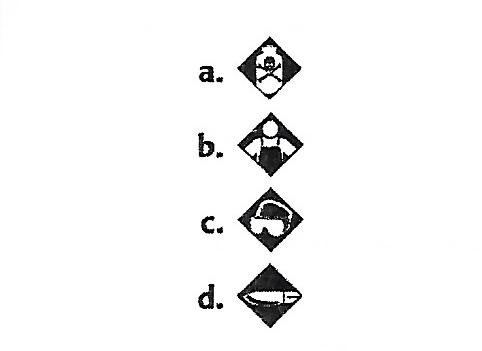
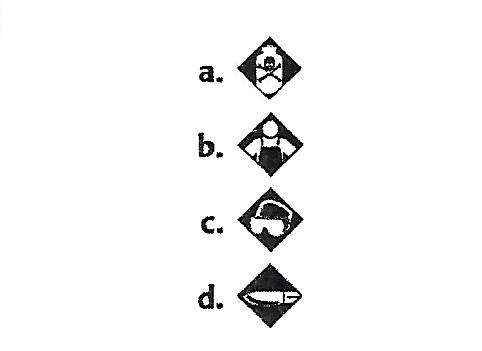
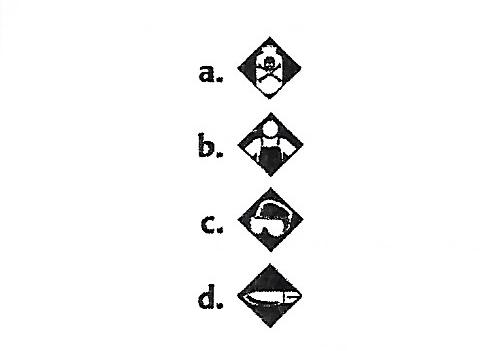
Match the labels to the icons below:
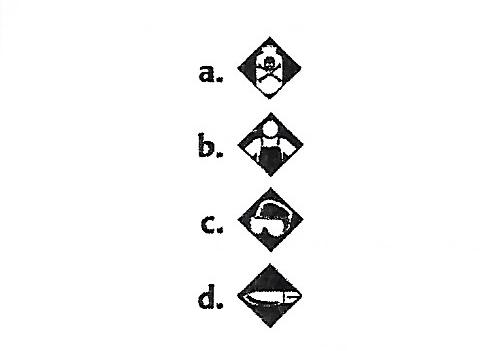
2

sharp object

2

clothing protection

2

chemical safety

2

eye protection

SHORT ANSWER
-Write in complete sentences to answer the following questions. One or two word responses will earn NO credit. Logically connect your thoughts and answer the question that is asked, not the question you think has been asked! (2 pts. each)
2

What is the main difference between a theory and a law in science?

2

What does S.I. stand for?

2

Name two safety rules of science.

2

What are scientific methods? List seven steps used when following scientific methods.

2

List the three types of models used in science and supply an example of each.

Do NOT forget to turn in this assignment on Google Classroom after you have submitted it here! No credit will be awarded for unsubmitted assignments.