Evolution Quiz
star
star
star
star
star
Last updated over 8 years ago
21 Nsɛmmisa
4
4
4
4
4
4
4
4
4
4
8
4
8
4
4
4
4
4
4
4
12
A group of organisms that can mate and produce fertile offspring is called a what?
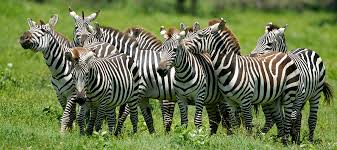
Differences between members of the same species.
Only traits that are controlled by ________ can be acted on by natural selection.
The preserved remains or traces of an organism that lived in the past are known as ______________.
All the millions of fossils that scientists have collected are part of the _______________________________.
An inherited characteristic that improves the chance for an organism to survive and reproduce is know as a what?
Organisms are best suited to their environment and are most likely to survive and reproduce represents the process of...
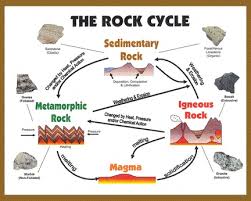
Most fossils are found in what type of rock?
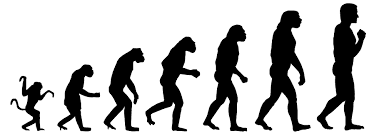
The gradual change in a species over time.
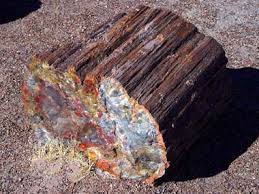
When minerals replace bone, what kind of fossil is formed?
A horse and a donkey can mate with each other. Their offspring, called the mule, is not fertile Explain . Do horses and donkeys belong in the same species? Why or why not?
Fossils of dinosaurs can be found in amber.
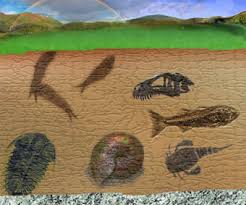
Circle the oldest fossil in RED, Circle the youngest fossil in BLUE.
Charles Darwin sailed around the world and collected data, which lead to his Theory of Evolution by Natural Selection, while aboard the HMS Beagle.
In order for a trait to be passed on to it's offspring and be subject to the process of natural selection it must be...
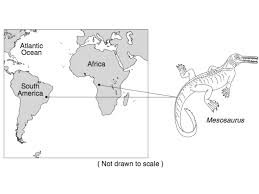
Use the pic above to answer the following question.Which statement best explains why these freshwater Mesosaurus fossils are found in some rock layers in both South America and Africa?
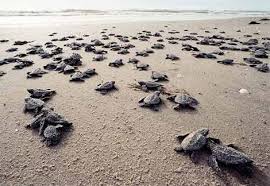
The process of natural selection where many more offspring are produced than can survive.
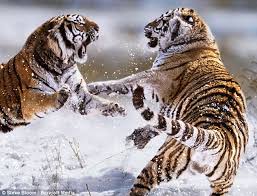
The process in natural selection where organisms in a species fight each other for food, water, mates...
Differences between individuals of the same species.
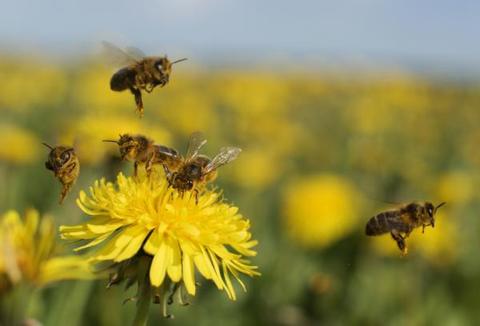
The symbiotic relationship between bees and flowers is one in which both benefit.
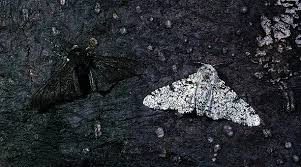
Circle the predator in red. Circle the prey with a beneficial (good) adaptation in green, Circle the prey with a detrimental (bad) adaptation in blue.