Totalitarianism Test 2018
star
star
star
star
star
Last updated over 8 years ago
35 Nsɛmmisa
2
1
1
1
1
1
1
1
1
1
1
1
1
1
1
1
1
1
1
1
1
1
1
1
1
1
1
1
1
1
1
1
1
The overall Russian Revolution was made up of 2 revolutions which both occurred in 1917. What were the names of those revolutions?
What was one cause of the first revolution in Russia?
What was one cause of the second revolution in 1917 Russia?
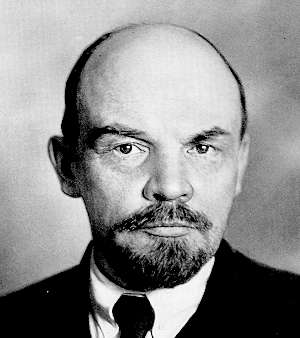
Vladimir Lenin was the leader of what political group?
Lenin's group became known as the ________ _____________ during the Russian Civil War.
What party ruled the Soviet Union for over 70 years?
Who came to power in the Soviet Union after Lenin died?
What type of government has total control of the public and private lives of the people?
Which is a characteristic of totalitarian rule?
Which is a characteristic of totalitarian rule?
What was one appeal of totalitarianism following WWI?
The decade following WWI is often referred to as the Age of _______.
The American writers who traveled through Europe after WWI searching for the meaning of life were referred to as the _________.
What was the Weimar Republic?
What did the German's blame on the Weimar Republic?
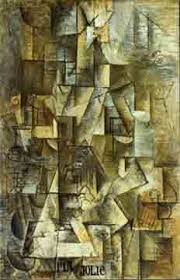
The picture above is an example of which art style?
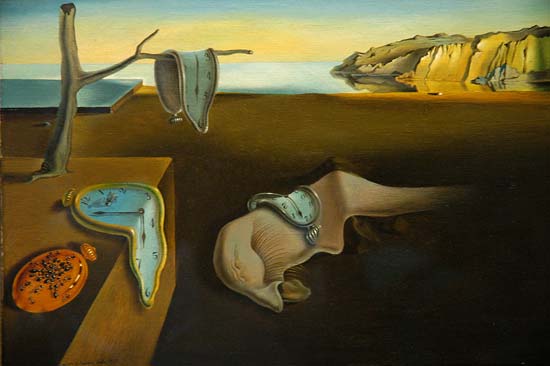
The picture above is an example of which art style?
Which fascist leader came to power legally when he was appointed by President Hindenburg?
Which fascist leader came to power legally when he was given power by King Victor Emmanuel?

Use the chart above to identify which column is describing communism and which is describing fascism. Is column 'A' describing communism or fascism?
Use the chart above to identify which column is describing communism and which is describing fascism. Is column 'B' describing communism or fascism?
Which totalitarian leader would complete the chart in cell 'C'?
Which totalitarian leader would complete the chart in cell 'D'?
Which group suffered under Italian fascists?
Which group suffered under German fascists?
Which group suffered under Soviet communists?
Is censorship a characteristic of fascism, communism, or both?
Is a classless society a characteristic of fascism, communism, or both?
Is indoctrination a characteristic of fascism, communism, or both?
Is the use of secret police a characteristic of fascism, communism, or both?
Is one powerful dictator a characteristic of fascism, communism, or both?
Is one party rule a characteristic of fascism, communism, or both?
Is using special salutes a characteristic of fascism, communism, or both?
Is the goal to unite workers worldwide a characteristic of fascism, communism, or both?
Is denying individual rights a characteristic of fascism, communism, or both?