A complete formative lesson with embedded slideshow, mini lecture screencasts, checks for understanding, practice items, mixed review, and reflection. I create these assignments to supplement each lesson of Pearson's Common Core Edition Algebra 1, Algebra 2, and Geometry courses. See also mathquest.net and twitter.com/mathquestEDU.

20 points
20
Question 1
1.
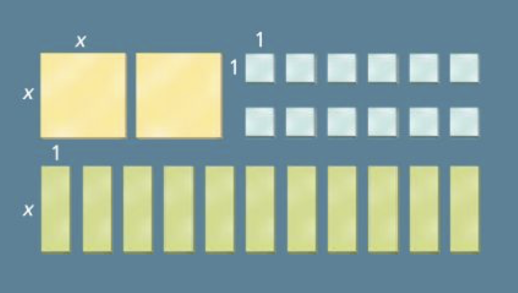
Solve It! Can you arrange all of these pieces to make a rectangle with no pieces overlapping and no gaps?
The pieces have been recreated as virtual algebra tiles in a Google Drawing.
1. Click here to create a copy of that Google Drawing.
2. Arrange the tiles on the Google Drawing to form a rectangle with no pieces overlapping and no gaps.
3. Take a screenshot of your completed work.
4. Upload your screenshot to the canvas. Resize if necessary.
10 points
10
Question 2
2.
Problem 1 Got It?
10 points
10
Question 3
3.
Problem 1 Got It?
10 points
10
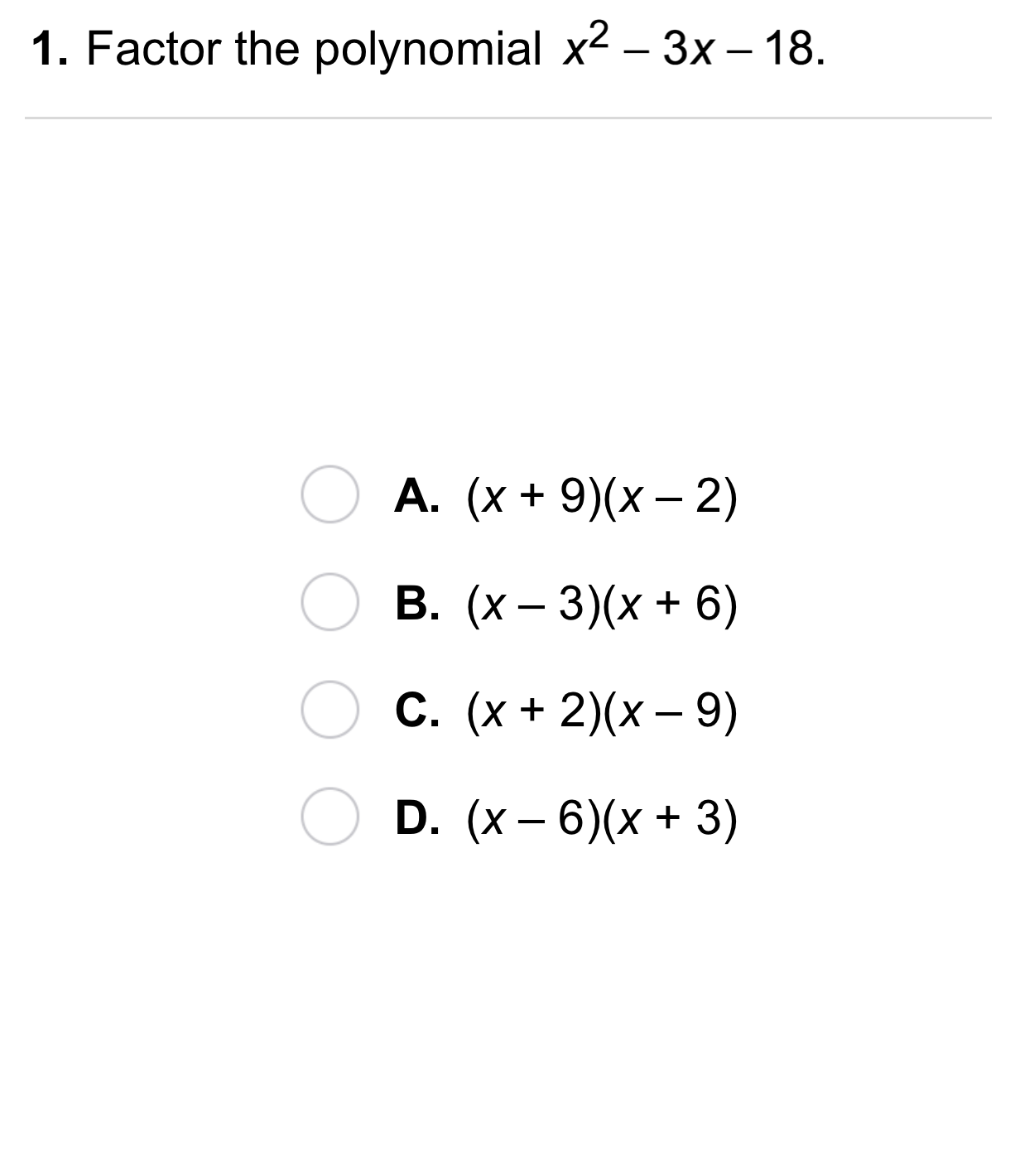
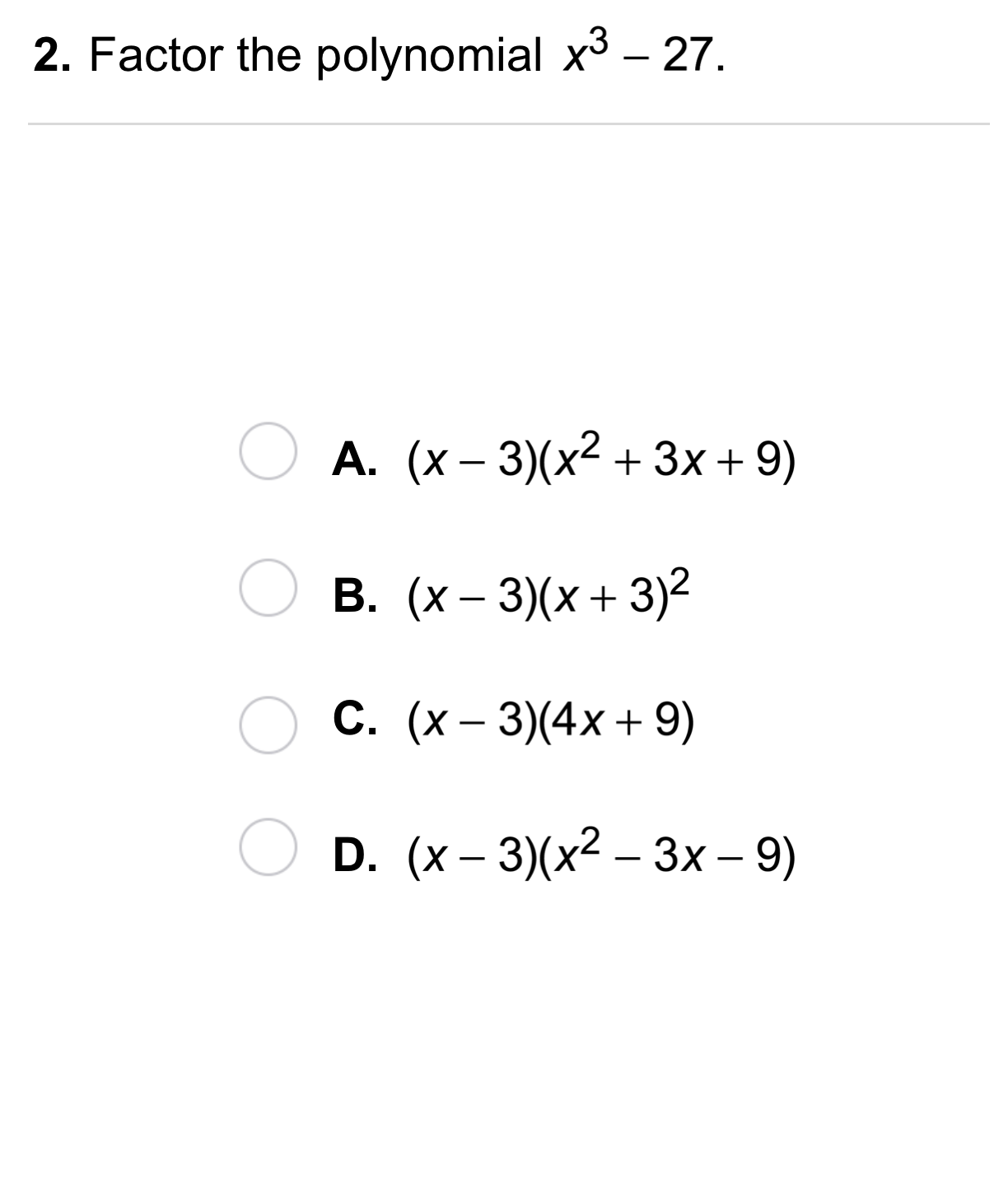
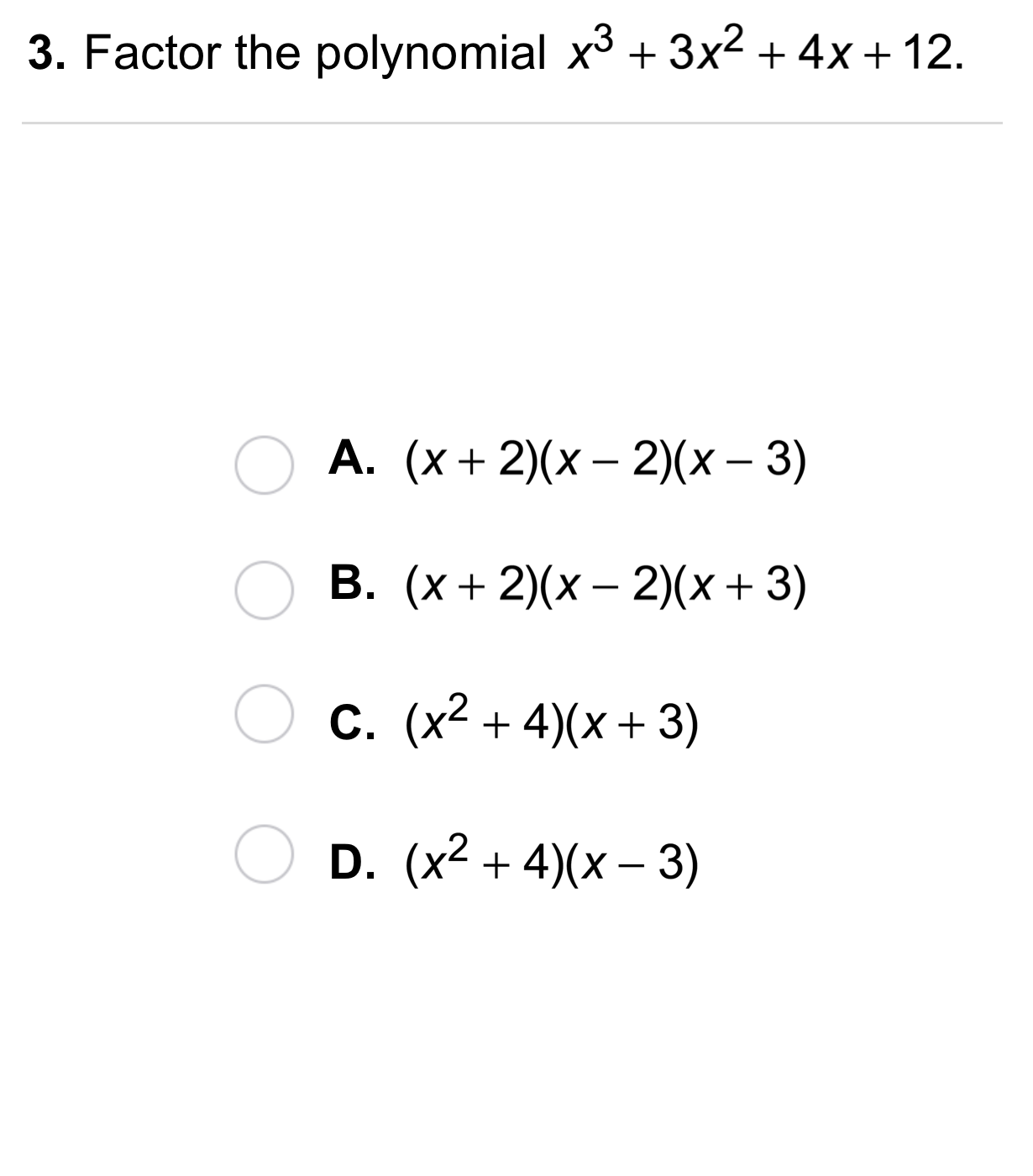
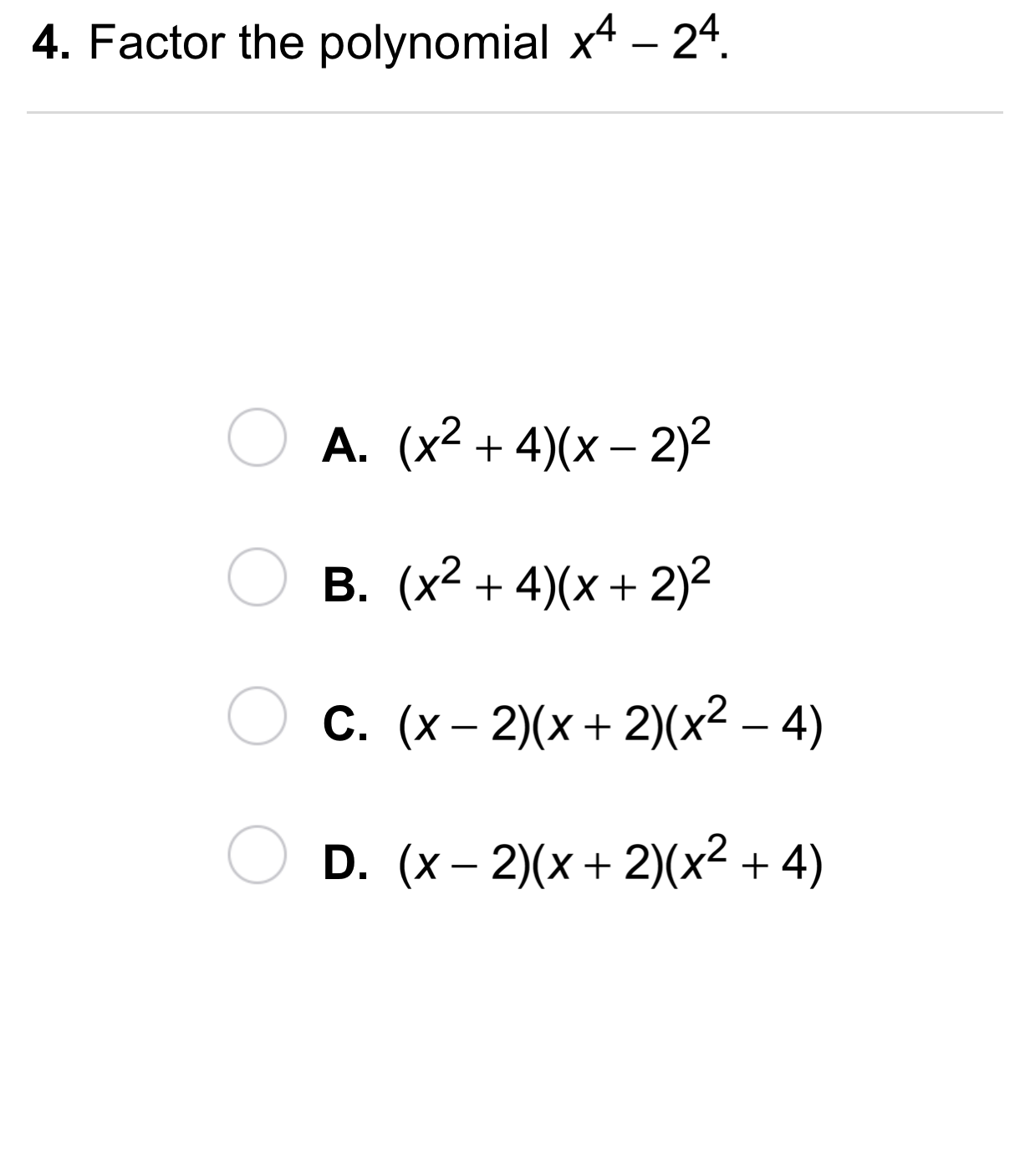
Question 4
4.
Problem 2 Got It?
10 points
10
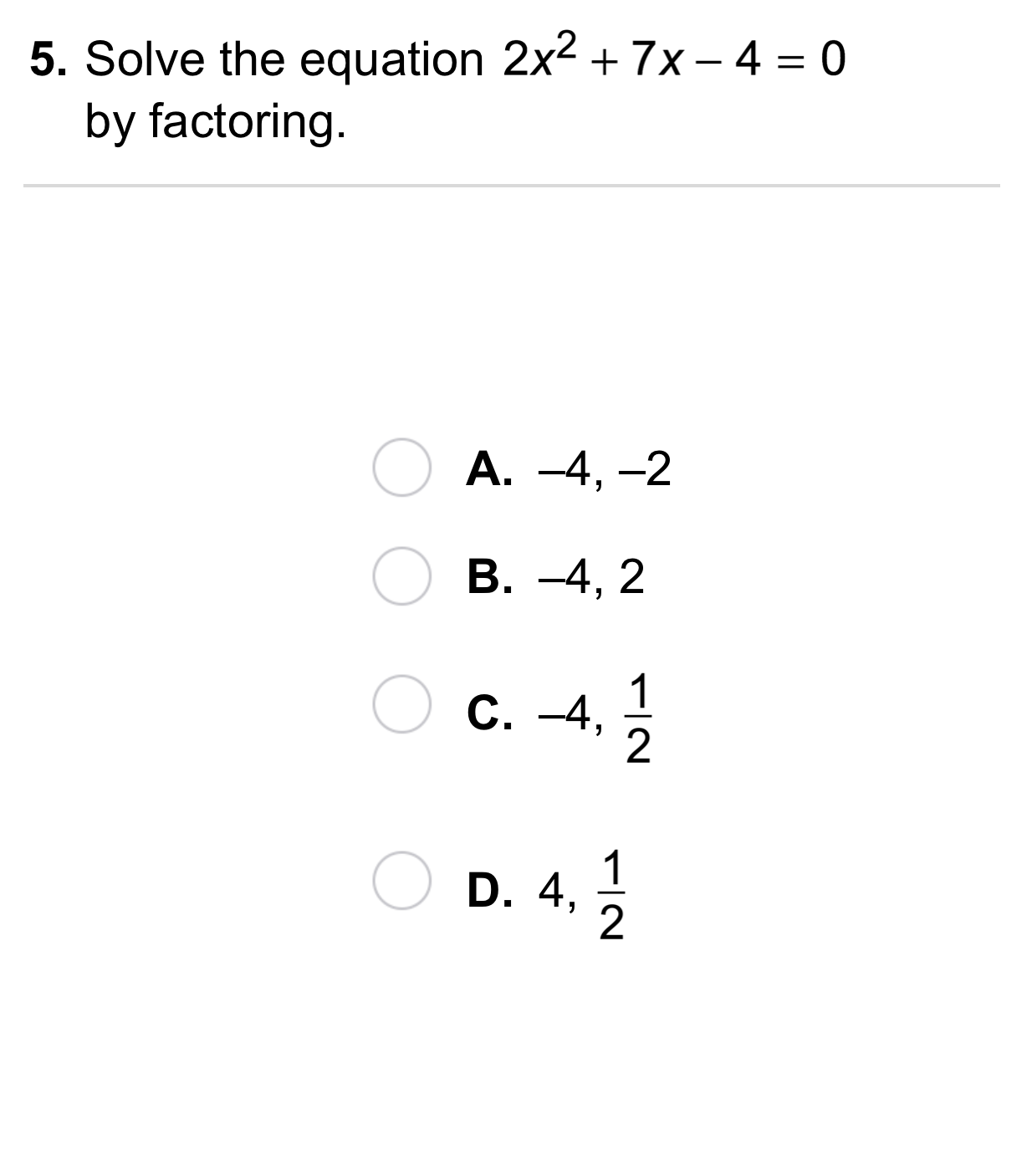
Question 5
5.
Problem 2 Got It?
10 points
10
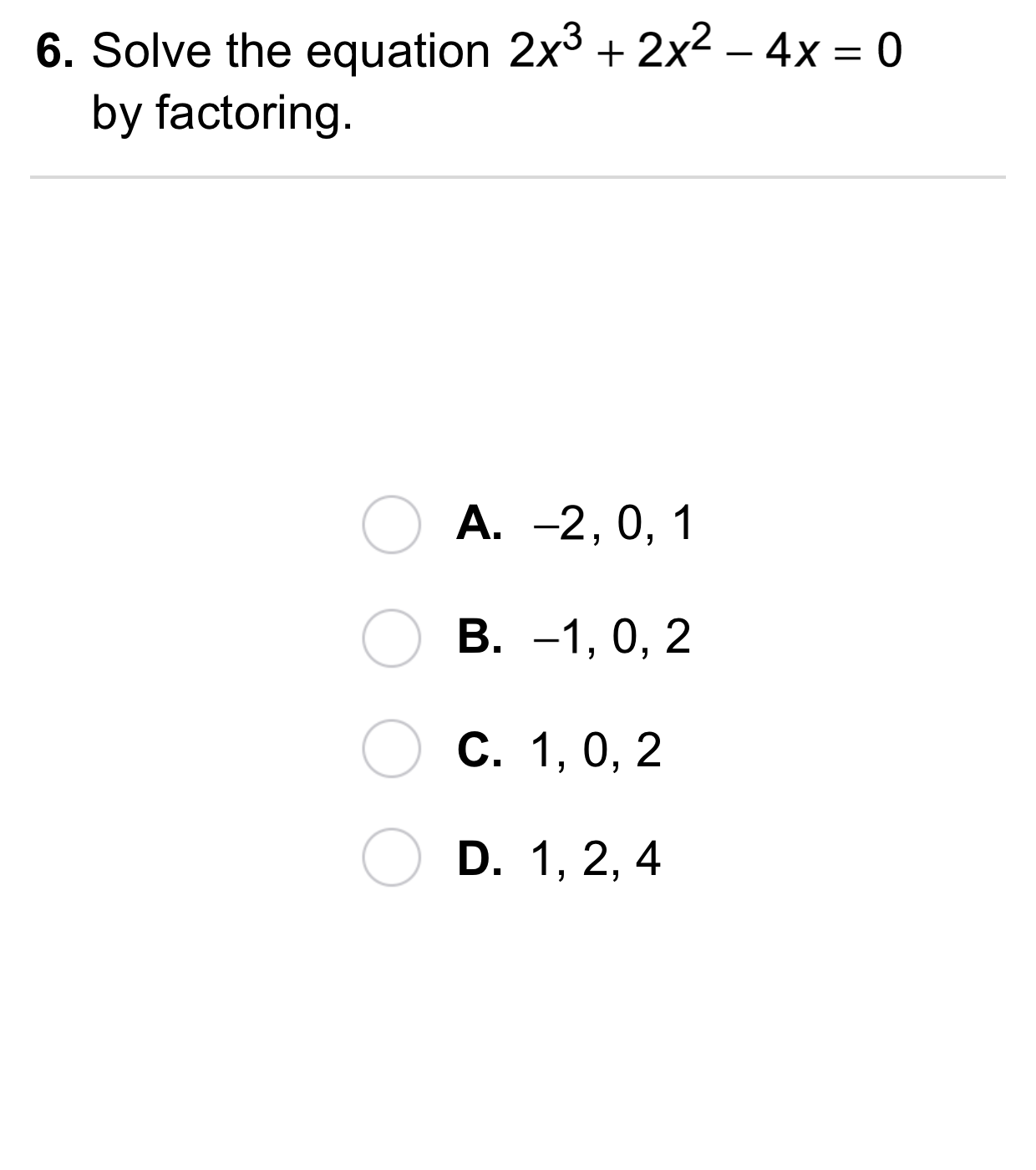
Question 6
6.
Problem 2 Got It?
10 points
10
Question 7
7.
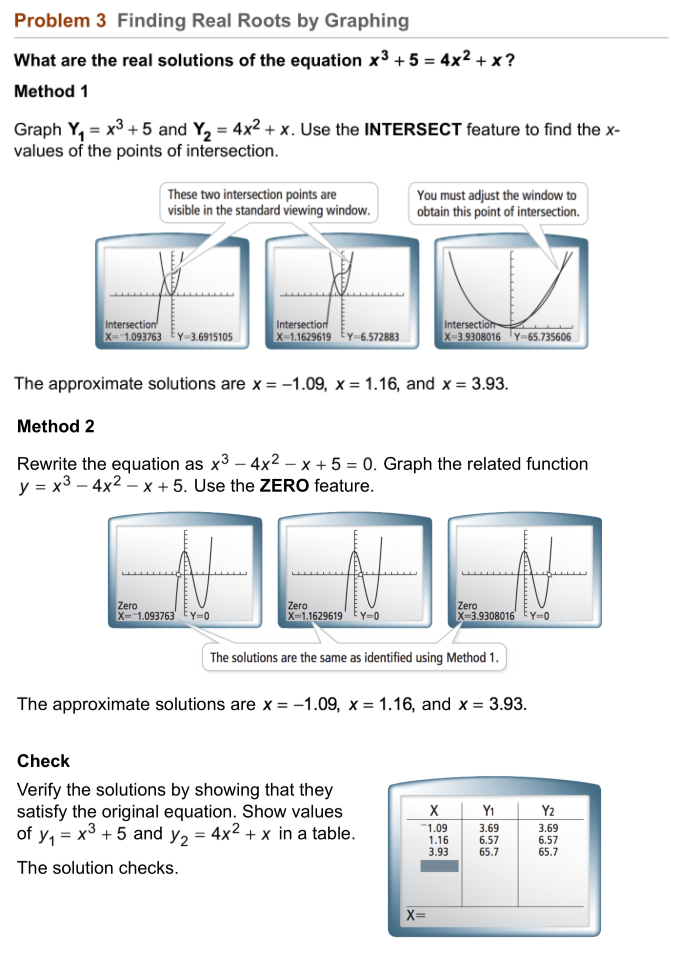
Problem 3 Got It? What are the real solutions of the equation? Select all that apply.
10 points
10
Question 8
8.
Problem 3 Got It? Reasoning: In Problem 3, which method seems to be an easier and more reliable way to find the solutions of an equation? Explain.
10 points
10
Question 9
9.
Problem 4 Got It?
10 points
10
Question 10
10.
10 points
10
Question 11
11.
10 points
10
Question 12
12.
10 points
10
Question 13
13.
10 points
10
Question 14
14.
10 points
10
Question 15
15.
10 points
10
Question 16
16.
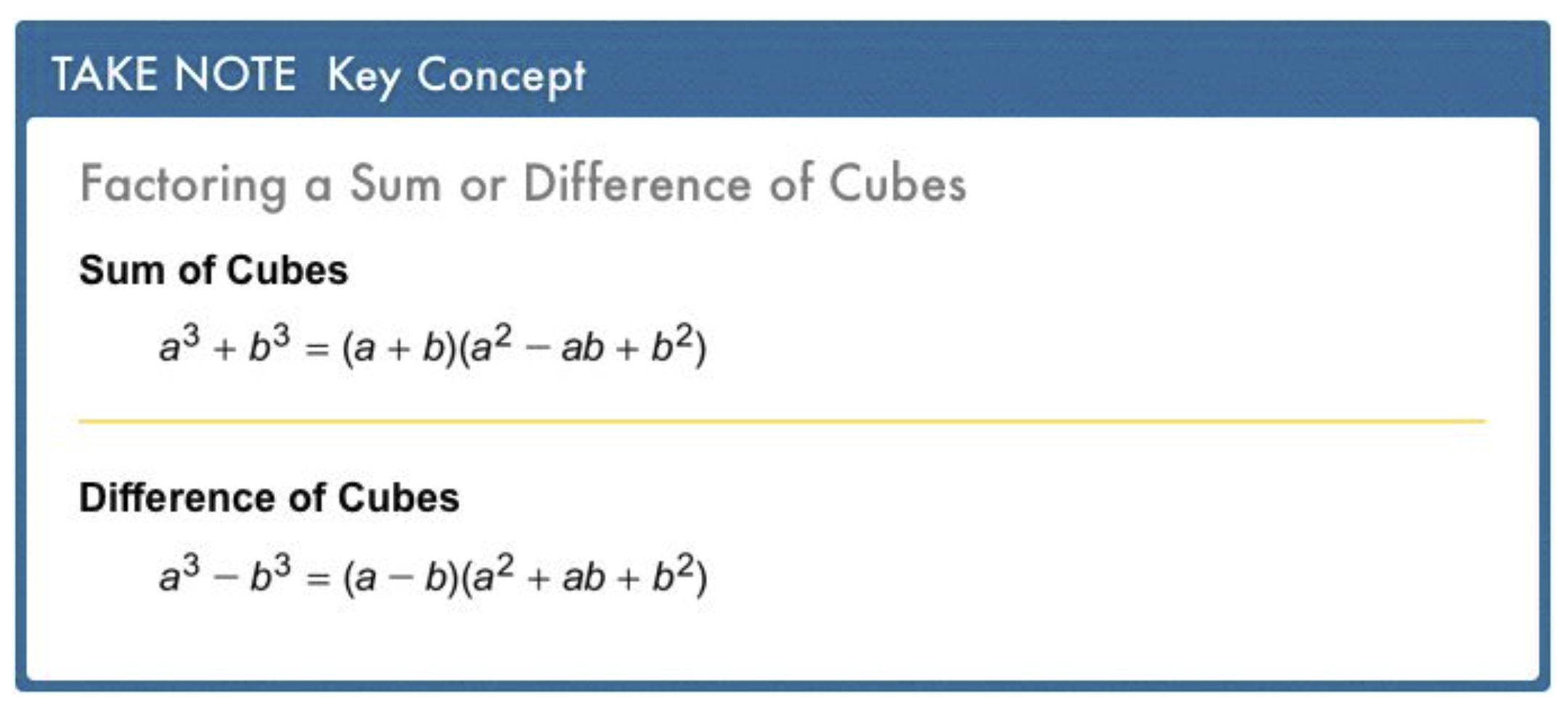
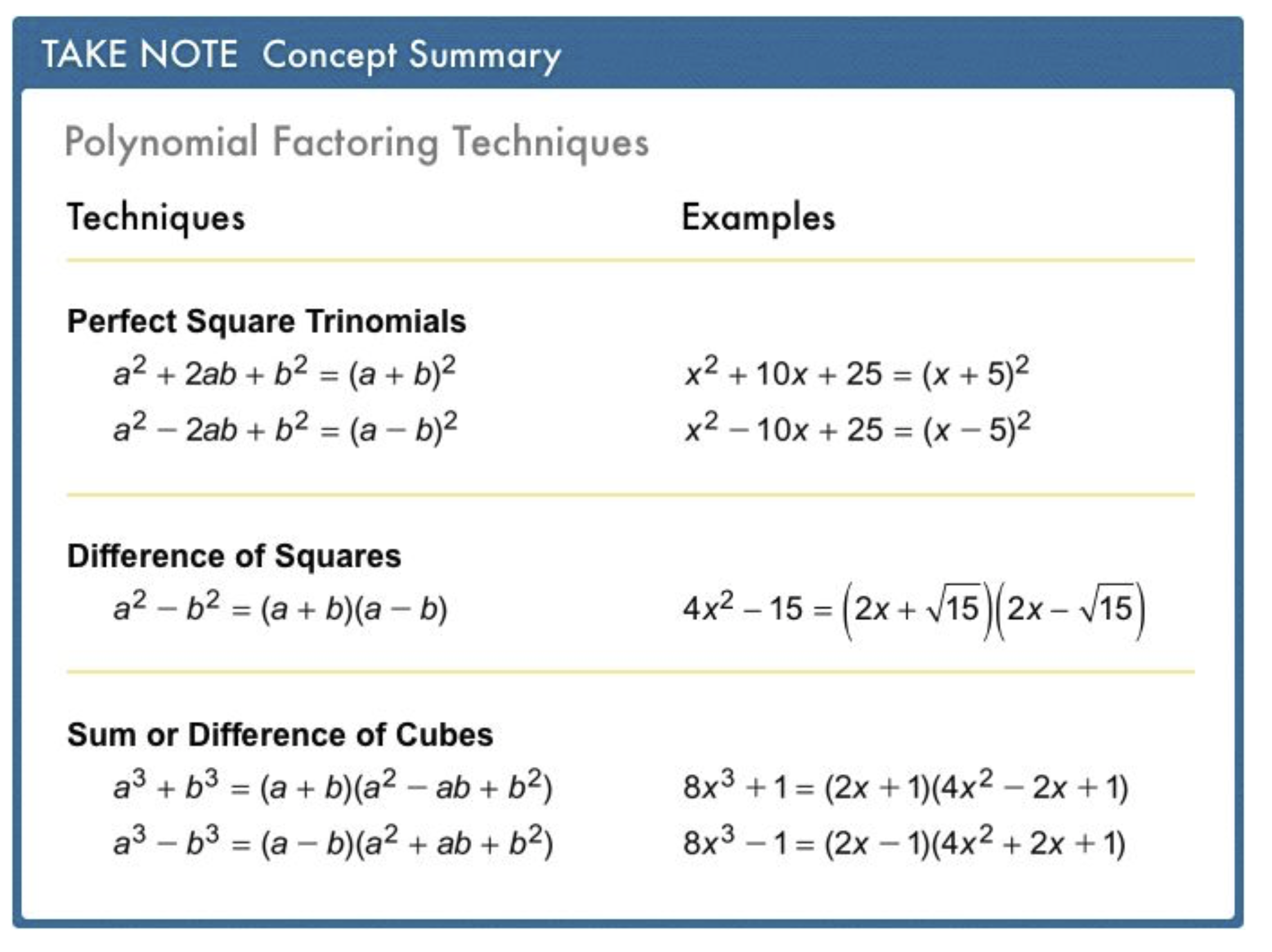
Vocabulary: Identify the expression as a sum of cubes, difference of cubes, or difference of squares.
10 points
10
Question 17
17.
Vocabulary: Identify the expression as a sum of cubes, difference of cubes, or difference of squares.
10 points
10
Question 18
18.
Vocabulary: Identify the expression as a sum of cubes, difference of cubes, or difference of squares.
10 points
10
Question 19
19.
Vocabulary: Identify the expression as a sum of cubes, difference of cubes, or difference of squares.
10 points
10
Question 20
20.
Vocabulary: Identify the expression as a sum of cubes, difference of cubes, or difference of squares.
10 points
10
Question 21
21.
Reasoning: Which method of solving polynomial equations will not identify the imaginary roots? Explain.
10 points
10
Question 22
22.
Reasoning: Show two different ways to find the real roots of the polynomial equation. Show your steps.
10 points
10
Question 23
23.
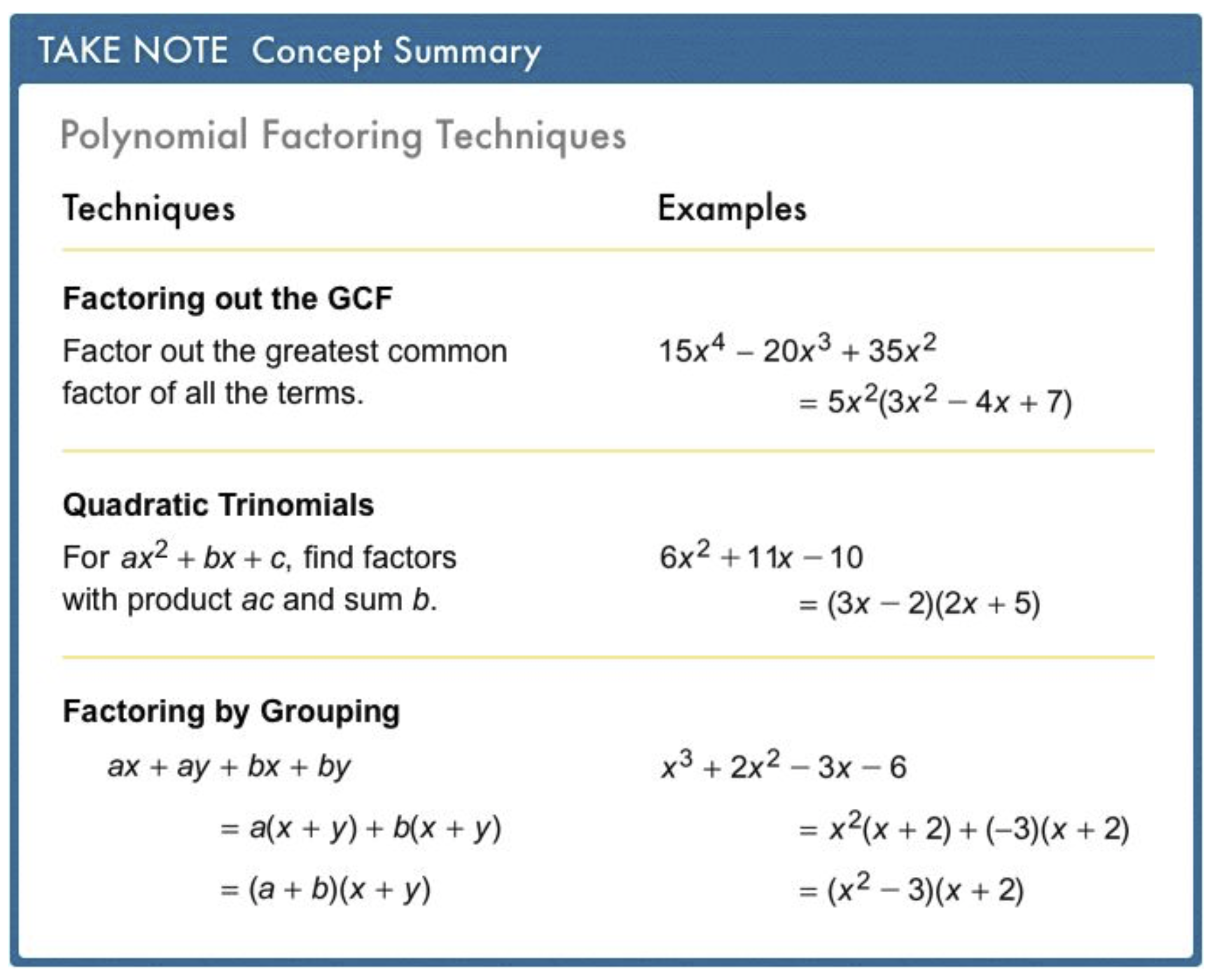
Review Lesson 5-2: Write the polynomial in factored form. Check by multiplication.
10 points
10
Question 24
24.
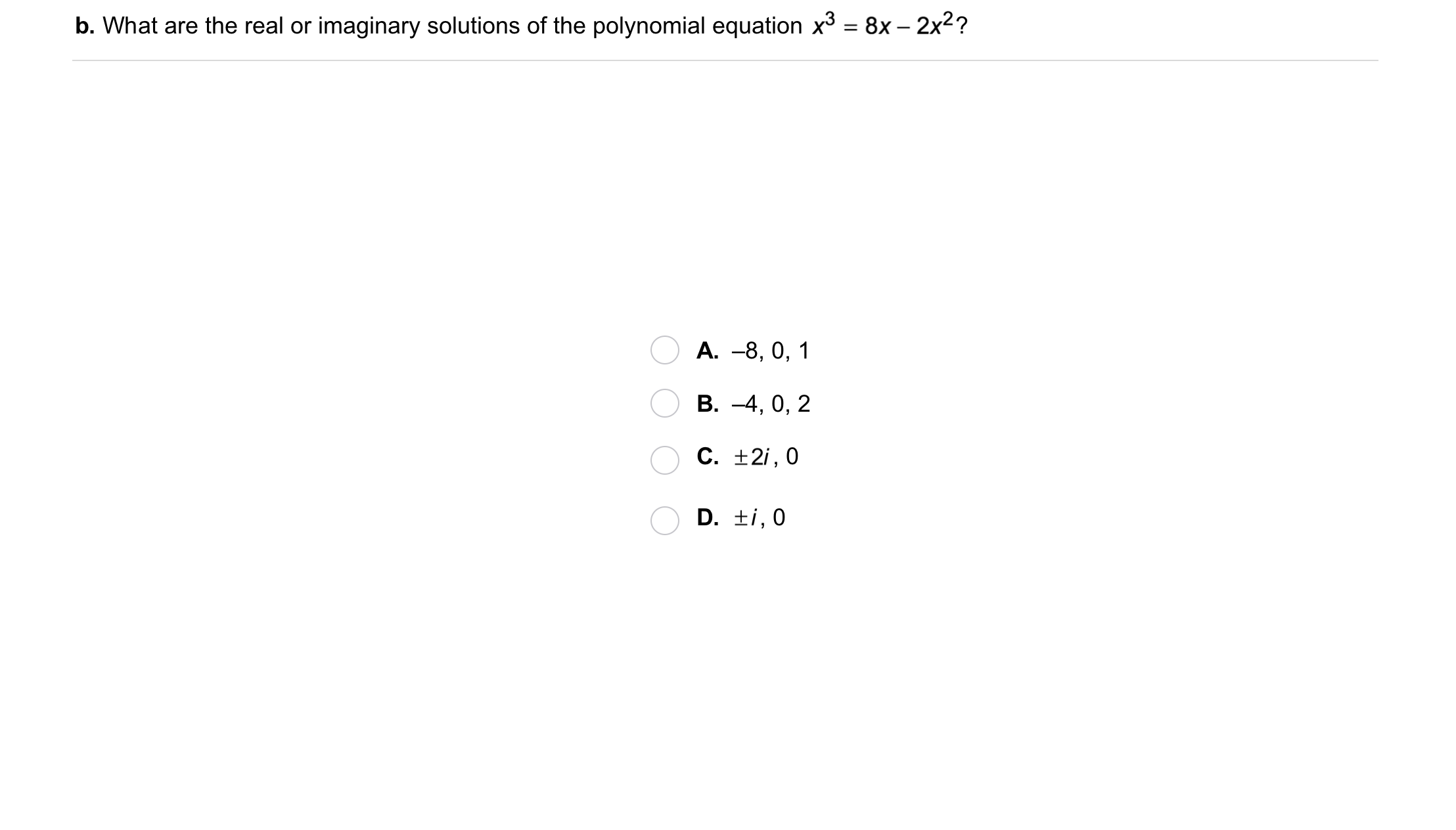
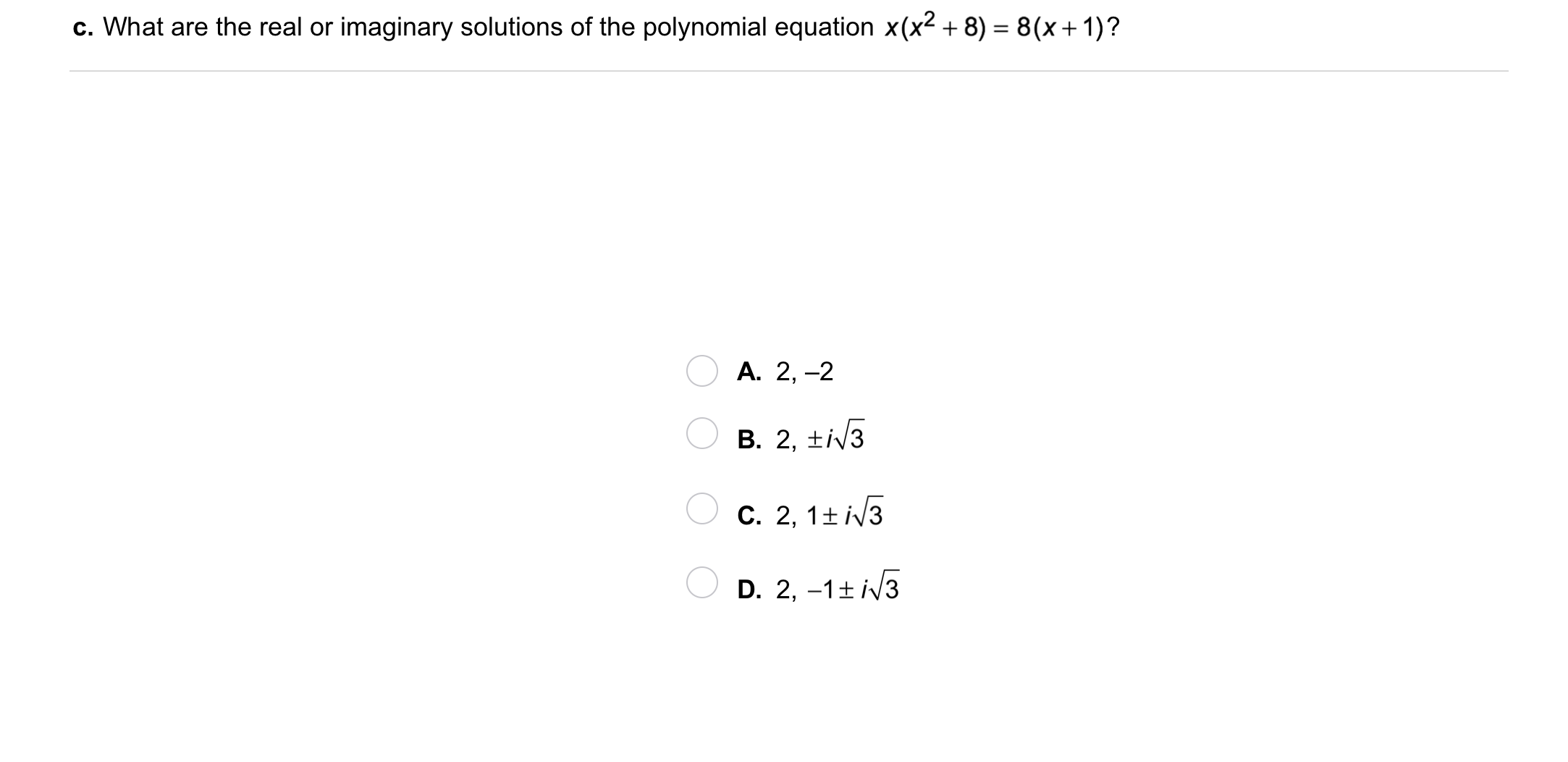
Review Lesson 4-5: Solve the equation by factoring. Show your work on the canvas. Check your answers. Write your solution(s) in the space provided.
10 points
10
Question 25
25.
Review Lesson 1-3: Evaluate the expression for the fiven values of the variables. Enter only a number.
x = 1 and y = -2
10 points
10
Question 26
26.
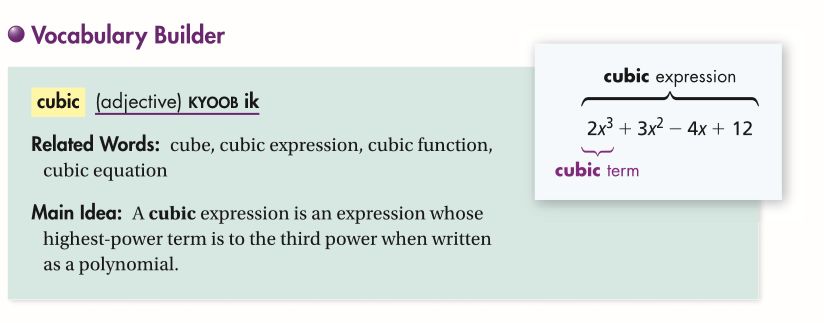
Use Your Vocabulary: Identify the polynomial that is NOT a cubic expression.
10 points
10
Question 27
27.
Use Your Vocabulary: Identify the coefficent of each cubic term.
-3
2
1
-2
-5
6
100 points
100
Question 28
28.
Notes: Take a clear picture or screenshot of your Cornell notes for this lesson. Upload it to the canvas. Zoom and pan as needed.
For a refresher on the Cornell note-taking system, click here.