SURVEY/POSTTEST - LIVING SYSTEMS
star
star
star
star
star
Last updated over 8 years ago
18 Nsɛmmisa
Hyɛ no nsow a efi ɔkyerɛwfo no hɔ:
Living Systems Survey/Postest
2

2
2
2
2
2
2
3
3
2
2
2
2
2
2
2

4
4
Living Systems Survey/Postest
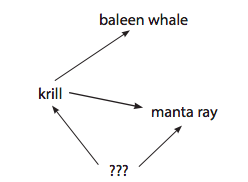
Which organism best replaces the ??? in the food web shown above?
One possible explanation for this decrease is _____.
Mark X next to the statements that describe how marine and terrestrial ecosystems are alike.
What is the role played by redworms in an ecosystem? Mark X next to each sentence that is true.
Which system found in animals is similar to the vascular system in plants?
Many organisms have features that attract the attention of other organisms. Mark X next to each phrase that describes why these features are important.
Match the structures to their functions in the body. Drag an organ from the left side to its definition on the right side.
Heart
Kidney
Lung
Stomach
Capillary
Artery
Blood
Small Intestine
To reach every cell in the body
To pass nutrients from digested food into the blood
To filter waste products from the blood
To carry blood from the heart to the body
To exchange gases with the atmosphere
To carry oxygen, food, and nutrients through vessels
To pump blood throughout the body
To break down food with digestive juices and muscles
Mark X next to each function of the central nervous system.
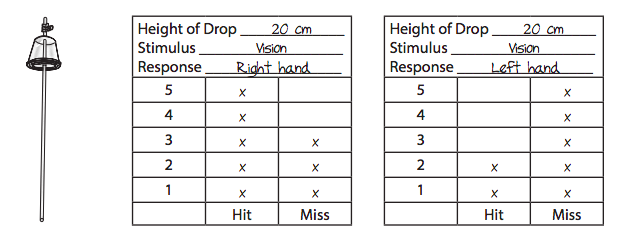
What was the stimulus for student A?
What was the stimulus for student B
What was the response for student A
What was the response for student B?
Mark X next to the two words that correctly complete this sentence. “Plants get the materials they need for growth mainly from _____ and _____.”
What can communities do to improve the environment and help monarch butterflies survive?
Move instinct, learned, or reflex over to the correct situations:
Instinct
Learned
Reflex
Riding a skateboard
Bears hibernating in winter
Using a straw to drink
Using tools to gather food
Blinking when something comes toward you
Squirrels gathering acorns
Is this student right-handed or left-handed?
1. Draw a food web to show how they interact. (In this ecosystem, ants and gophers both eat grass; lizards eat ants, and hawks eat lizards and gophers.) 2. Label each of the organisms in your food web to tell if they are producers, consumers, or decomposers.
Two students were talking. Student A was examining the lettuce leaves in a salad he was eating. He said, “Did you know that I am eating energy from the Sun?” Student B was eating a hamburger. She said, “Did you know that I am eating energy that came from the Sun, too?” Do you agree with these two students? Explain in words or with a drawing why you agree or disagree with each student.